


980 results
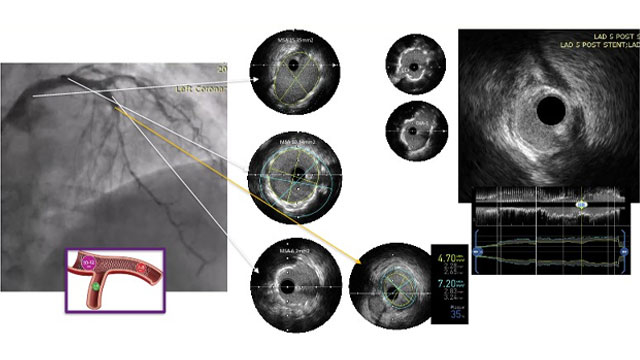
Choosing the right tool to treat calcified bifurcation
19 May 2026 – From EuroPCR 2026
This session provides expert guidance on managing calcified bifurcation lesions. It highlights identification of high-risk scenarios, the role of coronary CT angiography and intravascular imaging in tool selection, and specialized techniques for treating calcified nodules in the left main coronary artery.
STEMI presenting with cardiogenic shock
19 May 2026 – From EuroPCR 2026
This session covers acute management of STEMI presenting with cardiogenic shock, illustrating advanced interventional strategies and support devices such as ECMO, IABP, and Impella. It reviews complex clinical scenarios including acute left main occlusion and multivessel disease, offering critical insights into emergent care and decision-making.

Stent failure evaluation with intracoronary imaging
19 May 2026 – From EuroPCR 2026
This session provides an in-depth evaluation of stent failure using intracoronary imaging modalities such as IVUS and OCT. It presents diverse cases illustrating late drug-eluting stent failure, in-stent restenosis, neoatherosclerosis, and complications following rotational atherectomy, underscoring imaging's role in diagnosis and guiding reintervention.

When balloons fail: how to win against coronary calcium
19 May 2026 – From EuroPCR 2026
This session refines strategies to overcome undilatable calcified coronary lesions by integrating modern calcium-modification technologies into complex PCI workflows. Through multiple international case studies, it highlights approaches to achieve optimal stent expansion despite severe coronary calcium challenges.
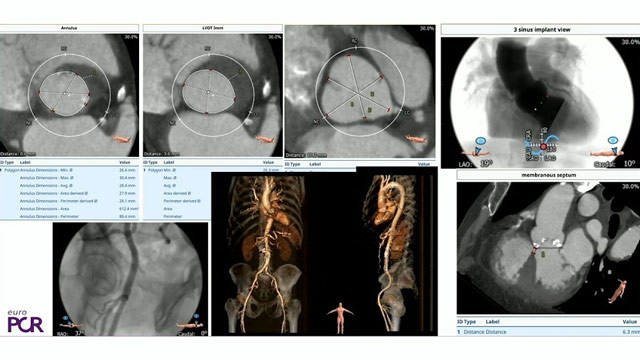
TAVI and coronary artery disease: we need the COMPLETE answer!
19 May 2026 – From EuroPCR 2026
Addressing the intersection of transcatheter aortic valve implantation (TAVI) and coronary artery disease, this session reviews contemporary surgical and interventional literature to elucidate current practices. It underscores the need for a large international randomized controlled trial to provide definitive guidance for managing patients with concomitant aortic...
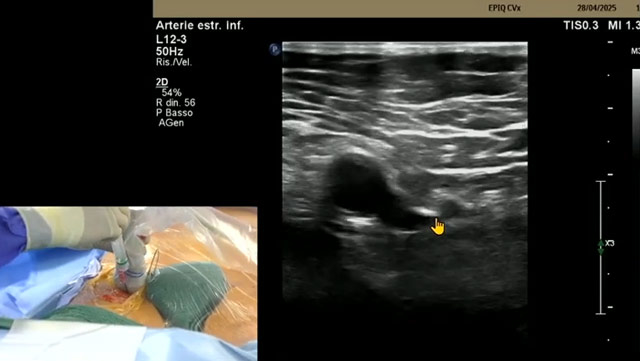
Large-bore venous access and vessel closure: all you need to know
19 May 2026 – From EuroPCR 2026
This session provides a comprehensive guide to large-bore venous access and vessel closure techniques, emphasizing best practices and the advantages of ultrasound-guided suture mediated vessel closure compared to traditional figure-of-eight suture methods. It also addresses strategies to avoid and manage potential complications encountered during these procedures.
The metal-free strategy: shaping the new era of hybrid vessel restoration with DCB and BRS
19 May 2026 – From EuroPCR 2026
This EuroPCR 2026 session explores the emerging metal-free strategy in coronary intervention, combining drug-coated balloons (DCB) and bioresorbable scaffolds (BRS) to support a “leave-nothing-behind” approach to vessel restoration.
It focuses on lesion preparation, scaffold sizing and deployment, and the integration of hybrid therapies to optimise procedural outcomes....

Rethinking stentless PCI strategy - Improving outcomes with Bioadaptor
19 May 2026 – From EuroPCR 2026
This EuroPCR 2026 session explores contemporary PCI strategies through the concept of stentless intervention using the Bioadaptor device in complex coronary disease.
It highlights the bioadaptive design features of Bioadaptor and reviews the supporting clinical evidence, with a focus on how this technology may influence procedural outcomes.
The...
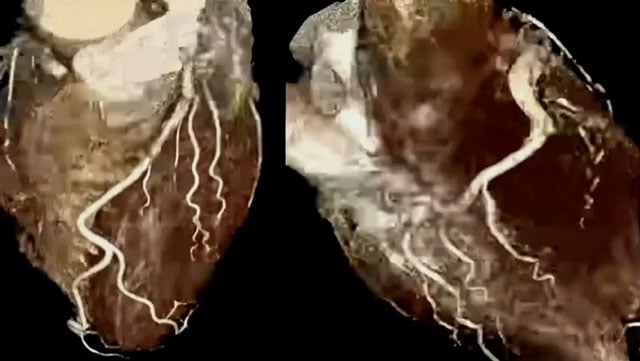
Management of a patient with complex multivessel disease involving bifurcations
19 May 2026 – From EuroPCR 2026
Complex multivessel coronary disease involving bifurcations requires careful procedural planning, imaging guidance and tailored stent strategies.
This EuroPCR 2026 session combines live educational case with insights from the NAGOMI COMPLEX study to explore contemporary approaches to complex PCI. A key focus is placed on the role of...
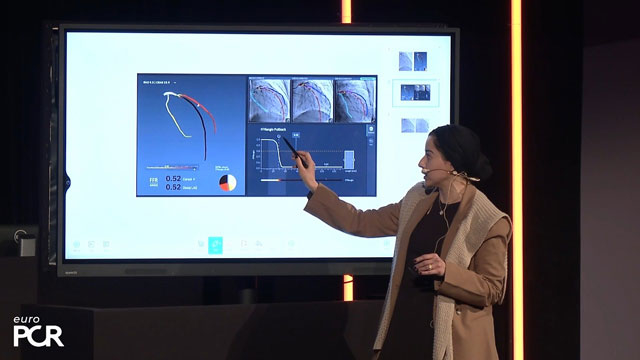
Radial and distal radial artery access for PCI
19 May 2026 – From EuroPCR 2026
This session provides an in-depth evaluation of radial and distal radial artery access for PCI, including a 20-year trend analysis of clinical outcomes, feasibility studies on distal radial interventions, and comparative real-world experiences. It also features meta-analyses of randomized trials on access approaches and early findings...