


309 results
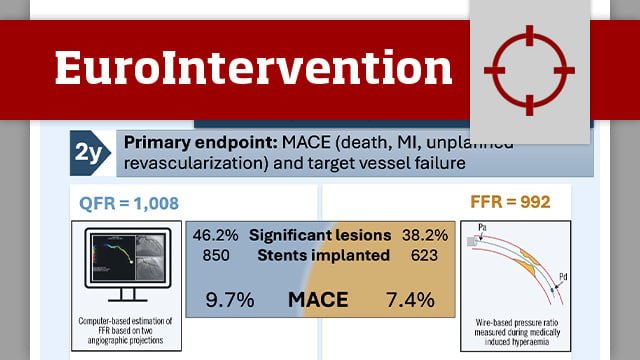
Quantitative flow ratio versus fractional flow reserve: 2-year follow-up of the FAVOR III Europe trial
06 Jul 2026
This study reports the prespecified 2-year follow-up results of the FAVOR III Europe trial, which compared quantitative flow ratio (QFR)-guided versus fractional flow reserve (FFR)-guided coronary revascularisation in patients with angiographically intermediate coronary stenoses.
FAVOR III Europe was a prospective, multicentre, randomised trial designed to evaluate whether...

Reviewer

Reviewer
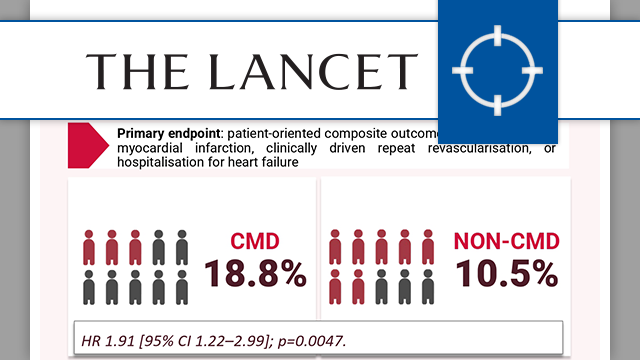
Coronary microvascular dysfunction and cardiovascular outcomes: FLOW-CMD Registry
10 Jun 2026
Coronary microvascular dysfunction is increasingly recognised as a key determinant of outcomes beyond epicardial coronary disease. The FLOW-CMD registry provides new insights into its prevalence and prognostic impact in routine invasive practice.

Reviewer

Reviewer
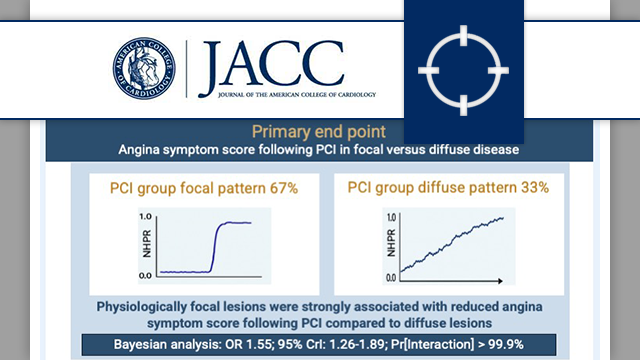
Focal and diffuse coronary artery disease patterns and placebo-controlled angina relief with percutaneous coronary intervention: ORBITA-2
09 Jun 2026
In a secondary analysis of the randomised ORBITA-2 trial, focal coronary artery disease pattern as assessed by non-hyperaemic pressure wire pullback was associated with greater angina relief following PCI than diffuse pattern of disease.

Reviewer
Refactory angina and coronary sinus reducer, from established applications to future outlooks
21 May 2026 – From EuroPCR 2026
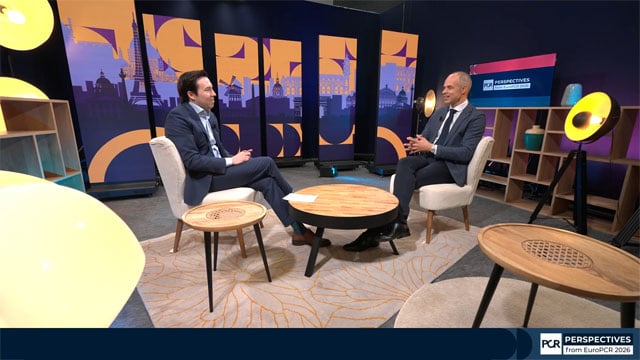
In this discussion, Tim van de Hoef and Tommaso Gori explore the evolving definition of refractory angina, extending beyond obstructive disease to include non-obstructive and microvascular conditions. They highlight the challenges of recognition, driven by variability in symptoms, diagnostic approaches, and clinical practices, and stress that...
Spontaneous coronary artery dissection management with intracoronary imaging
22 May 2026 – From EuroPCR 2026
Explore the nuanced management of spontaneous coronary artery dissection (SCAD) with a focus on intracoronary imaging. This session examines diagnostic challenges, the limited role of coronary CT angiography, and strategies for managing occlusive SCAD cases, highlighting the evolving understanding of this complex condition.

Diagnosis and management of INOCA and ANOCA
21 May 2026 – From EuroPCR 2026
This session focuses on the diagnosis and management of ischemia and angina with non-obstructive coronary arteries (INOCA and ANOCA). It presents safety data from coronary function testing, patient outcomes after comprehensive ischemia assessment, and endotype-specific treatment effects. Further topics include coronary sinus reducer therapy, the impact...

New evidence in coronary physiology for microvascular assessment
21 May 2026 – From EuroPCR 2026
This session highlights new evidence in coronary physiology related to microvascular assessment. Topics include endothelial dysfunction in angina with non-obstructive arteries, the prognostic value of microvascular resistance metrics, natural history studies, and trials aimed at standardizing management of microvascular dysfunction.
New evidence for coronary revascularisation
21 May 2026 – From EuroPCR 2026
This session highlights new evidence in coronary revascularisation, including the role of CT-derived virtual stenting for procedural optimization, left ventricular unloading during complex PCI, long-term outcomes of FFR-guided PCI versus medical therapy, Impella CP support in high-risk PCI, and comparative results of PCI versus CABG in...
INOCA in patients with coronary artery disease
21 May 2026 – From EuroPCR 2026
This session focuses on ischaemia with non-obstructive coronary arteries (INOCA) in patients with coronary artery disease. It raises awareness of common clinical presentations, emphasizes accurate diagnosis through functional coronary testing, and discusses how tailored treatment strategies can improve patient outcomes in this frequently under-recognized condition.
Incorporating CT coronary angiography in the cathlab practice
21 May 2026 – From EuroPCR 2026
Explore the integration of CT coronary angiography into catheterization laboratory practice through real-world studies assessing anatomical yield, diagnostic accuracy, and physiological assessments. The session highlights advancements in myocardial blood flow analysis and plaque characterization to improve ischemia detection and guide invasive angiography.