3136 results for «2954»
3136 results
Role of coronary physiology in acute coronary syndrome patients
22 May 2025 – From EuroPCR 2025
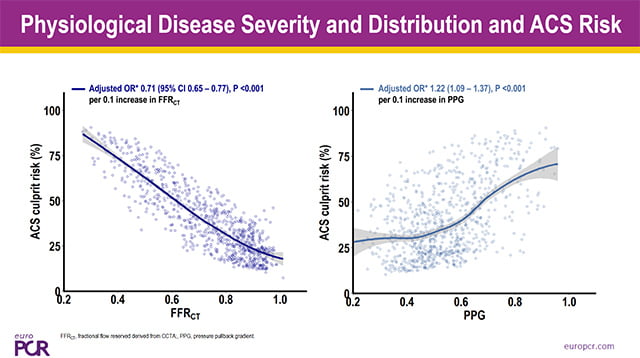
Examine the role of coronary physiology in acute coronary syndrome patients, including plaque characteristics related to ACS risk, prognostic value of AngioIMR in STEMI, functional significance of lumen and plaque features, diagnostic accuracy of quantitative flow ratio, and the impact of adenosine administration routes on FFR...
TAVI outcomes
22 May 2025 – From EuroPCR 2025
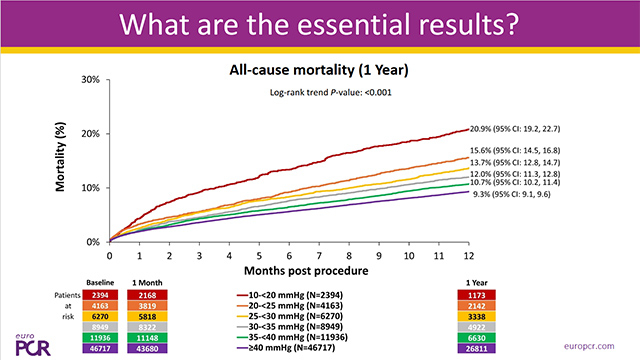
Examine contemporary outcomes of transcatheter aortic valve implantation (TAVI) across diverse patient populations and device generations. This session presents data on severe aortic stenosis stratified by resting gradient, comparisons between bicuspid and tricuspid valve stenosis, and clinical results of intra-annular versus supra-annular devices, including two-year outcomes...
Innovation to address unmet clinical needs in transcatheter valve therapies
22 May 2025 – From EuroPCR 2025
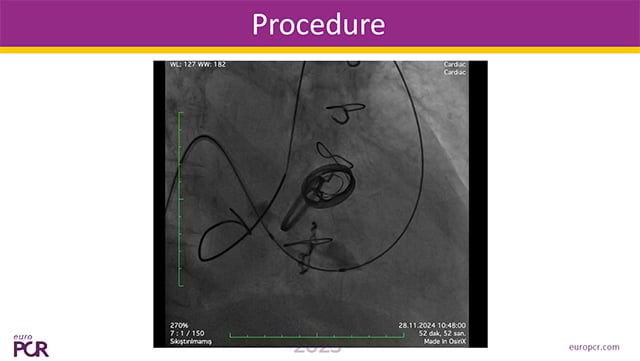
Discover innovations addressing unmet clinical needs in transcatheter valve therapies. This session shares case-based experiences including young aortic stenosis patients, mitral regurgitation with annular calcification, and severe tricuspid regurgitation with right ventricular dysfunction, alongside the latest advances in TAVI, TMVR, and tricuspid interventions.
Coronary physiology: FFR and beyond
22 May 2025 – From EuroPCR 2025
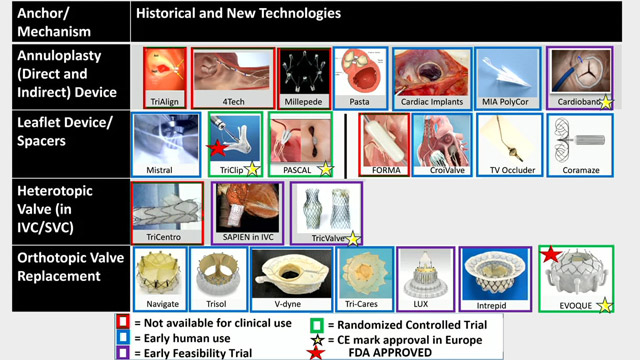
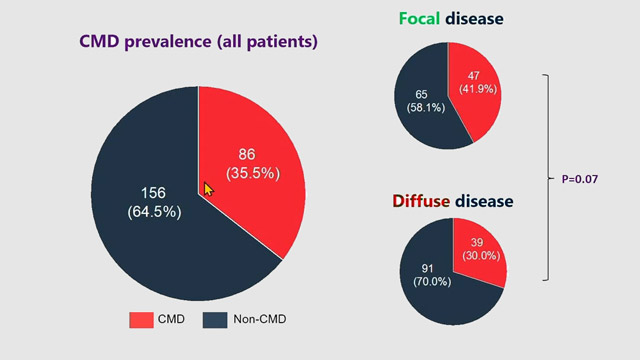
Advance your understanding of coronary physiology with a focus on fractional flow reserve (FFR) and beyond. This session covers randomized trials comparing physiology-guided treatment to standard care in ANOCA, graft patency related to quantitative flow ratio, impacts of microvascular dysfunction on patient outcomes, and prognostic value...
What an interventional cardiologist should know about anti-thrombotics
22 May 2025 – From EuroPCR 2025
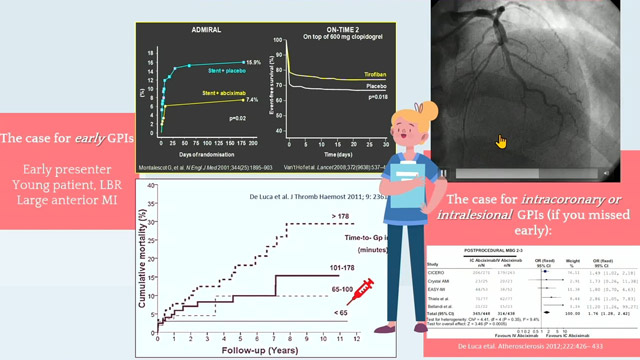
This session provides comprehensive knowledge on anti-thrombotic management for interventional cardiologists, emphasizing effective inhibition during acute STEMI, latest evidence implementation for high bleeding risk patients, and customization of dual antiplatelet therapy in patients with high thrombotic and low bleeding risks through clinical cases and evidence-based recommendations.
All you need to know on aorto iliac disease during TAVI: from access to complications management
22 May 2025 – From EuroPCR 2025
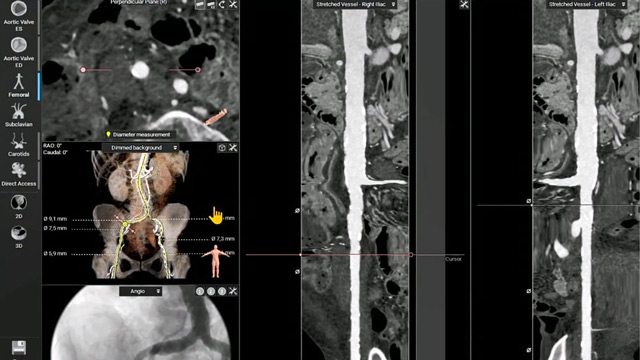
Gain expertise in managing aorto-iliac disease during TAVI procedures, from access planning to complication management. This session covers key imaging techniques, decision-making regarding stenting and lesion modification, approaches to access-related complications, and criteria for involving vascular surgeons, ensuring procedural safety and success.
TAVI in bicuspid aortic valve disease
22 May 2025 – From EuroPCR 2025
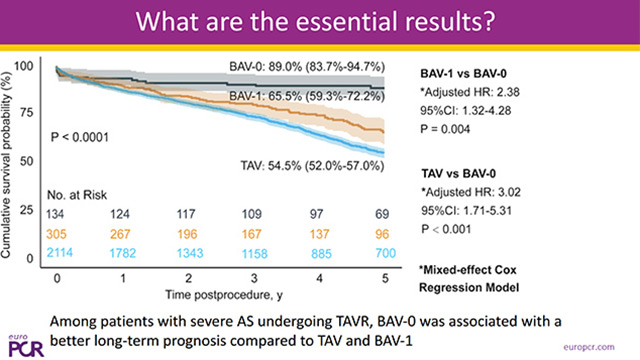
Explore the unique challenges of TAVI in bicuspid aortic valve disease with a focus on long-term outcomes, residual gradients, prosthesis-patient mismatch, and anatomical subtype comparisons. This session draws on international registry data to inform clinical decision-making and optimize procedural strategies in this complex patient population.
Procedural planning and risk stratification in multivessel PCI
22 May 2025 – From EuroPCR 2025
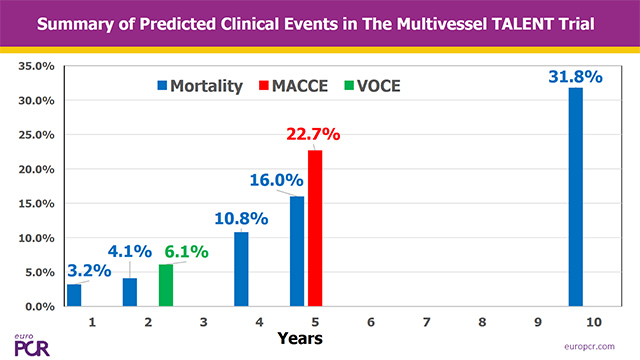
This session focuses on procedural planning and risk stratification in multivessel PCI, presenting data from the TALENT and FIRE trials, prognostic value of post-PCI physiological assessments, and an innovative study comparing large language models in managing complex interventional cardiology cases.
Advanced tools for the diagnosis of coronary artery disease
22 May 2025 – From EuroPCR 2025
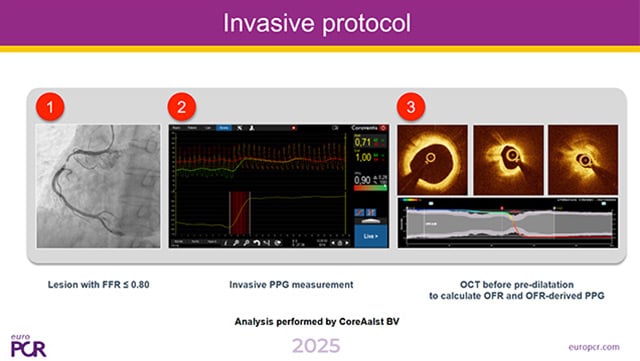
This session highlights advanced diagnostic tools for coronary artery disease, focusing on innovative pressure gradient assessments, computed tomography perfusion accuracy in stented patients, head-to-head comparisons of IQ-FFR with invasive FFR, and comprehensive evaluations of coronary physiology and plaque vulnerability derived from angiography.
What did we learn from my TAVI complications?
22 May 2025 – From EuroPCR 2025
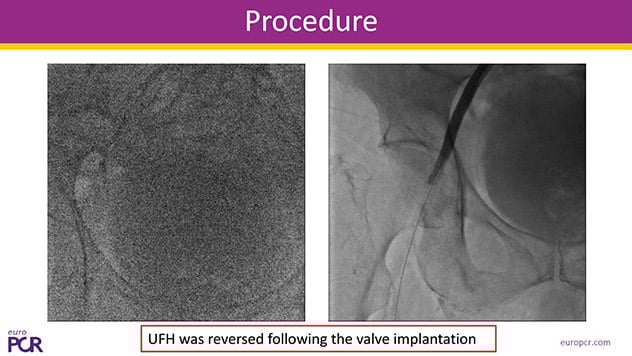
Review critical lessons from TAVI complications, focusing on early identification and management of access site issues and acute coronary obstruction. Learn effective preventive actions and procedural strategies to minimize severe TAVI-related complications through detailed case discussions.
Redefining the red flags: early detection of myocardial infarction in women
22 May 2025 – From EuroPCR 2025
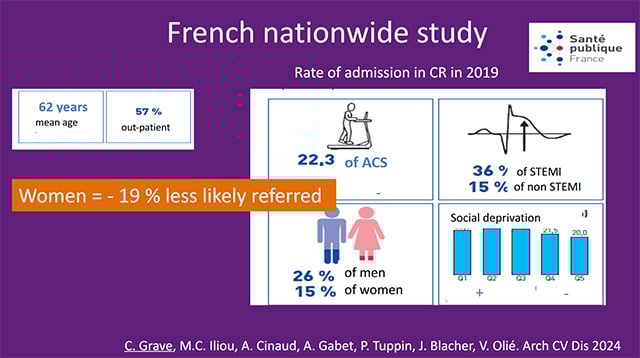
Gain a unique patient-centered perspective on early myocardial infarction detection in women. This session features a survivor's story, collaborative step-by-step clinical approaches, and key aspects of cardiac rehabilitation, emphasizing shared decision-making to improve patient outcomes in complex cases.
TAVI in difficult scenarios: bicuspid anatomy and pure aortic regurgitation
22 May 2025 – From EuroPCR 2025
Address challenging TAVI scenarios involving bicuspid anatomy and pure aortic regurgitation with insights from international experiences. This session compares treatment options in China and Germany, explores anatomical and disease differences, and reviews various TAVI devices through detailed case presentations and expert commentary.
Clinical and technical factors for decision-making in treatment of left main coronary artery disease
22 May 2025 – From EuroPCR 2025
Delve into decision-making factors in treating left main coronary artery disease, particularly in challenging scenarios. This session discusses the application of new SOLACI guidelines, critical strategy reflections, and real-world cases illustrating optimal left main PCI approaches.
Antiplatelet strategies for patients undergoing PCI
22 May 2025 – From EuroPCR 2025
Delve into this comprehensive session focusing on antiplatelet strategies for patients undergoing PCI. Explore evidence and clinical insights on ticagrelor monotherapy post-AMI stenting, shortened dual antiplatelet therapy (DAPT) durations, the role of CYP2C19 genotyping in stent thrombosis risk, the effectiveness of dual antithrombotic therapy in atrial...
Calcified lesions: preparing for the battlefield
21 May 2025 – From EuroPCR 2025
Prepare to tackle calcified coronary lesions with expertise in imaging interpretation and calcium modification tools. This session covers IVUS and OCT use, preparation techniques, and enhancing team communication to optimize procedural outcomes in complex cases.
Bifurcation stenting techniques outcomes
21 May 2025 – From EuroPCR 2025
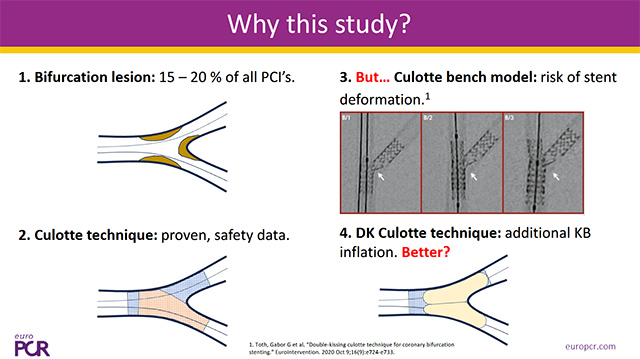
Examine the outcomes of various bifurcation stenting techniques with insights from multiple registries and trials. This session compares guidance methods and evaluates clinical results of double kissing culotte, nano-crush, POKI, and DK crush techniques in different lesion settings.
Challenging STEMI cases: unwanted situations
21 May 2025 – From EuroPCR 2025
Address challenging STEMI cases involving multivessel disease, high thrombus burden, and spontaneous coronary artery dissection. This session provides case-based learning on managing unexpected scenarios, diagnostic approaches, and tailored treatment strategies in complex STEMI presentations.
Challenging clinical scenarios in coronary artery disease
21 May 2025 – From EuroPCR 2025
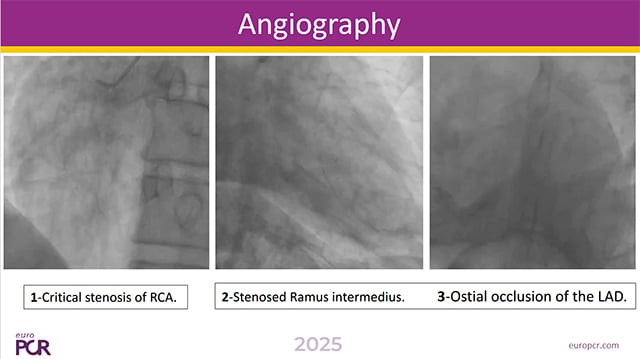
Confront challenging clinical scenarios in coronary artery disease with case-based discussions. Topics include managing multiple stent layers, late mediastinal hematoma, PCI optimization through physiology and imaging, refractory angina treatment, and acute tamponade management.
Beyond angiography: imaging-guided solutions for stent failure
22 May 2025 – From EuroPCR 2025
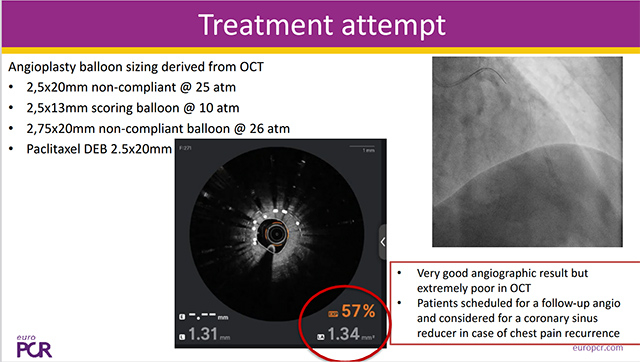
Stent failure remains a critical challenge in interventional cardiology — but intracoronary imaging can change the outcome. This session goes beyond angiography to examine why stents fail, how to detect underlying causes, and how imaging-guided strategies can help tailor reintervention. Two real-life cases, from complex restenosis...
Therapeutic choices for TTVIV-TTVIR interventions
21 May 2025 – From EuroPCR 2025
Explore therapeutic choices for transcatheter tricuspid valve-in-valve and valve-in-ring interventions. Case studies cover annular ring expansion, pacing-related infection, jugular vein access valve replacement, Ebstein anomaly, and double valve-in-valve procedures in right heart disease.