3458 results for «30MDL多少人民币»
3458 results
High-risk PCI in TAVI procedures
23 May 2025 – From EuroPCR 2025
This session highlights high-risk PCI in the context of TAVI procedures, including hybrid approaches for aortic stenosis with coronary disease, valve-in-valve scenarios, and unique anatomical challenges such as total situs inversus, emphasizing comprehensive patient management.
Out of the box: tackling complex peripheral intervention
23 May 2025 – From EuroPCR 2025
Explore unconventional approaches to complex peripheral interventions through case studies involving pulmonary arteriovenous malformations, splenic aneurysms, vascular complications post maxillofacial surgery, and cyanosis in structurally normal hearts, emphasizing diagnostic and therapeutic ingenuity.
Paravalvular leak closure in TMVR
23 May 2025 – From EuroPCR 2025
This session addresses paravalvular leak closure in transcatheter mitral valve replacement, exploring multiple plug techniques, complex leak management, and combined antegrade and retrograde approaches, providing nuanced insights into challenging mitral prosthesis complications.
Life threatening complications in CTO PCI
23 May 2025 – From EuroPCR 2025
Focus on life-threatening complications during CTO PCI with topics including rotational atherectomy challenges, interventricular septal puncture, surgical retrieval of fractured guidewires, and image-guided strategies for managing multivessel CTO complications, enhancing procedural safety.
Challenging session in calcified lesions
22 May 2025 – From EuroPCR 2025
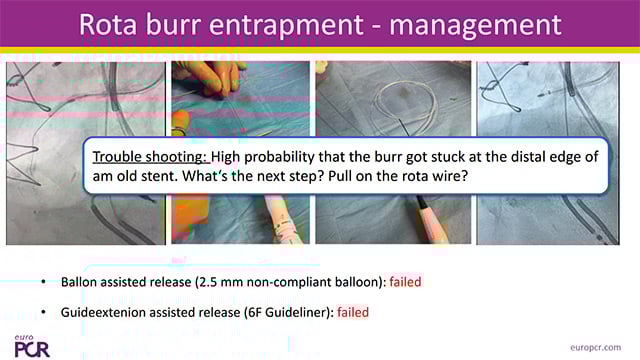
Engage with a challenging session focused on complex calcified lesion interventions. Topics include innovative triple burr techniques, OCT insights into resistant lesions, volume reduction strategies, eccentric calcium management, and IVUS-guided left main calcified lesion treatment, highlighting practical approaches to difficult cases.
Leaflet modification to prevent coronary obstruction during TAVI
22 May 2025 – From EuroPCR 2025
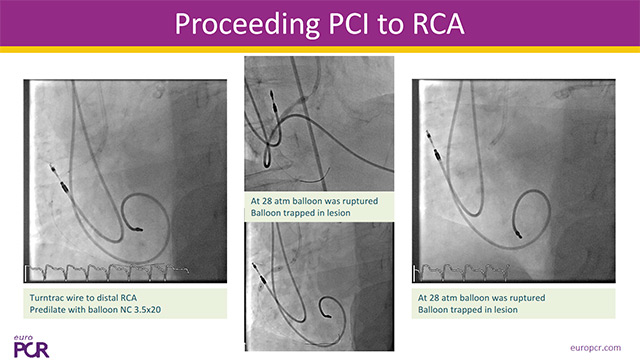
This session addresses advanced leaflet modification techniques to prevent coronary obstruction during TAVI. Learn from detailed cases involving valve-in-valve interventions, treatment of failed stentless valves, homograft management, and dedicated devices for leaflet modification prior to valve-in-valve and valve-in-valve-in-valve procedures.
TAVI in bicuspid: all you need to know
22 May 2025 – From EuroPCR 2025
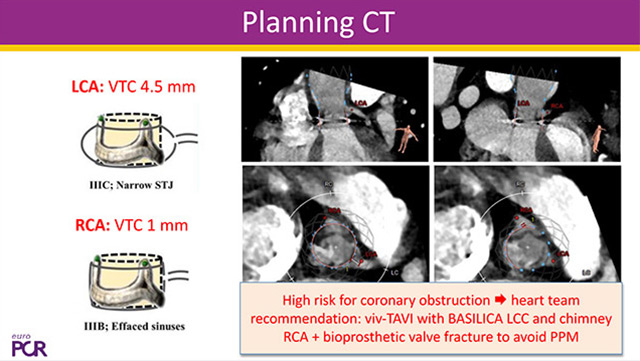
Understand the unique anatomical and clinical challenges of transcatheter aortic valve implantation (TAVI) in bicuspid aortic valves. This session covers bicuspid valve epidemiology, indications for surgery and TAVI, and detailed discussion on sizing and deployment fundamentals specific to bicuspid anatomy to optimize procedural success.
Acute complications during distal left main PCI - Part 3
22 May 2025 – From EuroPCR 2025
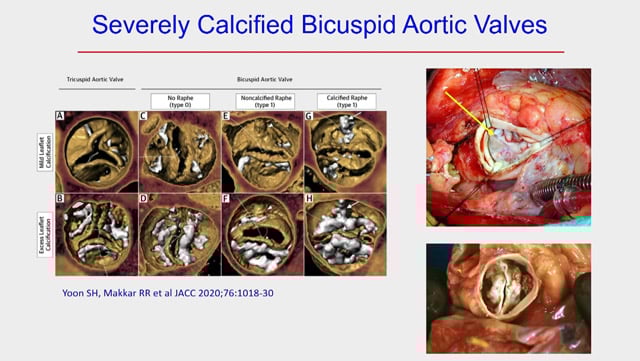
This session highlights acute complications during distal left main PCI. It presents cautionary cases of incorrect left main stenting, catastrophic left main V stenting outcomes, unprotected left main thrombosis, and survival strategies when new technologies fail unexpectedly.
Peripheral interventions: the hidden key for complications
22 May 2025 – From EuroPCR 2025
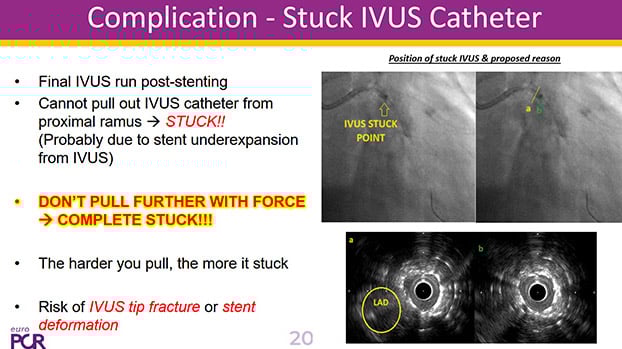
Uncover the critical role of peripheral interventions in managing complications. This session shares case stories of lost stents, unusual TAVI access complications, percutaneous removal of misplaced devices, revascularisation of iatrogenic pseudoaneurysms, and challenges when multiple closure devices are insufficient.
Management of bifurcations with complex anatomy - Part 1
22 May 2025 – From EuroPCR 2025
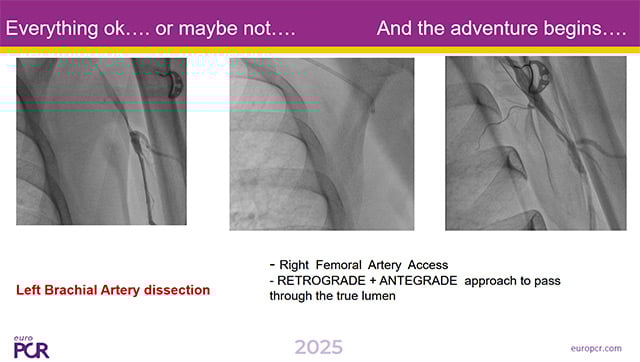
This session addresses the management of bifurcations with complex anatomy through a series of challenging case studies. It features a traumatic coronary artery dissection, anomalous right coronary artery PCI, CTO interventions complicated by proximal dissection, double CTO PCI for complete revascularization, and a challenging calcified left...
How to address the problem of calcified left main lesions
22 May 2025 – From EuroPCR 2025
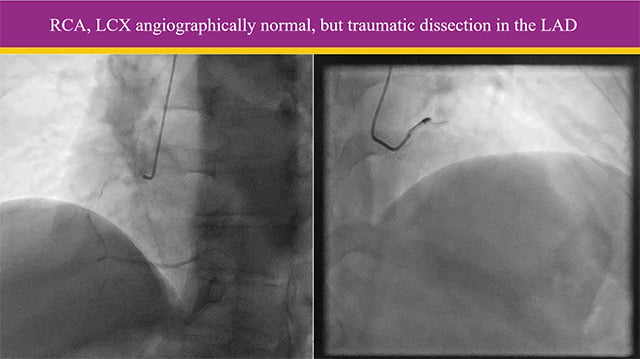
Gain expert perspectives on addressing calcified left main coronary lesions in high-risk and complex clinical scenarios. This session features challenging cases including ACS patients with reduced LVEF, severe calcified stenosis of left main bifurcation, complex PCI in post-CABG octogenarians with rotablation under Impella support, and other...
Electrosurgical techniques in transcatheter mitral valve replacement
22 May 2025 – From EuroPCR 2025
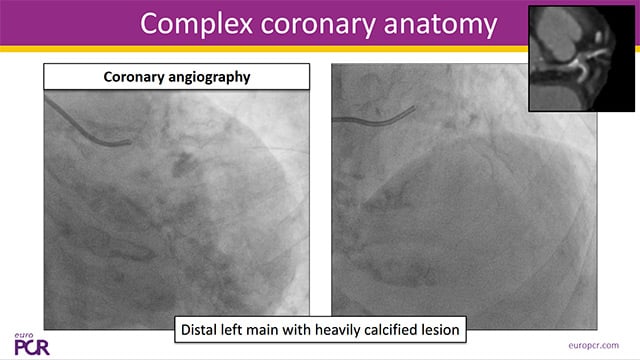
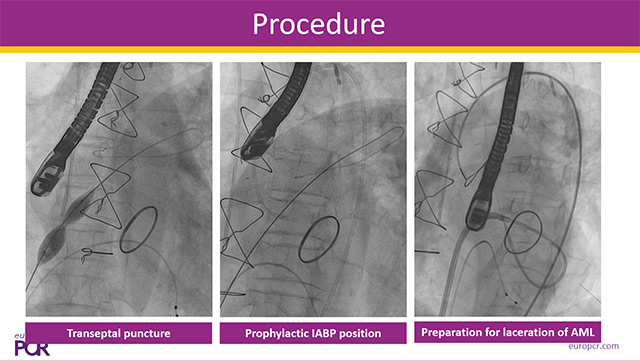
Delve into electrosurgical techniques in transcatheter mitral valve replacement. This session covers advanced methods including the tip-to-base lampoon technique, electrosurgical laceration of failed devices, left ventricular outflow tract obstruction management, combined septal ablation and valve-in-valve procedures, and management of severe aortic regurgitation post-laceration.
Management of challenging TAVI device delivery
22 May 2025 – From EuroPCR 2025
Explore innovative solutions for managing challenging TAVI device delivery. This session presents cases involving kinked and stuck Navitor valves, the use of snare devices for retrieval, balloon-expandable TAVI in severe bicuspid aortic stenosis, and alternative access routes such as transaortic access after failed transfemoral valve-in-valve procedures.
Calcified un-dilatable lesions in ACS: what should I do?
22 May 2025 – From EuroPCR 2025
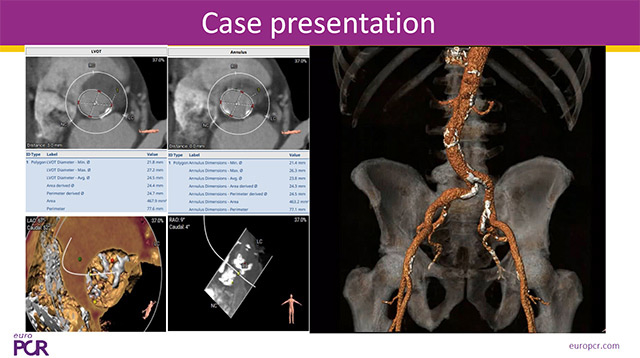
Address the challenges of severely calcified undilatable lesions during acute coronary syndrome PCI. This session reviews the impact of coronary calcification on PCI strategy, highlights pitfalls in lesion preparation, and presents detailed case studies demonstrating effective treatment approaches.
A central role for cardiac imaging in transcatheter LAA closure
22 May 2025 – From EuroPCR 2025
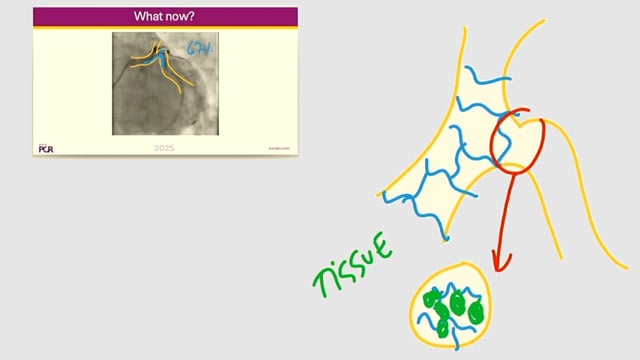
Discover the central role of cardiac imaging in transcatheter left atrial appendage (LAA) closure. This session covers sealing techniques, advances in cardiac tomography for assessing LAA wall thickness, fusion of 3D computational modeling with fluoroscopy guidance, device healing evaluation through early serial imaging, and complex cases...
Which device for which patient: DES, BRS or DCB?
22 May 2025 – From EuroPCR 2025
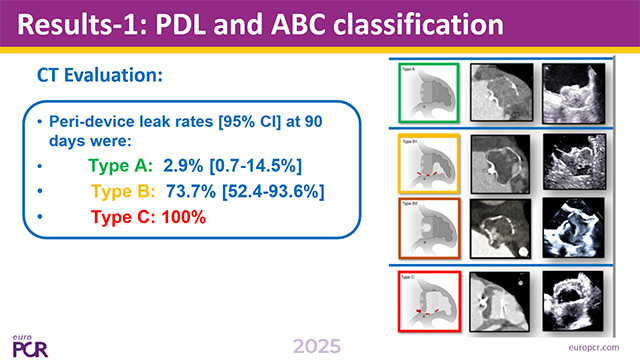
This session provides comprehensive guidance on selecting the appropriate device—DES, BRS, or DCB—for individual patients and lesions. It examines patient and lesion characteristics, strengths and limitations of each device type, and regional considerations, illustrated by case presentations demonstrating practical device choice and resolution.
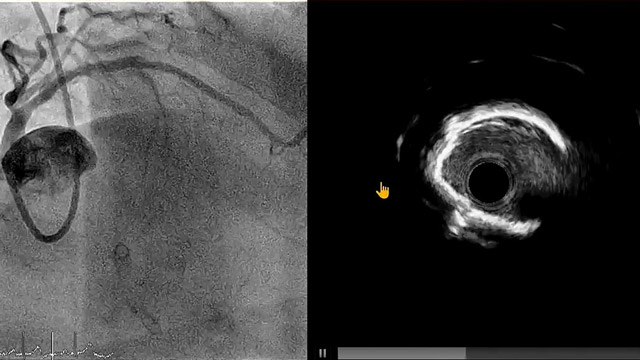
Optimal acute heart failure care: must have, must do
22 May 2025 – From EuroPCR 2025
This session presents must-have strategies for optimal acute heart failure care. Topics include establishing an extracorporeal cardiopulmonary resuscitation referral center with patient outcomes, percutaneous closure in ventricular septal rupture, modified manual compression for large-bore sheaths, antithrombotic therapy considerations in AMI complicated by cardiogenic shock with mechanical...
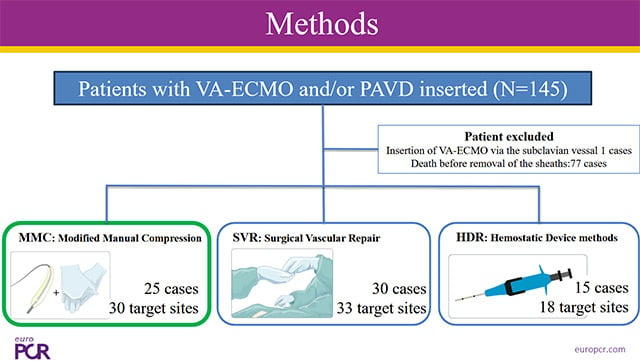
Optimal SCAD treatment
22 May 2025 – From EuroPCR 2025
Navigate the complexities of spontaneous coronary artery dissection (SCAD) treatment through clinical case discussions. This session explores identifying the culprit lesion, recurrent ACS challenges, the conservative versus PCI treatment dilemma, and real-world presentation scenarios emphasizing decision-making in SCAD management.
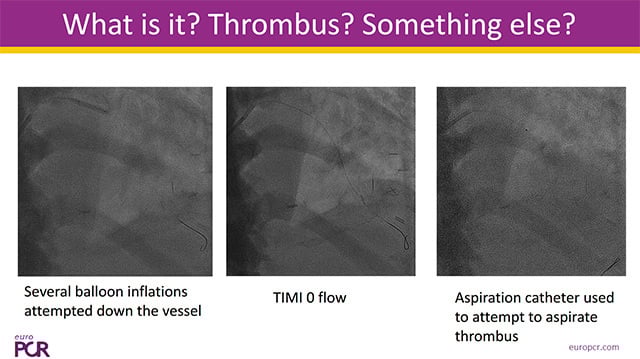
Innovative strategies for coronary interventions
22 May 2025 – From EuroPCR 2025
Explore innovative strategies in coronary interventions, including the EPIC26 sirolimus-eluting stent study, use of percutaneous ventricular assist devices in high-risk patients, the SCORE multicenter study on SeQuent SCB, DCB versus DES for ostial left circumflex lesions, and site-specific antithrombotic therapy outcomes from the DESyne BDS Plus...
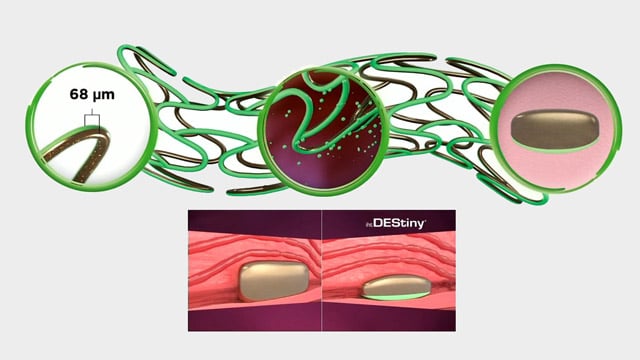
PCI in a challenging coronary anatomy
22 May 2025 – From EuroPCR 2025
This session tackles PCI in challenging coronary anatomies, featuring cases with anomalous coronary arteries, complex access routes, and specialized stenting techniques. Learn from experiences managing dual anomalous arteries, navigating to difficult lesions, and applying innovative modified chimney stent methods to restore coronary flow.