3138 results for «3146»
3138 results
CTO PCI evolution: unlocking new approaches
22 May 2025 – From EuroPCR 2025
Unlock new approaches in chronic total occlusion (CTO) PCI with this session highlighting advanced techniques such as tip-in methods when microcatheters fail, support maximization strategies, rotational direction considerations during CTO, and timing of PCI in ACS patients with non-infarct related CTOs.
TAVI new devices
22 May 2025 – From EuroPCR 2025
Explore the latest innovations in transcatheter aortic valve implantation (TAVI) devices with a focus on coronary protection strategies, cerebral embolic protection integration, management of ventricular migration, and overcoming anatomical challenges such as bicuspid and rheumatic valve disease using novel platforms.
Best companion's case on coronary complications
22 May 2025 – From EuroPCR 2025
This session showcases expert cases addressing coronary complications during PCI, including novel optimization approaches, managing intervention challenges under pressure, unconventional staged PCI strategies, and decision-making in high-risk scenarios to improve procedural safety and outcomes.
Best companions's case on complications in calcified lesions
22 May 2025 – From EuroPCR 2025
Delve into challenging cases involving complications in calcified coronary lesions managed with rotational atherectomy. Topics include unique uses of Rotablation, managing burr entrapment, complex calcium and tortuosity combinations, and addressing perforations resulting from stent optimization and burr retrieval in highly calcified vessels.
Peripheral expertise to the rescue
22 May 2025 – From EuroPCR 2025
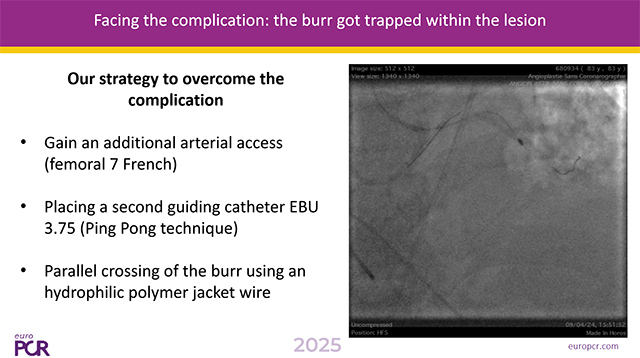
This session addresses peripheral vascular expertise in managing access complications and occlusions. Learn about approaches to femoral access challenges during TAVI, endovascular solutions for iatrogenic hepatic artery rupture, and unconventional treatments for superficial femoral artery occlusions caused by covered stents.
Through decisions in complex left main PCI – Left main trifurcation
22 May 2025 – From EuroPCR 2025
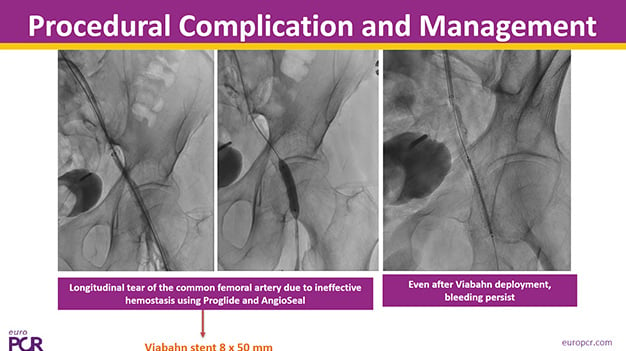
This session offers an in-depth analysis of complex left main trifurcation PCI, covering evaluation through imaging and physiology, lesion preparation strategies, and treatment options including stepwise provisional approaches, upfront two-stent techniques, and drug-coated balloons.
Extensive anterior STEMI - Treatment strategies from SCAI A to E
22 May 2025 – From EuroPCR 2025
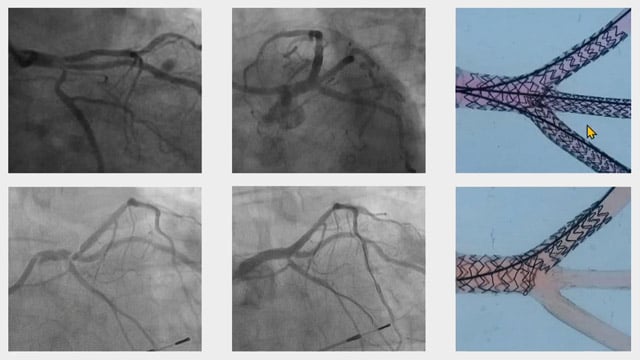
Explore comprehensive treatment strategies for extensive anterior STEMI, focusing on risk stratification across the SCAI shock stages A to E. Learn to adapt mechanical circulatory support appropriately and understand principles guiding device selection and utilization in hemodynamic instability.
Intracoronary imaging guidance for PCI
22 May 2025 – From EuroPCR 2025
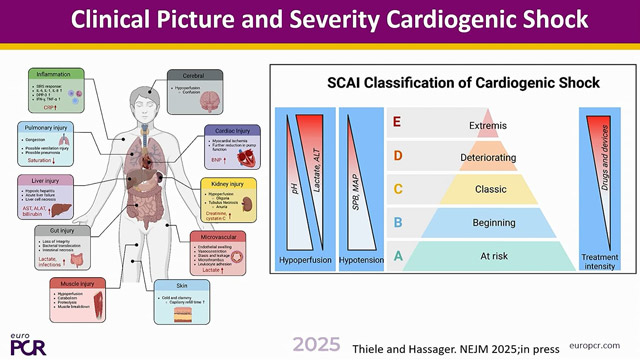
This session highlights the value of intracoronary imaging guidance for PCI, showcasing optical coherence tomography in complex ACS lesions, long-term outcomes from imaging-guided PCI trials, AI-enhanced quantification, and comparative analyses of intravascular lithotripsy versus rotational atherectomy.
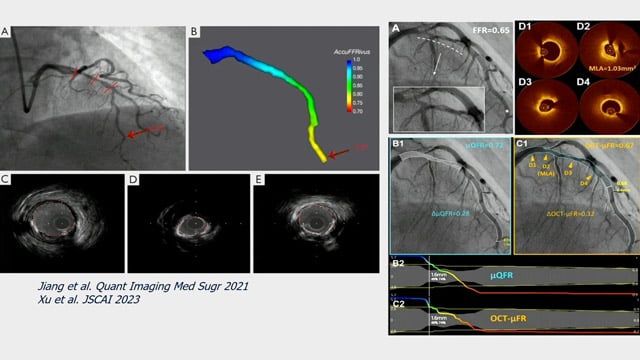
Assessment and management of patients with multivalvular disease involving the tricuspid valve
22 May 2025 – From EuroPCR 2025
Gain expertise on managing multivalvular disease involving the tricuspid valve by understanding diagnostic challenges, intervention indications, and associated pathophysiological factors. This session includes complex case studies focusing on combined valvular lesions and guideline limitations.
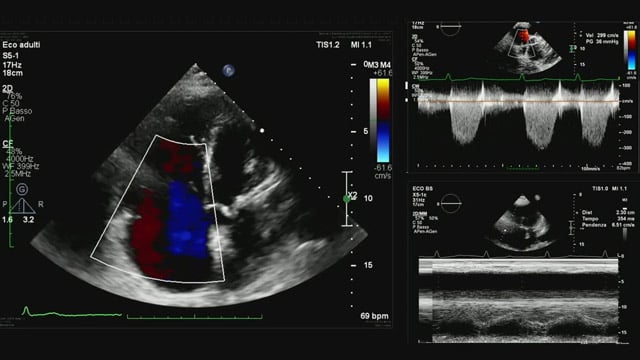
Role of coronary physiology in acute coronary syndrome patients
22 May 2025 – From EuroPCR 2025
Examine the role of coronary physiology in acute coronary syndrome patients, including plaque characteristics related to ACS risk, prognostic value of AngioIMR in STEMI, functional significance of lumen and plaque features, diagnostic accuracy of quantitative flow ratio, and the impact of adenosine administration routes on FFR...
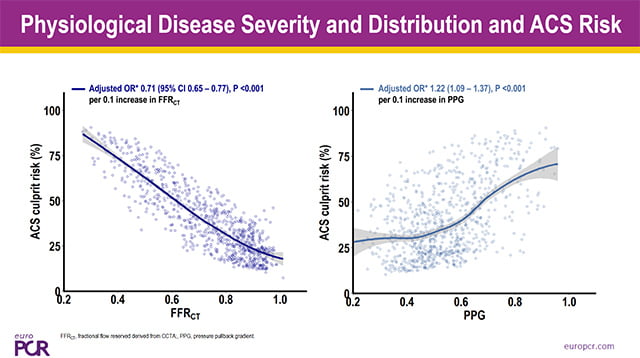
Procedural planning and risk stratification in multivessel PCI
22 May 2025 – From EuroPCR 2025
This session focuses on procedural planning and risk stratification in multivessel PCI, presenting data from the TALENT and FIRE trials, prognostic value of post-PCI physiological assessments, and an innovative study comparing large language models in managing complex interventional cardiology cases.
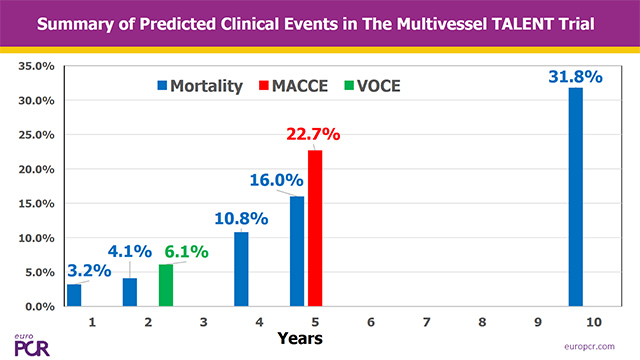
Optimal use of cardiac imaging to plan and guide transcatheter LAA closure
22 May 2025 – From EuroPCR 2025
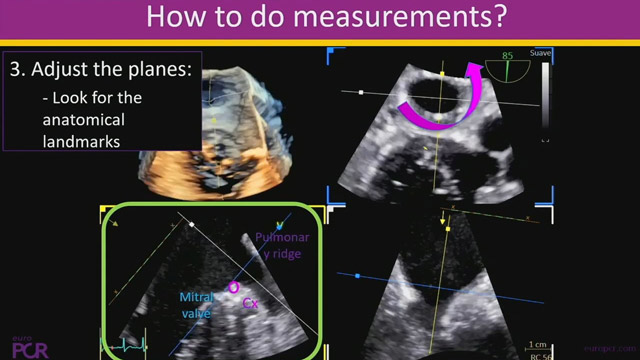
Optimize left atrial appendage (LAA) closure outcomes through expert use of cardiac imaging. This session details the role of various imaging modalities in pre-procedural planning, intraprocedural guidance, and post-procedural assessment. Gain practical insights on transesophageal echocardiography, computed tomography, intracardiac echocardiography, and their integration to enhance procedural...
TAVI outcomes
22 May 2025 – From EuroPCR 2025
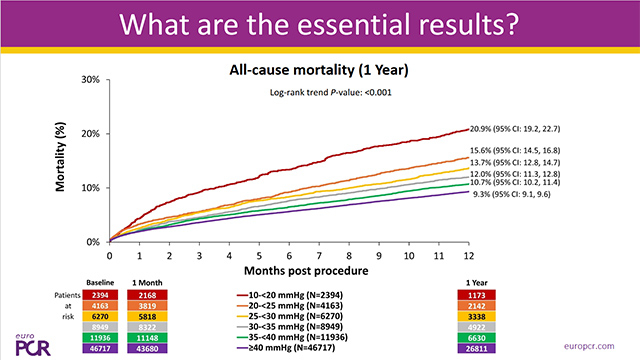
Examine contemporary outcomes of transcatheter aortic valve implantation (TAVI) across diverse patient populations and device generations. This session presents data on severe aortic stenosis stratified by resting gradient, comparisons between bicuspid and tricuspid valve stenosis, and clinical results of intra-annular versus supra-annular devices, including two-year outcomes...
What did we learn from my TAVI complications?
22 May 2025 – From EuroPCR 2025
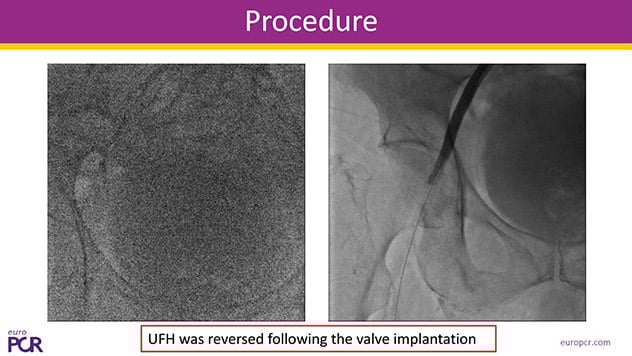
Review critical lessons from TAVI complications, focusing on early identification and management of access site issues and acute coronary obstruction. Learn effective preventive actions and procedural strategies to minimize severe TAVI-related complications through detailed case discussions.
Coronary physiology: FFR and beyond
22 May 2025 – From EuroPCR 2025
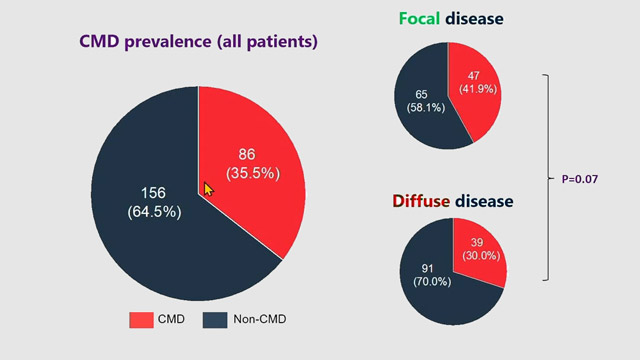
Advance your understanding of coronary physiology with a focus on fractional flow reserve (FFR) and beyond. This session covers randomized trials comparing physiology-guided treatment to standard care in ANOCA, graft patency related to quantitative flow ratio, impacts of microvascular dysfunction on patient outcomes, and prognostic value...
Clinical and technical factors for decision-making in treatment of left main coronary artery disease
22 May 2025 – From EuroPCR 2025
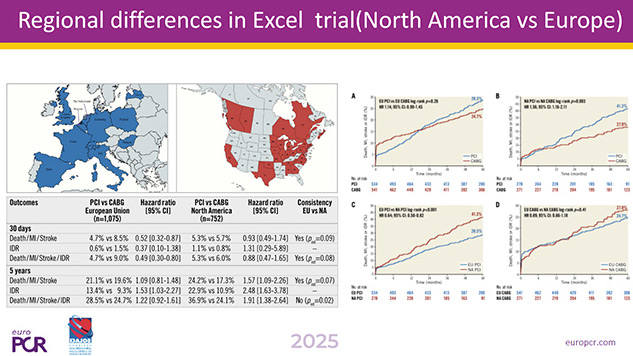
Delve into decision-making factors in treating left main coronary artery disease, particularly in challenging scenarios. This session discusses the application of new SOLACI guidelines, critical strategy reflections, and real-world cases illustrating optimal left main PCI approaches.
All you need to know on aorto iliac disease during TAVI: from access to complications management
22 May 2025 – From EuroPCR 2025
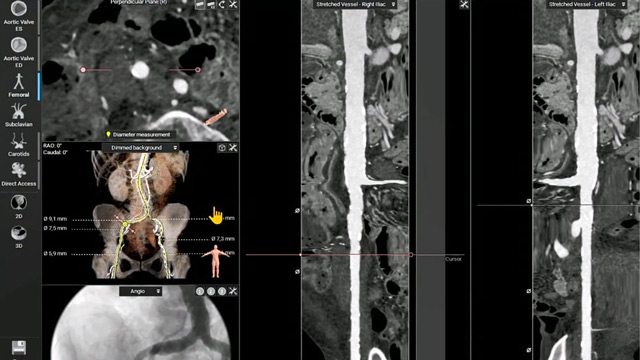
Gain expertise in managing aorto-iliac disease during TAVI procedures, from access planning to complication management. This session covers key imaging techniques, decision-making regarding stenting and lesion modification, approaches to access-related complications, and criteria for involving vascular surgeons, ensuring procedural safety and success.
Optimising TEER in challenging anatomies
22 May 2025 – From EuroPCR 2025
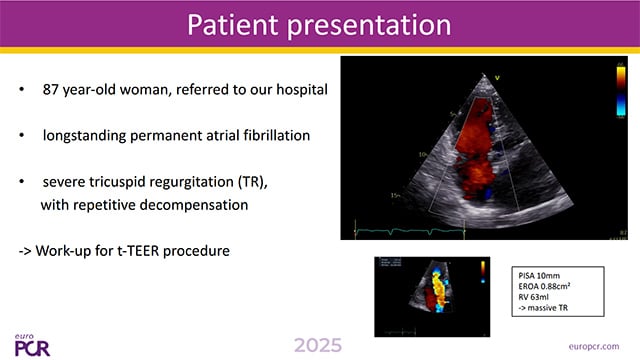
Optimize transcatheter edge-to-edge repair (TEER) strategies in challenging anatomies with focus on tricuspid valve interventions, recognition of multivalvular disease, and planning combined mitral and tricuspid TEER procedures. Case studies highlight feasibility challenges and dual valve repair approaches.
TAVI in bicuspid aortic valve disease
22 May 2025 – From EuroPCR 2025
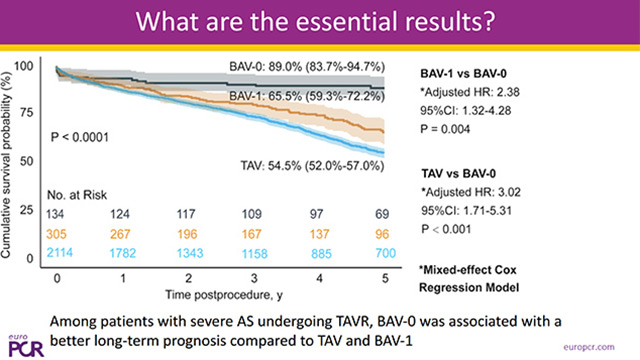
Explore the unique challenges of TAVI in bicuspid aortic valve disease with a focus on long-term outcomes, residual gradients, prosthesis-patient mismatch, and anatomical subtype comparisons. This session draws on international registry data to inform clinical decision-making and optimize procedural strategies in this complex patient population.
Advanced tools for the diagnosis of coronary artery disease
22 May 2025 – From EuroPCR 2025
This session highlights advanced diagnostic tools for coronary artery disease, focusing on innovative pressure gradient assessments, computed tomography perfusion accuracy in stented patients, head-to-head comparisons of IQ-FFR with invasive FFR, and comprehensive evaluations of coronary physiology and plaque vulnerability derived from angiography.