Divaka Perera
Latest contributions
Revascularisation in patients with multivessel disease and severe left ventricular impairment
21 May 2026 – From EuroPCR 2026
This session focuses on revascularisation strategies for patients with multivessel coronary disease complicated by severe left ventricular impairment. It emphasizes patient selection criteria, the crucial role of the heart team in decision-making, and optimization of percutaneous revascularisation outcomes. The content includes comprehensive case presentations and discussions...
Identifying and planning protected temporary mechanical circulatory support-based procedures in high-risk patients
21 May 2026 – From EuroPCR 2026
This session provides an in-depth update on protected temporary mechanical circulatory support-based procedures in high-risk cardiac patients. It covers patient identification criteria, device selection, and multidisciplinary planning to optimize outcomes in protected PCI, ventricular ablation, and surgical contexts.
Spectrum of cardiogenic shock
21 May 2026 – From EuroPCR 2026
This session delves into the broad spectrum of cardiogenic shock phenotypes, emphasizing the importance of selecting appropriate left ventricular support tailored to specific clinical scenarios. It offers critical insights into the timing of mechanical circulatory support and revascularisation strategies to optimize patient outcomes.
INOCA/ANOCA: technical aspects
20 May 2026 – From EuroPCR 2026
This session covers technical aspects critical to the evaluation and management of ischemia with non-obstructive coronary arteries (INOCA) and angina with non-obstructive coronary arteries (ANOCA). Key topics include the impact of guide catheter shape, injection techniques for thermodilution measurements, advanced perfusion CMR diagnostics, and the physiological...
Cardiogenic shock: identifying the cause and tailoring the treatment
20 May 2026 – From EuroPCR 2026
This session focuses on the critical evaluation and management of cardiogenic shock by identifying its underlying causes and tailoring treatment accordingly. It presents complex cases including free wall rupture bail-out strategies, management dilemmas in inferior STEMI complicated by incomplete ventricular rupture, multifactorial culprit lesions, refractory hypotension...
Closing lectures
18 May 2026 – From EuroPCR 2026
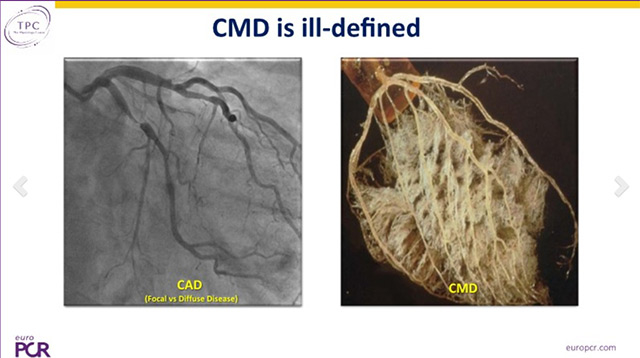
This session presents comprehensive closing lectures focusing on the evolving understanding of coronary microvascular dysfunction, examining the balance between vulnerability and physiology, and outlining future priorities for next-generation cathlab practices. It concludes with a session evaluation and synthesis of key learnings to inform clinical practice.
The physiological mindset: foundations every modern operator must own
18 May 2026 – From EuroPCR 2026
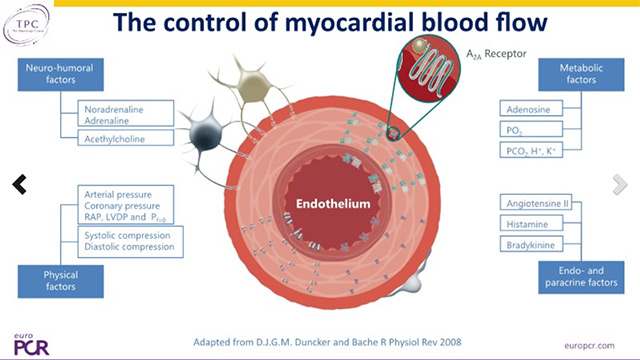
This session delves into the fundamental principles governing coronary blood flow regulation, emphasizing coronary autoregulation and the influence of epicardial haemodynamics on vascular morphology. Participants deepen their understanding of coronary physiology beyond formulas, exploring the intersection of physiology and atherosclerosis.
Controlled trial of high-risk coronary intervention with percutaneous left ventricular unloading (CHIP-BCIS3)
01 Apr 2026
Aaysha Cader interviews Divaka Perera on the CHIP-BCIS3 randomised trial, which evaluated whether elective left ventricular (LV) unloading during high-risk PCI improves outcomes in patients with severe LV dysfunction, extensive coronary disease, and complex procedures, as presented at ACC.26 in New Orleans.

Author

Author

Wireless physiology assessment
22 May 2025 – From EuroPCR 2025
This session examines the evolving field of wireless physiology assessment in PCI. Topics include randomized trials comparing angiography and physiology guidance, prognostic performance of imaging-derived physiology, and outcomes in various patient subsets including elderly patients with multivessel disease.
New diagnostic and therapeutical tools in the coronary field
21 May 2025 – From EuroPCR 2025
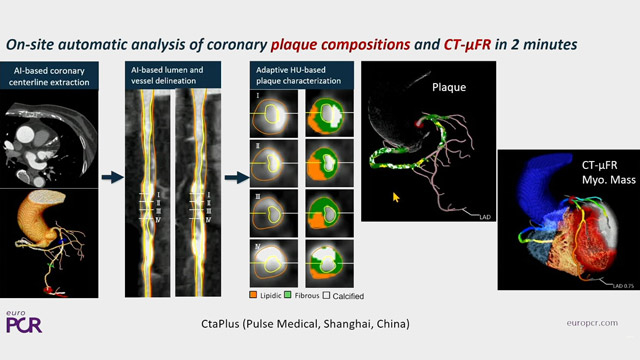
Explore the latest advancements in diagnostic and therapeutic tools in coronary interventions. This session covers a range of innovative topics including the prognostic impact of QFR-based complete versus incomplete revascularisation, hybrid perfusion quantification with cardiac CT and echocardiography, clinical validation of AI-assisted coronary angiography, national audit...

Full physiology: why and how to assess beyond coronary epicardial disease
20 May 2025 – From EuroPCR 2025
Understanding full coronary physiology is key to improving patient care. This EuroPCR 2025 session unpacks the concept and shows how to apply it easily in everyday clinical settings. Explore the latest ESC guidelines for managing patients with angina and no obstructive coronary artery disease (ANOCA), supported...
Cardiovascular intervention for chronic heart failure: where do we stand?
15 May 2024 – From EuroPCR 2024
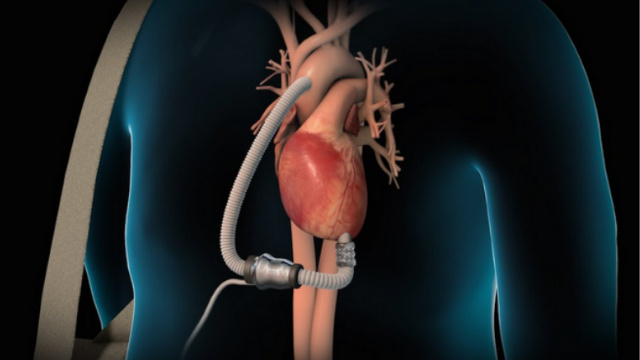
Management of patient with coronary artery disease and left ventricle dysfunction
15 May 2024 – From EuroPCR 2024
This session focuses on the management of patients with stable coronary artery disease and left ventricular dysfunction. Experts will discuss the role of mechanical circulatory support devices in these patients, as well as the diagnosis and treatment of microvascular angina, which can be a challenging complication...
Should we perform revascularisation in patients with depressed left ventricle ejection fraction?
17 May 2023 – From EuroPCR 2023
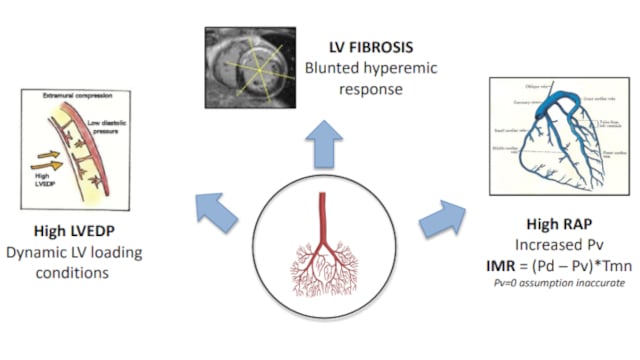
Divaka Perera, main author of the REVIVED study, discusses the results of this trial with Flavio Ribichini.
REVIVE was a trial of severe ischaemic cardiomyopathy in which the primary outcome was death or heart failure hospitalization.The headline result was that there was absolutely no difference with PCI,...
Revascularisation in patients with depressed left ventricular ejection fraction
18 May 2023 – From EuroPCR 2023
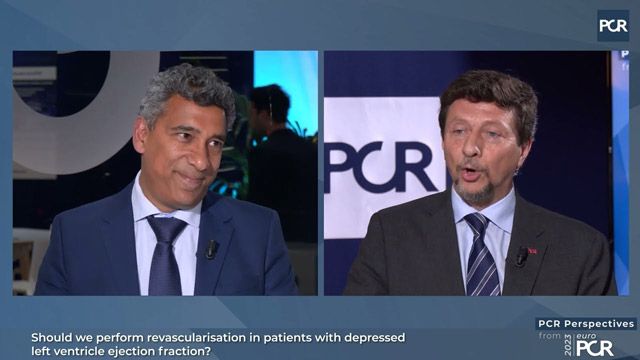
In these slides, delve into recent evidence and identify potential beneficiaries for revascularisation, while exploring safety strategies for PCI in cases of reduced left ventricular ejection fraction.
Coronary artery disease: more imaging, less imagination
18 May 2023 – From EuroPCR 2023
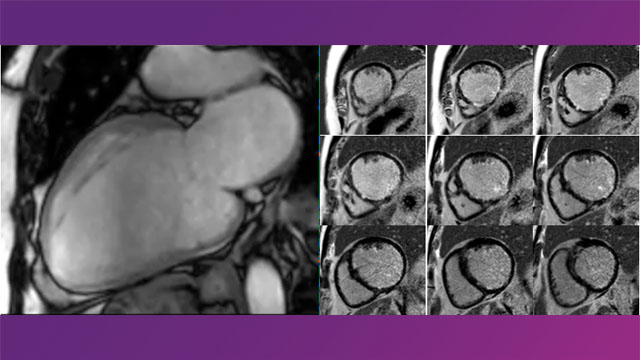
In these slides, explore associations between angiography-based FFR and OCT-detected luminal obstruction, prognostic impact of ischaemia vs. plaque vulnerability, CT's mortality foresight, and much more.
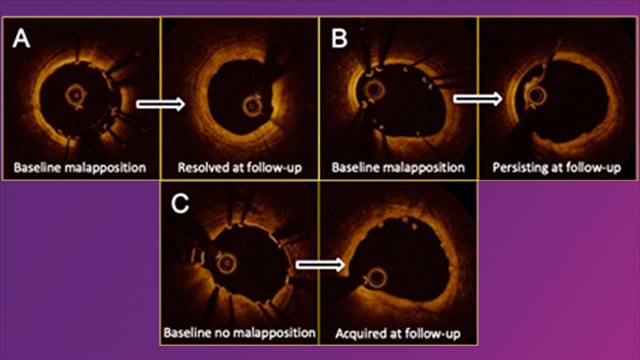
A stepwise physiological escalation strategy for the optimal management of chronic coronary syndrome in 2023
16 May 2023 – From EuroPCR 2023
In this session focused on epicardial and microcirculatory dysfunction, discuss how to treat both a 72-year-old smoker man with HTN, diabetes, hyperlipidemia, who presented with angina and dyspnea with moderate exertion over the last months, and a 69-year-old ex-smoker man with HTN and untreated LDL 125...

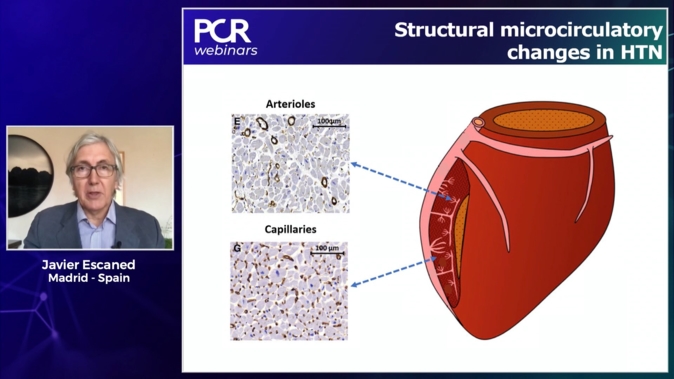
Microcirculatory remodeling as a cause of INOCA
16 Feb 2021
Watch now J. Escaned, D. Perera and E. Prescott in this series of webinars on ischemia and no obstructive coronary artery disease
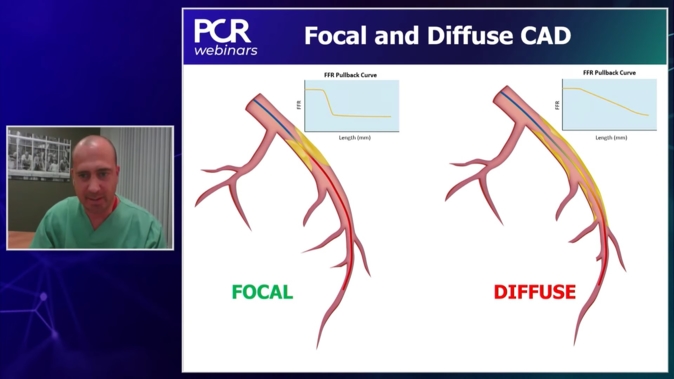
PPG: a novel dimension in coronary physiology
24 Nov 2021
Discover the replay of this PCR Webinar on coronary physiology with B. De Bruyne, C. Collet, D. Perera and J. Sonck
What's new in multivessel disease - a closer look on intracoronary guidance
19 May 2022 – From EuroPCR 2022
Treatment dilemma - how should we treat patients with multivessel disease
19 May 2022 – From EuroPCR 2022
Coronary microvascular dysfunction in case examples: invisible, measurable, treatable
18 May 2022 – From EuroPCR 2022
In this very practical session from EuroPCR 2022 focusing on microcirculation, learn how to perform a step-by-step assessment of the coronary microcirculation in the cathlab, discuss the whole management of patients with coronary microvascular dysfunction (CMD), and understand how to use coronary flow reserve (CFR) and index...