


980 results
A new horizon in left main and multivessel PCI
21 May 2026 – From EuroPCR 2026
This session explores new horizons in managing left main and multivessel coronary artery disease with PCI. It covers comprehensive evaluation techniques, including physiology and imaging assessments, and advanced PCI strategies for challenging eccentric and heavily calcified lesions. Case presentations from diverse clinical contexts illustrate decision-making and...

New insights in coronary atherosclerosis using intracoronary imaging
21 May 2026 – From EuroPCR 2026
This session provides new insights into coronary atherosclerosis through intracoronary imaging studies. It investigates the relationship between Lp(a) levels and high-risk plaques, characteristics of vulnerable plaques and thrombus in ACS, non-culprit lesion events, lipid core burden in STEMI, and the prognostic value of AI-derived lipid-to-cap ratios,...

The impact of calcified and resistant lesions in clinical outcome of PCI
21 May 2026 – From EuroPCR 2026
Delve into the clinical implications of calcified and resistant coronary lesions on percutaneous coronary intervention (PCI) outcomes. This session presents key registry data and study results on intravascular lithotripsy and plaque modification techniques, highlighting their impact on patient prognosis and stent performance.
Publishing in interventional cardiology: aligning authors, editors and impact
21 May 2026 – From EuroPCR 2026
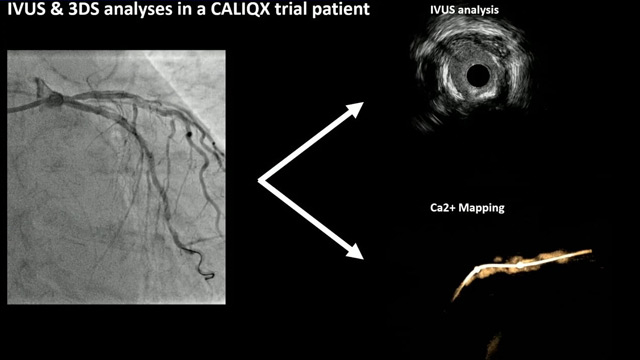
This session offers a comprehensive perspective on publishing in interventional cardiology by aligning the expectations of authors, editors, reviewers, and readers. It addresses differences in paper interpretation, common misalignments between scientific intent and editorial outcomes, and strategies to enhance clarity, relevance, and impact of scientific publications.
Imaging-guided strategy for understanding coronary calcification
21 May 2026 – From EuroPCR 2026
Focusing on coronary calcification, this session teaches the application of CT and intracoronary imaging to characterize calcium patterns, select appropriate modification tools, and assess procedural success. It emphasizes imaging-guided strategies to optimize treatment of calcified coronary lesions.
Identifying and planning protected temporary mechanical circulatory support-based procedures in high-risk patients
21 May 2026 – From EuroPCR 2026
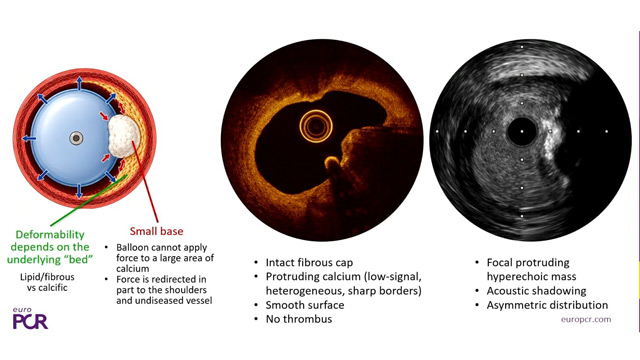
This session provides an in-depth update on protected temporary mechanical circulatory support-based procedures in high-risk cardiac patients. It covers patient identification criteria, device selection, and multidisciplinary planning to optimize outcomes in protected PCI, ventricular ablation, and surgical contexts.
Imaging-guided calcified lesion PCI
21 May 2026 – From EuroPCR 2026
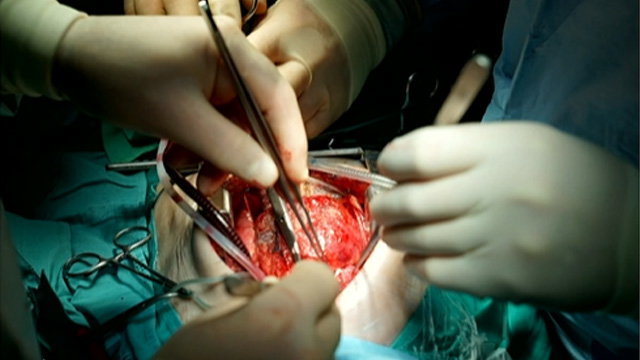
This session presents state-of-the-art imaging-guided interventions for calcified coronary lesions, showcasing modalities such as lithotripsy, rotational atherectomy, and complex calcium modification techniques. It includes case studies highlighting zero-contrast PCI and stenting in challenging anatomies, including left main bifurcation lesions in elderly patients with complex clinical backgrounds.
Haemodynamic support: from shock to complex high-risk interventional problems
21 May 2026 – From EuroPCR 2026
This session examines haemodynamic support from cardiogenic shock through to complex high-risk interventional cardiology procedures. It features registry data, clinical outcomes, and procedural techniques including mechanical circulatory support and arterial access strategies.
Overcoming complications with intracoronary imaging
21 May 2026 – From EuroPCR 2026
Explore challenging cases of intracoronary imaging complications, highlighting recognition, management, and resolution of complex vascular and mechanical issues encountered during coronary interventions.
Aneurysms and fistulas: contemporary approaches
21 May 2026 – From EuroPCR 2026
Focus on contemporary approaches to coronary aneurysms and fistulas, presenting complex interventional techniques and case-based strategies to overcome anatomical challenges and ensure effective treatment.