3628 results for «626»
3628 results
Tailored support for complex PCI and AMI with percutaneous mechanical circulatory support
17 May 2022 – From EuroPCR 2022
Watch this EuroPCR 2022 session, in which Javier Escaned, Florim Cuculi, and Norman Mangner present different cases, to learn how standard operating procedures including mechanical circulatory support improve outcomes in patients with complex coronary lesions, discuss new strategies to overcome ischemic reperfusion lesions using percutaneous mechanical circulatory support,...
Incorporating coronary orbital atherectomy to my practice
18 May 2022 – From EuroPCR 2022
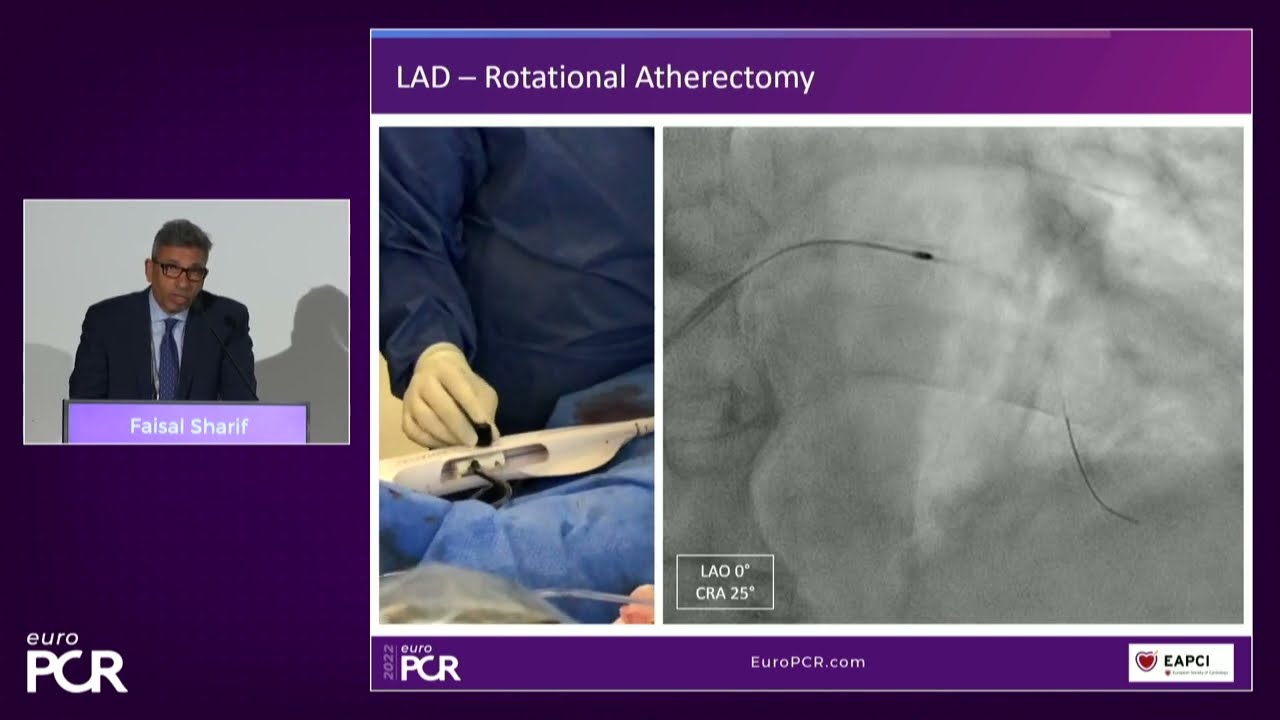
This EuroPCR 2022 session aims to examine the improvement of technology in the treatment of highly calcified coronary lesions: get a practical perspective on how to integrate and perform orbital atherectomy in your clinical practice, become aware of its differential aspects compared to other plaque preparation...
Physiologic guidance and optimisation in multivessel disease
16 May 2023 – From EuroPCR 2023
Follow the case study of this 70-year-old ex-smoker male patient with HTN, dyslipidemia, previous primary PCI to proximal and mid LAD because of anterolateral STEMI, presenting with syncope, and find out, through the debates around his treatment, how to use physiology in 2023.
A stepwise physiological escalation strategy for the optimal management of chronic coronary syndrome in 2023
16 May 2023 – From EuroPCR 2023
In this session focused on epicardial and microcirculatory dysfunction, discuss how to treat both a 72-year-old smoker man with HTN, diabetes, hyperlipidemia, who presented with angina and dyspnea with moderate exertion over the last months, and a 69-year-old ex-smoker man with HTN and untreated LDL 125...
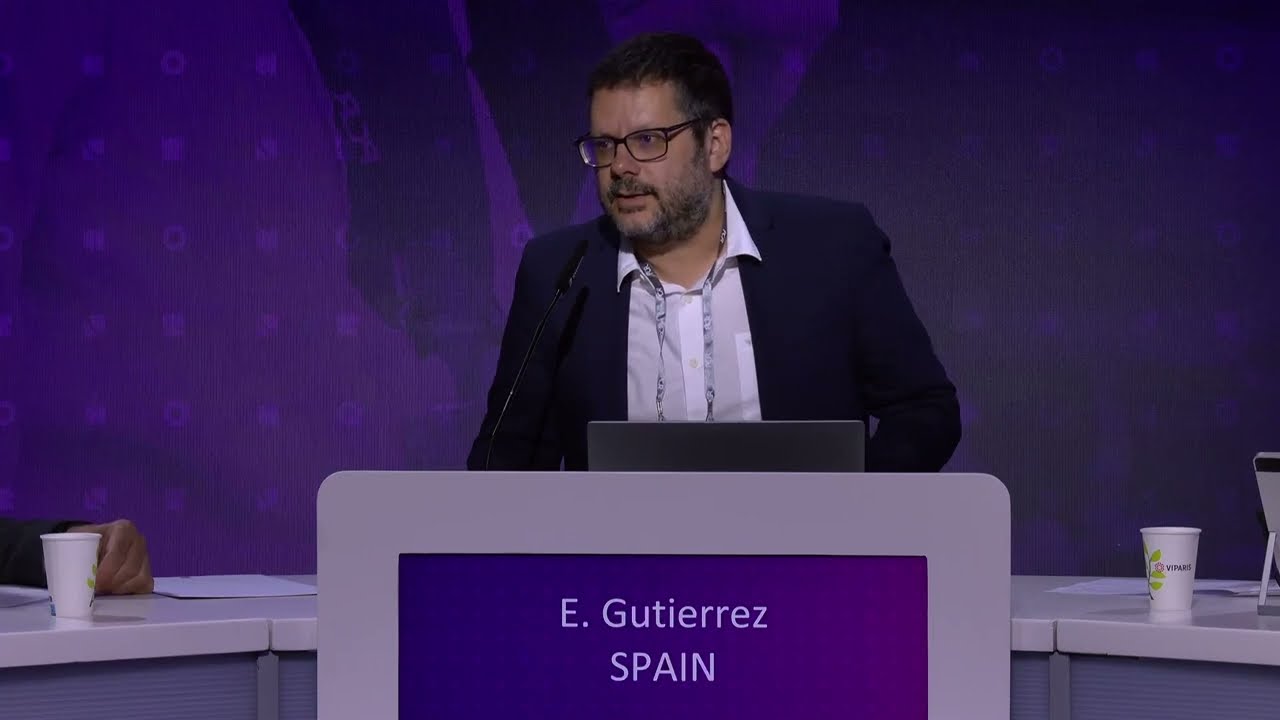
How to optimise high-risk patient outcome?
18 May 2023 – From EuroPCR 2023
This session will enable you to have a look at the best practice approach on high-risk PCI, to learn more about timing of LV unloading in ECMO patients, and to compare revascularization completeness with percutaneous VAD vs IABP.
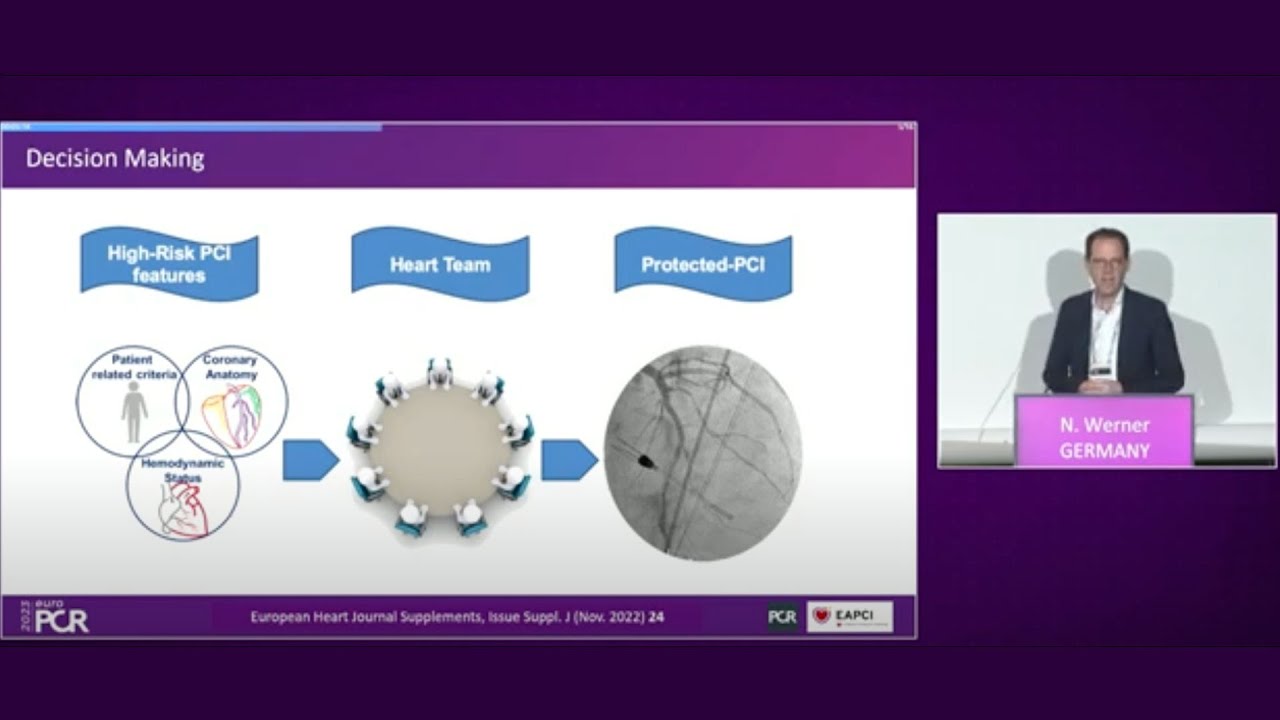
Ultra-low contrast 2021: new skills and technologies for next frontier in PCI
18 May 2021 – From EuroPCR 2021
Watch this video presented by Ziad Ali, Nieves Gonzalo, Alexander Becker, Javier Escaned and Billal Patel in order to understand what's the rationale for ULCPCI, to get an overview of techniques that help you dramatically reduce the contrast dose while performing PCI, and to gain some visibility...
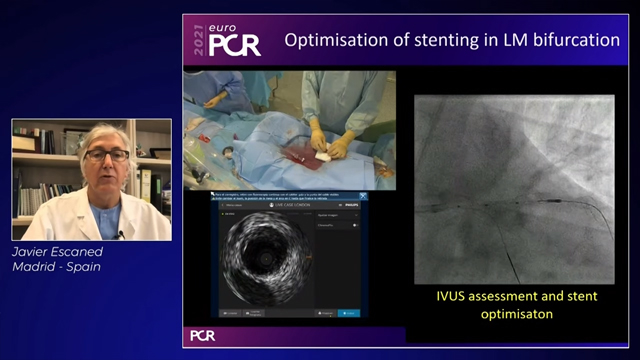
A Cypher implanted 15 years ago
24 May 2019 – From EuroPCR 2019
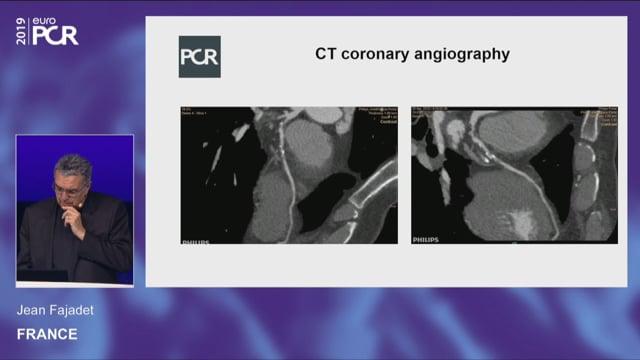
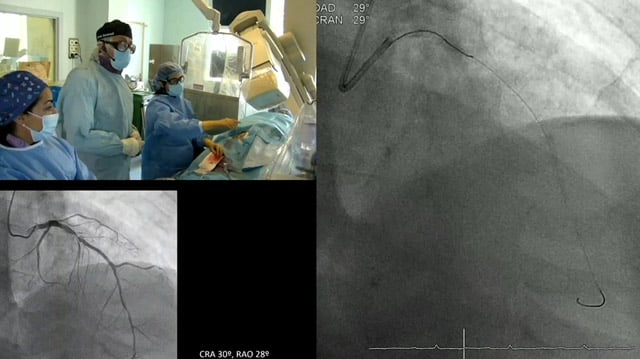
Consult this session to discover a LIVE demonstration from Institut Cardiovasculaire Paris Sud - Massy, France, regarding Cypher implantation. The patient here is a 85 years-old female with a Cypher implanted 15 years ago, presenting now with exertional angina. Angiogram shows long LAD stenosis. Watch the...
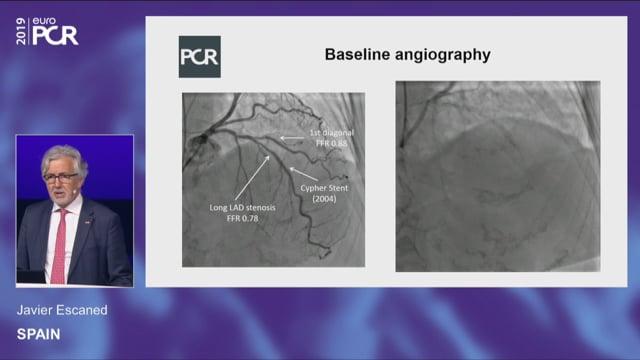
A Medina 0,1,0 lesion
24 May 2019 – From EuroPCR 2019
Ultra-low contrast techniques to improve the safety and quality of PCI in complex and high-risk patients
14 May 2024 – From EuroPCR 2024
Tune in to this session to discover how reducing reliance on contrast opacification enhances procedural safety and enables more thorough revascularization in complex PCI scenarios. Learn that ultra-low contrast (ULC) PCI encompasses various interventional skills and specialized tools, many already familiar to interventional cardiologists. Embrace a...
Angiography-derived physiological assessment of coronary artery stenosis severity and microvascular dysfunctions
18 May 2022 – From EuroPCR 2022
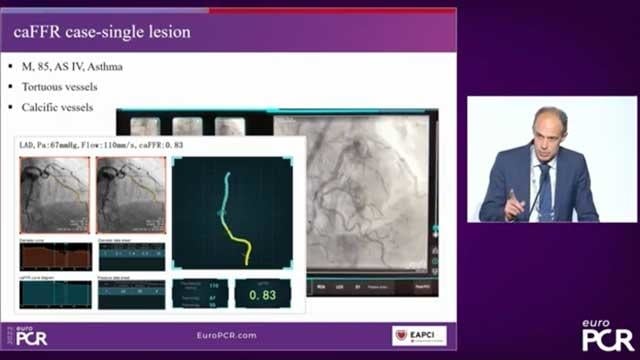
Follow the demonstrations of this EuroPCR 2022 session to understand the principles, clinical value, and applicability of coronary angiography-derived fractional flow reserve (caFFR), to discuss coronary angiography-derived index of microcirculatory resistance (caIMR) in the assessment of epicardial stenosis and coronary microcirculation, and to review data from available trials supporting these new...
Simplifying complex coronary interventions by adopting angiography-based physiology and a healing-targeted DES
19 May 2022 – From EuroPCR 2022
Consult this session to learn how to apply angio-based physiology to optimise patient selection for PCI, to discuss the impact of a healing-targeted DES on outcomes and DAPT duration, as well as to learn about the HT Supreme DES implantations in the (ongoing) QFR-guided, PIONEER IV trial.
How to decrease operator dependence on vessel opacification during PCI? A crash course on ultra-low contrast coronary interventions
17 May 2022 – From EuroPCR 2022
Watch this EuroPCR 2022 session to become aware of the importance of relying on less contrast injections to guide PCI in complex patients, to learn what skills are required and tools available to perform ultra-low contrast coronary interventions, and to share and discuss such a recorded intervention from...
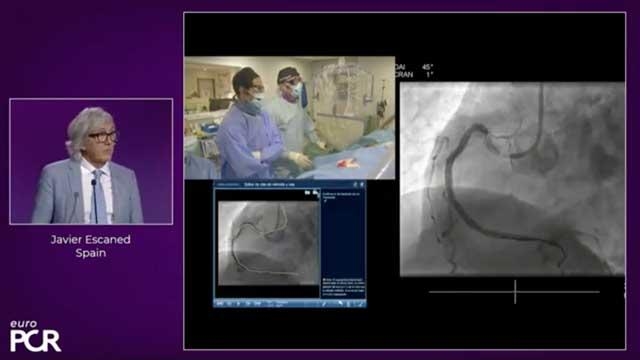
From imaging to intervention: cutting-edge solutions for calcified coronary stenoses management
20 May 2025 – From EuroPCR 2025
Watch this EuroPCR 2025 session on managing calcified coronary stenoses, featuring a recorded live case, two focused lectures, and expert faculty insights. Learn why intravascular ultrasound (IVUS) is essential for assessing lesion severity and morphology, discover how selecting the right calcium modification tools drives procedural success...
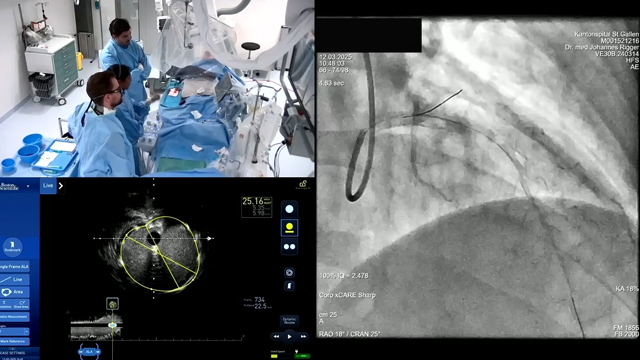
Introducing the next era of coronary intravascular lithotripsy: an aero-volution in calcium modification
27 Feb 2026 – From Euro4C Annual Meeting
Explore the next era of coronary intravascular lithotripsy featuring innovative technology for calcium modification. This session covers the unique mechanism of action, practical application in complex cases, and recent clinical evidence supporting its safety and efficacy.
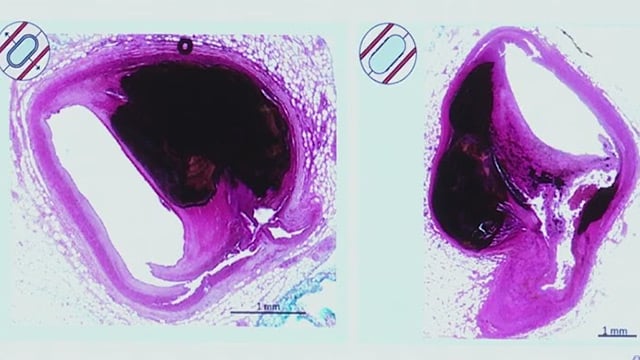
Novel Hertz Contact intravascular lithotripsy: calcium fragmentation with zero trade-offs
27 Feb 2026 – From Euro4C Annual Meeting
This session introduces the novel Hertz Contact intravascular lithotripsy system, designed for effective calcium fragmentation without trade-offs. It covers lesion types amenable to treatment, system mechanism, optimization tips, and discusses real-world cases along with supporting clinical trial evidence.
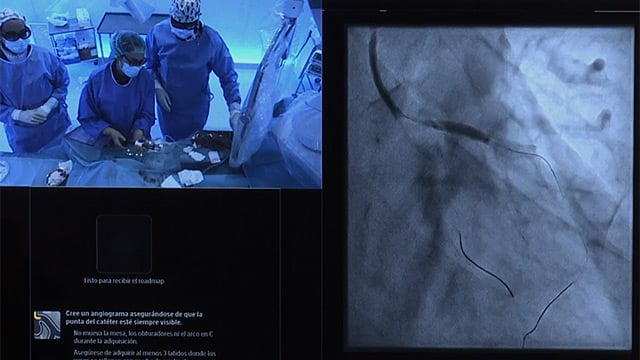
IVUS and NIRS imaging: a pathway to improve outcomes in stable and acute coronary syndromes
19 May 2026 – From EuroPCR 2026
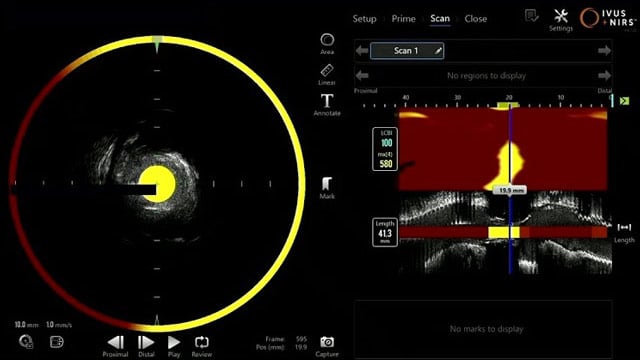
IVUS-guided PCI is well established in complex coronary interventions, but combining it with near-infrared spectroscopy (NIRS) is opening a new dimension by linking vessel geometry with plaque biology.
This EuroPCR 2026session explores how IVUS-NIRS imaging improves PCI planning and risk stratification in both stable and acute coronary...
Angiography-based physiology: time to change your routine clinical practice?
20 May 2026 – From EuroPCR 2026
This session offers a critical appraisal of angiography-based physiology, with a focus on virtual fractional flow reserve (vFFR) technology. It reviews the latest clinical evidence, including insights from the FAST study programme and the FAST III randomised controlled trial. Gain a clear understanding of current guideline...
INOCA in patients with coronary artery disease
21 May 2026 – From EuroPCR 2026
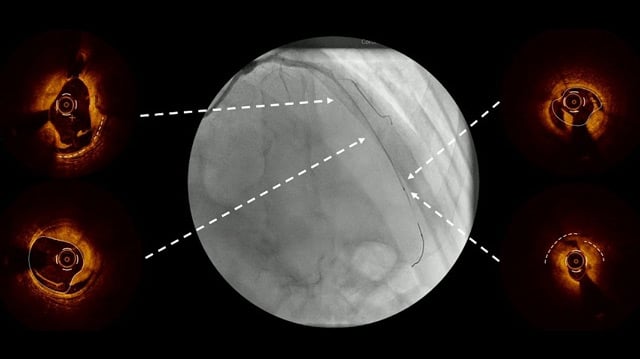
This session focuses on ischaemia with non-obstructive coronary arteries (INOCA) in patients with coronary artery disease. It raises awareness of common clinical presentations, emphasizes accurate diagnosis through functional coronary testing, and discusses how tailored treatment strategies can improve patient outcomes in this frequently under-recognized condition.
Ultra-low contrast PCI - An indispensable toolset in complex coronary interventions and higher-risk patients
17 May 2023 – From EuroPCR 2023
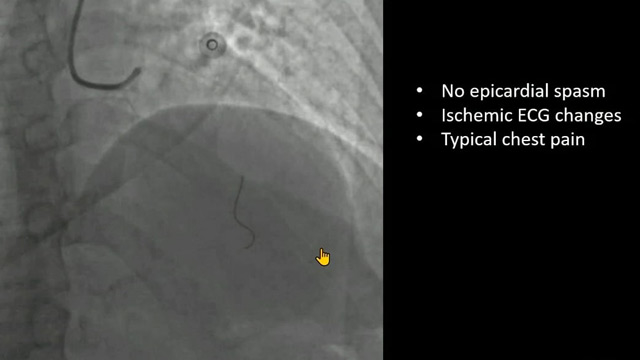
Discover the indispensable toolset of ultra-low contrast (ULC) percutaneous coronary intervention (PCI) in complex coronary interventions and higher-risk patients in this session. Gain a comprehensive understanding of how ULC PCI can enhance the safety and quality of revascularization in complex procedures and learn practical aspects from...
Orbital atherectomy, a versatile tool in managing complex scenarios of vessel calcification
17 May 2023 – From EuroPCR 2023
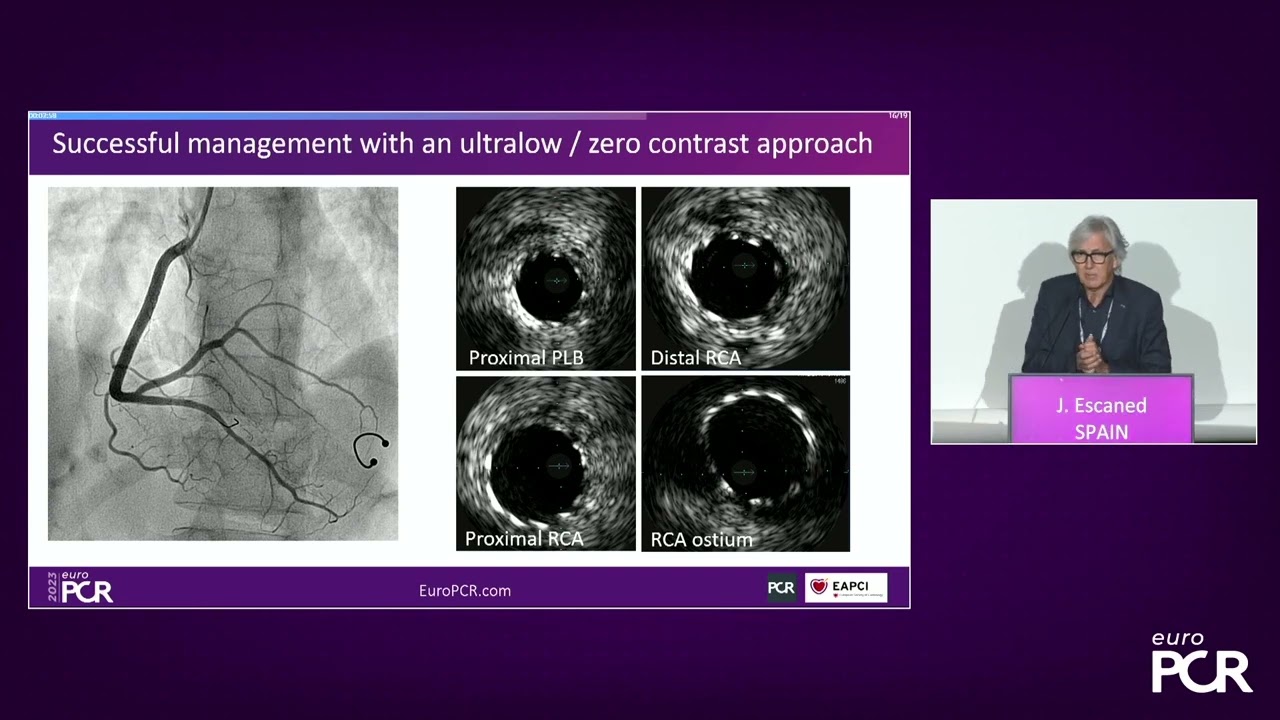
The aim of this session is to address the question of how to optimise outcomes for high-risk patients by analyzing two real-life cases for discussion: a distal calcified left main trifurcation and a high-risk PCI with orbital atherectomy.