3187 results for «7919»
3187 results
Overcoming complex anatomy in NSTEMI
23 May 2025 – From EuroPCR 2025
Explore advanced interventional strategies addressing complex anatomy in NSTEMI patients. This session presents challenging cases including unusual STEMI presentations with cardiogenic shock in Takayasu arteritis, subtotal aorto-ostial lesions in young patients, and management of giant coronary artery aneurysms, emphasizing tailored approaches to optimize outcomes.
Treatment of special anatomical scenarios in STEMI patients
23 May 2025 – From EuroPCR 2025
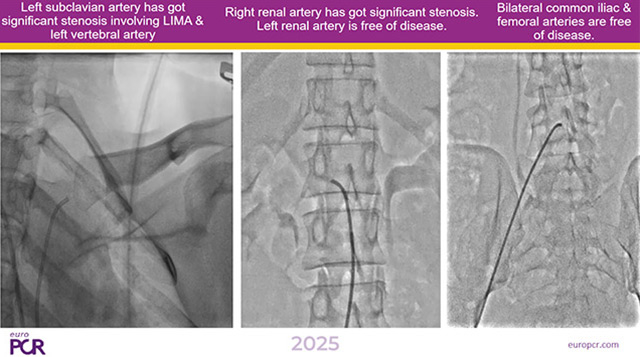
This session examines special anatomical scenarios in STEMI patients, focusing on the impact of bifurcation angles, calcium burden, and active side branch protection techniques. Learn from multicentre registry data and comparative analyses of bifurcation stenting strategies tailored to STEMI care.
TAVI and the left ventricular myocardium
23 May 2025 – From EuroPCR 2025
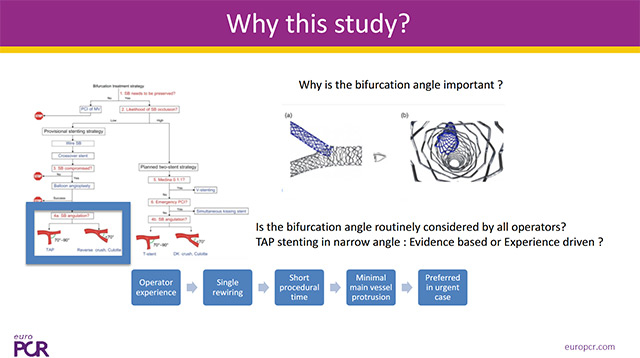
Understand the intricate relationship between TAVI and left ventricular myocardium through discussions on cardiac damage stages, functional remodeling, and pharmacological interventions post-TAVR. This session also reviews prophylactic ECMO support in high-risk patients, offering a comprehensive perspective on optimizing TAVI outcomes.
When strange things happen, CTO and complications
23 May 2025 – From EuroPCR 2025
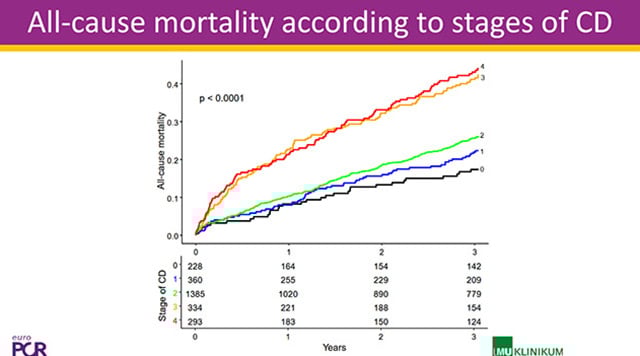
This session addresses complications and unexpected challenges encountered in chronic total occlusion (CTO) interventions. Learn from cases involving retrieval of stuck wires, coronary perforations, and strategies to manage complex and unusual procedural difficulties.
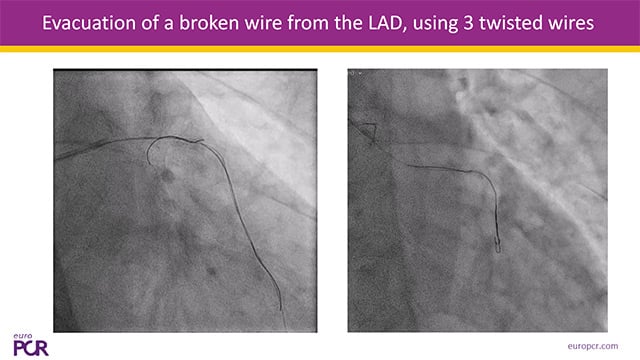
Challenges and complications in coronary interventions
23 May 2025 – From EuroPCR 2025
Discuss real-world challenges and complications in coronary interventions including heavily calcified LAD PCI, cardiac crisis management, and rare intramural hematoma cases. The session emphasizes the importance of IVUS guidance and operator expertise in complex scenarios.
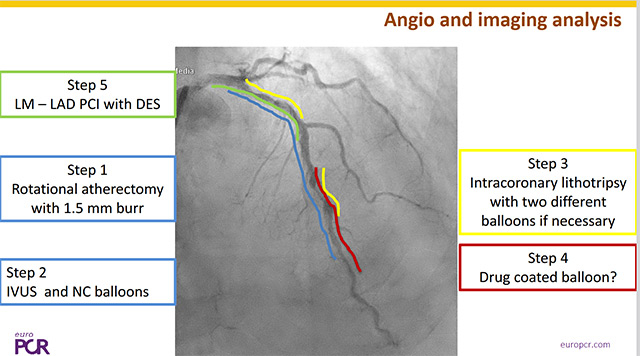
Navigating complexity in high-risk patients with multivessel disease undergoing PCI
23 May 2025 – From EuroPCR 2025
This educational session focuses on navigating the complexities of PCI in high-risk patients with multivessel disease. Learn the roles of imaging and physiology, low-contrast PCI techniques, and optimal strategies for patients with concomitant aortic stenosis, illustrated through detailed case discussions.
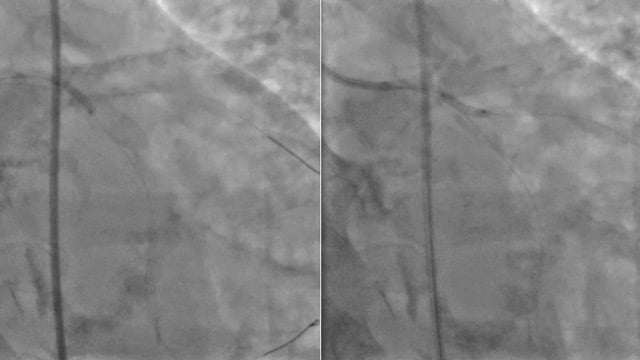
Essential role of imaging in left main PCI
23 May 2025 – From EuroPCR 2025
Discover the essential role of intravascular imaging, particularly IVUS, in guiding left main PCI. Case studies highlight real-time guidance, management of complex bifurcation lesions, and strategies for stent failure, emphasizing imaging's impact on procedural outcomes.
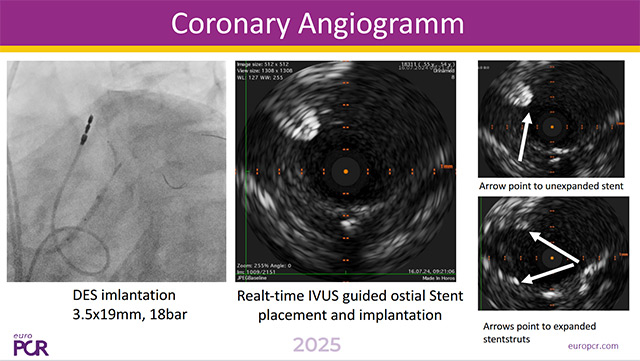
Innovative approaches to refractory heart failure: devices and therapies to the rescue
23 May 2025 – From EuroPCR 2025
This session highlights innovative device-based therapies for refractory heart failure, emphasizing the integration of neuromodulation, decongestive strategies, and the synergy with pharmacological treatments. Case presentations illustrate the evolving landscape of advanced heart failure management.
Management of bifurcations with complex anatomy - part 2
23 May 2025 – From EuroPCR 2025
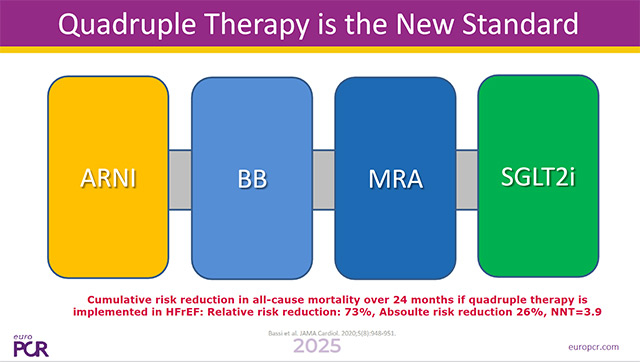
Explore advanced techniques for managing bifurcations with complex anatomy. This session covers novel guidewire penetration methods, cutting balloon fenestration for dissections, rotatripsy for calcified nodules, and precision wiring in challenging left anterior descending artery curves.
How coronary physiology may help in guiding treatment of NSTEMI
23 May 2025 – From EuroPCR 2025
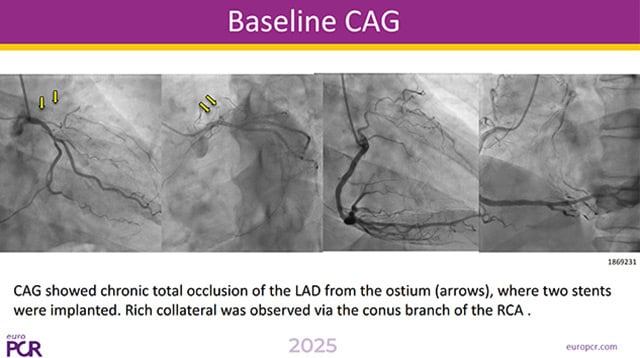
This session explores the utility of coronary physiology in guiding NSTEMI treatment. Topics include ischemia with non-obstructive arteries, QFR quality assessment, FFR-CT impact, revascularization deferral, and sex differences in FFR-guided strategies for acute myocardial infarction with multivessel disease.
Permanent pacing after TAVI
23 May 2025 – From EuroPCR 2025
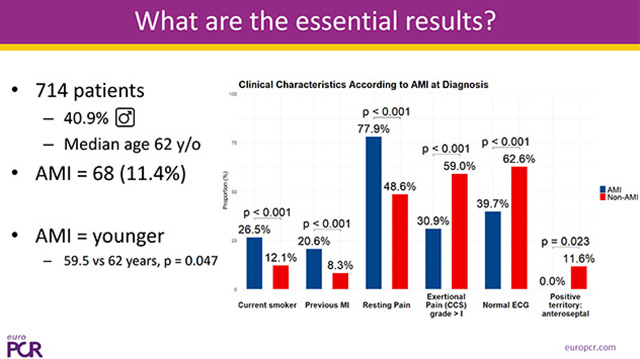
Explore predictors and mechanisms leading to permanent pacemaker implantation after TAVI. This session reviews electrophysiological intervals, atrial pacing markers, anatomical risk factors, and outcomes associated with new generation transcatheter heart valves.
Advanced tools for the diagnosis of coronary artery disease
22 May 2025 – From EuroPCR 2025
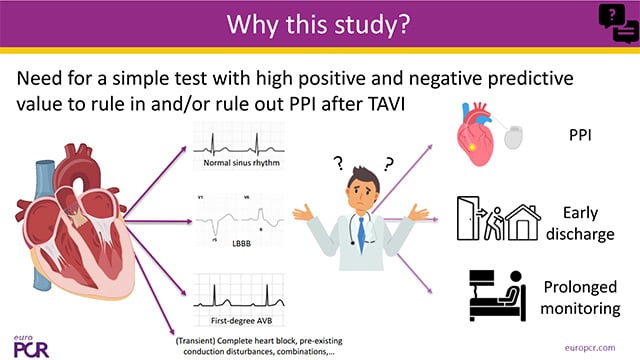
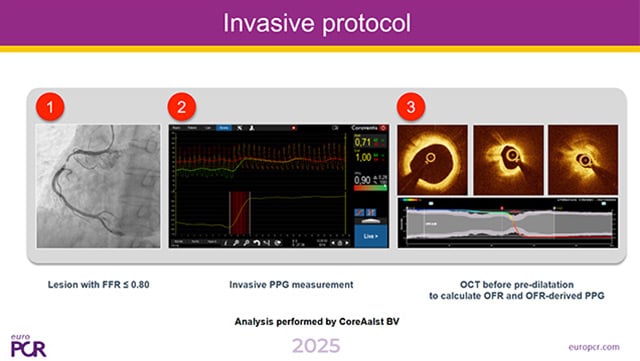
This session highlights advanced diagnostic tools for coronary artery disease, focusing on innovative pressure gradient assessments, computed tomography perfusion accuracy in stented patients, head-to-head comparisons of IQ-FFR with invasive FFR, and comprehensive evaluations of coronary physiology and plaque vulnerability derived from angiography.
Optimising TEER in challenging anatomies
22 May 2025 – From EuroPCR 2025
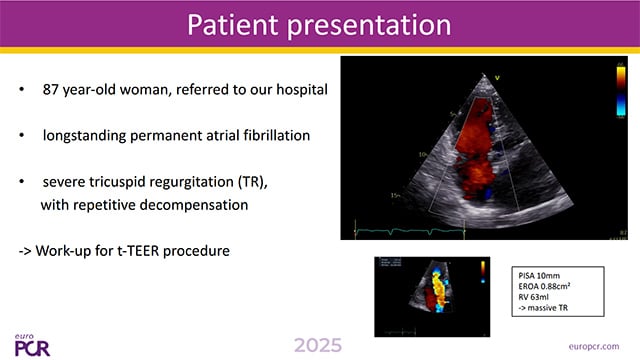
Optimize transcatheter edge-to-edge repair (TEER) strategies in challenging anatomies with focus on tricuspid valve interventions, recognition of multivalvular disease, and planning combined mitral and tricuspid TEER procedures. Case studies highlight feasibility challenges and dual valve repair approaches.
Challenges and risks of percutaneous treatment of calcified lesions
22 May 2025 – From EuroPCR 2025
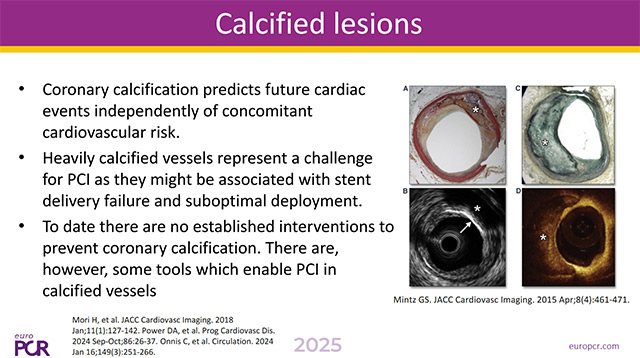
Learn how to effectively manage calcified coronary lesions and their associated risks in this focused session. Understand the critical role of plaque modification and intravascular imaging, and gain insights into addressing stent thrombosis following interventions on calcified lesions through detailed case analyses.
New frontier in renal denervation: data, devices and developments
22 May 2025 – From EuroPCR 2025
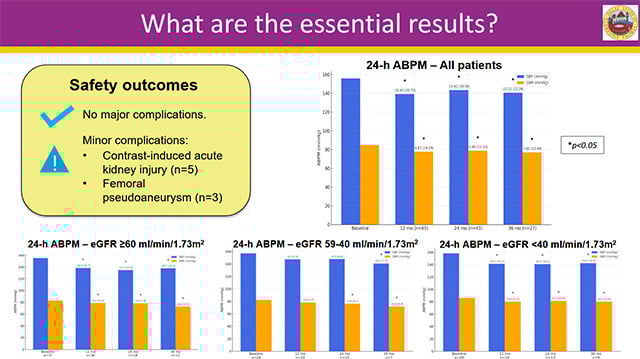
Advance your understanding of renal denervation with the latest data, innovative devices, and emerging developments. This session reviews the 12-month results of the REDUCED 1 trial evaluating the TIVUS system, explores safety and efficacy of novel renal stimulation techniques, and presents outcomes from registries including patients...
Advancing knowledge and innovations in peripheral interventions
22 May 2025 – From EuroPCR 2025
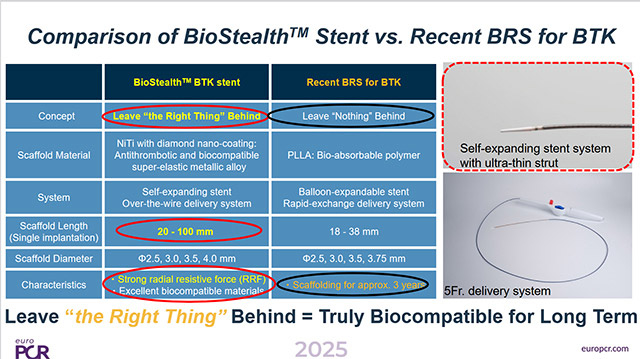
Expand your expertise in peripheral interventions with a focus on recent innovations and clinical insights. This session covers pre-clinical results of a novel Hybrid Drug-Eluting Stent for below-the-knee arteries, the prognostic impact of proteinuria in LEAD patients with chronic kidney disease, beta-blocker therapy effects post-frozen elephant...
Optimised patient selection for carotid artery stenting
22 May 2025 – From EuroPCR 2025
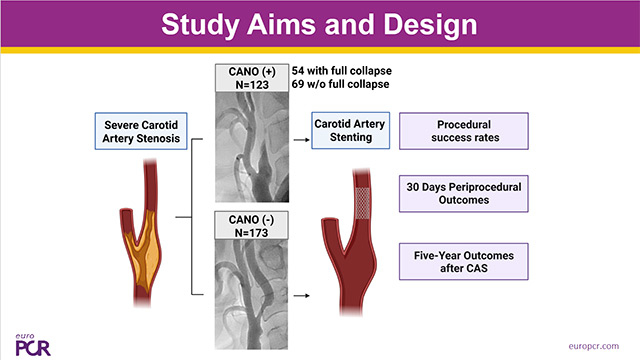
Optimize patient selection for carotid artery stenting with this session that highlights personalized approaches to ischaemic stroke treatment. Review bioactive stents versus endovascular therapy, feasibility and outcomes in near-occlusion cases, and long-term retrospective analyses supporting carotid stenting as a strategic ally in embolic stroke management.
LAA closure in challenging scenarios
22 May 2025 – From EuroPCR 2025
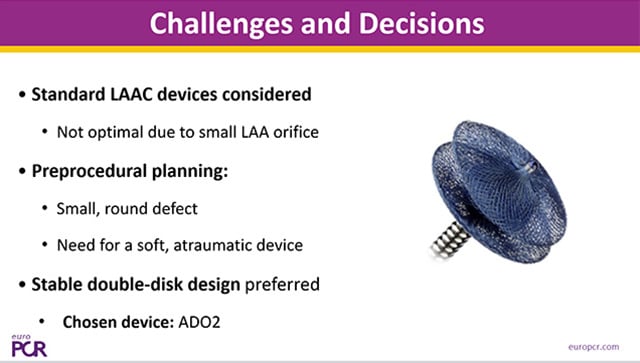
This session addresses the complexities of left atrial appendage (LAA) closure in challenging anatomical and clinical scenarios. Learn from compelling cases including management of incomplete surgical LAA ligation, closure of large and complex peridevice leaks, and navigating difficult anatomy in elderly patients. Emphasizing innovative techniques and...
Contemporary outcomes of PCI patients
22 May 2025 – From EuroPCR 2025
Examine contemporary outcomes in PCI patients through a collection of studies addressing angiographic complication incidences, safety of same-day discharge post-complex PCI, age-related outcome impacts in TAVI patients, and comparative long-term antiplatelet strategies. The session also explores timing effects in routine versus off-hours PCI.

Anatomy, physiology and clinical judgment: insights from contemporary strategies to guide PCI
22 May 2025 – From EuroPCR 2025
Discover contemporary strategies integrating anatomy, physiology, and clinical judgment to guide percutaneous coronary intervention (PCI). This session explores the impact of stress cardiovascular magnetic resonance in primary prevention, viability-guided PCI, and physiology-based decision-making including quantitative flow ratio (QFR). Learn about identifying patients at risk for major...