3173 results for «3447»
3173 results
Updates in transcatheter MVR
21 May 2025 – From EuroPCR 2025
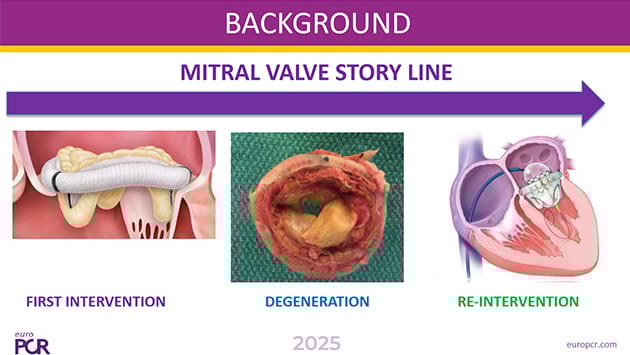
This session provides a detailed overview of recent advances in transcatheter mitral valve replacement (TMVR). Examine outcomes from next-generation transcatheter heart valves, long-term clinical data from mitral valve-in-valve and valve-in-ring procedures, and explore innovative approaches including transseptal MVR with insights from global studies.
Cathlab harmony: building high-performance teams
21 May 2025 – From EuroPCR 2025
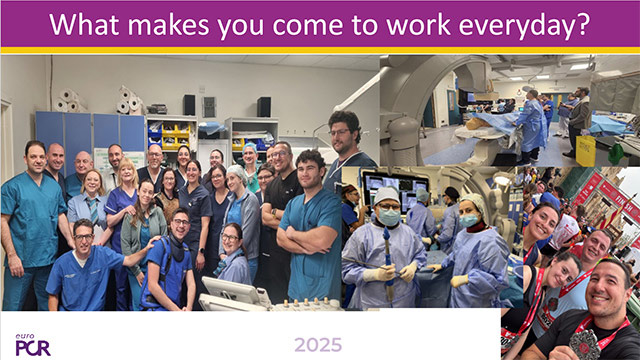
Discover strategies to build and maintain high-performance teams in the cathlab environment. This session outlines how to foster a collaborative culture, address toxic behaviors, and effectively train and integrate team members to enhance teamwork and procedural success in cardiovascular interventions.
Management of high-risk left main lesion
21 May 2025 – From EuroPCR 2025
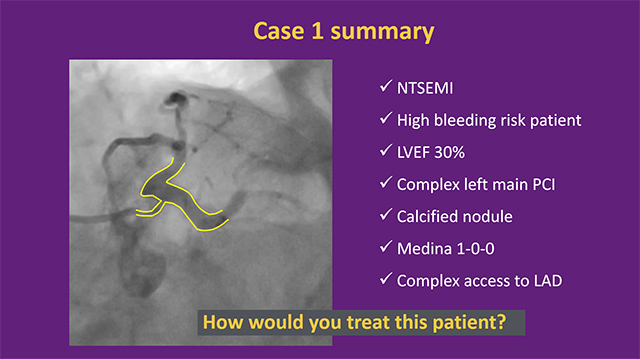
Focus on managing high-risk left main coronary lesions with this session featuring complex cases such as thrombotic lesions, calcified distal left main PCI with orbital atherectomy and IVUS guidance, and advanced stenting techniques. Learn practical approaches for challenging anatomical and clinical scenarios to optimize patient outcomes.

Which valve is best for my patient?
21 May 2025 – From EuroPCR 2025
This session guides clinicians in selecting the most appropriate transcatheter aortic valve tailored to individual patient characteristics. Through diverse case discussions, including patients with coronary artery disease, small anatomies, bicuspid valves, and surgical bioprostheses, it elucidates decision-making processes and planning for complex TAVI anatomies.
Current DCB practice: from lesion preparation to follow-up
21 May 2025 – From EuroPCR 2025
Explore current best practices in drug-coated balloon (DCB) angioplasty from lesion preparation to follow-up. This session discusses common indications, management of dissections and complications, and shares practical tips and case examples, equipping clinicians with comprehensive knowledge to optimize DCB use in contemporary PCI.
TAVI for asymptomatic aortic stenosis after EARLY TAVI - TAVI and coronary artery disease after NOTION-3
21 May 2025 – From EuroPCR 2025
Critically assess the clinical implications of the EARLY TAVI and NOTION-3 trials with a focus on asymptomatic aortic stenosis and concomitant coronary artery disease. This session integrates recent evidence into patient-centered care pathways, offering case-based insights for optimizing timing and management strategies in TAVI patients.
How are we going to treat these sick patients presenting with pulmonary embolism?
21 May 2025 – From EuroPCR 2025
Address the urgent clinical question of how to treat patients presenting with pulmonary embolism across varying risk profiles. This session covers risk stratification and discusses interventional treatment options through detailed case analyses of intermediate and high-risk patients, providing practical guidance for individualized management.
TAVI in challenging anatomical situations
21 May 2025 – From EuroPCR 2025
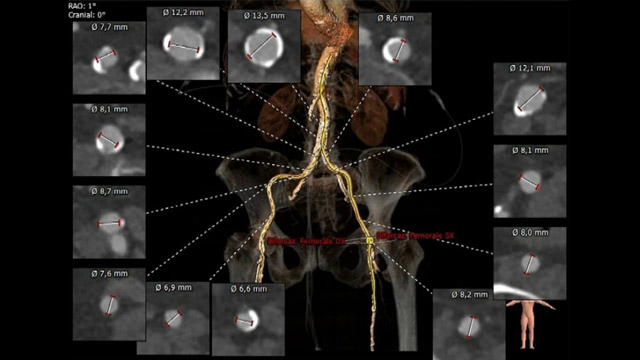
Delve into the latest advancements in TAVI for challenging anatomical situations. This session features insights from the NORTHOSTAVI registry, transcaval TAVI experiences, early discharge protocols following alternative access, and the application of intravascular lithotripsy to enable safe transfemoral valve replacement.
Critical limb ischaemia below the knee treatment
21 May 2025 – From EuroPCR 2025
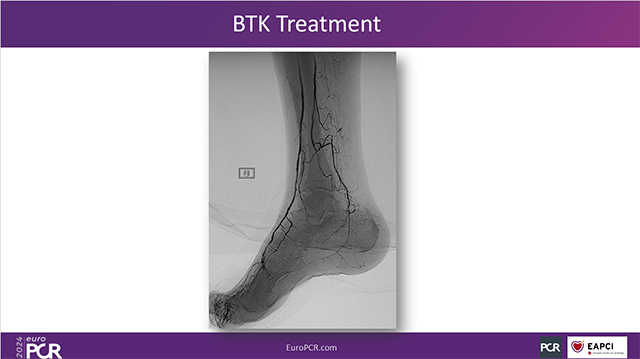
This session focuses on advanced techniques for treating critical limb ischaemia below the knee. Understand how to select wires for antegrade recanalisation, the role and timing of retrograde access, and the potential benefits of drug-coated balloons in below-the-knee angioplasty.
Transcatheter tricuspid valve replacement in the real world: current data and outcomes
21 May 2025 – From EuroPCR 2025
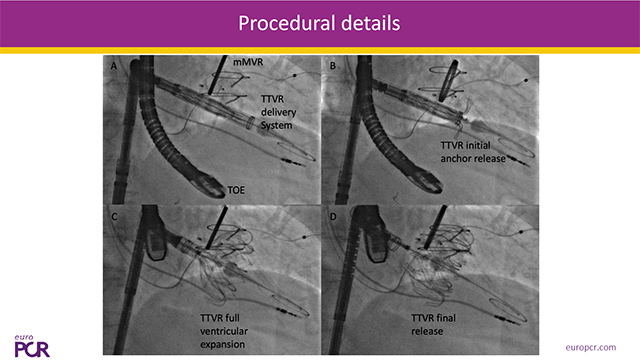
Explore current real-world data and outcomes of transcatheter tricuspid valve replacement (TTVR). This session reviews UK single-centre experiences, registry data, long-term right ventricular remodeling effects, safety in pacemaker patients, and AI-based CT screening for patient selection.
Enhancing knowledge in diagnosis ANOCA
21 May 2025 – From EuroPCR 2025
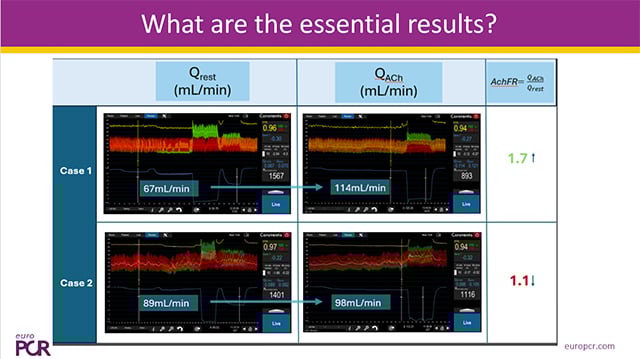
Enhance your understanding of the diagnosis of ANOCA through advanced diagnostic techniques. Topics include coronary endothelial function assessment, exercise stress testing for microvascular dysfunction, acetylcholine-induced coronary responses, and the clinical implications of myocardial bridge in provocative testing.
My worst PCI complication: how did I treat and could I have prevented it?
21 May 2025 – From EuroPCR 2025
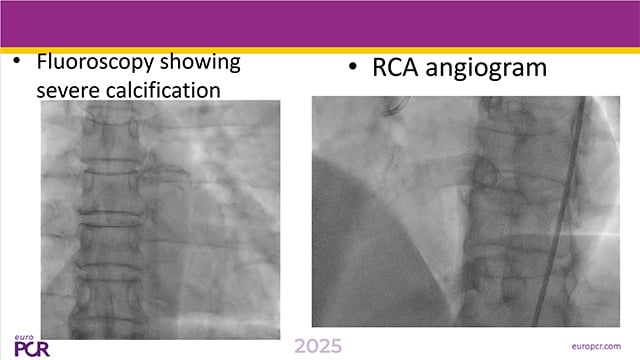
Learn practical strategies to manage life-threatening PCI complications through real case studies. This session highlights techniques and devices employed to overcome complications, preventive measures, and safe outcome optimization during complex interventions.
Managing challenging vasculature to successfully deliver TAVI
21 May 2025 – From EuroPCR 2025
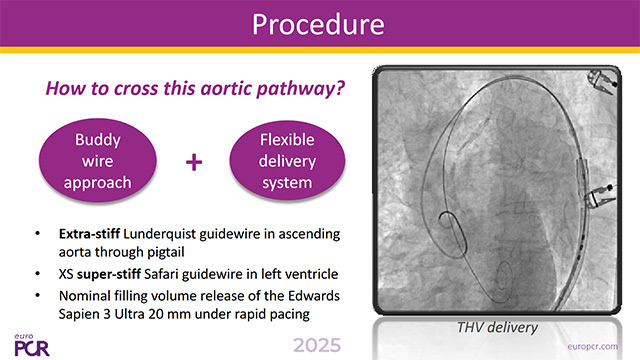
This session addresses the challenges of delivering TAVI in patients with complex vascular anatomy. Explore expert strategies for performing TAVI post-coarctation surgery, valve-in-valve procedures, and managing difficult aortic arch anatomies including bicuspid valves with large annuli and tortuous vessels.
Coronary scaffolds: new developments and applications
21 May 2025 – From EuroPCR 2025
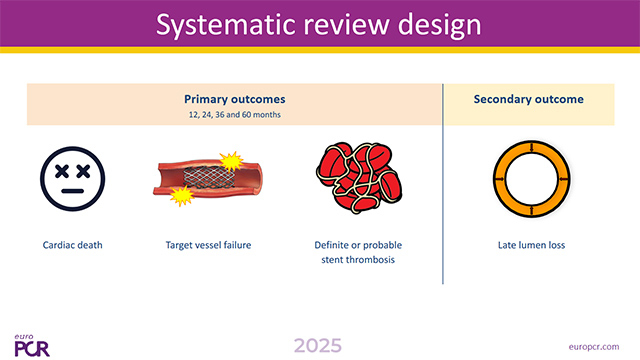
Stay informed on advancements in coronary scaffolds with this session reviewing new developments and applications. Topics include comparative performance of magnesium-based bioresorbable stents, long-term clinical outcomes from the BIOMAG-I and FANTOM BRS studies, and real-world experiences with next-generation thin-strut scaffolds.
Novel devices for edge-to-edge mitral repair
21 May 2025 – From EuroPCR 2025
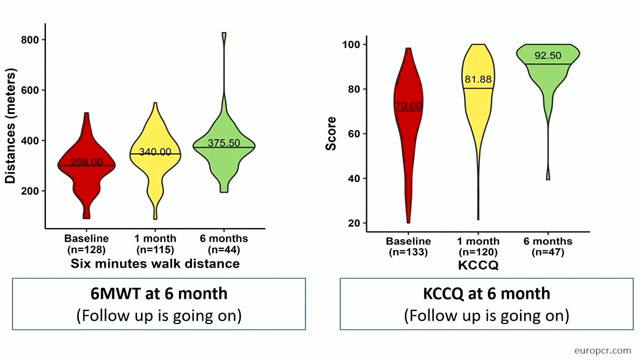
Discover novel devices advancing transcatheter edge-to-edge mitral valve repair (TEER). This session presents clinical experiences with cost-effective and uniquely designed TEER systems for patients with degenerative mitral regurgitation and heart failure, including first-in-man applications and case series demonstrating safety and efficacy.
Mitral TEER in challenging scenarios - Part 2
21 May 2025 – From EuroPCR 2025
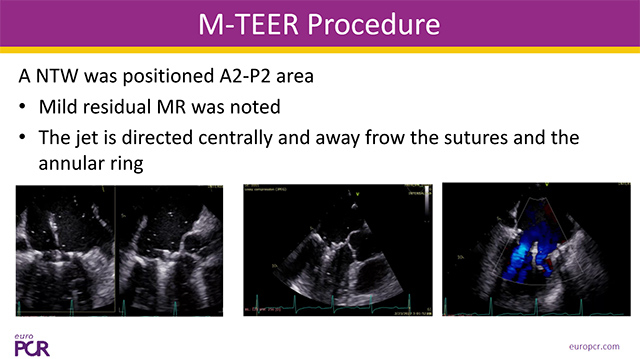
This session focuses on challenging scenarios encountered during mitral transcatheter edge-to-edge repair (TEER). Learn about management of complications such as haemolysis, device malfunctions, and complex vascular access issues, supported by instructive case presentations including bailout strategies in cardiogenic shock and infective endocarditis.
DCB PCI: are we ready for complex de novo lesions?
21 May 2025 – From EuroPCR 2025
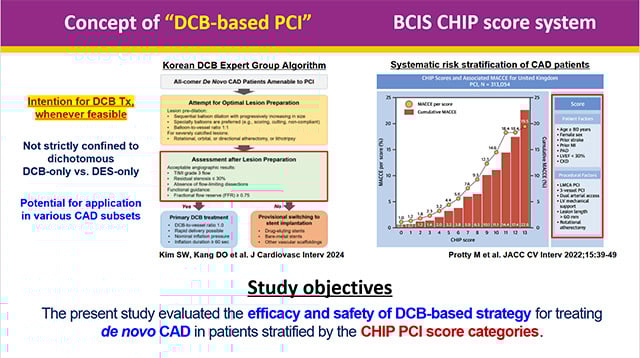
Evaluate the readiness of drug-coated balloon (DCB) therapy for complex de novo coronary lesions. This session reviews comparative outcomes of DCB versus drug-eluting stents (DES) across CHIP risk categories, impacts of diabetes, long-term follow-up data in calcified lesions and left main bifurcations, and treatment of in-stent...
Imaging-based strategies for complication management in STEMI
21 May 2025 – From EuroPCR 2025
Discover imaging-based strategies to manage complications during STEMI interventions. This session discusses diagnostic clues such as spasm, stuck devices, and slow flow, and illustrates complex scenarios including extreme stent challenges and application of CTO techniques to STEMI cases for optimized outcomes.
Unconventional situations and complications during cardiovascular interventions
21 May 2025 – From EuroPCR 2025
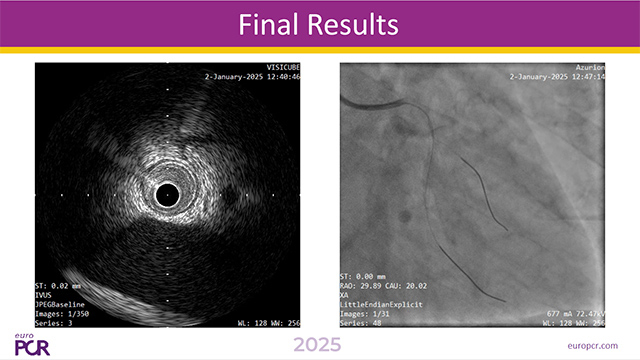
Explore this session to gain expert tips and practical strategies for managing unexpected complications during cardiovascular interventions. Learn how to anticipate and avoid complications in conventional procedures and discover different approaches to tackle challenging situations in the cathlab through detailed case discussions involving PCI, TAVI, and...
How complex left main intervention can be?
21 May 2025 – From EuroPCR 2025
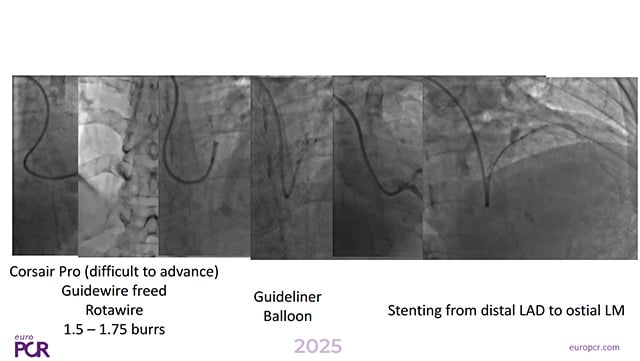
Stay updated on the complexities of left main coronary artery interventions with this comprehensive session. Delve into the latest guidelines and trial data for 2025, understand the meticulous preparation and advanced techniques involved, and examine potential adverse effects and complications through real-world complex case scenarios.