3190 results for «806»
3190 results
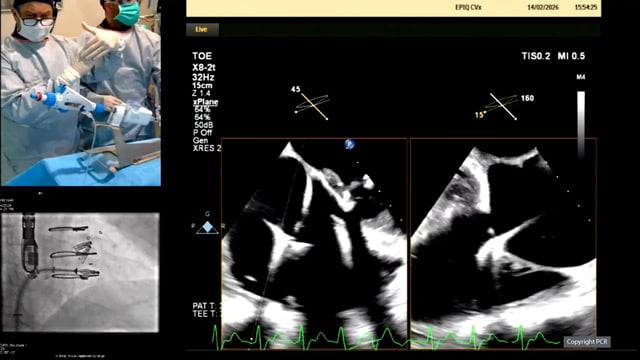
TEER in complex tricuspid regurgitation - LIVE case
14 Feb 2026 – From PCR Tokyo Valves 2026
A 79-year-old male with permanent AF, prior colorectal and prostate cancer, and a Mosaic bioprosthetic mitral valve implanted in 2016, presented with torrential tricuspid regurgitation and preserved LV function.
Three G5 clips were implanted: two anteroseptal (1 XTW and 1 XT) and one posteroseptal XTW.
LIVE Educational Case...
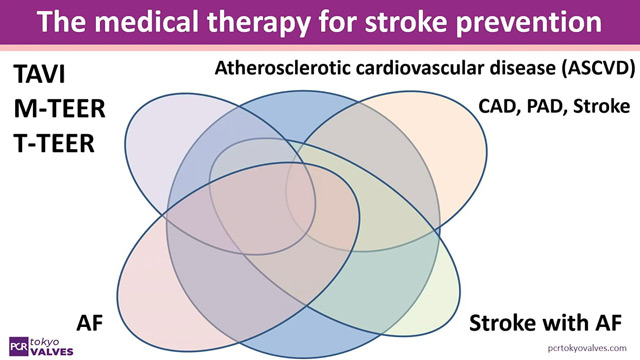
Hot topics and evidence on structural interventions in 2025 and 2026
14 Feb 2026 – From PCR Tokyo Valves 2026
Delve into the emerging clinical evidence and key hot topics shaping transcatheter interventions for aortic, mitral, and tricuspid valve diseases anticipated to influence clinical practice in 2025 and 2026. This session reviews stroke prevention, valve interventions across the three valves, and integrates recent and upcoming data...
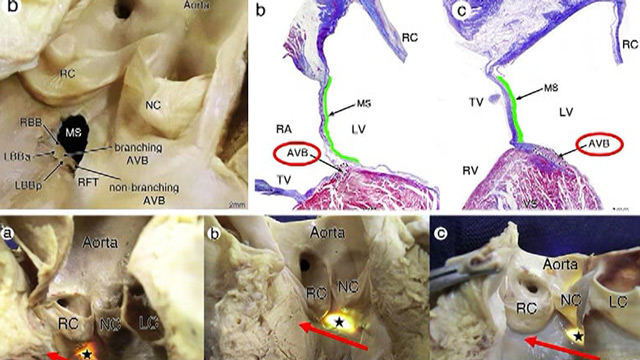
Prevention and management of TAVI complications
14 Feb 2026 – From PCR Tokyo Valves 2026
This session addresses the prevention and management of major complications associated with transcatheter aortic valve implantation (TAVI). Attendees will gain a detailed understanding of mechanisms behind cerebral infarction, haemolysis, valve infolding, pacemaker implantation, and valve migration, along with expert strategies for recognition, decision-making, and bailout techniques...
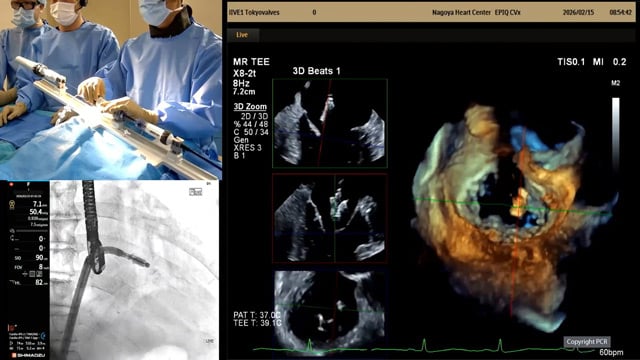
Primary mitral TEER in small anatomy - LIVE case
15 Feb 2026 – From PCR Tokyo Valves 2026
An 89-year-old male with diabetes mellitus, hypertension, chronic kidney disease (eGFR: 46), and CAD with a history of NSTEMI and CTO of the RCA, presented with symptomatic primary mitral regurgitation (P1–P2 prolapse) and preserved LV function (56%).
One Pascal ACE device was implanted.
LIVE Educational Case from Nagoya...
Guidelines update
15 Feb 2026 – From PCR Tokyo Valves 2026
This session reviews the latest updates in the ESC/EACTS guidelines for structural heart disease, emphasizing their clinical implications and future trends. Participants will gain understanding of changes in aortic, mitral, and tricuspid valve recommendations, including new age cutoffs, asymptomatic disease management, and the evolving role of...
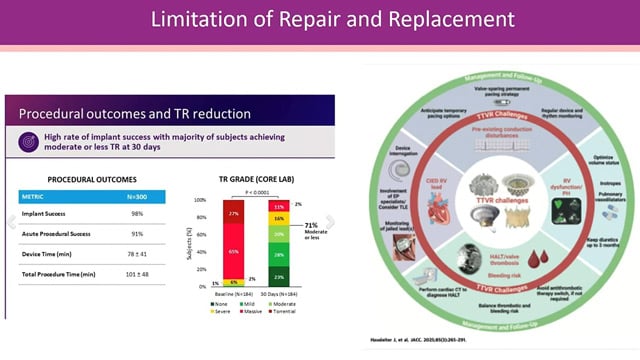
Future devices and techniques for structural heart disease
15 Feb 2026 – From PCR Tokyo Valves 2026
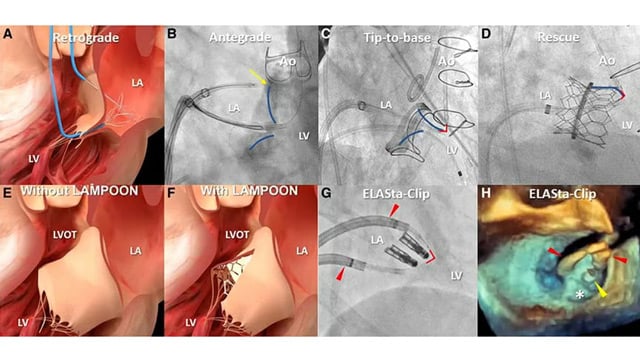
This session surveys the future landscape of structural heart disease treatment, addressing current limitations in transcatheter valve technologies and presenting emerging devices and techniques for aortic, mitral, and tricuspid valves. Attendees will gain insights into innovations poised to transform therapeutic options for structural heart disease.
A new meta-analysis supports elective revascularization and medical therapy for reducing cardiac death
18 May 2021
The ISCHEMIA trial found no significant difference between an invasive vs. a conservative strategy in patients with chronic coronary syndromes and moderate to severe ischemia at a mean of 3.2 years. However, the cumulative difference in the estimates of cardiac death between the invasive and conservative...

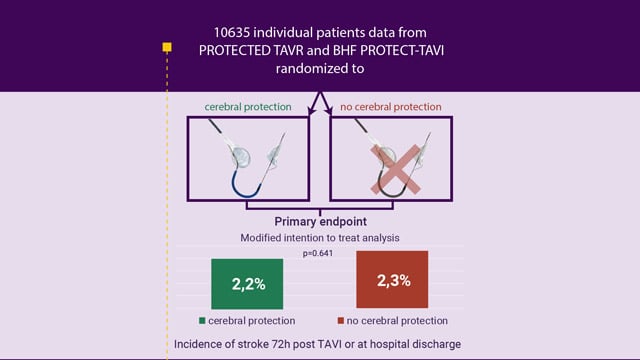
EuroPCR 2025 – Meta-Analysis of Individual Patient Data from the PROTECTED TAVR and BHF PROTECT-TAVI Trials
21 May 2025
Paris, France, 20-23 May 2025. The EuroPCR Course Directors have selected 3 major late-breaking trials that will be presented for the first time during the 2025 edition of EuroPCR. These trials were selected because of their design, results, and potential to impact practice, among which is the...
IVUS-guided versus angiography-guided PCI in unprotected left main coronary artery disease – The OPTIMAL trial
31 Mar 2026
Ali Nazmi Calik provides his take on the results of the OPTIMAL trial presented by Adrian Banning at ACC.26 in New Orleans.

Author
Drug-coated balloon (DCB) technology: A pioneer’s view of the historical evolution and future directions
08 Jan 2025
In this article, Bruno Scheller explores advances in local drug delivery, from drug-coated balloons to novel antiproliferative agents. These innovations aim to reduce restenosis, minimize permanent implants, and pave the way for patient-specific coronary artery disease treatments.

Author