


205 results
Learn the procedure technique - Lifetime management of aortic stenosis therapy with self-expandable valve
18 Feb 2024 – From PCR Tokyo Valves 2024
In this session, learn all about the excellent characteristics of the latest self-expandable valve system and its use during the lifetime management of aortic stenosis therapy. Find out more about how we can effectively and safely perform procedures for various cases with the latest self-expandable valve,...

TAVI in bicuspid anatomy
18 Feb 2024 – From PCR Tokyo Valves 2024
Delve into the complexities of TAVI within bicuspid anatomy through this selection of cases: learn about the challenges and techniques involved in overcoming the horizontal aorta, explore how to size the transcatheter aortic valve in severely calcified bicuspid anatomy, and more!

Tricuspid and other structural interventions
18 Feb 2024 – From PCR Tokyo Valves 2024
In this series of submitted cases, explore challenges and bailouts around tricuspid valve intervention and other forms of structural interventions. Learn about a percutaneous solution to acute traumatic pulmonary regurgitation, a rare complication of inadequate sealing caused by anchor slip through the fabric part in a...
Rapid-fire - Complex procedure in TAVI - Part 2
18 Feb 2024 – From PCR Tokyo Valves 2024
In the second part of this rapid-fire session, we continue to focus on complex cases that might arise during TAVI, such as a case of prosthetic aortic valve endocarditis resulting in cardiogenic shock, treatment of severe AR after infective endocarditis, and more!
Rapid-fire - Complications of Mitral TEER - Part 2
18 Feb 2024 – From PCR Tokyo Valves 2024
Gain valuable insights into the possible complications of Mitral Transcatheter Edge-to-Edge Repair (TEER) in the second part of this session rapid-fire submission cases [in Japanese].
Nightmares in TAVI: sharing solutions together
18 Feb 2024 – From PCR Tokyo Valves 2024
Consult this session to learn more about bailout techniques for TAVI during uncommon complications, such as late coronary obstruction post-TAVI, a migrated self-expandable valve, or a C-tab induced iatrogenic thoracic aortic dissection after Evolut FX implantation.
Imaging for aortic valve disease
18 Feb 2024 – From PCR Tokyo Valves 2024
Learn about imaging of the aortic valve system in order to better deal with aortic valve disease. Through this series of cases, explore topics such as the impact of implantation depth relative to membranous septum on TAVI outcomes, delve into a meta-analysis exploring the outcomes of...
Rapid-fire - Pulmonary and tricuspid valve implantation
18 Feb 2024 – From PCR Tokyo Valves 2024
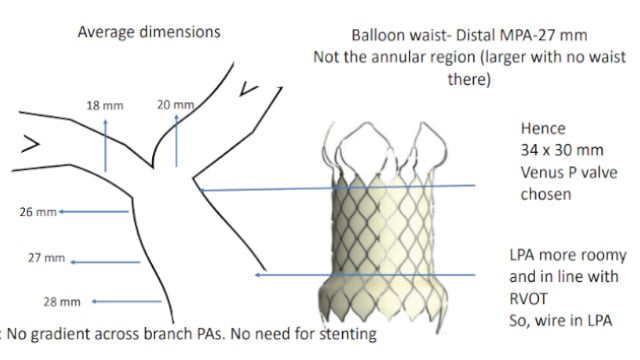
In this series of rapid-fire case submissions, gain insight into pulmonary and tricuspid valve implantation. This session explores cases such as a pulmonary valve-in-valve procedure, dealing with tissue valve degeneration, and valve implantation in a calcified RV-PA conduit.
Recorded case demonstration in TAVI and Mitral
17 Feb 2024 – From PCR Tokyo Valves 2024
This session of record case demonstrations aims to better understand daily clinical practice in TAVI and MitraClip, as well as helping to resolve daily clinical questions in structural heart disease interventions. [In Japanese]
TAV-in-TAV and coronary access
17 Feb 2024 – From PCR Tokyo Valves 2024
Learn about the challenges of coronary access during TAV-in-TAV procedure through this series of abstract submissions for PCR Tokyo Valves 2024. Expore the feasibility of redo TAVR in Sapien valves based on in-vivo CT assessment, examine the coaxiality of transcatheter aortic self-expanding valve, and more in...