Iqbal Malik
Latest contributions
Optimising TAVI care pathways
21 May 2026 – From EuroPCR 2026
This session examines innovations in TAVI care pathways aimed at improving patient outcomes and healthcare efficiency. Topics include large-scale transatlantic data on day-case TAVI, standardized ECG conduction algorithms reducing hospital stay, nurse-led structured pathways, feasibility of very early discharge, and urgent outpatient TAVI for severe aortic...
Featured research - TAVI - Part 13
18 Nov 2025 – From PCR London Valves 2025
This session delves into key clinical and procedural advances in TAVI, including the randomized PAF-TAVI trial assessing amiodarone for preventing post-TAVI atrial fibrillation, cost comparisons of balloon-expandable tissue preservation valves versus other devices, leaflet modification methods to reduce coronary obstruction risk, optimization techniques for valve-in-valve TAVI...
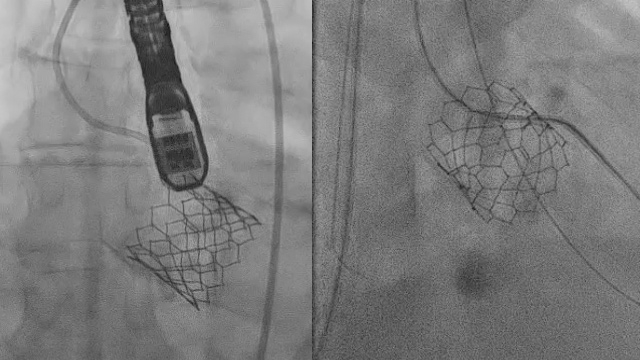
TAVI: unusual complications - Part 2
17 Nov 2025 – From PCR London Valves 2025
This session reviews unusual and severe complications encountered during TAVI procedures, such as aorto-right ventricular fistula, ventricular perforation, and sinus of Valsalva rupture. It highlights percutaneous treatment successes and endovascular interventions, offering critical insights into managing life-threatening procedural complications effectively.
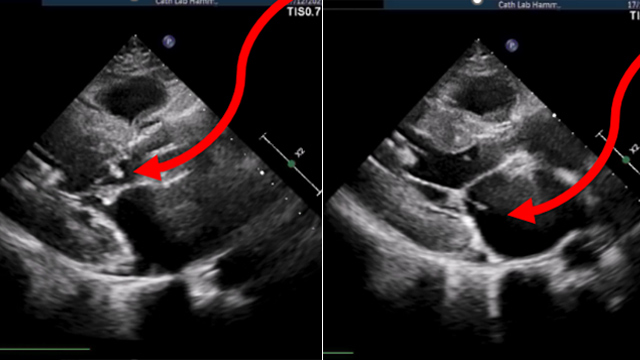
Paravalvular leak closure - Part 2
17 Nov 2025 – From PCR London Valves 2025
This session is dedicated to paravalvular leak (PVL) closure techniques, featuring percutaneous approaches after surgical valve implantation and TAVI complications such as annulus rupture. It includes advanced management using multiple plugs for long-tunnel mitral PVLs, innovative transformation from pop-up to plug strategies, and transapical approaches following...
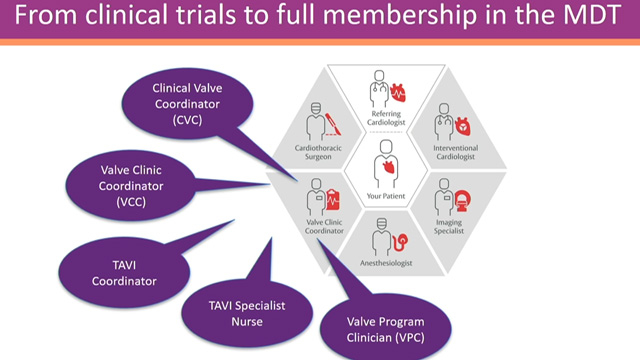
Day case TAVI - The future standard of care for most TAVI patients
16 Nov 2025 – From PCR London Valves 2025
Examining the UK experience, this session discusses the emerging standard of day case TAVI and its potential application across Europe. It evaluates patient-centered risks and benefits, operational requirements, and the evolving role of clinical valve coordinators to facilitate safe and efficient day case pathways for TAVI...
Optimising self-expandable TAVI clinical outcomes without compromise
22 May 2025 – From EuroPCR 2025
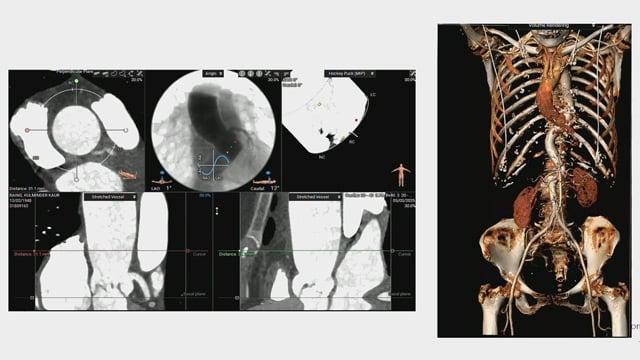
Optimising patient outcomes in self-expandable TAVI starts with a clear plan for today, and tomorrow. This EuroPCR 2025 session explores how to make each step count, from access to implantation and closure, using a real-life case of a 77-year-old woman with severe symptomatic aortic stenosis and...
How to deal with difficult situations by a multidisciplinary team
19 May 2022 – From EuroPCR 2022
What you should be learning from this EuroPCR 2022 session is how a team interacts badly in a stressful environment, and then how a team interacts well: it's a way of using simulation to improve team training.
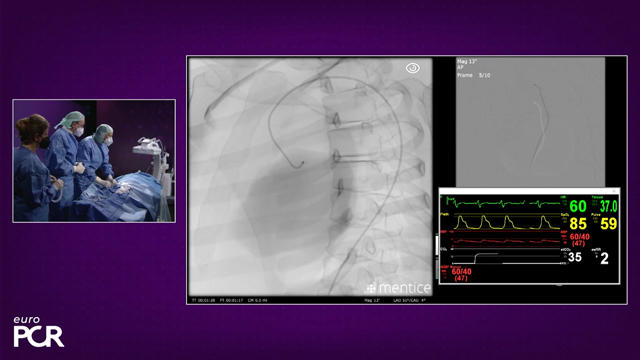
Image-guided bifurcation stenting - In vitro beating heart simulation-based learning from Japan
18 May 2022 – From EuroPCR 2022
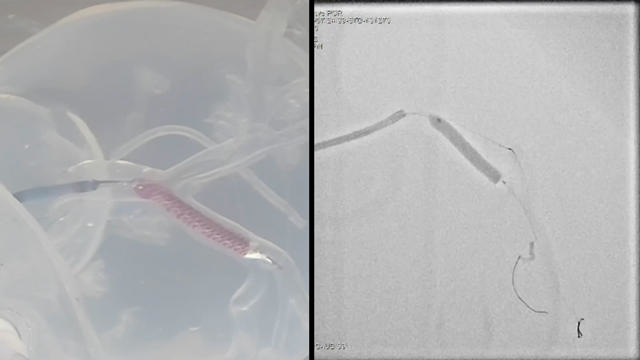
The focus of this EuroPCR 2022 session is on complex bifurcation intervention: learn a step-wise approach using imaging in a bifurcation stenting strategy, acknowledge the geographical differences in the way we approach these techniques, and experience the use of simulation-based learning on an in vitro beating...
Guidance on Protection in the context of COVID-19
27 Apr 2020
Iqbal Malik and Chris Cook, both from London, United Kingdom, discuss the 5 main components of protection in the context of COVID-19: protecting patients, HCPs, teams, hospitals and the home.