523 results
Procedural imaging for tricuspid valve interventions
15 Feb 2026 – From PCR Tokyo Valves 2026
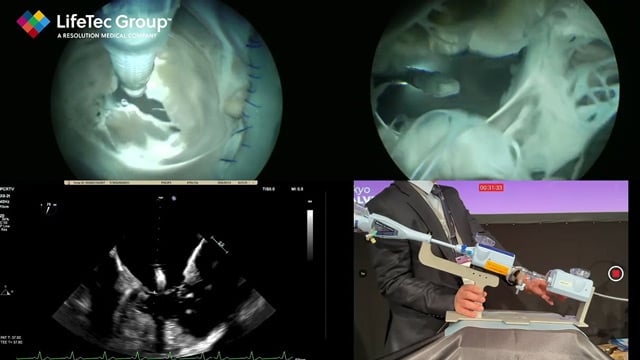
Dedicated to procedural imaging for tricuspid valve interventions, this session elucidates anatomical and pathophysiological features critical for successful transcatheter procedures. It emphasizes technical aspects of TEE and ICE imaging, including 3D multiplanar reconstruction, and offers case-based learning to refine imaging skills and optimize procedural outcomes.
Guidelines update
15 Feb 2026 – From PCR Tokyo Valves 2026
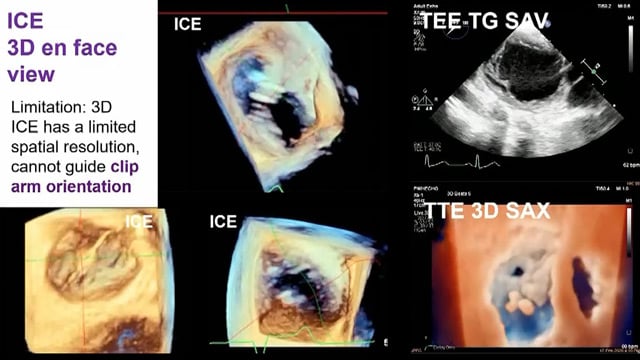
This session reviews the latest updates in the ESC/EACTS guidelines for structural heart disease, emphasizing their clinical implications and future trends. Participants will gain understanding of changes in aortic, mitral, and tricuspid valve recommendations, including new age cutoffs, asymptomatic disease management, and the evolving role of...
Future devices and techniques for structural heart disease
15 Feb 2026 – From PCR Tokyo Valves 2026
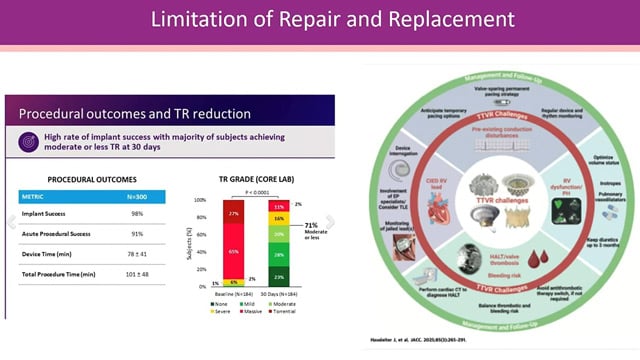
This session surveys the future landscape of structural heart disease treatment, addressing current limitations in transcatheter valve technologies and presenting emerging devices and techniques for aortic, mitral, and tricuspid valves. Attendees will gain insights into innovations poised to transform therapeutic options for structural heart disease.
Late-breaking trials of PCR Tokyo Valves 2026
14 Feb 2026 – From PCR Tokyo Valves 2026
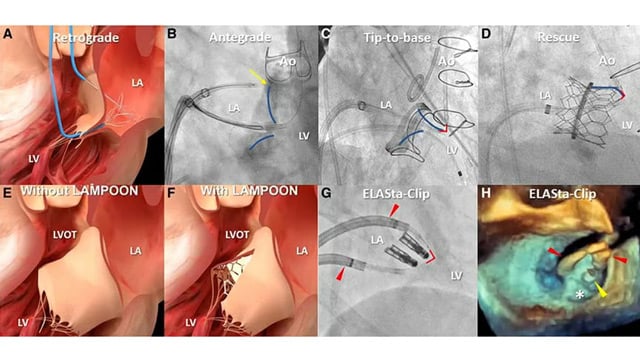
This session presents pivotal late-breaking trials from PCR Tokyo Valves 2026, offering one-year outcomes and real-world experiences in transcatheter valve therapies. Highlights include the AltaValve early feasibility study on atrial fixation TMVR, invasive registry insights on prosthesis-patient mismatch post-TAVR, and registry data on tricuspid and mitral...
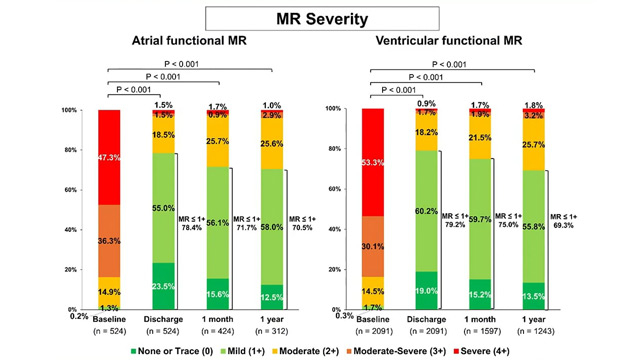
TEER in complex tricuspid regurgitation - LIVE case
14 Feb 2026 – From PCR Tokyo Valves 2026
A 79-year-old male with permanent AF, prior colorectal and prostate cancer, and a Mosaic bioprosthetic mitral valve implanted in 2016, presented with torrential tricuspid regurgitation and preserved LV function.
Three G5 clips were implanted: two anteroseptal (1 XTW and 1 XT) and one posteroseptal XTW.
LIVE Educational Case...
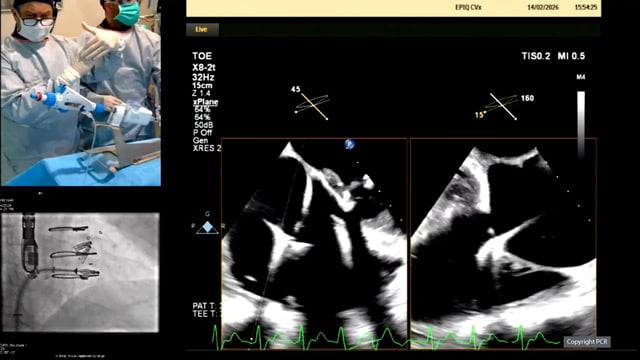
Hot topics and evidence on structural interventions in 2025 and 2026
14 Feb 2026 – From PCR Tokyo Valves 2026
Delve into the emerging clinical evidence and key hot topics shaping transcatheter interventions for aortic, mitral, and tricuspid valve diseases anticipated to influence clinical practice in 2025 and 2026. This session reviews stroke prevention, valve interventions across the three valves, and integrates recent and upcoming data...
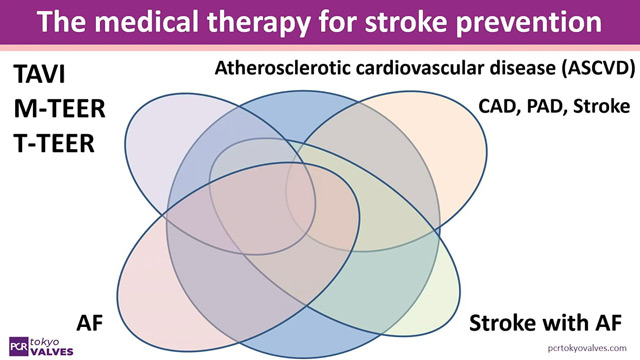
Getting ready for tricuspid TEER: key steps in building a successful programme
14 Feb 2026 – From PCR Tokyo Valves 2026
Prepare to establish a successful tricuspid TEER programme by understanding essential components such as systematic echocardiographic and clinical assessments for patient selection, procedural fundamentals, and programme development supported by clinical evidence.
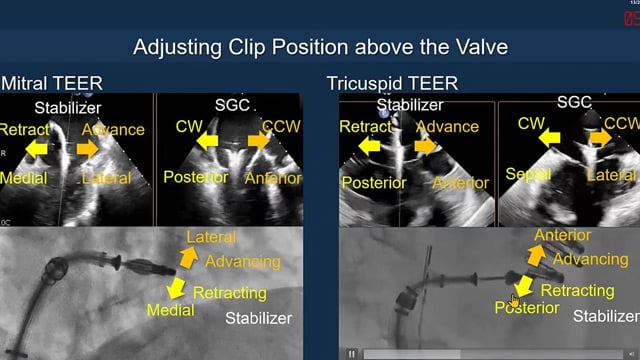
Patient selection for tricuspid TEER in 2026
14 Feb 2026 – From PCR Tokyo Valves 2026
This session focuses on optimizing patient selection for tricuspid transcatheter edge-to-edge repair (TEER) in 2026. It integrates anatomical, haemodynamic, and clinical criteria to identify ideal candidates, explores evolving treatment boundaries between TEER, transcatheter tricuspid valve replacement (TTVR), and medical management, and applies evidence from key trials...
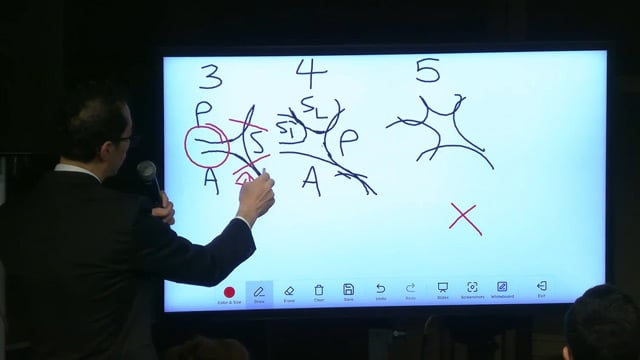
Team approach to structural heart disease: how to handle unexpected situations
14 Feb 2026 – From PCR Tokyo Valves 2026
This session highlights the multidisciplinary team approach to managing structural heart disease, focusing on responses to unexpected intraoperative and postoperative situations. It features real-world experiences from a TAVI radiologic technologist, clinical engineer, TEER sonographer, and TEER nurse, emphasizing their respective roles in addressing intraoperative events, sudden...
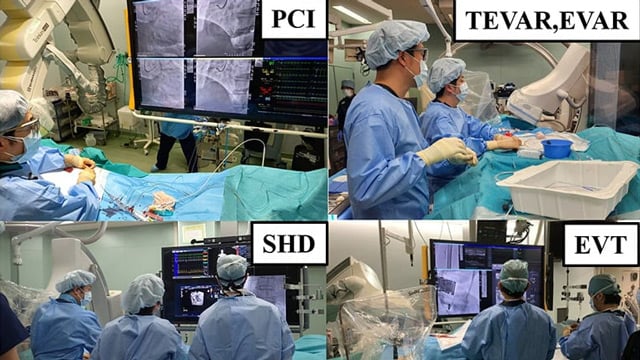
Mastering techniques from basic to complex - Tricuspid TEER fundamentals
13 Feb 2026 – From PCR Tokyo Valves 2026
Gain foundational knowledge in tricuspid TEER by understanding anatomical criteria for patient suitability, key procedural steps, and device techniques, enhanced by simulation-based procedural training.