523 results
Outcomes in tricuspid valve intervention
19 May 2026 – From EuroPCR 2026
This session reviews contemporary clinical outcomes of tricuspid valve interventions. Topics include interim results from the Cardiovalve replacement system trial, the impact of atrial fibrillation on tricuspid TEER, residual regurgitation implications, afterload mismatch post-intervention, and long-term bioprosthetic valve durability.
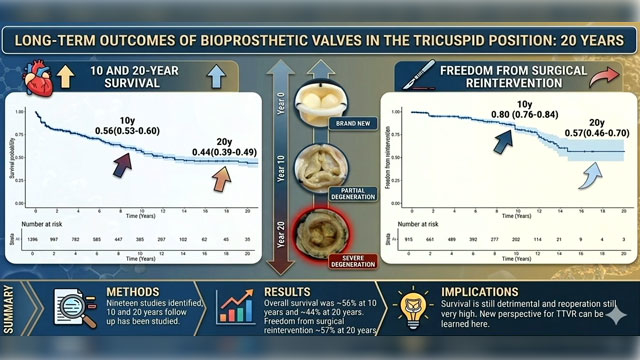
When less is better - Differentiated therapies to safely achieve TR 0-1+
19 May 2026 – From EuroPCR 2026
Therapeutic goals in tricuspid regurgitation are evolving, with increasing emphasis on achieving near-complete elimination of regurgitation (TR 0–1+) through differentiated transcatheter strategies.
This EuroPCR 2026 session explores how transcatheter edge-to-edge repair (TEER) and transcatheter tricuspid valve replacement (TTVR) can be used in a complementary way to reach...
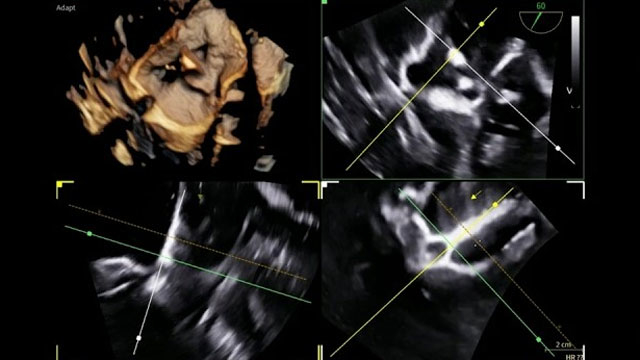
Repair or replace the tricuspid valve: how to decide?
19 May 2026 – From EuroPCR 2026
This session focuses on decision-making in tricuspid valve interventions, balancing the choice between repair and replacement. It covers clinical and anatomical criteria guiding treatment selection, pacing lead management from an electrophysiological and surgical perspective, and the application of multimodality imaging—including TTE, TOE, and CT—to inform real-world...
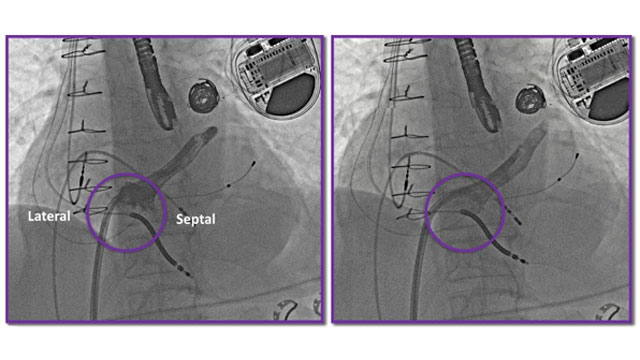
PCR's Got Talent Round 1 - Session 2
19 May 2026 – From EuroPCR 2026
PCR's Got Talent Round 1 - Session 2 offers a diverse collection of studies addressing coronary microvascular dysfunction, atrial fibrillation management, TAVI outcomes, AI applications in imaging, mitral and tricuspid valve interventions, and in-stent restenosis treatment. The session culminates with deliberations and results announcements, reflecting cutting-edge...

Disrupting the aorta and valves: the next transcatheter wave
18 May 2026 – From EuroPCR 2026
Delve into the next wave of transcatheter interventions disrupting the aorta and valves. This session covers pioneering minimally invasive ascending aortic repair, novel polymeric aortic valve implants, and innovative devices for tricuspid repair and leaflet replacement.

Rapid fire session on next generation structural heart and valve therapies
18 May 2026 – From EuroPCR 2026
An intensive rapid-fire session presenting the latest advancements in next-generation structural heart and valve therapies, including novel transcatheter systems for aortic and mitral valve repair, innovative solutions for tricuspid regurgitation, and implant-free PFO closure technologies.
The Jon DeHaan Foundation Award competition
18 May 2026 – From EuroPCR 2026
Explore the forefront of interventional cardiology innovation with the Jon DeHaan Foundation Award competition, featuring pioneering solutions for valvular heart disease and mechanical support. This session highlights novel devices such as TriFlo for tricuspid regurgitation, the extravascular ventricular assist device (eVAD System), and the first-in-human experience...
Key points for selecting patients for heterotopic bicaval therapy in TR and right heart failure
21 May 2026 – From EuroPCR 2026
In this discussion, Nadira Hamid and Rishi Puri explore the role of heterotopic valve implantation as an emerging treatment option for severe tricuspid regurgitation. They highlight how bicaval devices, such as the TricValve system, can reduce systemic congestion by addressing caval reflux, particularly in patients who...
Who should we consider for tricuspid intervention in 2026?
20 May 2026 – From EuroPCR 2026
Julien Dreyfus and Fabien Praz review the current indications and management of severe tricuspid regurgitation, highlighting that treatment is now recommended for symptomatic patients, and emphasising the importance of early referral before irreversible organ damage occurs.
They outline a stepwise, multimodality diagnostic approach performed in expert heart valve...

From assessment to strategy: choosing the optimal treatment for severe tricuspid regurgitation
12 May 2026
Severe tricuspid regurgitation is no longer a bystander disease.
In this elderly patient with persistent symptoms despite optimised medical therapy, a comprehensive multimodality assessment becomes key to determining the right timing and the most appropriate transcatheter strategy.

Author

Author