3649 results for «2370»
3649 results
Mitral and aortic transcatheter valve-in-valve intervention - LIVE case
14 Feb 2026 – From PCR Tokyo Valves 2026
Live case
An 83-year-old male with AF, CKD (stage 3A), preserved LV function, and a history of AVR (27 mm Magna Ease) and MVR (33 mm Magna) in 2014 presented with symptomatic stenosis of the mitral bioprosthesis. A Sapien 3 valve was implanted in the Magna mitral...
Late-breaking trials of PCR Tokyo Valves 2026
14 Feb 2026 – From PCR Tokyo Valves 2026
This session presents pivotal late-breaking trials from PCR Tokyo Valves 2026, offering one-year outcomes and real-world experiences in transcatheter valve therapies. Highlights include the AltaValve early feasibility study on atrial fixation TMVR, invasive registry insights on prosthesis-patient mismatch post-TAVR, and registry data on tricuspid and mitral...
Procedural imaging for tricuspid valve interventions
15 Feb 2026 – From PCR Tokyo Valves 2026
Dedicated to procedural imaging for tricuspid valve interventions, this session elucidates anatomical and pathophysiological features critical for successful transcatheter procedures. It emphasizes technical aspects of TEE and ICE imaging, including 3D multiplanar reconstruction, and offers case-based learning to refine imaging skills and optimize procedural outcomes.
Miscellaneous complications: my worst nightmare
15 Feb 2026 – From PCR Tokyo Valves 2026
Explore the prevention and management of complications arising from transcatheter interventions in structural heart disease through challenging case analyses. This session presents real-world scenarios addressing complications encountered during TAVI, mitral, and tricuspid procedures, highlighting strategies to anticipate and manage these critical events effectively.
PCR Tokyo Valves 2026 Welcome Ceremony
14 Feb 2026 – From PCR Tokyo Valves 2026
The Welcome Ceremony marks the commencement of the conference, setting the stage for an engaging and informative program dedicated to advances in cardiology and interventional techniques. It provides attendees with an overview of the event's objectives and highlights the collaborative spirit of the cardiology community.
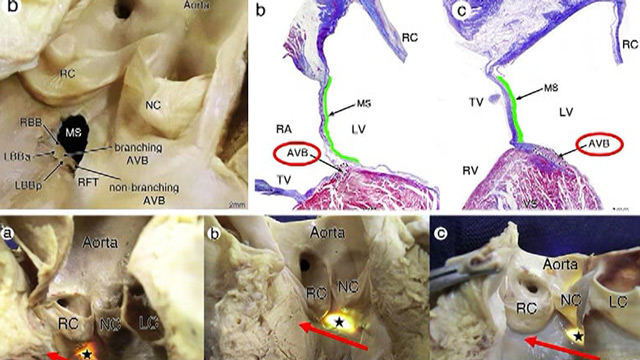
Prevention and management of TAVI complications
14 Feb 2026 – From PCR Tokyo Valves 2026
This session addresses the prevention and management of major complications associated with transcatheter aortic valve implantation (TAVI). Attendees will gain a detailed understanding of mechanisms behind cerebral infarction, haemolysis, valve infolding, pacemaker implantation, and valve migration, along with expert strategies for recognition, decision-making, and bailout techniques...
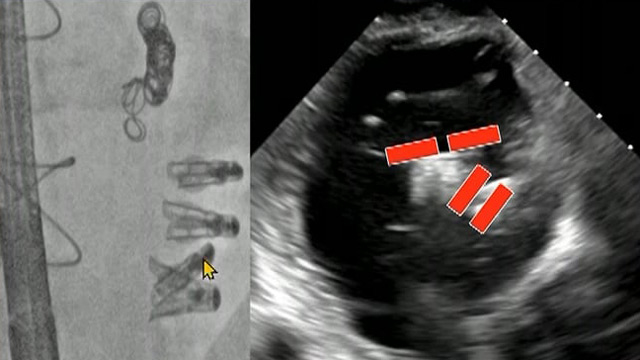
TEER in complex tricuspid regurgitation - LIVE case
14 Feb 2026 – From PCR Tokyo Valves 2026
A 79-year-old male with permanent AF, prior colorectal and prostate cancer, and a Mosaic bioprosthetic mitral valve implanted in 2016, presented with torrential tricuspid regurgitation and preserved LV function.
Three G5 clips were implanted: two anteroseptal (1 XTW and 1 XT) and one posteroseptal XTW.
LIVE Educational Case...
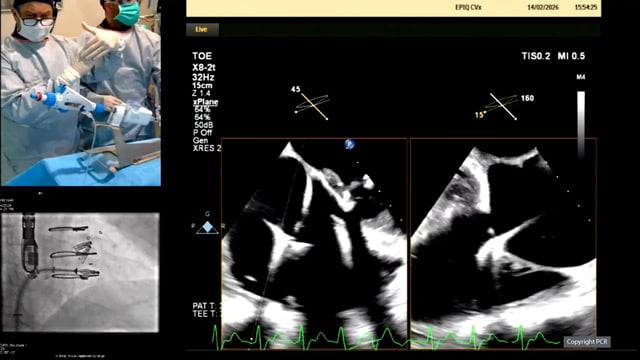
Hot topics and evidence on structural interventions in 2025 and 2026
14 Feb 2026 – From PCR Tokyo Valves 2026
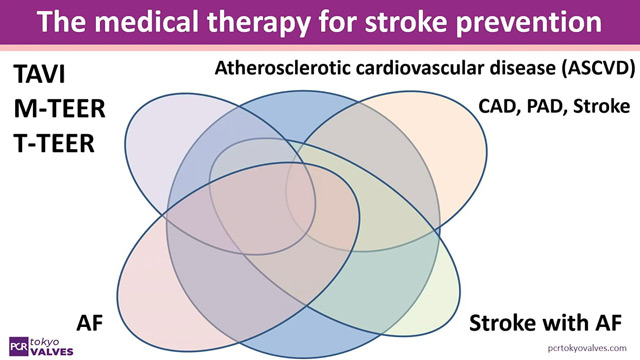
Delve into the emerging clinical evidence and key hot topics shaping transcatheter interventions for aortic, mitral, and tricuspid valve diseases anticipated to influence clinical practice in 2025 and 2026. This session reviews stroke prevention, valve interventions across the three valves, and integrates recent and upcoming data...
Mastering techniques from basic to complex - Tricuspid TEER fundamentals
13 Feb 2026 – From PCR Tokyo Valves 2026
Gain foundational knowledge in tricuspid TEER by understanding anatomical criteria for patient suitability, key procedural steps, and device techniques, enhanced by simulation-based procedural training.
Mastering techniques from basic to complex - Tips and tricks for advanced mitral TEER: anatomy and imaging
13 Feb 2026 – From PCR Tokyo Valves 2026
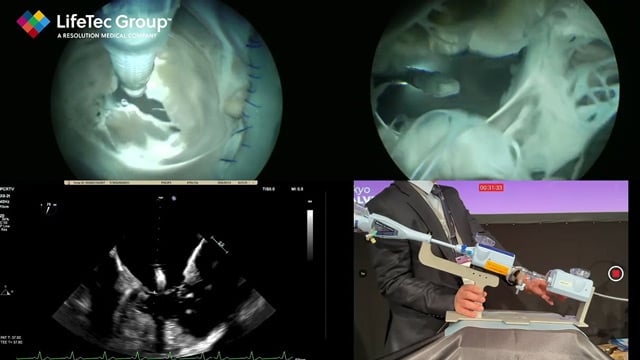
Advance your expertise in mitral TEER by gaining anatomical insights, understanding device interaction with native valve structures, and learning to prevent and manage procedural complications through case-based imaging and live assessments.
Getting ready for tricuspid TEER: key steps in building a successful programme
14 Feb 2026 – From PCR Tokyo Valves 2026
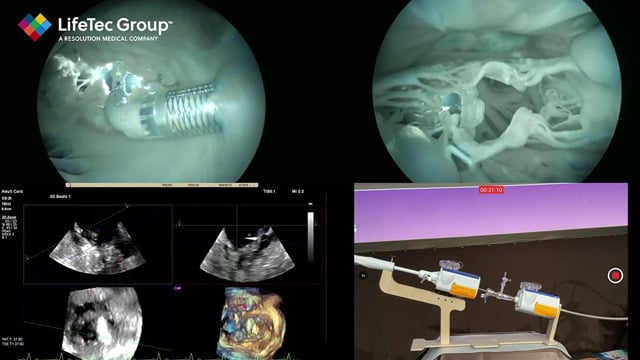
Prepare to establish a successful tricuspid TEER programme by understanding essential components such as systematic echocardiographic and clinical assessments for patient selection, procedural fundamentals, and programme development supported by clinical evidence.
Mastering techniques from basic to complex - Mitral regurgitation assessment and suitability for TEER
13 Feb 2026 – From PCR Tokyo Valves 2026
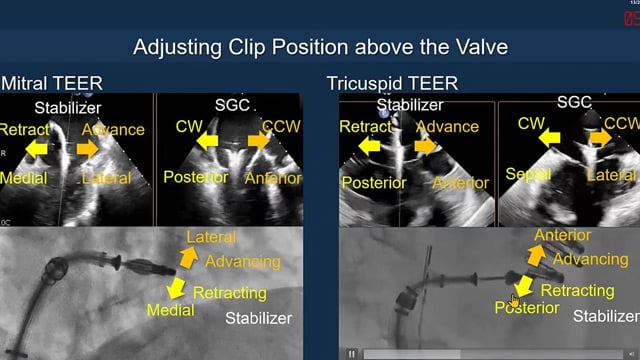
Delve into the assessment of mitral regurgitation and the criteria determining suitability for Transcatheter Edge-to-Edge Repair (TEER). This session reviews mitral valve anatomy and the latest clinical data supporting mitral TEER interventions.
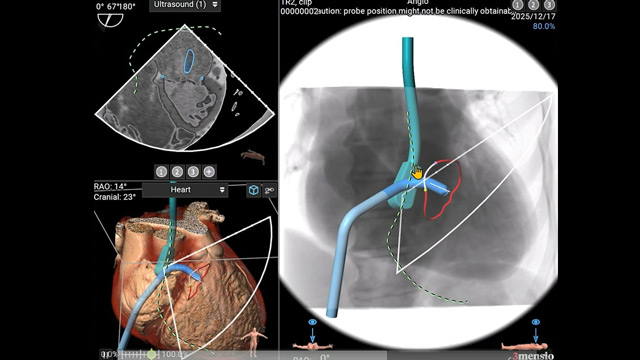
From diagnosis to device: decision-making and planning for mitral valve interventions
15 Feb 2026 – From PCR Tokyo Valves 2026
This session offers a structured approach to mitral TEER, integrating advanced imaging techniques for detailed mitral valve morphology evaluation, procedural planning, and complication prediction. It highlights device selection considerations and emerging technologies to tailor interventions for complex mitral valve disease, supported by multiple case presentations and...
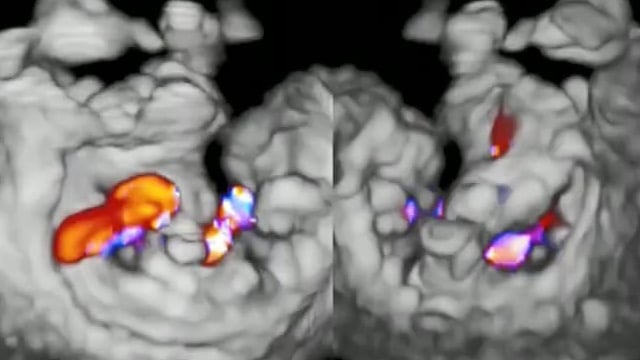
Team approach to structural heart disease: how to handle unexpected situations
14 Feb 2026 – From PCR Tokyo Valves 2026
This session highlights the multidisciplinary team approach to managing structural heart disease, focusing on responses to unexpected intraoperative and postoperative situations. It features real-world experiences from a TAVI radiologic technologist, clinical engineer, TEER sonographer, and TEER nurse, emphasizing their respective roles in addressing intraoperative events, sudden...
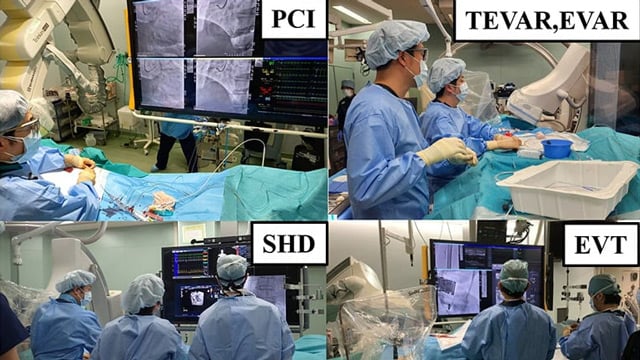
Novel Hertz Contact intravascular lithotripsy: calcium fragmentation with zero trade-offs
27 Feb 2026 – From Euro4C Annual Meeting
This session introduces the novel Hertz Contact intravascular lithotripsy system, designed for effective calcium fragmentation without trade-offs. It covers lesion types amenable to treatment, system mechanism, optimization tips, and discusses real-world cases along with supporting clinical trial evidence.
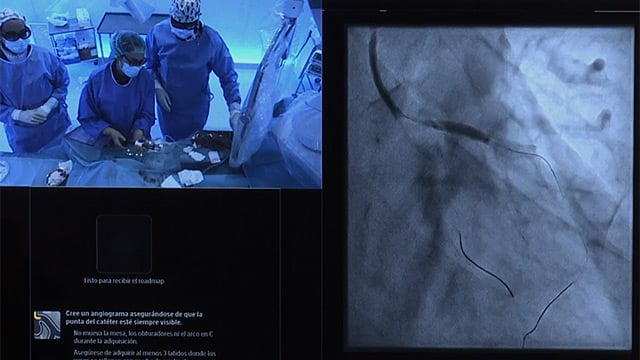
Introducing the next era of coronary intravascular lithotripsy: an aero-volution in calcium modification
27 Feb 2026 – From Euro4C Annual Meeting
Explore the next era of coronary intravascular lithotripsy featuring innovative technology for calcium modification. This session covers the unique mechanism of action, practical application in complex cases, and recent clinical evidence supporting its safety and efficacy.
Contemporary approach in the treatment of calcified coronary artery disease
28 Feb 2026 – From Euro4C Annual Meeting 2026
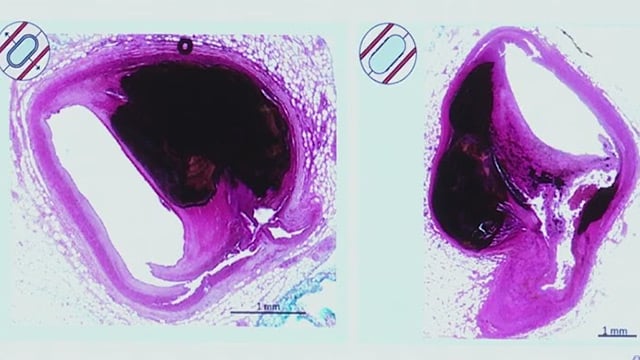
Adopt a contemporary approach to managing calcified coronary artery disease by leveraging high-definition IVUS for lesion assessment and morphology evaluation. Learn to tailor calcium modification strategies based on IVUS findings and combine available tools to optimize treatment outcomes according to patient and lesion profiles.
Welcome to the Euro4C Annual Meeting 2026
27 Feb 2026 – From Euro4C Annual Meeting 2026
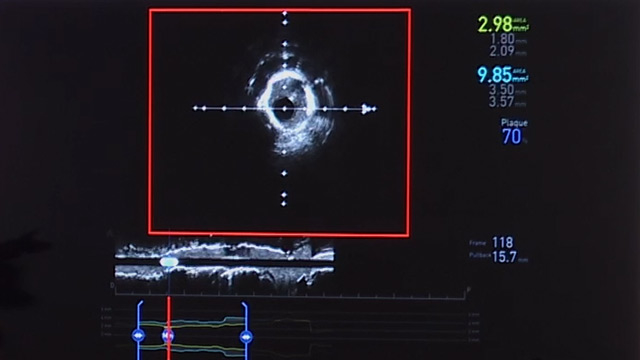
This introductory session sets the stage for a comprehensive exploration of interventional cardiology topics, providing attendees with an overview and framework for the upcoming educational content.
Algorithm approach for severe calcified lesion, what is new?
27 Feb 2026 – From Euro4C Annual Meeting 2026
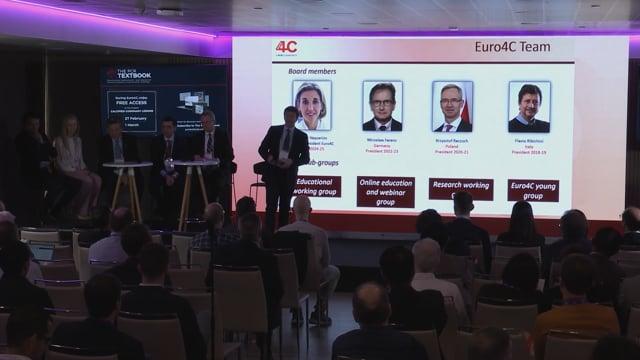
This session presents the latest algorithmic approaches for managing severe calcified lesions. Attendees will learn to recognize plaque morphologies using intravascular imaging, evaluate the capabilities of current imaging technologies, and understand updated guideline recommendations for optimal treatment strategies.
Advanced techniques in specific clinical and anatomical settings
27 Feb 2026 – From Euro4C Annual Meeting 2026
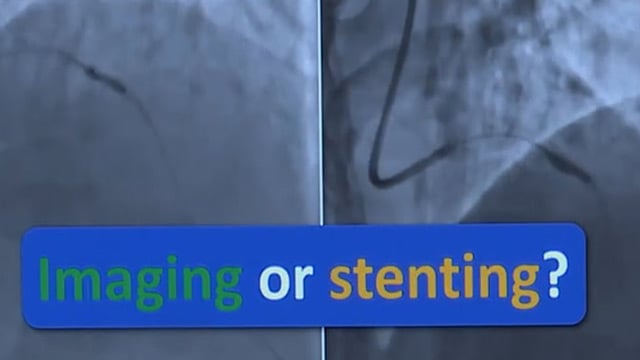
This session addresses advanced interventional techniques tailored to complex clinical and anatomical scenarios. It emphasizes risk assessment in complex patients, strategic procedural planning for high-risk and calcified lesions, and indications for mechanical support use to improve outcomes in challenging PCI cases.