3649 results for «493»
3649 results
Tricuspid TEER - Part 1
19 Nov 2023 – From PCR London Valves 2023
Gain insights into Tricuspid Transcatheter Edge-to-Edge Repair (TEER) with this session: explore the congestion patterns observed in severe tricuspid regurgitation and gain a deeper understanding of transcatheter treatment modalities, delve into the baseline characteristics of the Tri.Fr randomized trial on treating tricuspid regurgitation, witness the application...
Tricuspid valve interventions - Case studies
19 Nov 2023 – From PCR London Valves 2023
Explore a diverse range of tricuspid valve interventions through various case studies such as the multimodality percutaneous treatment of severe tricuspid regurgitation, Triclip subacute single leaflet detachment, bicaval valve implantation and more.
Mitral Late-Breaking Trials: CLASP IID, AltaValve transseptal programme, MitraSwiss in men and women, MiCLASP...
19 Nov 2023 – From PCR London Valves 2023
Discover the mitral late-breaking trials which were presented during PCR London Valves 2023:
- One-year outcomes of transcatheter mitral repair from the CLASP IID Registry
- AltaValve transseptal programme update
- Mitral TEER in men and women from MitraSwiss registry: is equality achieved?
- Combined impact of mitral valve gradients and mitral regurgitation reduction...
Tricuspid Late-Breaking Trials: TRISCEND at 2 years, TEER in primary tricuspid regurgitation, TriCLASP, bRIGHT...
19 Nov 2023 – From PCR London Valves 2023
Discover the tricuspid late-breaking trials which were presented during PCR London Valves 2023:
- TRISCEND study two-year outcomes: transfemoral TTVR
- Transcatheter edge-to-edge repair in patients with primary tricuspid regurgitation
- One-year outcomes of transcatheter tricuspid valve repair from the TriCLASP study
- TTVR with the LuX-Valve system: one-year outcomes of a multicentre experience
- Real-world...
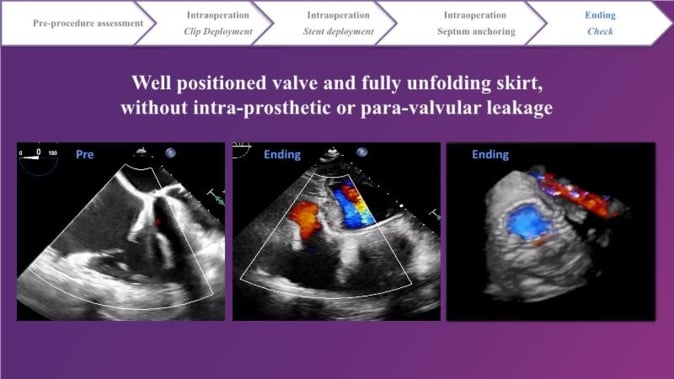
Late-breaking trials on latest-generation aortic valves and dedicated transcatheter devices
20 Nov 2023 – From PCR London Valves 2023
Find out the outcomes of the main studies on the latest-generation valves and devices presented at PCR LV 2023 to better determine their benefits, performance and interest in the treatment of specific aortic pathologies: REACCESS-2 Study, ACURATE Neo2 PMCF post-market registry, OCEAN-TAVI registry, ShortCut Pivotal Study, and...
Tricuspid TEER - Part 2
20 Nov 2023 – From PCR London Valves 2023
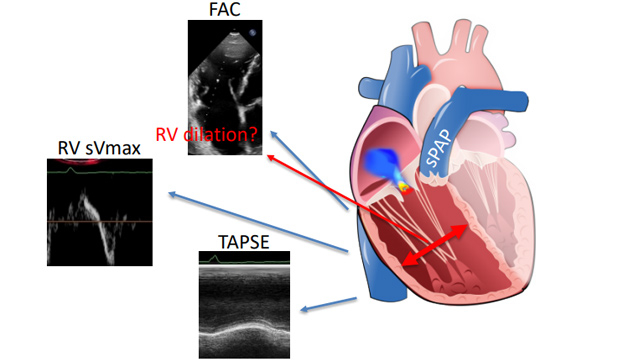
Valve in valve - TAVI in SAV - Part 1
20 Nov 2023 – From PCR London Valves 2023
Explore innovative approaches in TAVI in SAV with this selection of cases: learn how to manage a degenerated surgical valve using a novel transcatheter heart valve, navigate low-contrast valve-in-valve scenarios in early bioprosthesis failure, witness the adaptability of TAVI valve-in-valve in a severely tortuous and horizontal...
Valve embolism and displacement
20 Nov 2023 – From PCR London Valves 2023
Consult this session to learn innovative strategies and management approaches for valve embolism and displacement: navigate the complexities of challenging severe aortic regurgitation, confront unexpected global myocardial ischemia during TAVI, explore the difficulties of a TAVI procedure in a surgical aortic valve with Evolut FX, and more!
Mitral TEER - Part 2
20 Nov 2023 – From PCR London Valves 2023
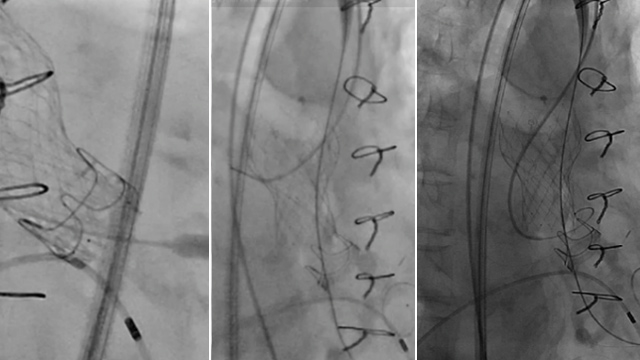
Discover compelling cases in TEER with this selection of cases: encounter the complexities of severe mitral regurgitation post-aortic root aneurysm repair, the urgency of percutaneous intervention in acute mitral regurgitation due to papillary muscle rupture, the challenges of acutely decompensated heart failure following complicated surgical AVR,...
TAVI - Patient selection
20 Nov 2023 – From PCR London Valves 2023
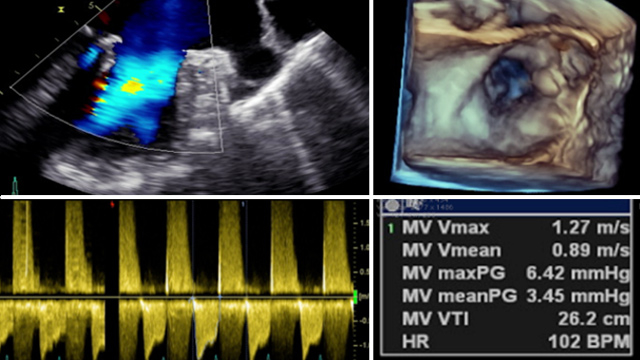
Gain essential insights into TAVI patient selection through these selected abstract submissions from PCR London Valves 2023: explore the benefits of guideline-directed therapy for severe aortic stenosis, unravel the significance of subthreshold aortic valve calcium scores in patients with cardiac amyloidosis and aortic stenosis, delve into...
Leaflet modification techniques
20 Nov 2023 – From PCR London Valves 2023
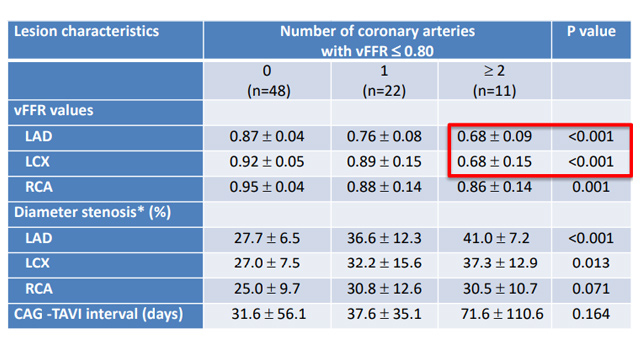
Discover cutting-edge leaflet modification approaches in transcatheter interventions with this selection of cases: explore the imaging aspects of the emerging ShortCut procedure for coronary protection in Valve-in-Valve TAVR, experience the effectiveness and simplicity of Balloon - Basilica for valve-in-valve interventions, learn about the adaptability of right...
TAVI in challenging aortic anatomy
20 Nov 2023 – From PCR London Valves 2023
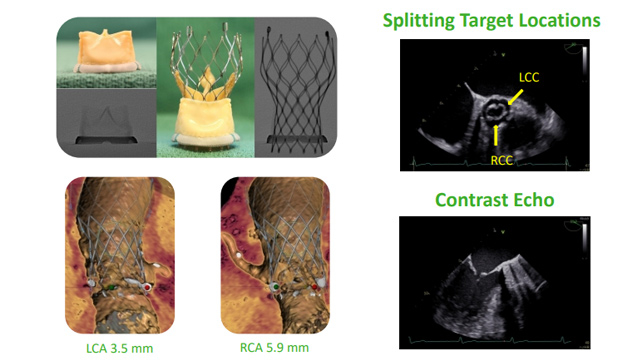
Explore TAVI in challenging aortic anatomy through this selection of cases: navigate strategies for crossing severely adverse calcific bicuspid aortic valves in horizontal aortas, witness TAVI adaptability in cases of severe aortic stenosis with situs inversus totalis, learn about the complexities of TAVI implantation in patients...
TAVI - New indications, techniques and devices - Part 2
20 Nov 2023 – From PCR London Valves 2023
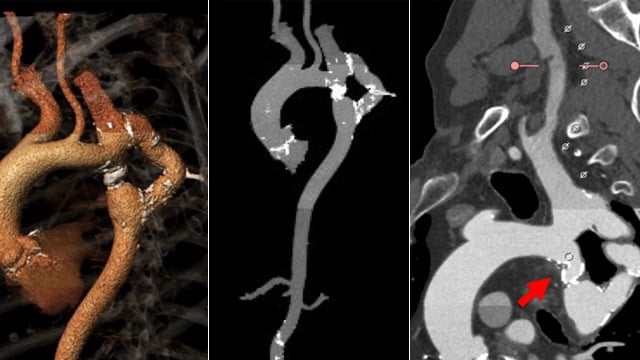
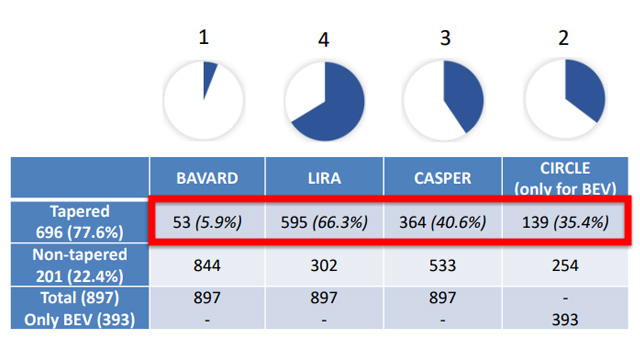
Consult this session for a swift overview of evolving TAVI indications and techniques: gain insights into thirty-day outcomes with Evolut FX, stratified by heart team risk, witness the 12-month follow-up of the Valvosoft first-in-man study, uncover sizing considerations in bicuspid tapered aortic valves undergoing TAVI from the...
TAVI - stroke
20 Nov 2023 – From PCR London Valves 2023
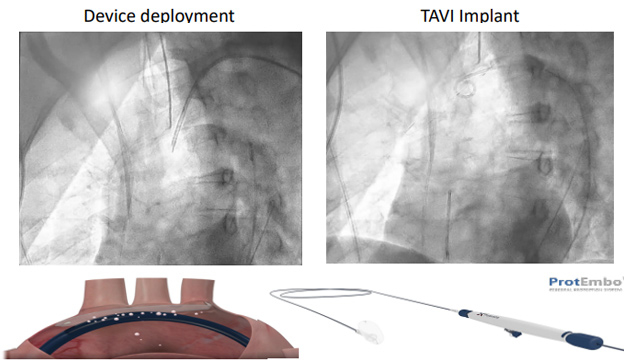
Join this session for key perspectives on stroke management and prevention in TAVI: gain a comprehensive view of the long-term outcomes in transfemoral TAVI complicated by stroke, evaluate a novel cerebral embolic protection during TAVI through the PROTEMBO C-TRIAL, learn how TAVR debris captured by CEP...
Tricuspid valve interventions in complex scenarios
20 Nov 2023 – From PCR London Valves 2023
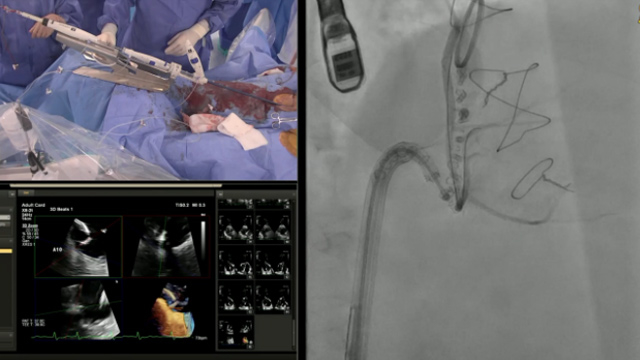
Explore innovative tricuspid valve interventions with this selection of cases: witness the application of combined transcatheter tricuspid annuloplasty and edge-to-edge repair to address a torrential tricuspid regurgitation, discover a novel technique for uncrossable tricuspid valve-in-valve scenarios, delve into the management of severe tricuspid regurgitation in a...
TAVI - Coronary protection strategies
20 Nov 2023 – From PCR London Valves 2023
Consult this session for key insights into diverse coronary protection approaches: get a look at the management of a complex case involving a degenerated aortic bioprosthesis and paravalvular leak, observe a successful TAVI in calcified bicuspid anatomy with low coronaries, delve into a case featuring a degenerated...
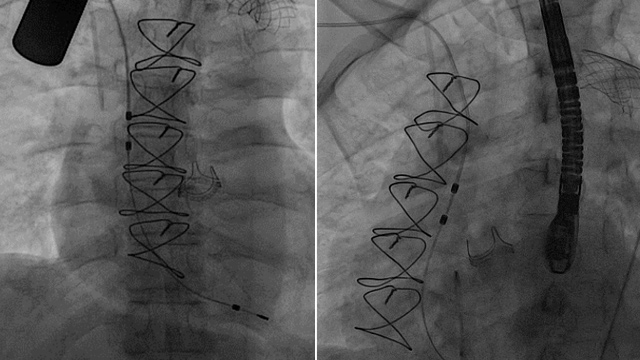
Transcatheter mitral valve replacement
20 Nov 2023 – From PCR London Valves 2023
Consult this session for key insights into diverse TMVR challenges: discover unique scenarios such as para-holes post-Tendyne implant, TMVR in a patient with severe mitral annular calcification, a complex case involving mitral para-ring leak and stenosis with a two-step treatment and an atypical LAMPOON indication, and more!

Valve in valve - Pulmonary - Part 3
21 Nov 2023 – From PCR London Valves 2023
Explore a selection of pulmonary valve-in-valve cases, showcasing transcatheter management of recurrent severe pulmonary regurgitation, a rare intervention for calcified bioprosthetic pulmonary valve leaflets, and strategic approaches to early valve degeneration.
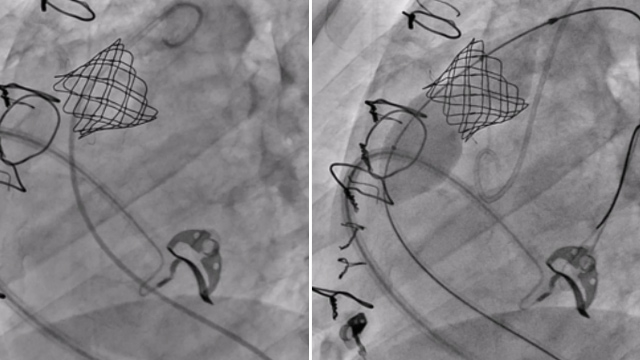
Aortic regurgitation - Part 1
20 Nov 2023 – From PCR London Valves 2023
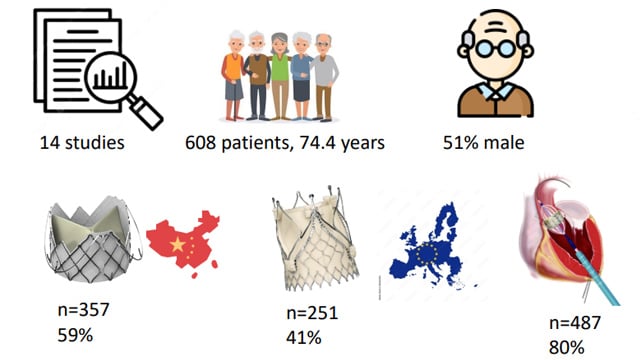
Delve into key insights on aortic regurgitation with this selection of abstracts: explore a systematic review and meta-analysis on TAVI for aortic regurgitation using dedicated devices, witness video-densitometric analysis of aortic regurgitation post-JenaValve Trilogy treatment, discover a small case series on TAVI in the descending thoracic...
Mitral TEER - Part 2
21 Nov 2023 – From PCR London Valves 2023
Explore compelling cases in this session: delve into the role of medical therapy post-TEER for managing secondary mitral regurgitation with right ventricular dysfunction, examine the impact of right ventricular parameters following TMV repair and witness the art of a safe bailout strategy after single leaflet detachment...