3647 results for «725»
3647 results
Challenging scenarios: TAV-in-TAV procedures
28 Nov 2022 – From PCR London Valves 2022
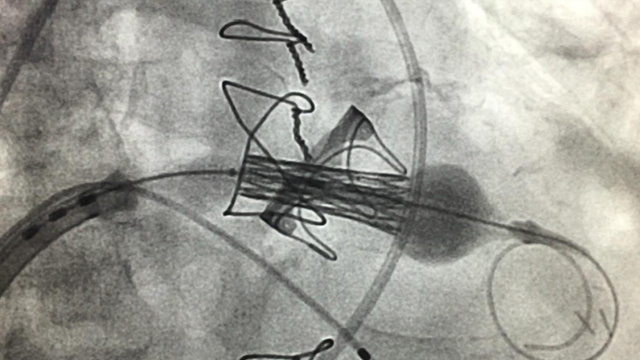
Consult this session to discover some challenging TAV-in-TAV procedures, and learn more about the key role of imaging during pre-procedural work-up and the potential treatment options after TAVI bioprosthetic valve fracture.
TAVI in patients at risk of coronary occlusion
28 Nov 2022 – From PCR London Valves 2022
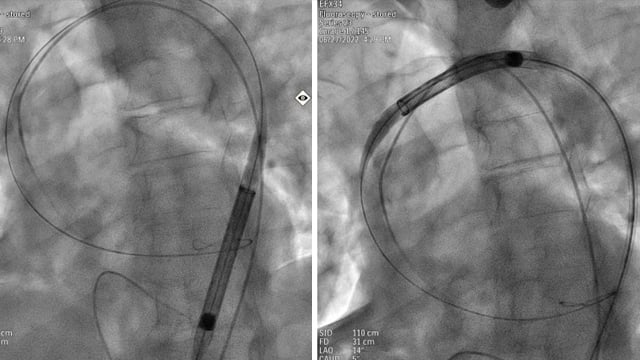
Consult this session on TAVI in patients at risk of coronary occlusion to discover a selection of cases presented during PCR LV 2022: hyperacute obstruction of the left main artery due to calcium displacement during TAVR, cannulation technique for challenging coronary access following TAVI-in-TAVI, complex TAVI from...
Secondary mitral regurgitation: challenges in management
28 Nov 2022 – From PCR London Valves 2022
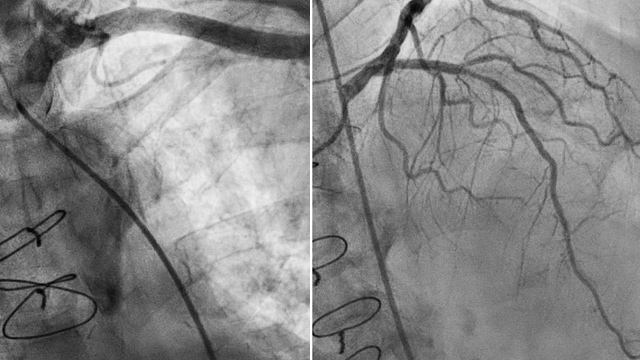
Consult this session dedicated to secondary mitral regurgitation to learn more about the patients who benefit most from valve intervention, the transcatheter edge-to-edge repair strategies in secondary MR and how to optimally select patients with secondary MR for valve replacement.
Learning transcatheter tricuspid valve interventions: the essentials
28 Nov 2022 – From PCR London Valves 2022
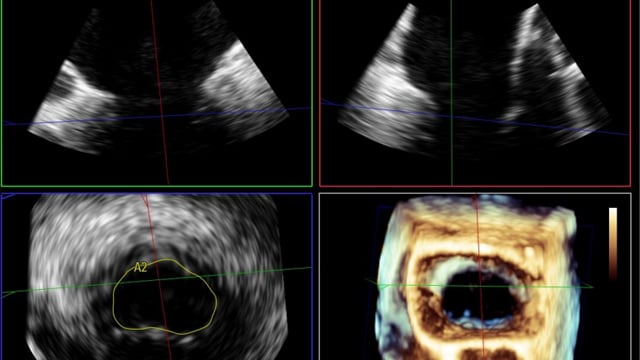
Take a look at these presentations to learn more about the anatomical information required to perform transcatheter tricuspid valve procedures safely and effectively, the essentials of echocardiographic imaging for patient selection and peri-procedural guidance, as well as the most commonly used devices for tricuspid interventions.
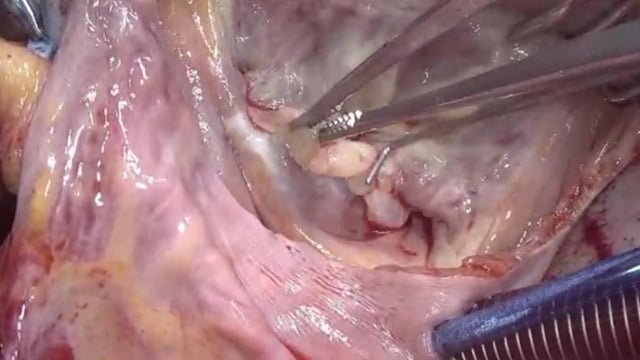
Mitral: new devices and procedural refinements
28 Nov 2022 – From PCR London Valves 2022
Consult this session to discover a selection of cases regarding mitral new devices: transapical mitral valve implantation for treatment of symptomatic mitral valve disease, transcatheter edge-to-edge mitral valve repair for atrial functional mitral regurgitation, and much more!
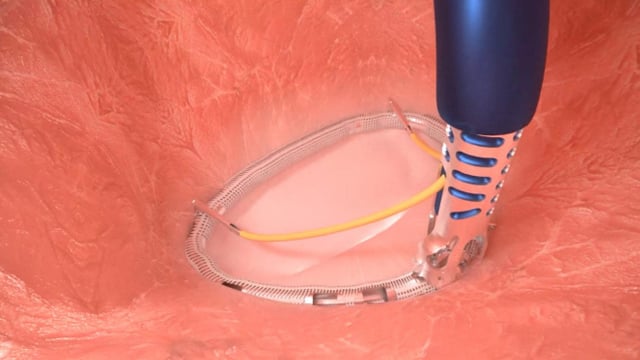
Combined valve interventions
28 Nov 2022 – From PCR London Valves 2022
Among the very interesting cases presented in this PCR LV 2022 session, watch the 1st case of TMVR and TTVR in a patient with the use of dedicated investigational devices, simultaneous transcatheter mitral and tricuspid approach in a patient with dextrocardia, or simultaneous mitral valve-in-valve, tricuspid...
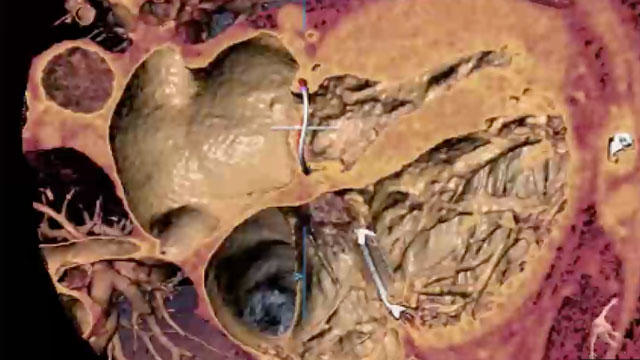
Challenging scenarios: bicuspid aortic valves
28 Nov 2022 – From PCR London Valves 2022
Consult this session to learn more about the variety of bicuspid aortic valve phenotypes and their impact on procedural outcomes, the pre-procedural planning and optimal procedural technique in this challenging patient cohort, as well as the key considerations for TAVI in younger patients with a bicuspid aortic valve.
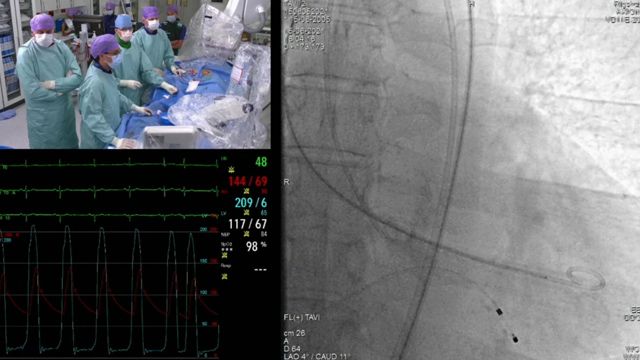
TAVI complications: Session 3
28 Nov 2022 – From PCR London Valves 2022
Consult this session to discover how to manage various TAVI complications: complex iliofemoral artery dissection following TAVI, ruptured TAVI balloon, displacement of the transcatheter aortic valve prosthesis, and much more!
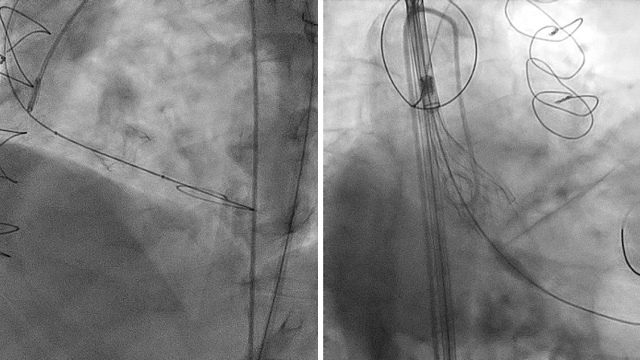
How to deal with residual or recurrent mitral regurgitation after failed surgical or transcatheter repair
28 Nov 2022 – From PCR London Valves 2022
Consul this session to learn more about the available treatment options after failed mitral surgical or transcatheter procedures, the factors that increase the likelihood of residual/recurrent mitral regurgitation, and more!
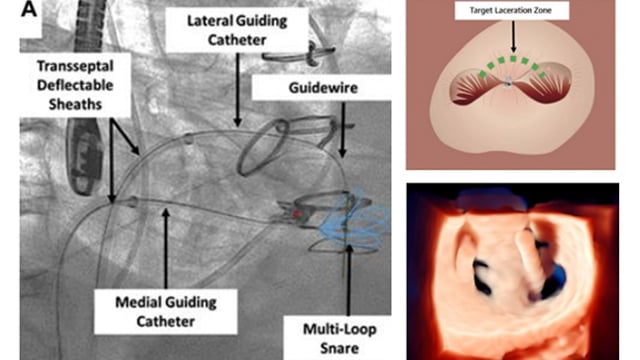
Rapid-fire abstracts: Session 5
28 Nov 2022 – From PCR London Valves 2022
Consult this session to discover a selection of abstracts presented during PCR LV 2022: impact of right ventricular dysfunction on the outcomes of TAVI - Insights from nationwide database, impact of COVID-19 pandemic on TAVI activity: a worldwide registry, redo isolated tricuspid valve surgery - Prediction of...
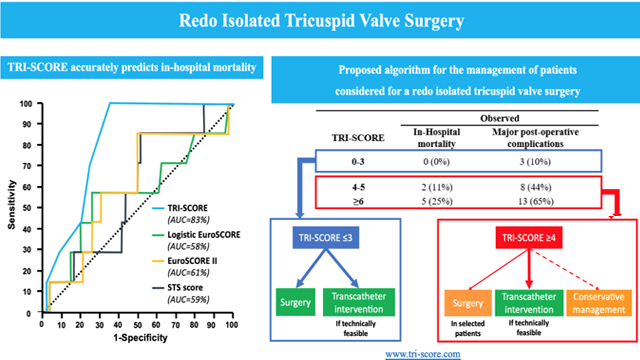
Challenging scenarios during transcatheter tricuspid valve intervention
28 Nov 2022 – From PCR London Valves 2022
Consult these presentations to get insights into how the reduction of tricuspid valve coaptation gaps can facilitate tricuspid transcatheter edge-to-edge repair, to learn some tips and tricks for improved transoesophageal imaging during tricuspid valve interventions and to master techniques for the management of single leaflet device attachment during this...
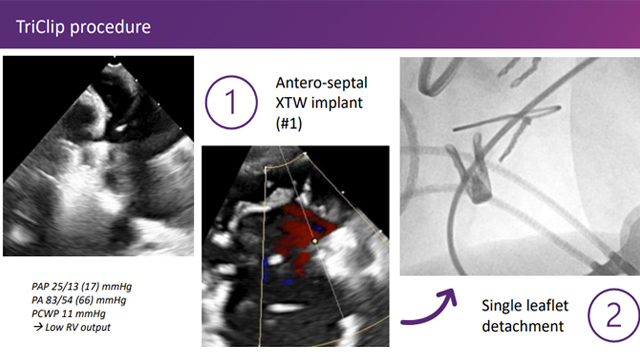
Rapid-fire abstracts: Session 9
28 Nov 2022 – From PCR London Valves 2022
Consult this session to discover a selection of abstracts presented during PCR LV 2022: impact of different aortic valve calcification pattern on the haemodynamic performance of self-expanding intra-annular transcatheter heart valve, device failure in bicuspid aortic stenosis following TAVR, the learning curve and clinical outcomes in...
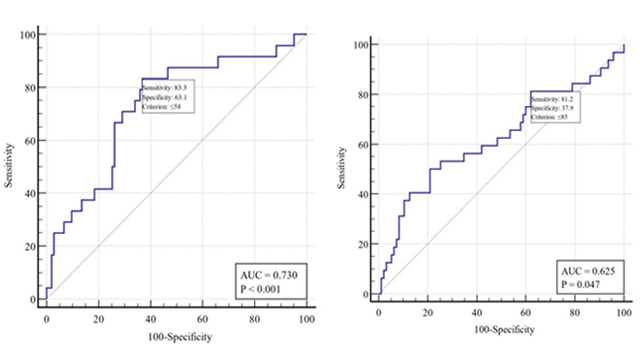
TAVI challenges: session 2
28 Nov 2022 – From PCR London Valves 2022
Watch this PCR LV 2022 session to learn how to treat TAVI with severe peripheral calcifications, a complex TAVI with extreme tortuous and horizontal aorta, or even TAVI in aortic regurgitation patient after failed attempt with commercial device.
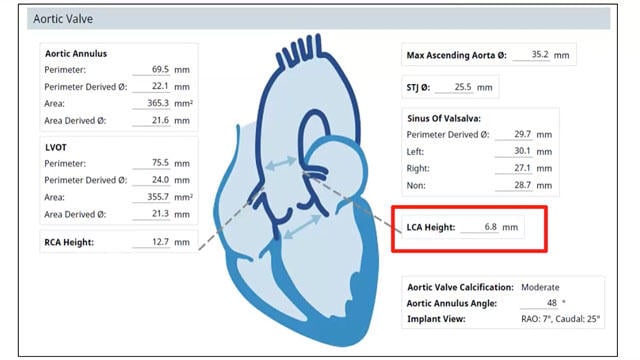
TAVI challenges: session 3
28 Nov 2022 – From PCR London Valves 2022
View a radial access balloon aortic valvuloplasty adapting to the challenge of small arteries, a semi-inflated buddy balloon for percutaneous TAVR in severe calcified bicuspid aortic valve, and long-term outcome of TAVR in mucopolysaccharidosis type I-HS in this PCR LV 2022 session, among others!
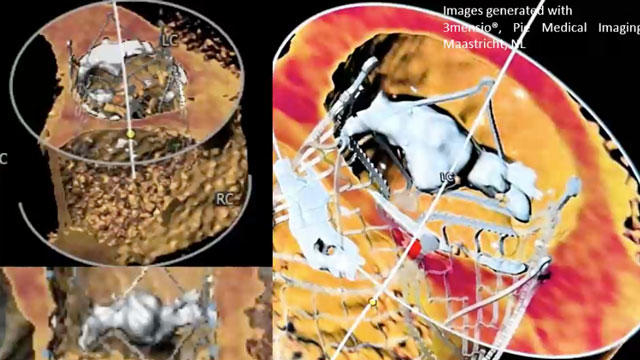
Transcatheter edge-to-edge mitral valve repair step by step: from transseptal puncture to procedural success
28 Nov 2022 – From PCR London Valves 2022
Consult this session to learn how to perform a mitral transcatheter edge-to-edge repair procedure from start to finish, to learn more about currently available devices and which one to use in specific patients, and to understand how optimal procedural imaging and device steering determine the best...
Clinical outcomes after TAVI: Session 1
28 Nov 2022 – From PCR London Valves 2022
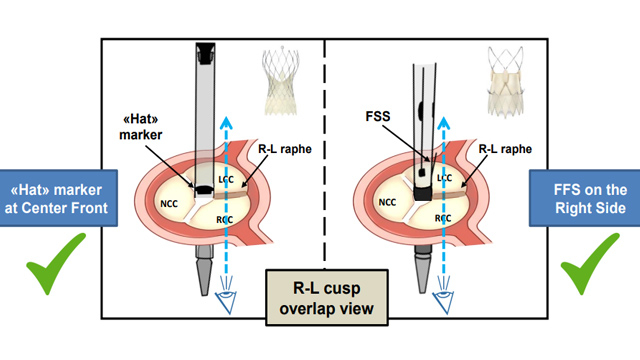
Consult this session to learn more about clinical outcomes after TAVI thanks to a selection of abstracts submitted during PCR LV 2022: definition of transcatheter heart valve orientation in bicuspid aortic valve with the DA VINCI study, TAVI with latest device iterations in patients with very...
TAVI complications: Session 2
28 Nov 2022 – From PCR London Valves 2022
Consult this session to discover how to face various TAVI complications thanks to a selection of cases presented during PCR LV 2022: percutaneous management of annular rupture during TAVR, syncope after transaortic valve replacement, peri-TAVI papillary muscle rupture, and more!

Surgical and transcatheter tricuspid intervention: state of the art - LIVE case
29 Nov 2022 – From PCR London Valves 2022
In this PCR London Valves 2022 session, follow 3 stunning case treatments:
- Part 1: Triscupid TEER (Live)
A 78-year-old male with a history of CABG (2015), PM-CRT (2015) and atrial fibrillation, presents a severe TR with an LVEF of 40%, preserved RV function and moderate pulmonary hypertension.
They performed...
Aortic stenosis and concomitant coronary artery disease
29 Nov 2022 – From PCR London Valves 2022
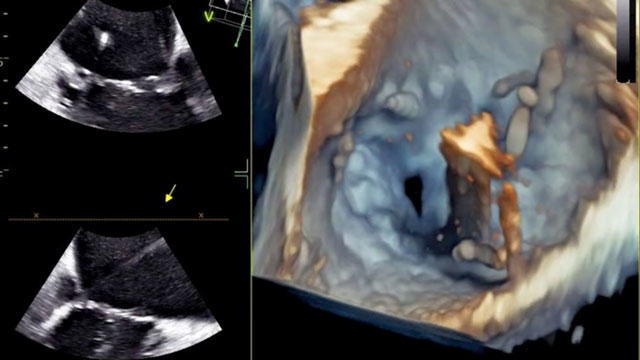
Consult this session dedicated to aortic stenosis and concomitant coronary artery disease to learn how and when to screen for CAD in TAVI candidates, how to optimise your procedure to facilitate future coronary access, and to discover some tips and tricks for successful coronary angiography and PCI after TAVI.
All you need to know before starting a mitral valve-in-valve or valve-in-ring procedure
29 Nov 2022 – From PCR London Valves 2022
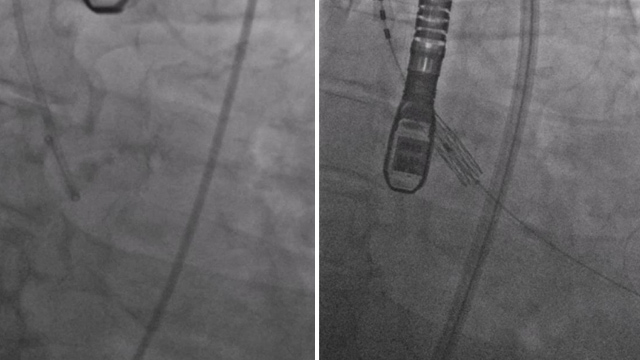
Discover all you need to know before starting a mitral valve-in-valve or valve-in-ring procedure in this session: learn how to evaluate patients with an indication for these procedures, how to identify the risks and determine the choice of prosthesis, the different steps of the procedure using a transseptal approach, and...