3186 results for «3605»
3186 results
High thrombus burden in STEMI
22 May 2025 – From EuroPCR 2025
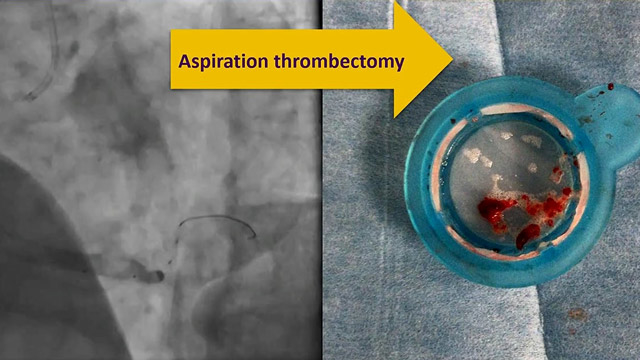
This session addresses the management of high thrombus burden in STEMI patients. It reviews available tools and strategies for thrombus management, presents multiple case-based discussions illustrating treatment decisions, and explores the evolving role of thrombus aspiration in contemporary practice.
Electrosurgical techniques in transcatheter mitral valve replacement
22 May 2025 – From EuroPCR 2025
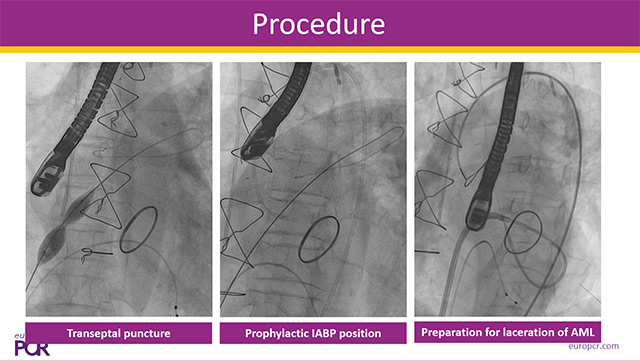
Delve into electrosurgical techniques in transcatheter mitral valve replacement. This session covers advanced methods including the tip-to-base lampoon technique, electrosurgical laceration of failed devices, left ventricular outflow tract obstruction management, combined septal ablation and valve-in-valve procedures, and management of severe aortic regurgitation post-laceration.
Artificial intelligence in the cathlab
22 May 2025 – From EuroPCR 2025
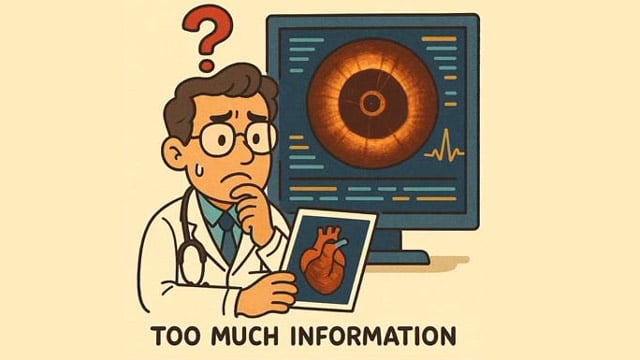
Delve into the transformative role of artificial intelligence (AI) in the cathlab. This session covers AI applications for vulnerable plaque identification using intracoronary OCT, automated coronary angiogram analysis, rapid AI-based OCT interpretation, AI-enhanced decision-making for PCI optimization, and noninvasive microvascular resistance assessment powered by AI.
Deep dive on pulmonary embolism catheter technologies - Clinical trial data and how to use
22 May 2025 – From EuroPCR 2025
Deep dive into pulmonary embolism catheter technologies through case-based presentations. Learn about established and novel devices for acute pulmonary embolism treatment, indications for device use, and management of procedural complications to optimize patient outcomes.
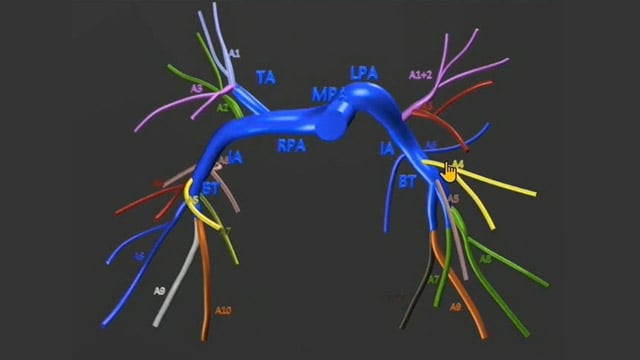
Calcified un-dilatable lesions in ACS: what should I do?
22 May 2025 – From EuroPCR 2025
Address the challenges of severely calcified undilatable lesions during acute coronary syndrome PCI. This session reviews the impact of coronary calcification on PCI strategy, highlights pitfalls in lesion preparation, and presents detailed case studies demonstrating effective treatment approaches.
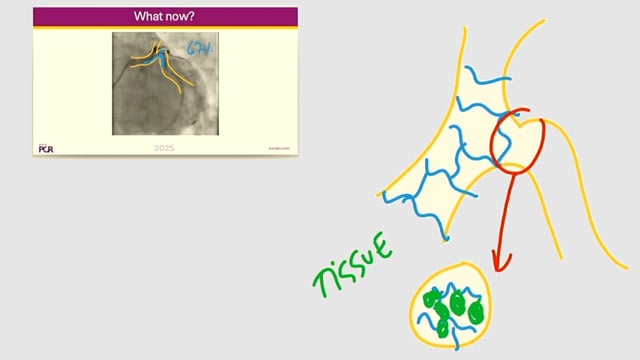
Risk stratification of NSTEMI patients
22 May 2025 – From EuroPCR 2025
Explore the latest insights on risk stratification in NSTEMI patients through comparative analysis of established risk scores such as GRACE, HEART, and TIMI in predicting coronary artery disease severity. This session also reviews outcomes based on diabetes status and left ventricular ejection fraction, prospective validation of...
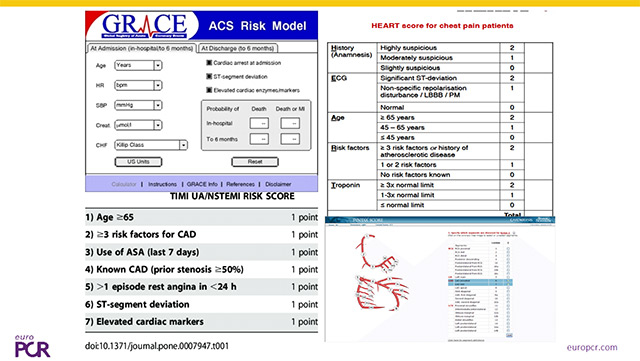
Which device for which patient: DES, BRS or DCB?
22 May 2025 – From EuroPCR 2025
This session provides comprehensive guidance on selecting the appropriate device—DES, BRS, or DCB—for individual patients and lesions. It examines patient and lesion characteristics, strengths and limitations of each device type, and regional considerations, illustrated by case presentations demonstrating practical device choice and resolution.
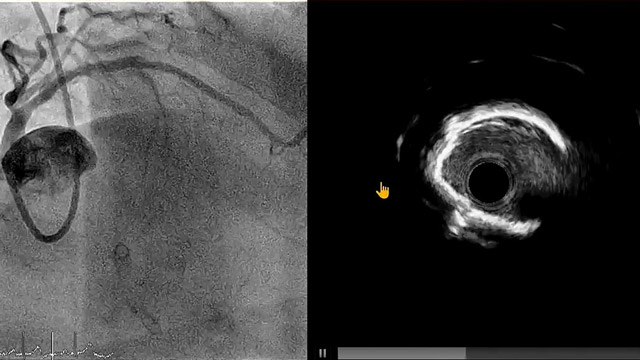
Is DCB a new valid option for coronary revascularisation?
22 May 2025 – From EuroPCR 2025
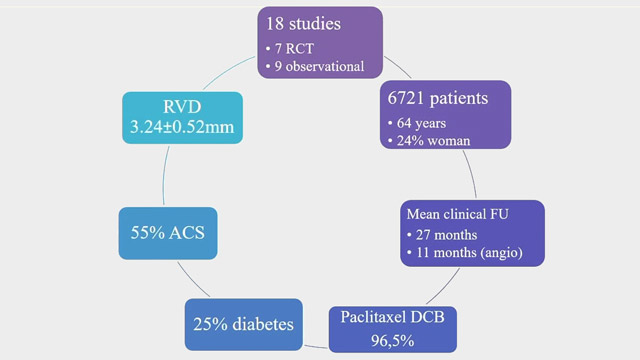
This session provides an in-depth evaluation of drug-coated balloons (DCB) as a valid option for coronary revascularisation. Topics include two-year follow-up comparisons between paclitaxel and sirolimus-coated balloons, clinical outcomes after bailout stenting post-DCB angioplasty, meta-analyses contrasting DCB and DES for large native coronary artery disease, and...
High-risk PCI in acute coronary syndrome
22 May 2025 – From EuroPCR 2025
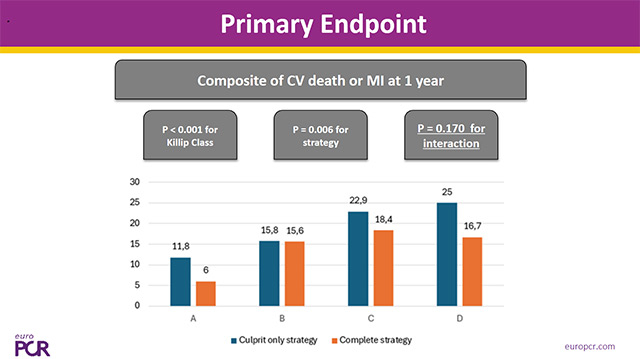
Explore high-risk PCI strategies in acute coronary syndrome patients who are unsuitable for surgery. This session presents insights on Killip class influence, haemodynamic support with micro-axial flow pumps, disease progression patterns in complicated STEMI, and the prognostic value of QFR-guided functional SYNTAX scores in ACS management.
Integrating CT coronary angiography into your PCI practice
22 May 2025 – From EuroPCR 2025
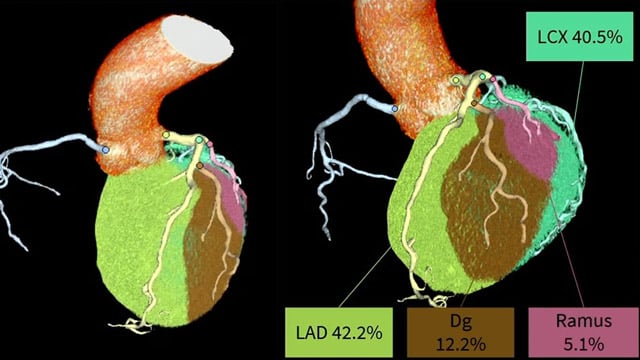
Integrate CT coronary angiography into your PCI practice to enhance procedural planning and outcomes. This session covers practical CT-based approaches for guiding catheter selection, lesion analysis, and stenting strategy. Learn how to leverage CT imaging to anticipate plaque preparation needs in calcified lesions and optimize catheterization...
Calcium and complications management in bifurcation
22 May 2025 – From EuroPCR 2025
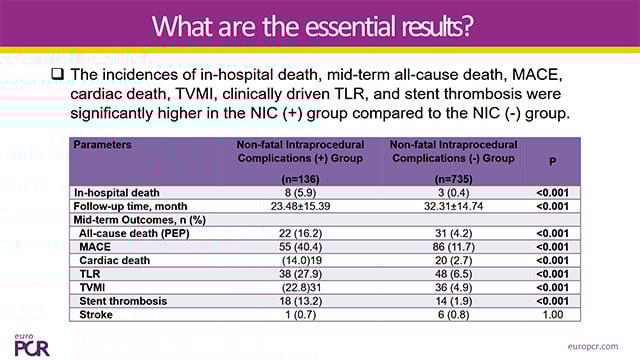
Address calcium-related challenges and complication management in coronary bifurcation PCI. This session reviews the impact of intraprocedural complications during two-stent techniques, procedural success and one-year outcomes of intravascular lithotripsy in calcific bifurcations and unprotected left main PCI, and bench-test analyses of perforation management. Additionally, it compares...
Mitral TEER in challenging scenarios - Part 1
22 May 2025 – From EuroPCR 2025
Confront challenging clinical scenarios in mitral transcatheter edge-to-edge repair (TEER) with this session highlighting unique case experiences. Topics include innovative approaches to transcatheter mitral valve repair, urgent management of critical complications such as severe mitral regurgitation causing respiratory distress, and complex interventions in resource-limited settings such...
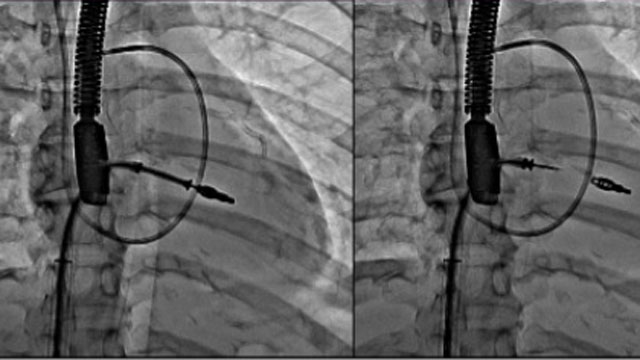
How to manage acute complications during bifurcation PCI
22 May 2025 – From EuroPCR 2025
Navigate acute complications during bifurcation PCI with expert case discussions demonstrating retrieval of fractured guide wires, managing procedural detours in DK crush stenting, distal wire perforations with fistula formation, and challenges such as stent displacement post-deployment. This session provides practical insights into complication management to optimize...
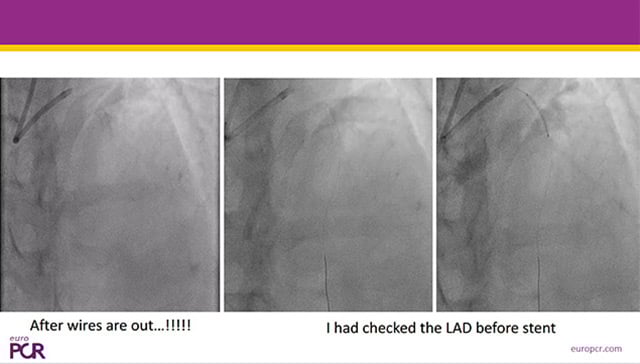
Complications in STEMI : dissections and more
21 May 2025 – From EuroPCR 2025
Address complications encountered in STEMI interventions such as dissections and coronary perforations. Learn from case presentations highlighting procedural challenges, management of delayed perforations, and balancing procedural perfection with practical outcomes.
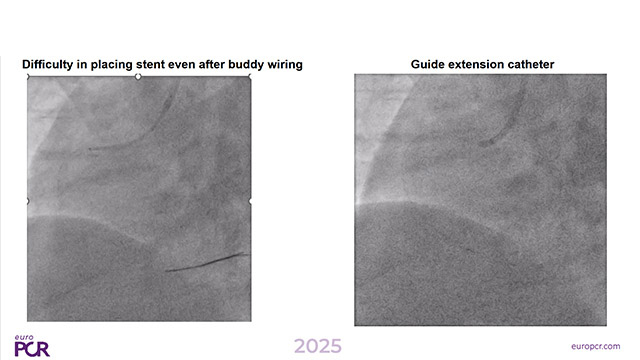
Tricuspid hotline: new devices
22 May 2025 – From EuroPCR 2025
Discover cutting-edge developments in transcatheter tricuspid valve replacement with new device technologies. Review first-in-human trials, early outcomes from multicenter studies, and innovative designs that promise to advance tricuspid regurgitation treatment.
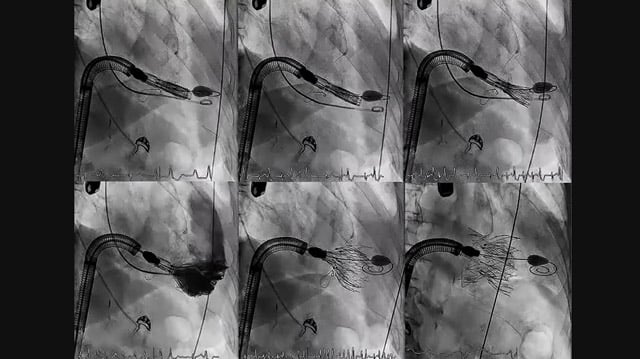
OHCM, ablation complications: interventional solutions
21 May 2025 – From EuroPCR 2025
Explore interventional solutions for complications arising in obstructive hypertrophic cardiomyopathy (OHCM) and ablation procedures. Cases include complex congenital anomalies, novel non-invasive treatments, dual pulmonary vein stenosis, iatrogenic fistulas, and ablation-related cardiac defects.
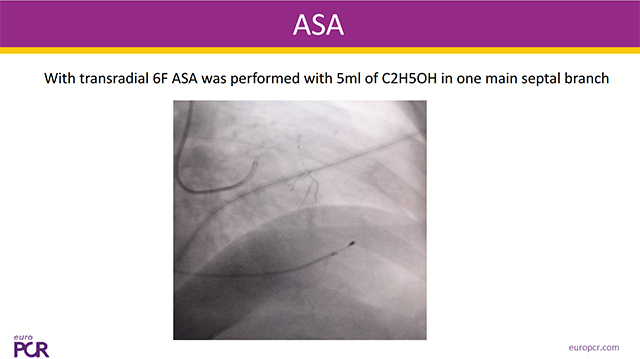
Wireless physiology assessment
22 May 2025 – From EuroPCR 2025
This session examines the evolving field of wireless physiology assessment in PCI. Topics include randomized trials comparing angiography and physiology guidance, prognostic performance of imaging-derived physiology, and outcomes in various patient subsets including elderly patients with multivessel disease.
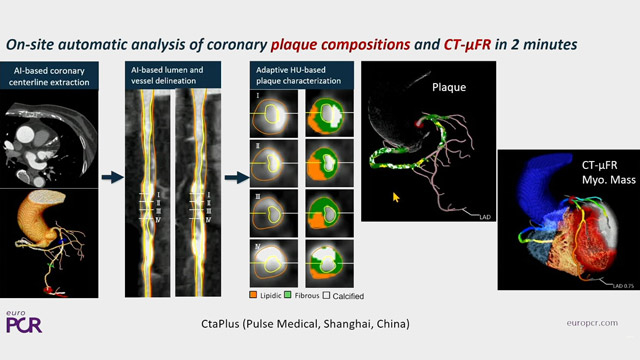
Optimising TEER in challenging anatomies
22 May 2025 – From EuroPCR 2025
Optimize transcatheter edge-to-edge repair (TEER) strategies in challenging anatomies with focus on tricuspid valve interventions, recognition of multivalvular disease, and planning combined mitral and tricuspid TEER procedures. Case studies highlight feasibility challenges and dual valve repair approaches.
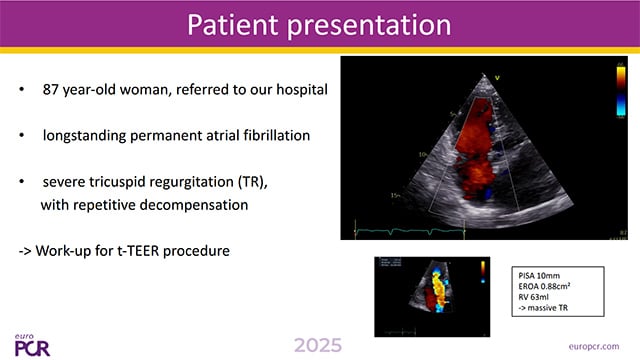
Pharmacotherapy coronary interventions: new insights
22 May 2025 – From EuroPCR 2025
Stay abreast of new insights in pharmacotherapy for coronary interventions with a focus on optimizing patient outcomes. Topics include ticagrelor monotherapy in chronic coronary syndrome post-PCI, analysis of multiple events in high bleeding risk patients from the MASTER DAPT trial, effects of beta-blocker interruption in MI...
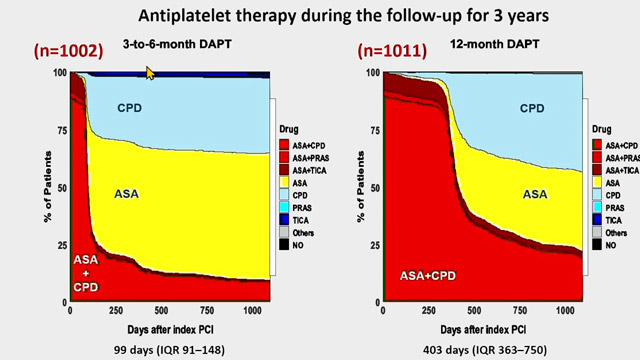
Building bridges, not barriers: transforming communication with patients
22 May 2025 – From EuroPCR 2025
Enhance your communication skills with patients undergoing interventional cardiology procedures. This session emphasizes verbal and non-verbal techniques to inform and support patients, simplifying complex procedural explanations, and strengthening your role as the critical link between patients and the healthcare team for improved outcomes.