


3138 results for «3146»
3138 results
Optimising CTO outcomes by lesion selection
21 May 2025 – From EuroPCR 2025
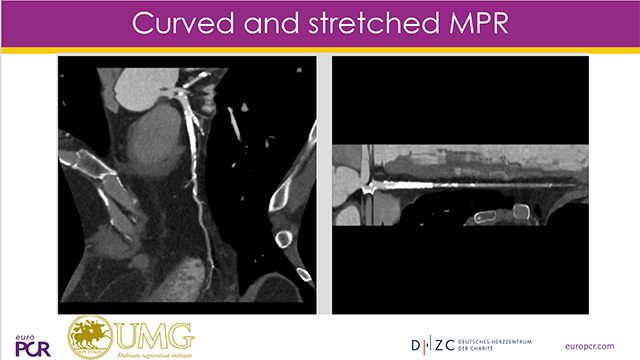
Optimize chronic total occlusion (CTO) PCI outcomes through lesion selection strategies. This session reviews coronary calcium patterns via CT, target vessel considerations, distal vessel remodeling, imaging-guided versus conventional approaches, and complex lesion cases.
Intracoronary imaging for complex PCI: a must!
21 May 2025 – From EuroPCR 2025
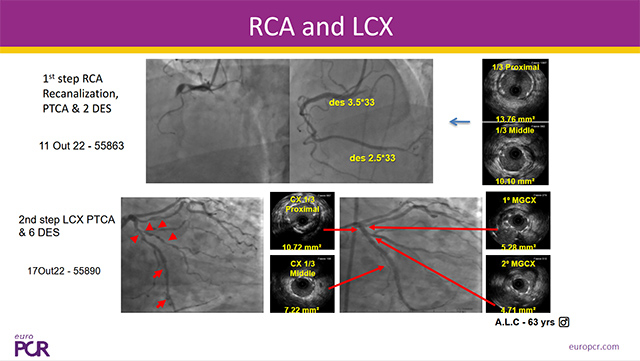
Recognize the indispensable role of intracoronary imaging in managing complex PCI cases. This session explores the evolution of multivessel NSTEMI treatment using DES, BRS, DCB, and imaging, challenges with recurrent in-stent restenosis across multiple stent layers, innovative imaging solutions for complex lesions, and diagnostic approaches to...
Management of stent-related complications
21 May 2025 – From EuroPCR 2025
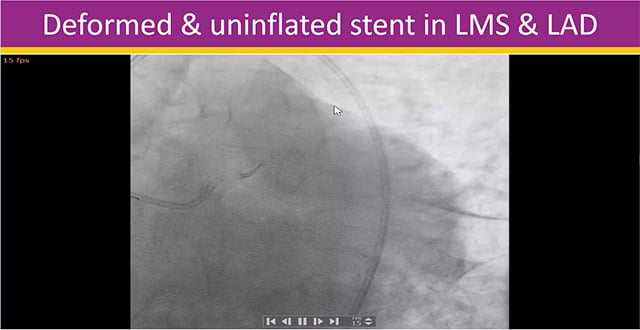
This session addresses the management of stent-related complications through a series of dramatic clinical cases. Learn methodical approaches to routine and crisis scenarios including primary PCI complications, failure to stent, and unexpected challenges encountered during interventions, highlighting practical bailout techniques and decision-making frameworks.
Hotline TAVI 2: outcomes with new and established devices
21 May 2025 – From EuroPCR 2025
Review outcomes of new and established TAVI devices through pooled analyses and multicenter studies. Topics include comparisons of balloon-expandable valves, intra- versus supra-annular self-expanding valves, and insights from the ACURATE IDE and ACURATE prime studies.
TAV-in-TAV complications
21 May 2025 – From EuroPCR 2025
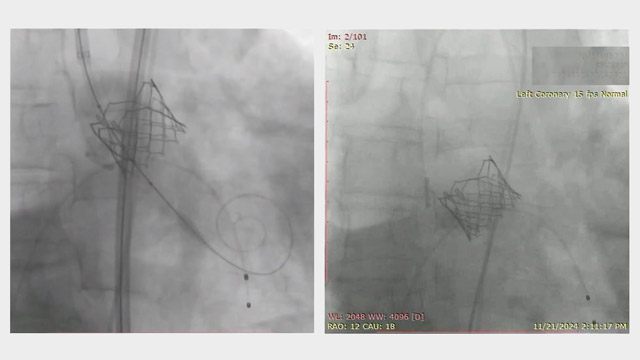
Focus on the complexities and challenges of TAV-in-TAV procedures in this session. Topics include planning valve-in-valve TAVI for aortic bioprosthetic valve regurgitation, managing anatomical challenges such as left ventricular outflow tract calcium and large annulus, and addressing severe bicuspid valve stenosis with impaired ventricular function. The...
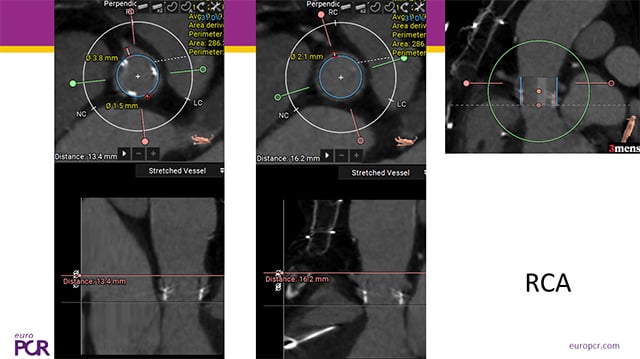
How to select appropriate cardiovascular intervention for a patient with tricuspid regurgitation?
21 May 2025 – From EuroPCR 2025
Learn how to select appropriate cardiovascular interventions for tricuspid regurgitation patients by considering comorbidities, anatomical factors influencing procedural success, and imaging criteria for device selection. The session includes patient vignettes to illustrate decision-making pathways.
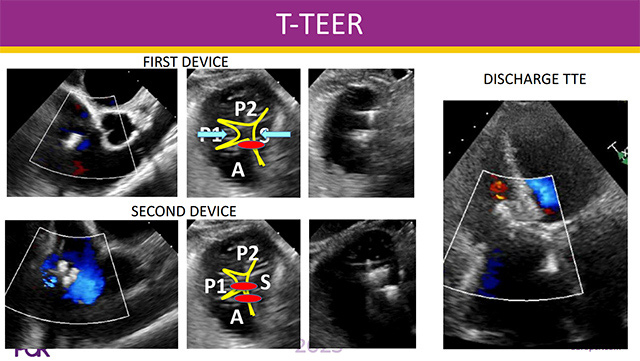
Iatrogenic causes for shock treated with LV support
21 May 2025 – From EuroPCR 2025
Explore the management of iatrogenic causes of cardiogenic shock requiring left ventricular support. This session presents complex cases including shock following Bentall procedures, complications during anesthesia induction in bypass surgery, and strategic approaches to prevent and manage these critical scenarios using LV support devices.
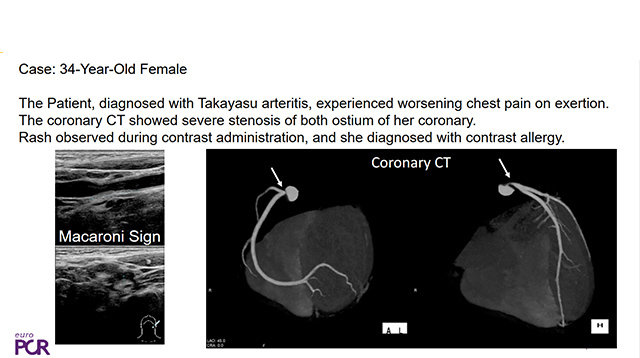
A journey into the ANOCA and INOCA dilemma
21 May 2025 – From EuroPCR 2025
Explore the complex clinical dilemma of ANOCA and INOCA with focus on angina endotypes, prognostic stratification, metabolic phenotype associations, and microvascular function assessment using indices such as microcirculatory resistance and microvascular resistance reserve.
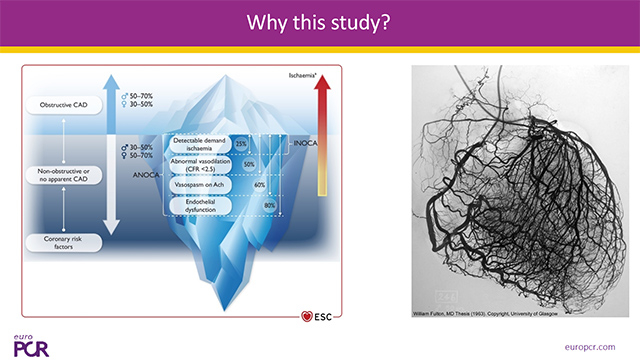
Coronary scaffolds: new developments and applications
21 May 2025 – From EuroPCR 2025
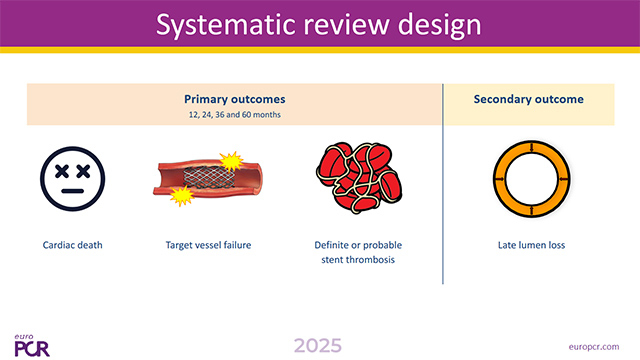
Stay informed on advancements in coronary scaffolds with this session reviewing new developments and applications. Topics include comparative performance of magnesium-based bioresorbable stents, long-term clinical outcomes from the BIOMAG-I and FANTOM BRS studies, and real-world experiences with next-generation thin-strut scaffolds.
Updates in transcatheter MVR
21 May 2025 – From EuroPCR 2025
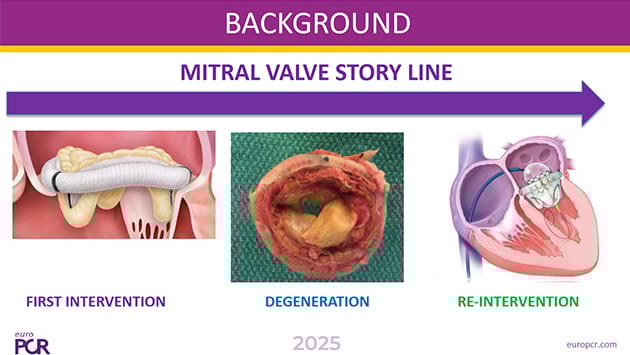
This session provides a detailed overview of recent advances in transcatheter mitral valve replacement (TMVR). Examine outcomes from next-generation transcatheter heart valves, long-term clinical data from mitral valve-in-valve and valve-in-ring procedures, and explore innovative approaches including transseptal MVR with insights from global studies.
Mitral TEER in challenging scenarios - Part 2
21 May 2025 – From EuroPCR 2025
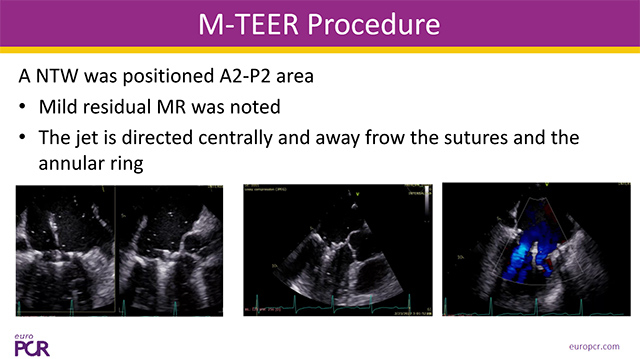
This session focuses on challenging scenarios encountered during mitral transcatheter edge-to-edge repair (TEER). Learn about management of complications such as haemolysis, device malfunctions, and complex vascular access issues, supported by instructive case presentations including bailout strategies in cardiogenic shock and infective endocarditis.
Cathlab harmony: building high-performance teams
21 May 2025 – From EuroPCR 2025
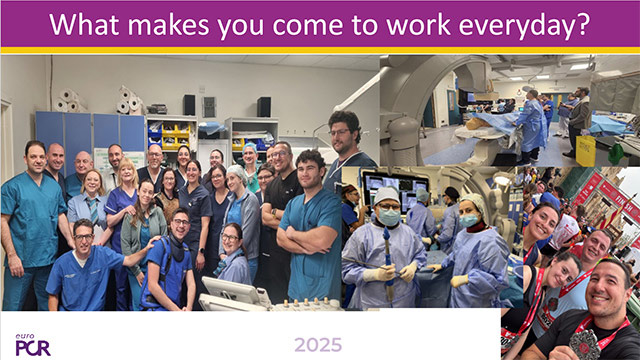
Discover strategies to build and maintain high-performance teams in the cathlab environment. This session outlines how to foster a collaborative culture, address toxic behaviors, and effectively train and integrate team members to enhance teamwork and procedural success in cardiovascular interventions.
Imaging-based strategies for complication management in STEMI
21 May 2025 – From EuroPCR 2025
Discover imaging-based strategies to manage complications during STEMI interventions. This session discusses diagnostic clues such as spasm, stuck devices, and slow flow, and illustrates complex scenarios including extreme stent challenges and application of CTO techniques to STEMI cases for optimized outcomes.
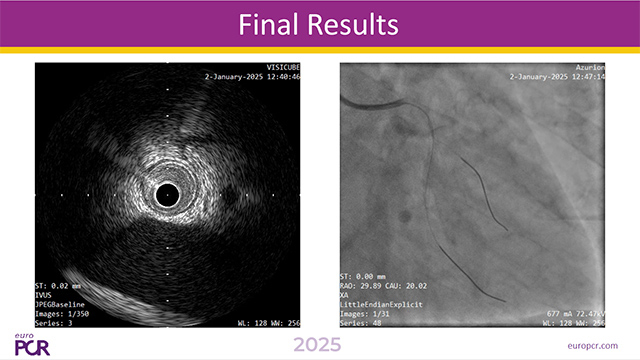
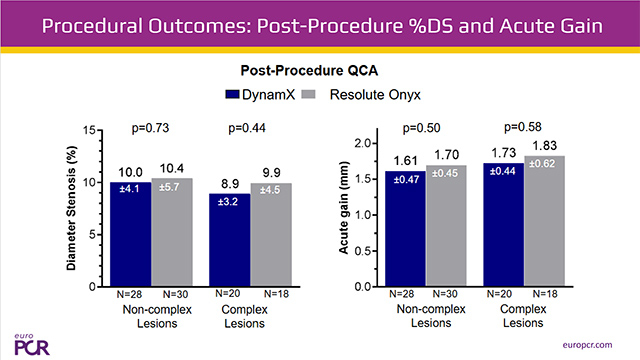
DES and bioadaptator technologies in contemporary practice
21 May 2025 – From EuroPCR 2025
Delve into contemporary practice with this session on drug-eluting stents (DES) and bioadaptator technologies. Gain insights from international studies on complex PCI outcomes, comparative data from randomized trials, and real-world experiences focusing on high bleeding risk patients and elderly cohorts treated with ultrathin strut and new-generation...
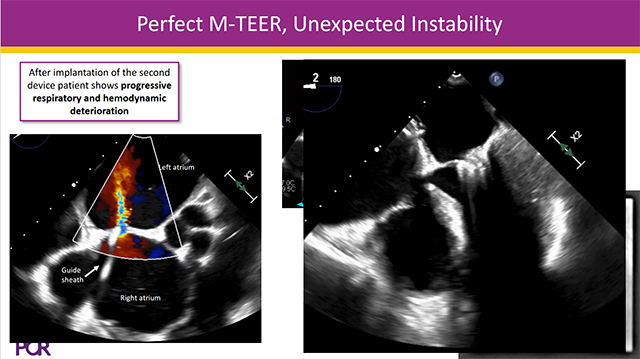
Complication management during mitral TEER procedures
21 May 2025 – From EuroPCR 2025
Explore complex case scenarios of complication management during mitral TEER procedures. This session covers haemodynamic challenges, thrombotic events, device malfunctions, and rare embolisation incidents, providing practical insights into effective bailout techniques and procedural problem-solving.
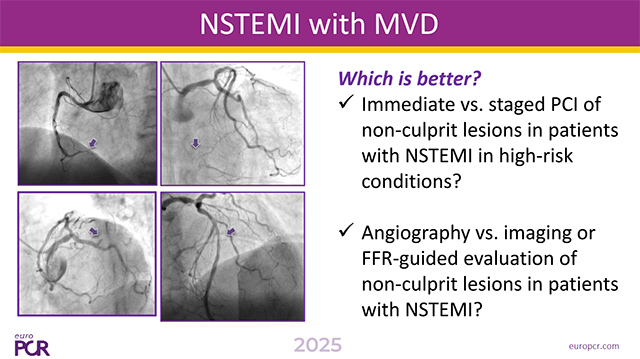
Management of non-culprit lesions in patients with ACS and multivessel disease
21 May 2025 – From EuroPCR 2025
This session addresses the optimal management of non-culprit lesions (NCL) in patients with acute coronary syndrome (ACS) and multivessel disease. Learn about angiography, imaging, and FFR-guided strategies, timing considerations for PCI in high-risk NSTEMI patients, and patient selection for early staged PCI post-STEMI through detailed case...
TAVI for aortic regurgitation: on-label and off-label use
21 May 2025 – From EuroPCR 2025
This session reviews on-label and off-label applications of transcatheter aortic valve implantation (TAVI) for treating aortic regurgitation. Examine complex cases including TAVI in patients with aortic dissection, cardiogenic shock, and valve-in-valve interventions, highlighting innovative procedural approaches and bailout strategies.
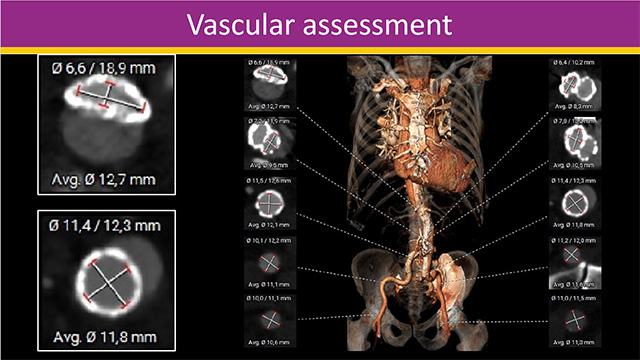
CTO, modern challenges and solutions
21 May 2025 – From EuroPCR 2025
Address modern challenges in chronic total occlusion (CTO) interventions with this session focusing on the latest technologies and techniques. Learn key procedural strategies and best practices through detailed case studies, and understand how evolving technology is shaping the future of CTO revascularization.
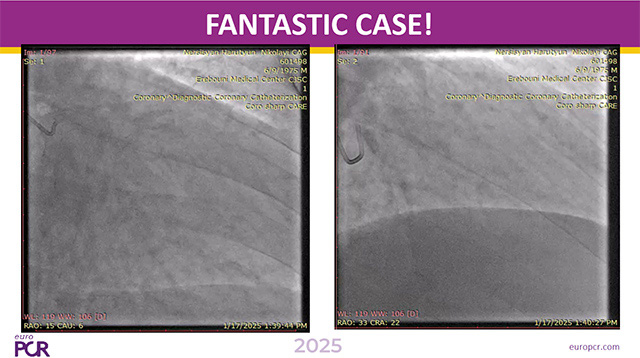
New evidence in the PFO closure
21 May 2025 – From EuroPCR 2025
Gain new insights into patent foramen ovale (PFO) closure with this session exploring age-related outcomes, risk of atrial arrhythmia, and patient selection improvements. Review various imaging approaches for assessing residual shunts and compare guidance techniques including TEE, fluoroscopy, and intracardiac echo from recent clinical registries.
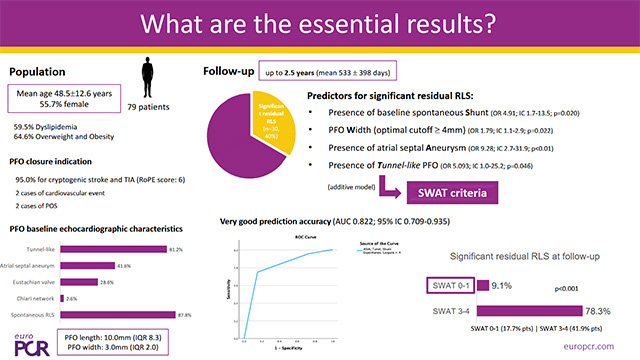
Management of high-risk left main lesion
21 May 2025 – From EuroPCR 2025
Focus on managing high-risk left main coronary lesions with this session featuring complex cases such as thrombotic lesions, calcified distal left main PCI with orbital atherectomy and IVUS guidance, and advanced stenting techniques. Learn practical approaches for challenging anatomical and clinical scenarios to optimize patient outcomes.
