3634 results for «209»
3634 results
TAVI for asymptomatic aortic stenosis after EARLY TAVI - TAVI and coronary artery disease after NOTION-3
21 May 2025 – From EuroPCR 2025
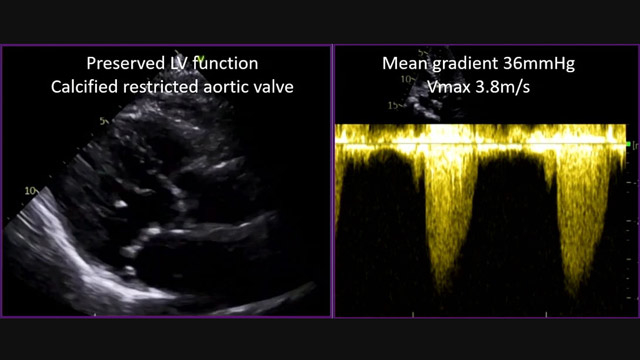
Critically assess the clinical implications of the EARLY TAVI and NOTION-3 trials with a focus on asymptomatic aortic stenosis and concomitant coronary artery disease. This session integrates recent evidence into patient-centered care pathways, offering case-based insights for optimizing timing and management strategies in TAVI patients.
How are we going to treat these sick patients presenting with pulmonary embolism?
21 May 2025 – From EuroPCR 2025
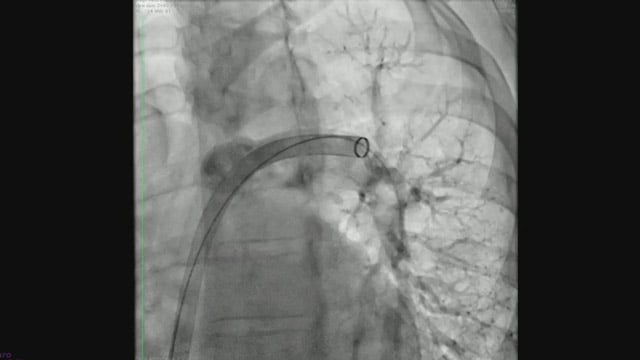
Address the urgent clinical question of how to treat patients presenting with pulmonary embolism across varying risk profiles. This session covers risk stratification and discusses interventional treatment options through detailed case analyses of intermediate and high-risk patients, providing practical guidance for individualized management.
TAVI in challenging anatomical situations
21 May 2025 – From EuroPCR 2025
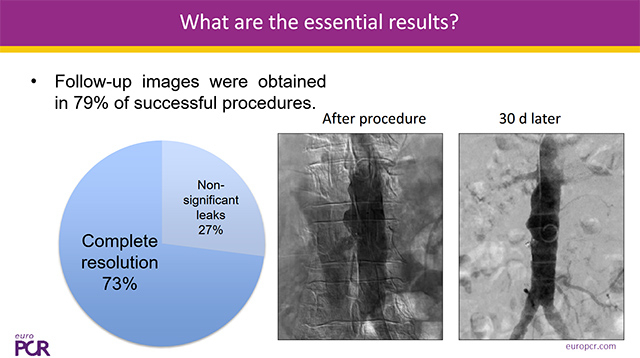
Delve into the latest advancements in TAVI for challenging anatomical situations. This session features insights from the NORTHOSTAVI registry, transcaval TAVI experiences, early discharge protocols following alternative access, and the application of intravascular lithotripsy to enable safe transfemoral valve replacement.
How to deal with left main culprit in NSTEMI
21 May 2025 – From EuroPCR 2025
This session offers a cross-geographic exchange on managing left main culprit lesions in NSTEMI patients. Learn different interventional approaches, risk evaluation for periprocedural complications, and diverse PCI management strategies tailored to this complex subgroup.
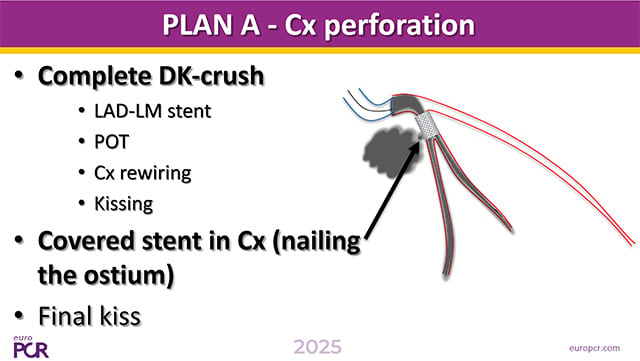
Critical limb ischaemia below the knee treatment
21 May 2025 – From EuroPCR 2025
This session focuses on advanced techniques for treating critical limb ischaemia below the knee. Understand how to select wires for antegrade recanalisation, the role and timing of retrograde access, and the potential benefits of drug-coated balloons in below-the-knee angioplasty.
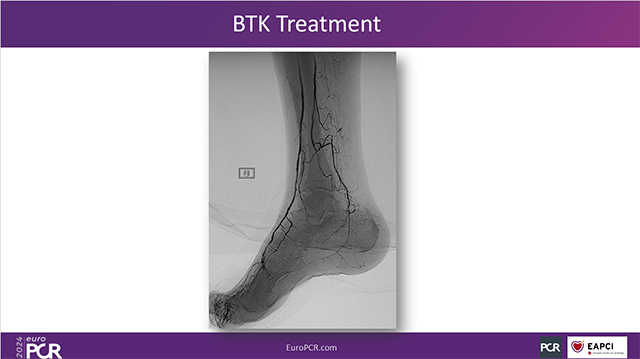
How imaging can improve efficiency in CTO PCI
21 May 2025 – From EuroPCR 2025
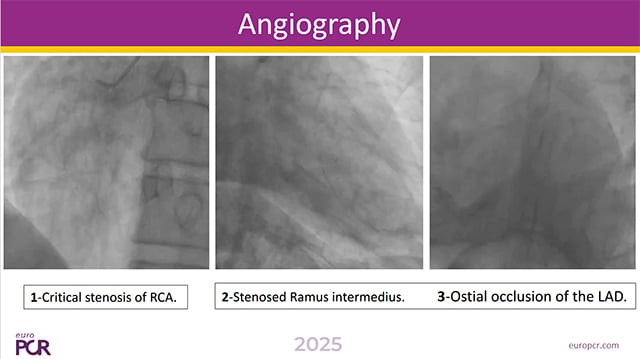
Discover how advanced imaging techniques improve efficiency in CTO PCI procedures. This session features IVUS-guided antegrade dissection, angio-CT guided retrograde recanalisation, and complex cases involving anomalous anatomy and multiple bifurcations.
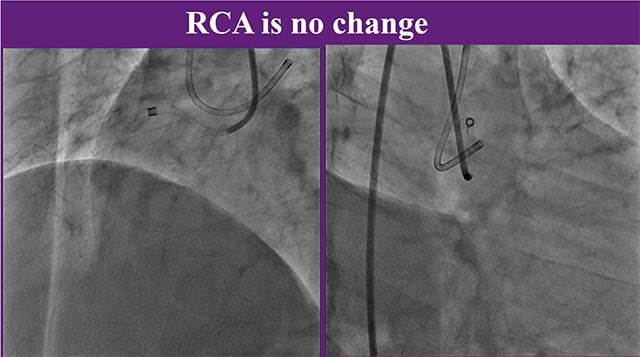
Calcified lesions: preparing for the battlefield
21 May 2025 – From EuroPCR 2025
Prepare to tackle calcified coronary lesions with expertise in imaging interpretation and calcium modification tools. This session covers IVUS and OCT use, preparation techniques, and enhancing team communication to optimize procedural outcomes in complex cases.
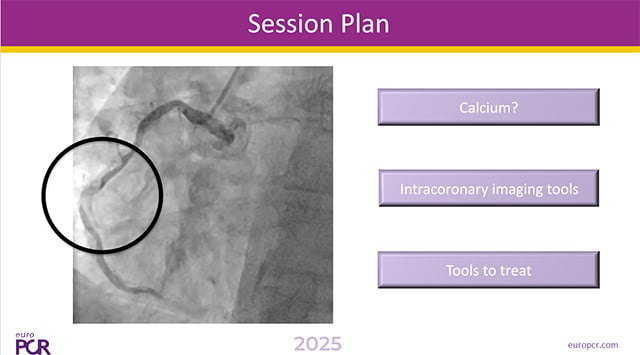
Bifurcation stenting techniques outcomes
21 May 2025 – From EuroPCR 2025
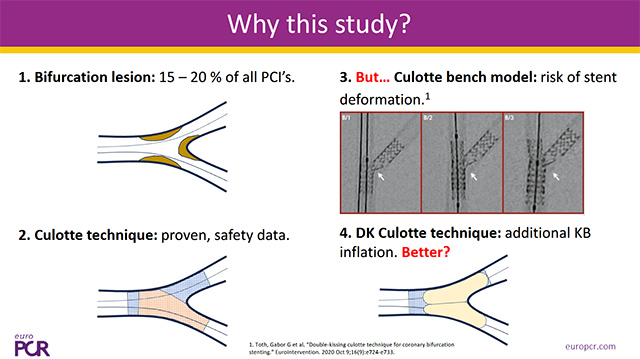
Examine the outcomes of various bifurcation stenting techniques with insights from multiple registries and trials. This session compares guidance methods and evaluates clinical results of double kissing culotte, nano-crush, POKI, and DK crush techniques in different lesion settings.
Challenging STEMI cases: unwanted situations
21 May 2025 – From EuroPCR 2025
Address challenging STEMI cases involving multivessel disease, high thrombus burden, and spontaneous coronary artery dissection. This session provides case-based learning on managing unexpected scenarios, diagnostic approaches, and tailored treatment strategies in complex STEMI presentations.
Optimal use of cardiac imaging to plan and guide transcatheter LAA closure
22 May 2025 – From EuroPCR 2025
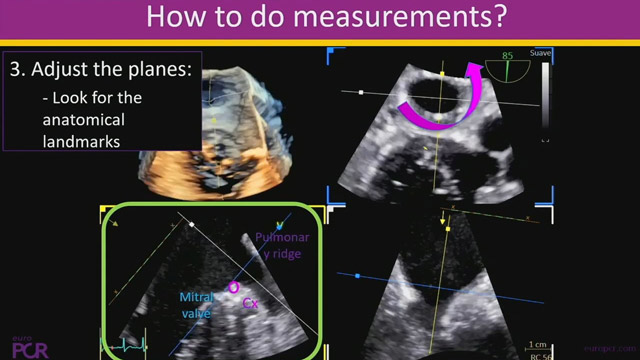
Optimize left atrial appendage (LAA) closure outcomes through expert use of cardiac imaging. This session details the role of various imaging modalities in pre-procedural planning, intraprocedural guidance, and post-procedural assessment. Gain practical insights on transesophageal echocardiography, computed tomography, intracardiac echocardiography, and their integration to enhance procedural...
Challenging session in calcified lesions
22 May 2025 – From EuroPCR 2025
Engage with a challenging session focused on complex calcified lesion interventions. Topics include innovative triple burr techniques, OCT insights into resistant lesions, volume reduction strategies, eccentric calcium management, and IVUS-guided left main calcified lesion treatment, highlighting practical approaches to difficult cases.
TAVI outcomes
22 May 2025 – From EuroPCR 2025
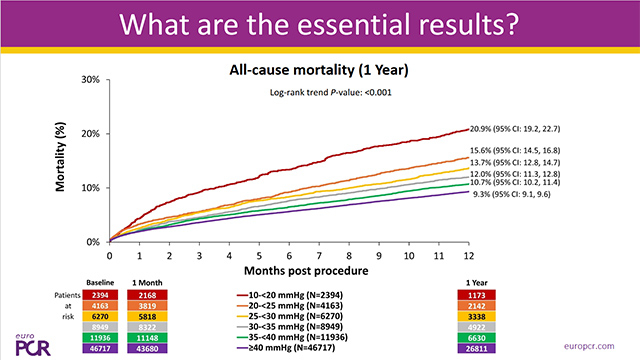
Examine contemporary outcomes of transcatheter aortic valve implantation (TAVI) across diverse patient populations and device generations. This session presents data on severe aortic stenosis stratified by resting gradient, comparisons between bicuspid and tricuspid valve stenosis, and clinical results of intra-annular versus supra-annular devices, including two-year outcomes...
Leaflet modification to prevent coronary obstruction during TAVI
22 May 2025 – From EuroPCR 2025
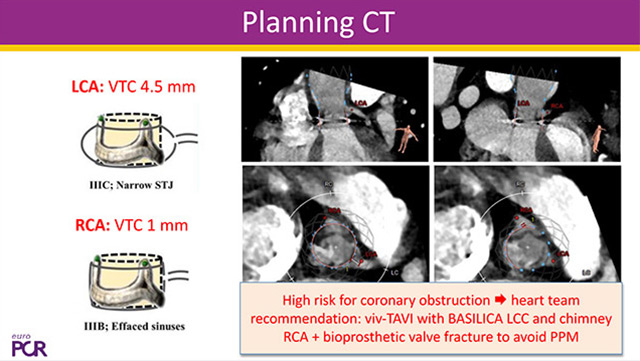
This session addresses advanced leaflet modification techniques to prevent coronary obstruction during TAVI. Learn from detailed cases involving valve-in-valve interventions, treatment of failed stentless valves, homograft management, and dedicated devices for leaflet modification prior to valve-in-valve and valve-in-valve-in-valve procedures.
Coronary physiology: FFR and beyond
22 May 2025 – From EuroPCR 2025
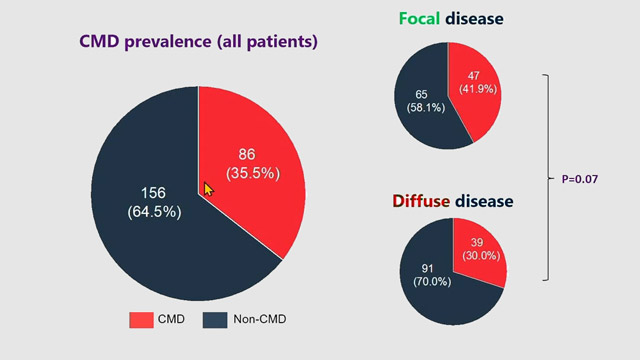
Advance your understanding of coronary physiology with a focus on fractional flow reserve (FFR) and beyond. This session covers randomized trials comparing physiology-guided treatment to standard care in ANOCA, graft patency related to quantitative flow ratio, impacts of microvascular dysfunction on patient outcomes, and prognostic value...
Management of complex left main trifurcation lesion
22 May 2025 – From EuroPCR 2025
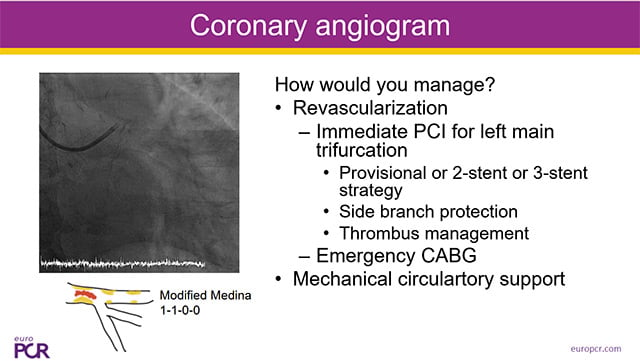
This session focuses on the management of complex left main trifurcation lesions. Review hybrid and double TAP techniques, long-term follow-up outcomes, and innovative approaches such as the inverted double TAP technique, offering insights into optimizing treatment strategies for these challenging anatomical scenarios.
All you need to know on aorto iliac disease during TAVI: from access to complications management
22 May 2025 – From EuroPCR 2025
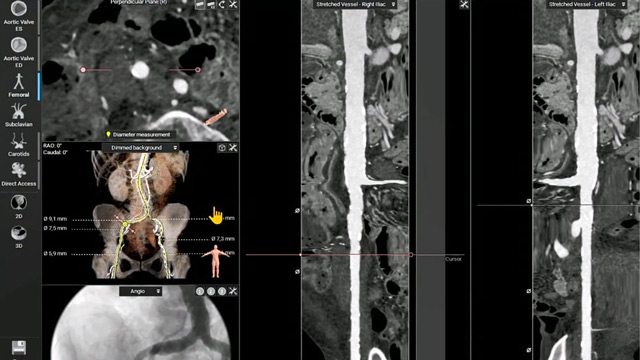
Gain expertise in managing aorto-iliac disease during TAVI procedures, from access planning to complication management. This session covers key imaging techniques, decision-making regarding stenting and lesion modification, approaches to access-related complications, and criteria for involving vascular surgeons, ensuring procedural safety and success.
Challenging tricuspid TEER cases
22 May 2025 – From EuroPCR 2025
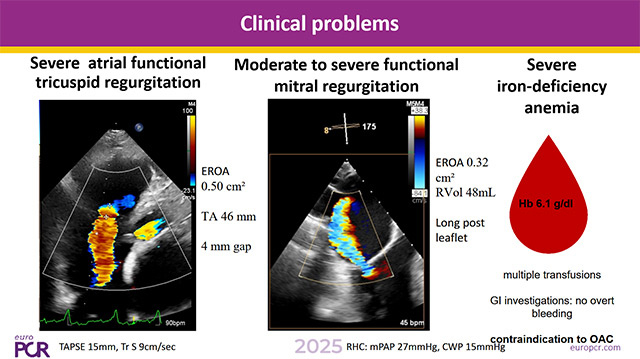
Explore challenging tricuspid transcatheter edge-to-edge repair (TEER) cases highlighting combined LAA occlusion and mitral valve repair, anatomical complexities, and strategies to complete surgical interventions percutaneously. Discuss the balance between procedural perfection and clinical practicality in complex valve anatomies.
TAVI in bicuspid aortic valve disease
22 May 2025 – From EuroPCR 2025
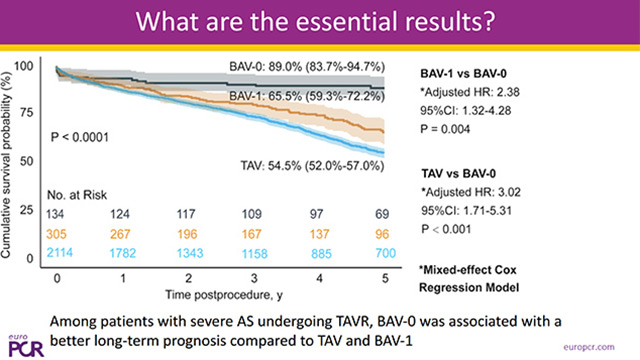
Explore the unique challenges of TAVI in bicuspid aortic valve disease with a focus on long-term outcomes, residual gradients, prosthesis-patient mismatch, and anatomical subtype comparisons. This session draws on international registry data to inform clinical decision-making and optimize procedural strategies in this complex patient population.
Troubleshooting and management communication in LAA closure
22 May 2025 – From EuroPCR 2025
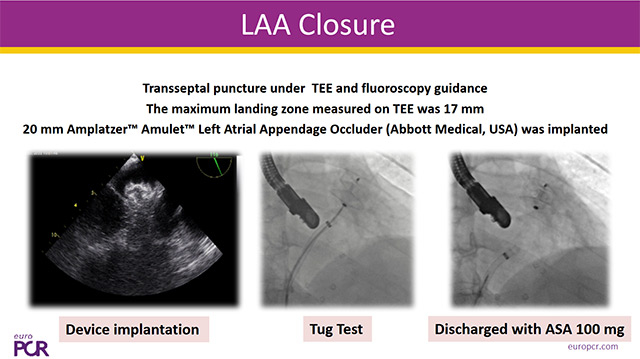
This session provides comprehensive guidance on troubleshooting and communication during left atrial appendage (LAA) closure procedures. Covering device migration management, transeptal puncture in high bleeding risk patients, scoliosis adaptations, and advanced catheter techniques, it emphasizes practical solutions for procedural complications.
Advanced tools for the diagnosis of coronary artery disease
22 May 2025 – From EuroPCR 2025
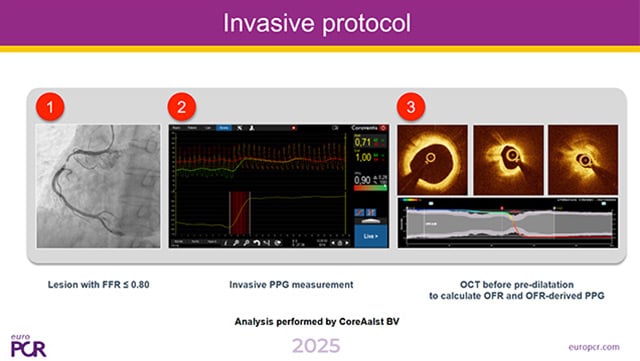
This session highlights advanced diagnostic tools for coronary artery disease, focusing on innovative pressure gradient assessments, computed tomography perfusion accuracy in stented patients, head-to-head comparisons of IQ-FFR with invasive FFR, and comprehensive evaluations of coronary physiology and plaque vulnerability derived from angiography.