3647 results for «764»
3647 results
Unconventional coronary interventions
21 Sep 2023 – From AICT-AsiaPCR 2023
Join us in this session where our experts speakers delve into their experiences with unexpected diagnostic challenges and share innovative strategies to tackle unique cases, such as subacute stent thrombosis, flow-limiting moderate stenosis with vulnerable plaque, PCI in Takayasu arteritis, and more!
Challenging STEMI cases
22 Sep 2023 – From AICT-AsiaPCR 2023
Dive into complex STEMI cases in this session, featuring presentations on unusual coronary anomalies, the challenges of long diffuse lesions, innovative approaches like intracoronary arterial retrograde thrombolysis, an intriguing case of acute coronary syndrome with uncommon causes, and much more!
Navigating challenges in left main lesions
22 Sep 2023 – From AICT-AsiaPCR 2023
Dive into the world of left main coronary artery issues through these presentations, and discover how they tackle challenging scenarios, from cathlab nightmares and syncope management to complex left main bifurcation procedures and primary angioplasty in cardiogenic shock patient with prior angioplasty history.
Calcified lesions complications
21 Sep 2023 – From AICT-AsiaPCR 2023
Uncover the art of mastering complications associated with severe calcified lesions in this session: learn about top-notch techniques, the latest technological advancements, gain insights into addressing challenges arising from calcification, and more!
Strategies for unexpected stable CAD complications
22 Sep 2023 – From AICT-AsiaPCR 2023
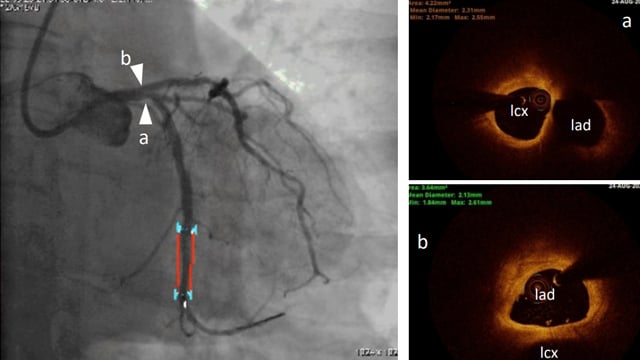
Join us for this session as experts recount their experiences in successfully managing unexpected complications. Learn about a remarkable bailout of iatrogenic dissection in the right coronary artery, the challenges of severe catheter kinking and entrapment during transradial coronary angiography, and much more!
Spontaneous coronary artery disease, INOCA, MINOCA in women
21 Sep 2023 – From AICT-AsiaPCR 2023
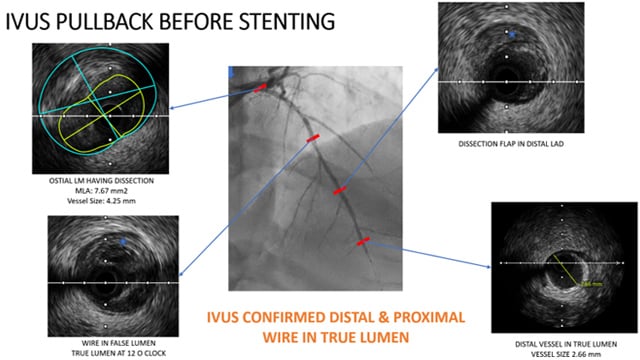
Consult this session to better understand the causes of myocardial infarction without obstructive disease (MINOCA), to revisit ischemia with no obstructive coronary atherosclerosis (INOCA), and to broaden your understanding of spontaneous coronary artery dissection (SCAD) beyond its association with pregnancy.
Next-gen complex interventional techniques and solutions
21 Sep 2023 – From AICT-AsiaPCR 2023
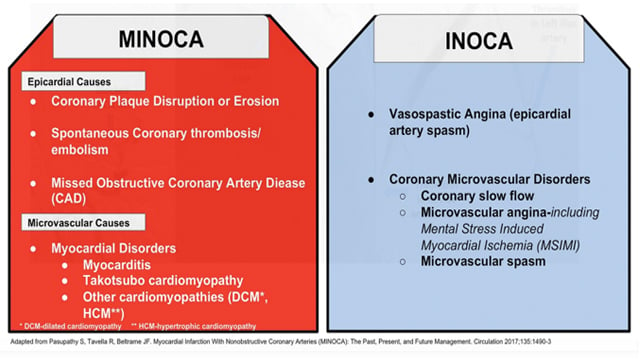
Join us in this session where experts delve into advanced techniques for complex interventions: discover tips for PCI without metallic stents, explore novel tools for bifurcation and complex lesions, and learn from clinical experiences in managing long diffused lesions.
Learning - Reimagining STEMI network
21 Sep 2023 – From AICT-AsiaPCR 2023
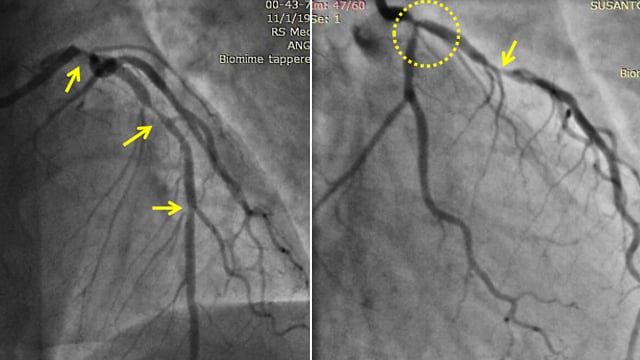
Consult this session to discover the profound impact of initiatives like Stent Saves a Life on patient care, to learn how artificial intelligence is transforming acute myocardial infarction management and to explore the role of pharmaco-invasive strategies and multi-vessel PCI in treating STEMI patients.
NSTEMI: lessons from real cases
21 Sep 2023 – From AICT-AsiaPCR 2023
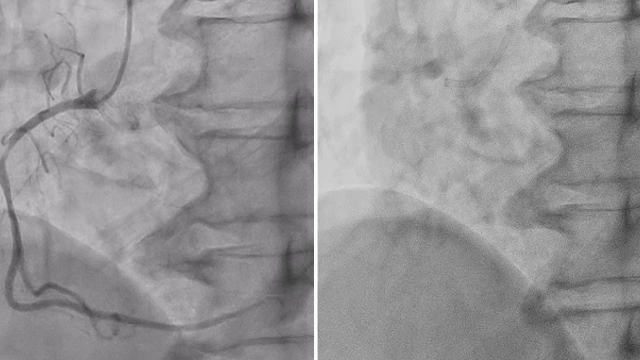
Explore real-world cases in this NSTEMI session where experts discuss their experiences in managing challenging scenarios: learn about novel techniques to handle RCA perforations, restore torqued and kinked catheters, and more!
STEMI complications and beyond
21 Sep 2023 – From AICT-AsiaPCR 2023
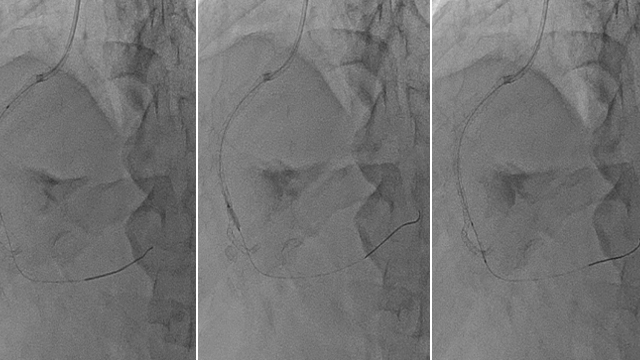
Join us in this session to unravel the challenges stemming from STEMI and gain the knowledge to effectively overcome them: learn to navigate acute thrombotic situations affecting the heart, brain and limbs, discover how to handle access site issues during primary PCI and explore the role...
Challenges in calcified lesions
21 Sep 2023 – From AICT-AsiaPCR 2023
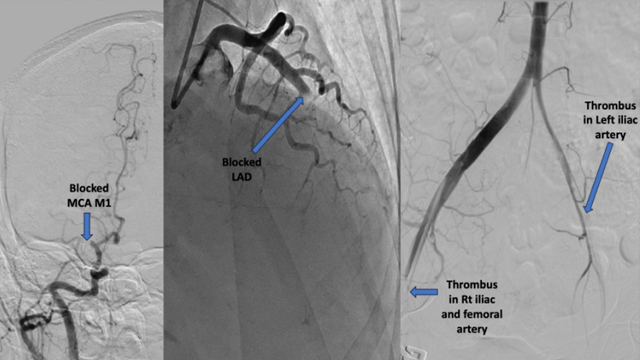
Explore a variety of challenging cases in this session, from the perplexing uncrossable STEMI to the specialized "Blocked" balloon anchoring technique, the unique challenges of calcified lesions in elderly patients to the debulking of a calcified nodule within the left circumflex ostium through the stent strut,...
Learning - A mission impossible: smorgasboard of high bleeding risk issues
21 Sep 2023 – From AICT-AsiaPCR 2023
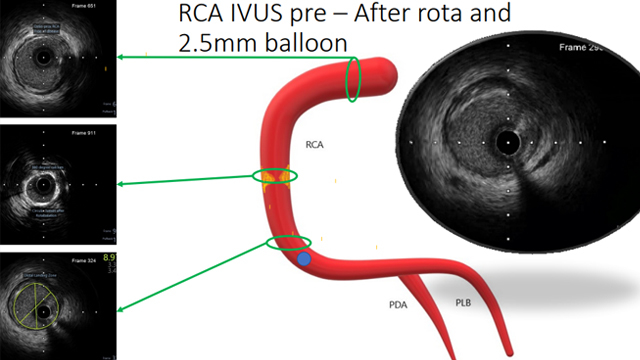
Consult this session to explore practical insights into identifying high bleeding risk individuals and implementing effective strategies to prevent and reduce bleeding complications, especially in complex scenarios, to learn to navigate the intricate maze of post-PCI anti-thrombotic strategies in high bleeding risk patients and to find...
CTO challenges
21 Sep 2023 – From AICT-AsiaPCR 2023
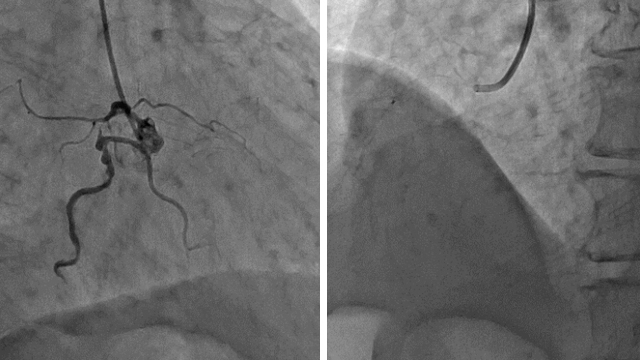
Broaden your knowledge in CTO interventions in this session: delve into the complexities of managing refractory angina, gain insights into the unique challenges of anomalous and ectatic RCA CTOs, explore effective techniques using separate cornus branch in LAD treatment, and discover how to address unexpected complications...
Innovations in TAVI and mitral interventions
22 Sep 2023 – From AICT-AsiaPCR 2023
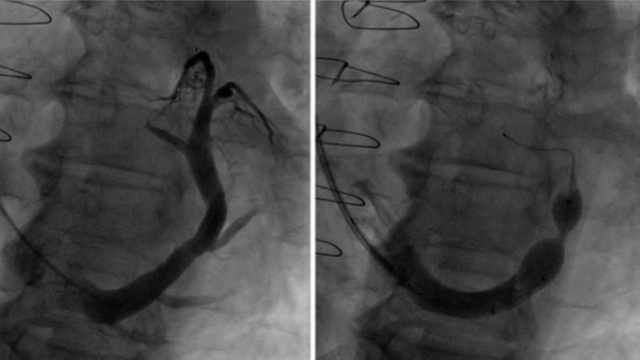
Discover the latest advancements in TAVI and mitral interventions in this session: discover strategies for managing non-operable cases involving triple vessel disease and severe mitral regurgitation, along with insights into tackling recurrent heart failure in patients with coronary artery and valvular heart disease, delve into the...
Top abstracts of AICT-AsiaPCR 2023
21 Sep 2023 – From AICT-AsiaPCR 2023
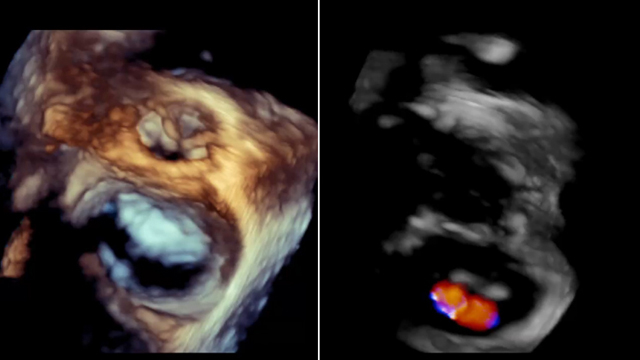
Explore the cutting-edge research showcased in the top abstracts of AICT-AsiaPCR 2023, featuring insights on CT-based valve sizing for TAVR in bicuspid aortic stenosis and the impact of bleeding events post-TAVI on long-term mortality.
Contrast-less PCI
22 Sep 2023 – From AICT-AsiaPCR 2023
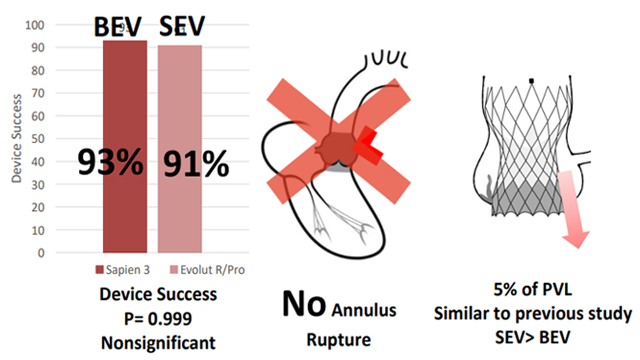
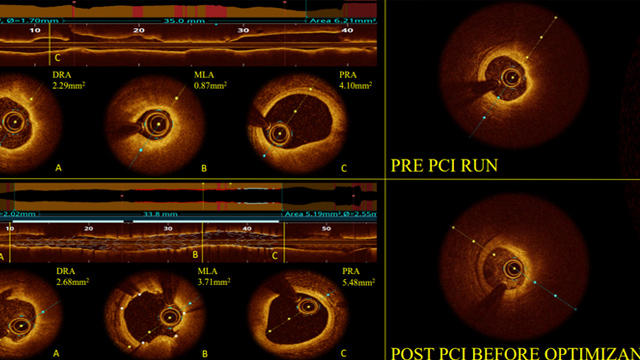
Discover various techniques for minimizing contrast usage during PCI procedures in this session, and learn about precautionary measures to prevent contrast-induced nephropathy, procedural steps for limiting contrast in complex PCI, as well as the valuable role of OCT imaging in low-contrast complex PCI decision-making and optimization.
Management of cathlab disasters
21 Sep 2023 – From AICT-AsiaPCR 2023
Explore the complexities of cathlab disaster management in this session: learn about the systematic process for preparing and responding to cathlab emergencies, discover the crucial roles played by cathlab professionals and teams during these critical situations, and gain valuable insights from experienced speakers, including quick recognition...
Coronary, structural and peripheral interventions
21 Sep 2023 – From AICT-AsiaPCR 2023
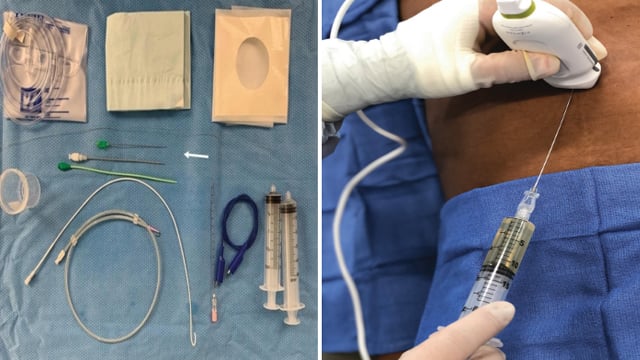
Explore the latest innovations in coronary, structural, and peripheral interventions in this session, from machine learning CT-FFR systems for severe aortic stenosis to the role of real-world data in enhancing cardiovascular care, and discover cutting-edge techniques like transpedal accesses for complex lesions and comprehensive valve sizing...
Learning - Percutaneous management of pulmonary embolism
22 Sep 2023 – From AICT-AsiaPCR 2023
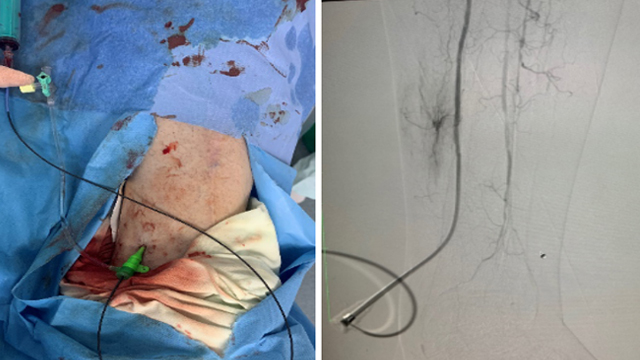
Consult this session on percutaneous management of pulmonary embolism to learn about the indications for percutaneous pulmonary thrombectomy, to discover the techniques for performing this procedure, to gain insights into the various devices available, while exploring real-world case studies and staying updated on the latest clinical...
Left main interventions: cutting-edge insights
21 Sep 2023 – From AICT-AsiaPCR 2023
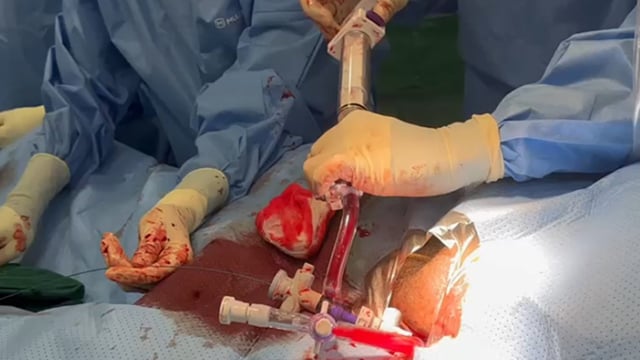
Join us in this session on left main interventions and explore the challenges and strategies for left main PCI in complex cases, from minimalist approaches in limited-resource settings to complex procedures like percutaneous transluminal coronary angioplasty with IVUS guidance.