


3629 results for «2278»
3629 results
How should I treat my CTO? Adapting to local conditions
22 May 2026 – From EuroPCR 2026
This session delves into managing chronic total occlusions (CTO) under resource-limited conditions, highlighting the essential CTO toolbox and strategic procedural planning. It emphasizes that an antegrade-first approach, often with dual arterial access, can achieve high success in many CTO cases, illustrated through complex real-world cases from...

Spontaneous coronary artery dissection management with intracoronary imaging
22 May 2026 – From EuroPCR 2026
Explore the nuanced management of spontaneous coronary artery dissection (SCAD) with a focus on intracoronary imaging. This session examines diagnostic challenges, the limited role of coronary CT angiography, and strategies for managing occlusive SCAD cases, highlighting the evolving understanding of this complex condition.

Challenges in treating tricuspid regurgitation
22 May 2026 – From EuroPCR 2026
This session addresses the complexities of treating tricuspid regurgitation, offering insights into tailored treatment options and complication management. Through detailed case studies from China and Germany, it highlights practical approaches and bailout strategies for tricuspid valve interventions.
Updates in tricuspid TEER
21 May 2026 – From EuroPCR 2026
This session offers comprehensive updates on transcatheter edge-to-edge repair (TEER) for tricuspid valve disease. It reviews meta-analyses on outcomes in patients with cardiac implantable electronic device leads, long-term trial results, echocardiographic and clinical outcomes, right ventricular mechanics, risk scoring, and the impact of renal function and...
How to treat aortic regurgitation
22 May 2026 – From EuroPCR 2026
Explore cutting-edge transcatheter approaches for aortic regurgitation, including first-in-human ATLAS technique, management in LVAD patients, and off-label Myval use. This session reviews clinical challenges and innovative solutions in aortic valve interventions, offering valuable insights from complex procedural experiences.
Best structural complications
22 May 2026 – From EuroPCR 2026
This session highlights the management of complex structural complications encountered in high-risk valve interventions. It covers troubleshooting in mitral annular calcification, challenges with the BASILICA technique, creative bailouts for valve embolisation, and considerations in leaflet management during aortic stenosis procedures.
Left main PCI: predictions of risk and long-term clinical outcome
22 May 2026 – From EuroPCR 2026
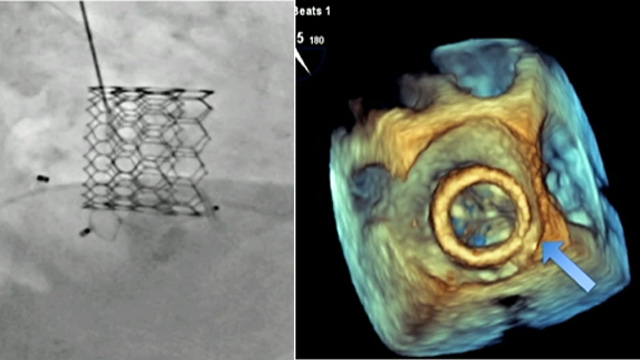
This session focuses on risk prediction and long-term outcomes following left main percutaneous coronary intervention (PCI). It covers biomarkers like NT-proBNP, hemodynamic predictors, and the impact of comorbidities such as diabetes and chronic kidney disease on patient prognosis over a ten-year follow-up.
Right-sided interventions and impact on the right heart
22 May 2026 – From EuroPCR 2026
This session examines right-sided cardiac interventions and their impact on right heart function. Topics include prognostic implications of right ventricular wall tension, novel metrics for RV-PA coupling, clinical effects of severe tricuspid regurgitation, and strategies for transcatheter pulmonary valve replacement in complex right ventricular outflow tract...
LAA closure and pulmonary embolism hotline
22 May 2026 – From EuroPCR 2026
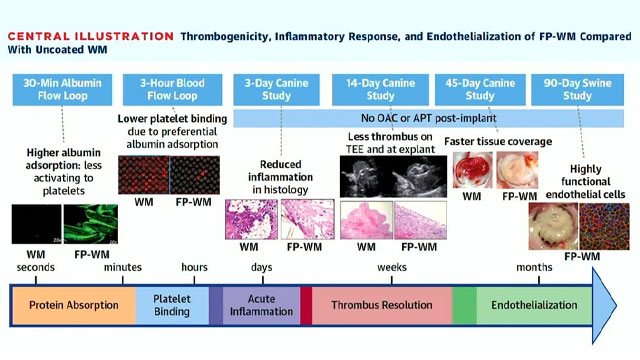
Focusing on left atrial appendage (LAA) closure and pulmonary embolism management, this session reviews device-related thrombus, implant healing with novel coatings, and compares mechanical thrombectomy to catheter-directed thrombolysis. It also discusses the prognostic impact of hemodynamic data post-thrombectomy to inform clinical outcomes.
Technical decision-making for CTO PCI strategy
22 May 2026 – From EuroPCR 2026
This session focuses on technical decision-making for chronic total occlusion PCI strategy. It presents diverse approaches to right coronary CTOs, complex management involving double rendezvous techniques, subintimal strategies, and innovative single-injection methods, demonstrating the evolving frontiers in CTO intervention.
Taking on the tough stuff: TAVI in complex anatomies
21 May 2026 – From EuroPCR 2026
Focused on the challenges of transcatheter aortic valve implantation (TAVI) in complex anatomies, this session addresses optimal strategies for treating bicuspid aortic valve stenosis, managing small annuli and low coronary ostia, and approaches to degenerated surgical valves including bioprosthetic fracture techniques. Case-based discussions elucidate practical solutions...
Challenging PCI on bifurcation lesions
22 May 2026 – From EuroPCR 2026
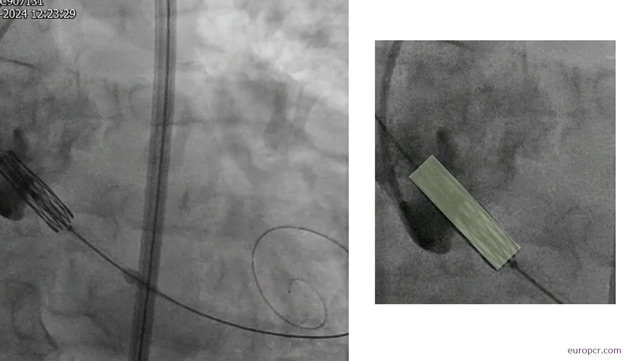
Addressing the complexities of PCI in bifurcation lesions, this session highlights novel techniques such as the TAP and modified mini-crush methods, alongside strategies for managing challenging coronary anatomy. Validation of novel approaches like POT-side DCB-POT for left main bifurcations is also featured.
DCB: what we know and what we do not know
22 May 2026 – From EuroPCR 2026
This session provides a detailed update on drug-coated balloons (DCB) in interventional cardiology, covering the latest clinical data and trials. It identifies scenarios where DCB use is most effective and offers guidance on optimizing procedural techniques to enhance clinical outcomes.
Unusual clinical cases: thinking beyond the routine
22 May 2026 – From EuroPCR 2026
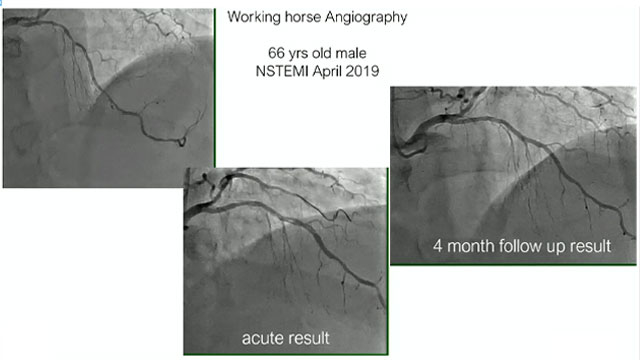
This session presents unusual and challenging clinical cases that extend beyond routine interventional cardiology. From optimised in-stent restenosis treatment to rare anatomical anomalies and complex thrombus management, it offers valuable lessons in creative problem-solving and advanced intervention techniques.
New evidence for coronary revascularisation
21 May 2026 – From EuroPCR 2026
This session highlights new evidence in coronary revascularisation, including the role of CT-derived virtual stenting for procedural optimization, left ventricular unloading during complex PCI, long-term outcomes of FFR-guided PCI versus medical therapy, Impella CP support in high-risk PCI, and comparative results of PCI versus CABG in...
Management of uncommon TAVI complications
21 May 2026 – From EuroPCR 2026
This session delves into the management of uncommon but critical complications arising from Transcatheter Aortic Valve Implantation (TAVI). Through detailed case studies from Italy, Lebanon, and Turkey, it highlights real-time decision-making strategies for life-threatening scenarios including left ventricular outflow tract obstruction, acute aortic dissection, and complex...
TAVI in bicuspid - Planning to performance
22 May 2026 – From EuroPCR 2026
Dedicated to transcatheter aortic valve implantation (TAVI) in bicuspid aortic valves, this session examines anatomical assessment, sizing methods, and clinical outcomes. It includes meta-analyses and registry insights, addressing challenges such as stent deformation and leaflet modification to guide optimal TAVI performance in this distinct patient population.
Atypical NSTEMI culprit lesions
22 May 2026 – From EuroPCR 2026
Focusing on atypical NSTEMI culprit lesions, this session examines rare presentations such as calcific emboli, coronary anomalies, and unusual routes to revascularisation. It provides clinical insights into diagnosing and managing uncommon acute coronary syndromes effectively.
Left main complications - Part 3
21 May 2026 – From EuroPCR 2026
This session reviews complex complications encountered in left main coronary interventions. It covers causes and management of acute left main occlusion, critical stenosis of coronary buttons, retrieval techniques for ostial stents, and strategies for managing challenging PCI scenarios that may precipitate or resolve catastrophic events.
Multivessel disease or left main disease
22 May 2026 – From EuroPCR 2026
This session explores revascularisation strategies for patients with multivessel or left main coronary artery disease. It emphasizes the role of intravascular physiology and imaging in guiding treatment decisions and highlights procedural factors that contribute to improved long-term clinical outcomes, supported by complex case discussions.