3650 results for «849»
3650 results
Featured research - TAVI: procedural optimization
17 Nov 2025 – From PCR London Valves 2025
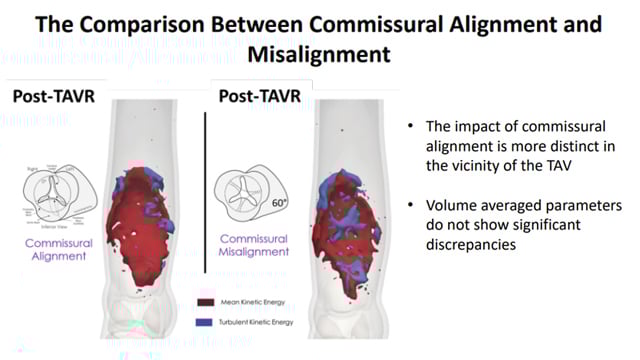
Delve into comprehensive analyses of TAVI procedural outcomes and innovations in this session. Topics include the impact of intercoronary angles on coronary overlap with Evolut valves, mechanisms behind superior outcomes with the latest balloon-expandable valves, and predictive modeling of hemodynamics using physics-enhanced digital twins. Additionally, sex-specific...
TAVI: high coronary risk - Part 2
17 Nov 2025 – From PCR London Valves 2025
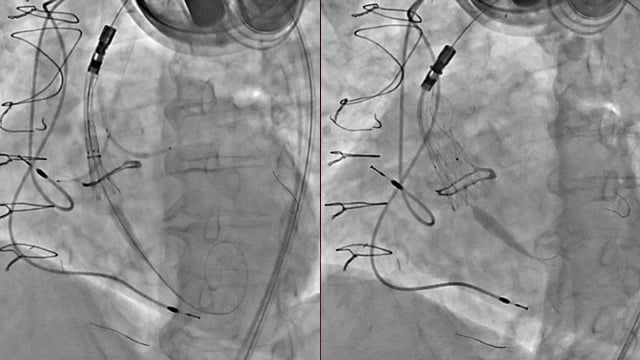
This session addresses the challenges and solutions related to high coronary risk in TAVI procedures. Topics include advanced coronary protection strategies, innovative approaches to complex valve-in-valve interventions, the benefits of balloon-assisted techniques, management of right coronary cusp obstruction through UNICORN technology, and prevention of sinus sequestration...
TAVI: complex vascular access - Part 2
17 Nov 2025 – From PCR London Valves 2025
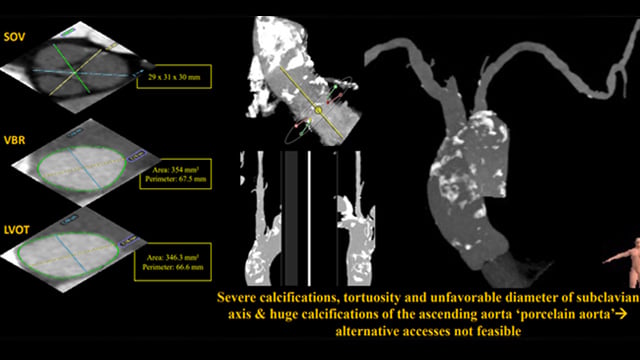
Focus on complex vascular access challenges in TAVI with this session covering strategies such as the pave and crack technique for inaccessible vessels, management of bicuspid aortic stenosis with hostile access and horizontal aorta, complex single transfemoral access procedures, and combined interventions including left atrial appendage...
Paravalvular leaks and VSD percutaneous closure - Recorded cases
17 Nov 2025 – From PCR London Valves 2025
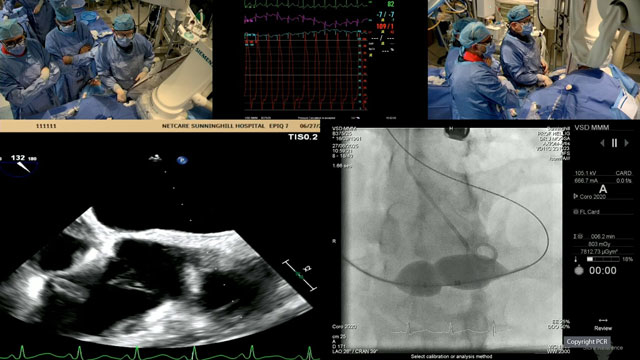
Recorded case 1: A 56-year-old female with a prior mechanical mitral valve replacement (Star GK, 2018), permanent AF, and normal LV function presented with recurrent HF admissions due to paravalvular leaks. She was treated with implantation of multiple plugs via a transseptal approach using a Destination...
Tricuspid valve interventions in complex scenarios - Part 2
17 Nov 2025 – From PCR London Valves 2025
This session delves into transcatheter interventions for the tricuspid valve in complex clinical scenarios. It covers techniques for native annular reduction via TEER, management of lead-related regurgitation, challenging cases of torrential regurgitation with device detachment, and innovative methods facilitating valve-in-ring implantation, enhancing procedural efficacy in tricuspid...
Cardiogenic shock: transcatheter solutions
17 Nov 2025 – From PCR London Valves 2025
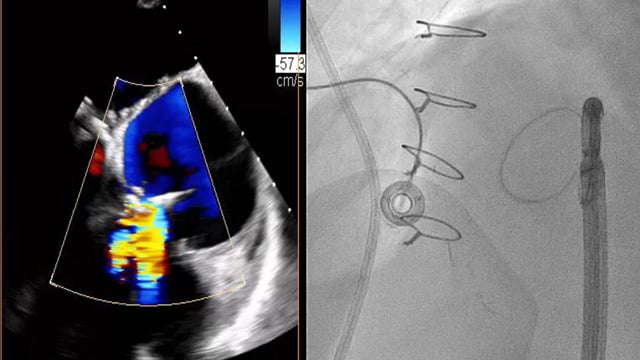
This session focuses on transcatheter solutions for cardiogenic shock, highlighting rescue therapies such as mitral clip intervention in hypertrophic obstructive cardiomyopathy, valve-in-valve TAVI during CPR, and sequential mechanical circulatory support. It presents complex clinical cases illustrating stepwise approaches combining mechanical support and percutaneous valve repair to...

Leaflet modification techniques: latest acronyms, concepts and best practice
17 Nov 2025 – From PCR London Valves 2025
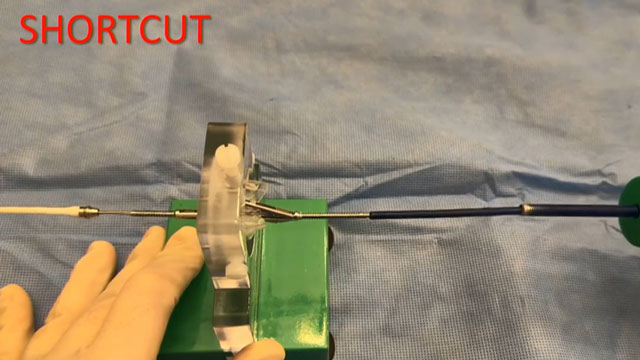
Gain comprehensive insights into leaflet modification techniques with a focus on the latest acronyms, concepts, and best practices. This session covers step-by-step approaches to transcatheter electrosurgical leaflet modification, including BASILICA, SHORTCUT, and UNICORN, alongside troubleshooting strategies and the innovative SURPLUS surgical technique.
Three-year results of HOST-POLYTECH-ACS RCT comparing durable- vs. degradable-polymer DES
30 Aug 2023
Alex Sticchi provides his take on the 3-year results of HOST-POLYTECH-ACS RCT which were presented by Hyo-Soo Kim during the ESC 2023 congress in Amsterdam.

Author

Transcatheter edge-to-edge repair in patients with severe mitral regurgitation and cardiogenic shock: Insights from the TVT Registry
17 Sep 2022
Mirvat Alasnag provides her take on the TEER Shock study which was presented at TCT 2022 by Mohamad A. Alkhouli.

Author
Evidence base: A description of the key, so far published, studies in the space of drug coated balloons
23 Jan 2025
Authored by Hector Garcia-Garcia and Jorge Sanz-Sanchez, this article examines pivotal randomized clinical trials on drug-coated balloons in coronary artery disease. It highlights their role in managing in-stent restenosis, de novo small vessel lesions, and large vessel lesions while exploring future directions through ongoing trials.

Author

Author