3629 results for «2032»
3629 results
Complex PCI cases
19 May 2023 – From EuroPCR 2023
Discover a collection of complex PCI cases and delve into challenging scenarios such as: severe calcified coronary lesions that pose a cathlab nightmare, a gripping tale of a bleeding CHIP case, the life-saving potential of retrograde angioplasty, innovative stent positioning system for treating ostial disease in...
Solutions for complex CTO scenarios
18 May 2023 – From EuroPCR 2023
Explore innovative solutions for complex chronic total occlusion (CTO) scenarios in this session: witness the skillful technique of snaring a protruding aorto-ostial coronary stent, discover the application of the intracoronary rendez-vous technique in managing challenging CTO lesions, delve into a case series showcasing a novel concept...
Complex interventions in challenging STEMI
19 May 2023 – From EuroPCR 2023
Discover a selection of challenging STEMI cases that push the boundaries of interventional cardiology: witness the unique predicament of synchronous AMI and ischemic stroke, learn about the ingenious CTO techniques that come to the rescue in critical situations, tackle the complexities of acute left main stem...
CTO peripheral interventions followed by closure device complications
18 May 2023 – From EuroPCR 2023
Discover challenging chronic total occlusion (CTO) peripheral interventions followed by the complexities of closure device complications in this session: explore a unique case involving an infectious pseudoaneurysm after the use of a suture-mediated closure device, uncover the management of in-stent restenosis in a CTO of the...
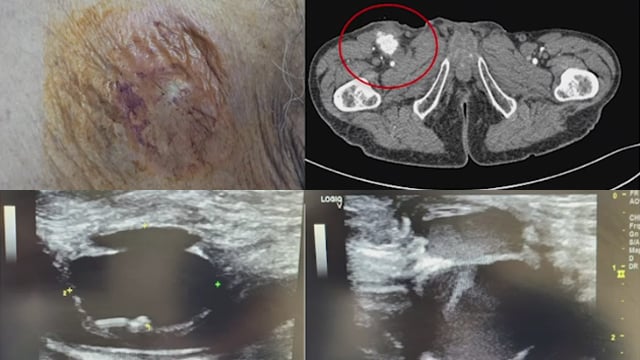
PCI complications: stent loss / dissertations / perforations
19 May 2023 – From EuroPCR 2023
Discover the case of an 81-year-old woman with diabetes mellitus type 2 and severe aortic stenosis, who presented with a unique challenge of double coronary artery perforation. With a plan for angioplasty and percutaneous aortic valve implantation, this complex scenario highlights the expertise and multidisciplinary approach required in...
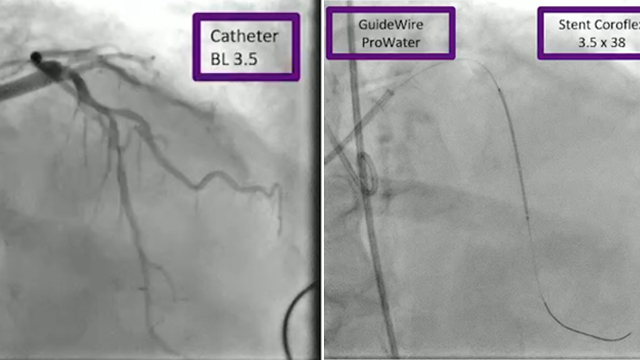
Aortic and arterial peripheral interventions in challenging anatomies
18 May 2023 – From EuroPCR 2023
Explore the fascinating domain of aortic and arterial peripheral interventions in the context of challenging anatomies in this session: gain insights into the management of a superior mesenteric artery aneurysm, witness the fortunate outcome of a neglected aortic dissection, delve into the rare diagnosis of acute...
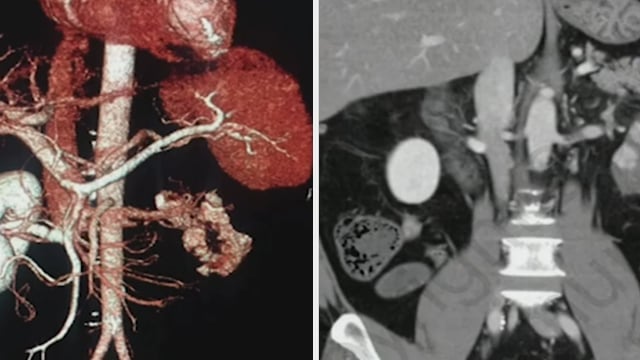
Left main interventions in the context of cardiogenic shock
19 May 2023 – From EuroPCR 2023
Discover a series of captivating videos regarding left main interventions in the context of cardiogenic shock that delve into groundbreaking techniques and challenging cases. Our experts share their insights and experiences on various topics, such as: revascularization of the ostial left main CTO after early bypass...
CTO-PCI in patients with reduced left-ventricular function
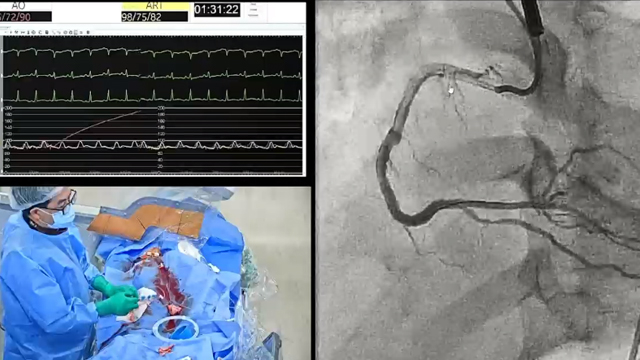
18 May 2023 – From EuroPCR 2023
Discover the management strategies for CTO-PCI in patients with reduced left-ventricular function in this session: witness the utilization of ECMO protection during CTO PCI in the presence of electrical instability, encounter the complexities of multivessel PCI in the setting of severe left ventricular systolic dysfunction, explore the...
Management of perforation during PCI
19 May 2023 – From EuroPCR 2023
Discover a compelling collection of cases that focuses on the management of coronary perforations during PCI. Explore a range of topics, including distal perforation, alternative approaches to graft stent, cardiac tamponade following DES deployment, subacute coronary perforation and pseudo-aneurysm, significant triple vessel disease with a mid...
TAVI: preventing coronary obstruction
18 May 2023 – From EuroPCR 2023
Explore the strategies to prevent coronary obstruction during TAVI procedures and learn valuable insights to enhance patient outcomes in this session: witness the challenges faced in valve-in-valve cases with a high risk of this complication, discover the utilization of dedicated splitting devices as a proactive measure to mitigate...
Complications in bifurcation lesions
18 May 2023 – From EuroPCR 2023
Explore the challenging realm of bifurcation lesions and their associated complications in this session: gain insights into the approach for managing in-struts stent dislodgment, navigate through the complexities of a no flow situation in culotte bifurcation stenting, ensure your preparedness for distal coronary perforation by keeping...
EuroPCR 2023 Hotlines/Late-Breaking clinical data: focus on left main and bifurcation PCI
16 May 2023 – From EuroPCR 2023
Listen to the presenters give you the latest information on left main and bifurcation from a series of late-breaking trials presented at EuroPCR 2023:
- The five-year follow-up of the EBC TWO 5-year follow-up study, which evaluated provisional versus culotte intervention for coronary bifurcations
- KISS: the benefit...
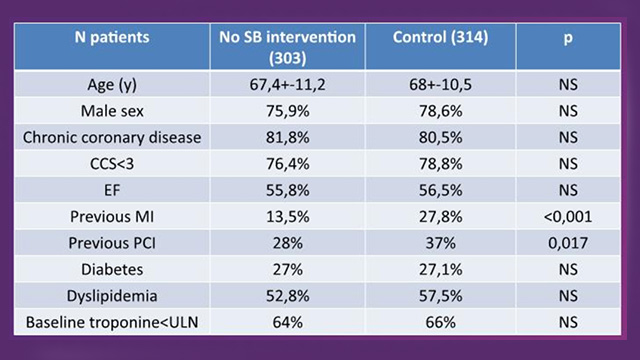
Intracoronary imaging in left main - Part 2
18 May 2023 – From EuroPCR 2023
Delve into the intricacies of intracoronary imaging in left main interventions and explore the various scenarios encountered in this field: learn about the challenges and successes of left main bifurcation PCI using the DK crush technique, discover how multimodality imaging aids in guiding post-TAVR PCI procedures,...
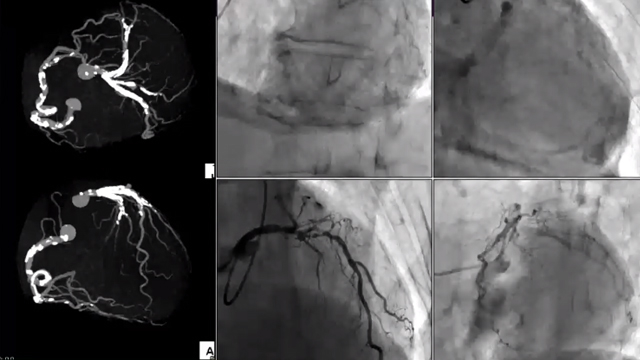
Valve-in-valve procedures - Part 2
18 May 2023 – From EuroPCR 2023
Embark on a captivating exploration of a challenging valve-in-valve case, where a non-retractable self-expandable aortic prosthetic valve presents a unique complication by deeply opening within the left ventricle, and witness the successful management of this complex scenario.
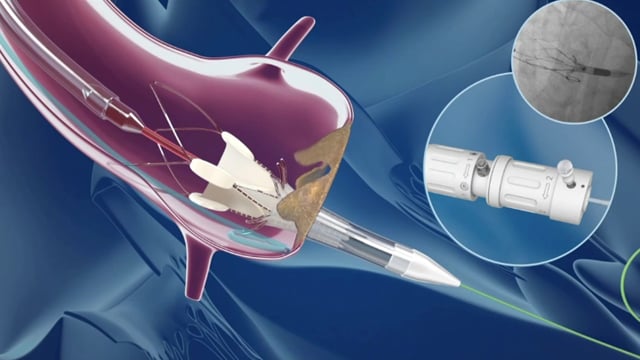
EuroPCR 2023 Hotlines / Late-Breaking Trials: TAVI
16 May 2023 – From EuroPCR 2023
Discover the conclusions of various studies and registries about TAVI: 5-year outcomes with the ACURATE neo2 valve: the Neo AS CE-mark study; TAVR in patients with cardiogenic shock which evaluated outcomes of consecutive TAVRs in patients with CS using contemporary SAPIEN 3 and SAPIEN 3 ultra...
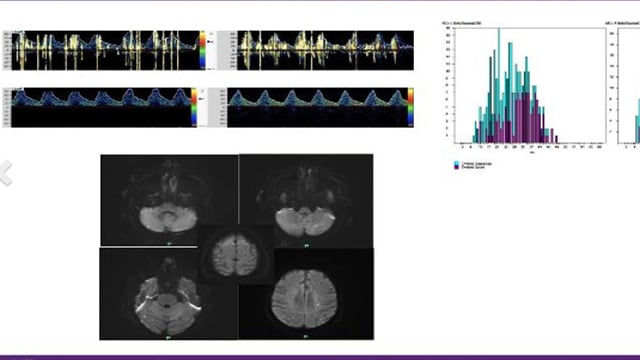
Unusual NSTEMI
18 May 2023 – From EuroPCR 2023
Embark on an exploration of unusual NSTEMI cases, where extraordinary interventions and innovative approaches redefine patient care: witness the life-saving use of ECMO in acute coronary occlusion and cardiac arrest, delve into the complexities of multivessel PCI in patients with global vascular disease and renal dysfunction,...
EuroPCR 2023 Hotlines/Late-Breaking Trials: mitral and tricuspid valves disease
17 May 2023 – From EuroPCR 2023
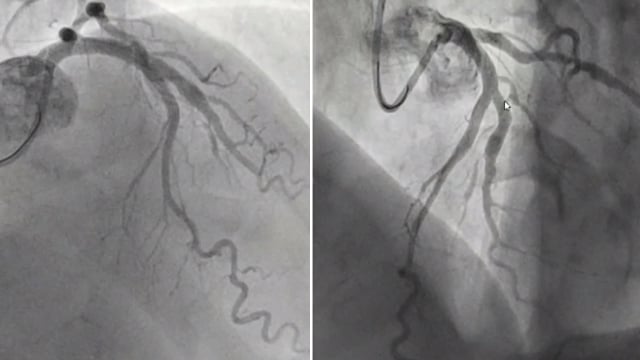
The presenters share their views on a range of essays and studies. Join them for an update on: Early experience with a d-shape, monoleaflet TMVR system; Outcomes of Mitral Valve-in-Valve, Mitral Valve-in-Ring and Valve-in-Mitral Annular; Calcification: prospective MITRAL; DRAGONFLY-DMR: transcatheter repair by DragonFly device in mitral...
PCI for complex coronary lesions
18 May 2023 – From EuroPCR 2023
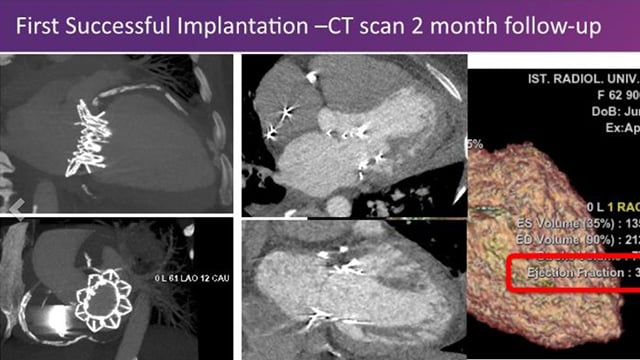
Gain valuable insights into the management of challenging coronary lesions during PCI in this session: witness the effective treatment of in-stent restenosis through the innovative use of intravascular lithotripsy, explore the techniques employed to address non-expandable stents, discover the utility of the Guide Extension catheter system...
EuroPCR 2023 Hotlines/Late-Breaking Trials: focus on stent technology
17 May 2023 – From EuroPCR 2023
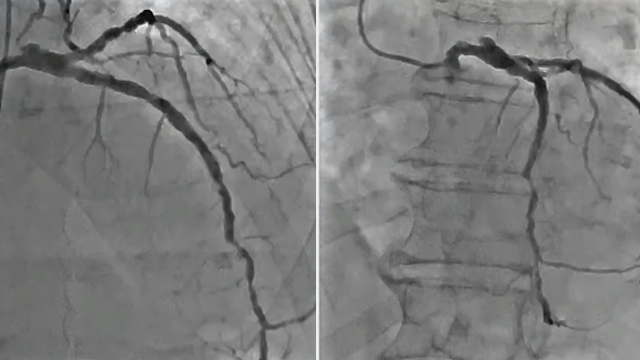
If you would like to learn more about the latest findings on stent techhnology, check-out this session in which speakers reviewed a series of recent trials, among them: 12-month primary endpoint outcomes of the BIOADAPTOR-RCT; Final 5-year results from the blinded ABSORB IV trial ; BIOMAG-I:...
How to treat coronary aneurysm
18 May 2023 – From EuroPCR 2023
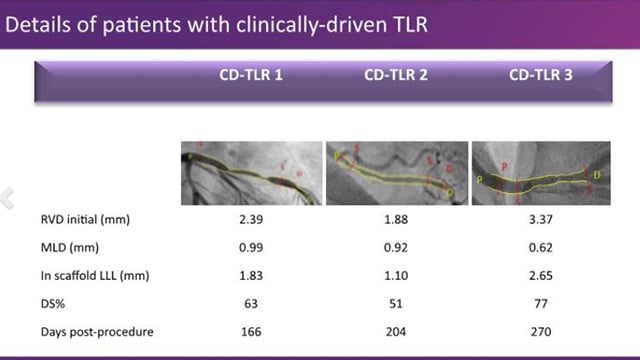
Treating coronary aneurysms requires careful consideration and depends on several facors such as specifics characteristics of the aneurysms and patient’s conditions. Learn more the way to treat them throught this series of cases: massive thrombosis of an RCA aneurysm ; new insight toward understanding WOVEN like...