3186 results for «600266»
3186 results
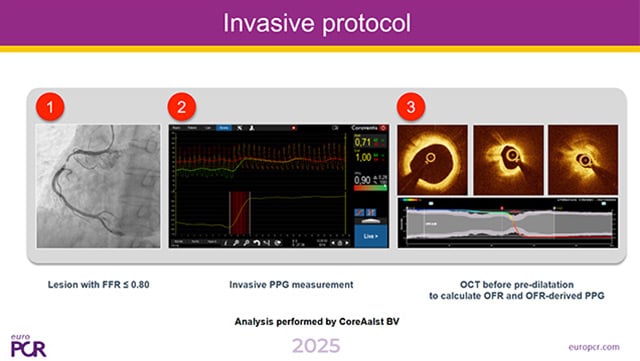
Life threatening complications in CTO PCI
23 May 2025 – From EuroPCR 2025
Focus on life-threatening complications during CTO PCI with topics including rotational atherectomy challenges, interventricular septal puncture, surgical retrieval of fractured guidewires, and image-guided strategies for managing multivessel CTO complications, enhancing procedural safety.
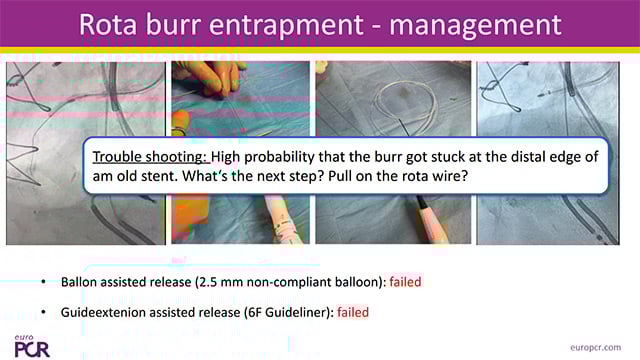
Coronary complications: sharing the unusual ones
23 May 2025 – From EuroPCR 2025
This session shares unusual coronary complications including microcatheter tip entrapment, balloon shaft fracture, coronary balloon rupture salvage, and retained equipment retrieval, highlighting innovative solutions and procedural vigilance.
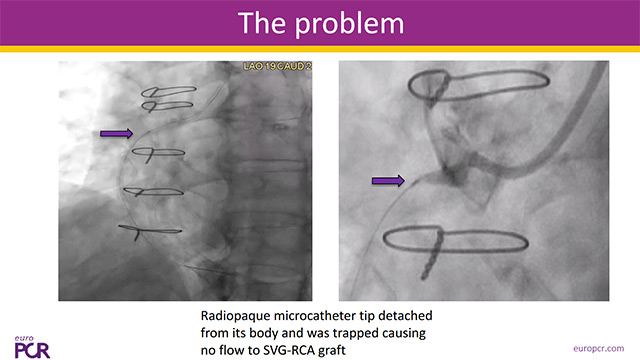
PCI for complex left main disease - LIVE Case
23 May 2025 – From EuroPCR 2025
An 82-year-old male patient with a history of STEMI and diagonal PCI (2004) presented with stable angina (CCS 2). CT imaging revealed 2 severe LAD stenoses (at the ostium and mid part), and a severe bifurcation stenosis at the Cx/OM1 confirmed by angiography. A staged PCI...
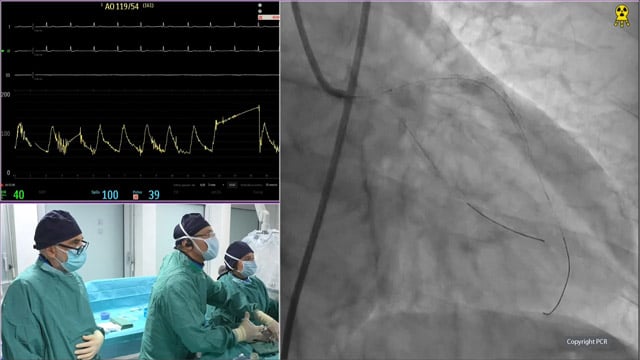
What did we learn from my TAVI complications?
22 May 2025 – From EuroPCR 2025
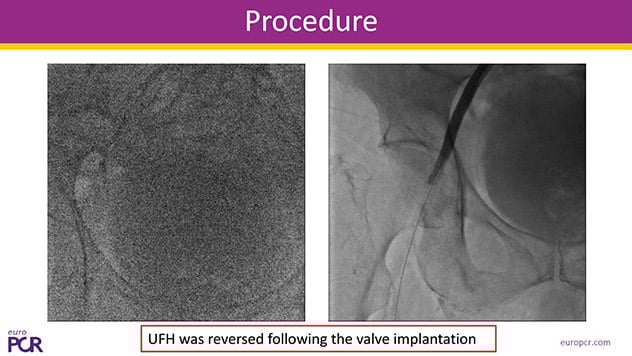
Review critical lessons from TAVI complications, focusing on early identification and management of access site issues and acute coronary obstruction. Learn effective preventive actions and procedural strategies to minimize severe TAVI-related complications through detailed case discussions.
Clinical and technical factors for decision-making in treatment of left main coronary artery disease
22 May 2025 – From EuroPCR 2025
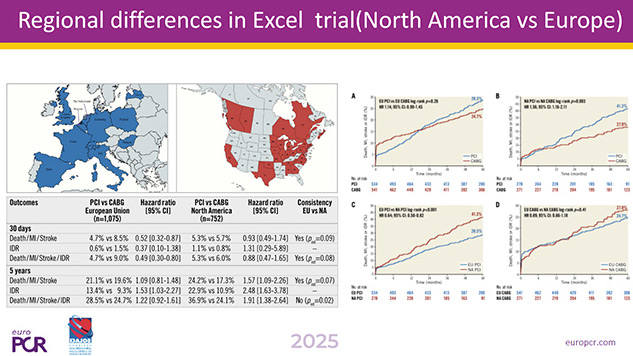
Delve into decision-making factors in treating left main coronary artery disease, particularly in challenging scenarios. This session discusses the application of new SOLACI guidelines, critical strategy reflections, and real-world cases illustrating optimal left main PCI approaches.
Optimising TEER in challenging anatomies
22 May 2025 – From EuroPCR 2025
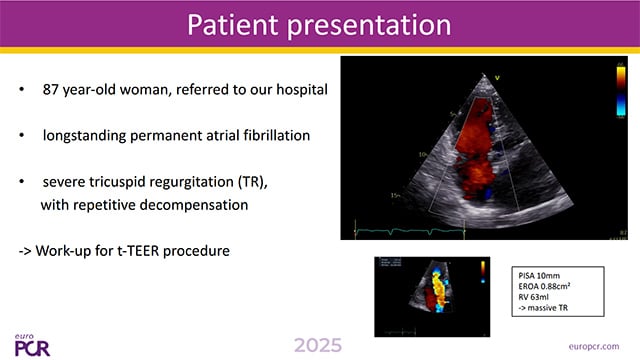
Optimize transcatheter edge-to-edge repair (TEER) strategies in challenging anatomies with focus on tricuspid valve interventions, recognition of multivalvular disease, and planning combined mitral and tricuspid TEER procedures. Case studies highlight feasibility challenges and dual valve repair approaches.
Pharmacotherapy coronary interventions: new insights
22 May 2025 – From EuroPCR 2025
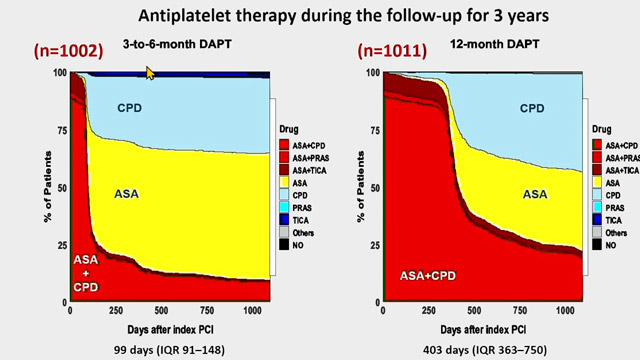
Stay abreast of new insights in pharmacotherapy for coronary interventions with a focus on optimizing patient outcomes. Topics include ticagrelor monotherapy in chronic coronary syndrome post-PCI, analysis of multiple events in high bleeding risk patients from the MASTER DAPT trial, effects of beta-blocker interruption in MI...
Atherectomy for CTO-PCI
22 May 2025 – From EuroPCR 2025
Explore atherectomy applications in CTO-PCI with cases demonstrating reverse cart technique, orbital atherectomy in heavily calcified occlusions, and management of atherectomy-induced coronary dissection. Gain practical insights into navigating complex CTO lesions with atherectomy support.
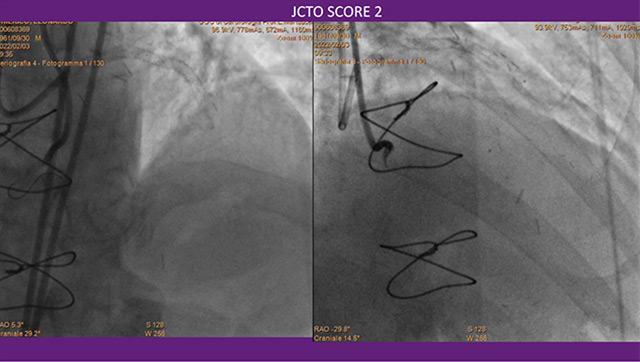
Building bridges, not barriers: transforming communication with patients
22 May 2025 – From EuroPCR 2025
Enhance your communication skills with patients undergoing interventional cardiology procedures. This session emphasizes verbal and non-verbal techniques to inform and support patients, simplifying complex procedural explanations, and strengthening your role as the critical link between patients and the healthcare team for improved outcomes.
Optimal use of cardiac imaging to plan and guide transcatheter LAA closure
22 May 2025 – From EuroPCR 2025
Optimize left atrial appendage (LAA) closure outcomes through expert use of cardiac imaging. This session details the role of various imaging modalities in pre-procedural planning, intraprocedural guidance, and post-procedural assessment. Gain practical insights on transesophageal echocardiography, computed tomography, intracardiac echocardiography, and their integration to enhance procedural...
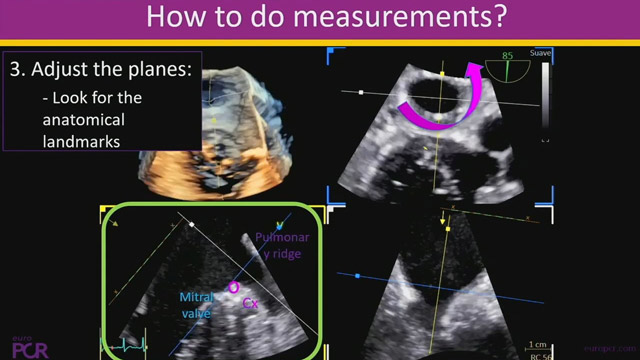
Outcome prediction using artificial intelligence and meta-analysis
22 May 2025 – From EuroPCR 2025
This session presents outcome prediction advancements through artificial intelligence and meta-analysis in cardiology. Topics include AI-guided aortic stenosis risk stratification, predictors of periprocedural stroke after TAVI, patient-specific computer simulations for bicuspid TAVI, and enhancements in large language model accuracy using Heart Team simulation.
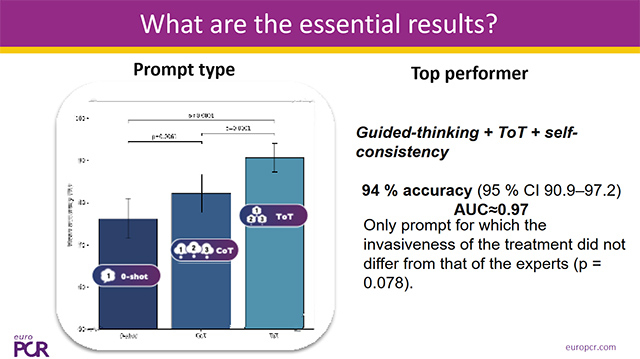
TAVI outcomes
22 May 2025 – From EuroPCR 2025
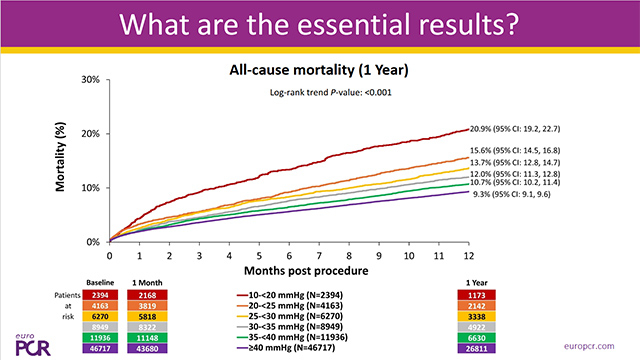
Examine contemporary outcomes of transcatheter aortic valve implantation (TAVI) across diverse patient populations and device generations. This session presents data on severe aortic stenosis stratified by resting gradient, comparisons between bicuspid and tricuspid valve stenosis, and clinical results of intra-annular versus supra-annular devices, including two-year outcomes...
Imaging makes it clear!
22 May 2025 – From EuroPCR 2025
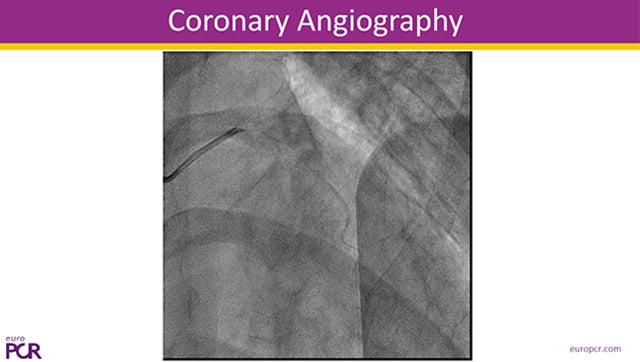
Explore the critical role of intravascular imaging in interventional cardiology through real-world cases. This session highlights the value of intravascular ultrasound (IVUS) in avoiding unnecessary stenting in STEMI patients, the application of optical coherence tomography (OCT) in complex scenarios, and the management of calcified lesions with...
Coronary physiology: FFR and beyond
22 May 2025 – From EuroPCR 2025
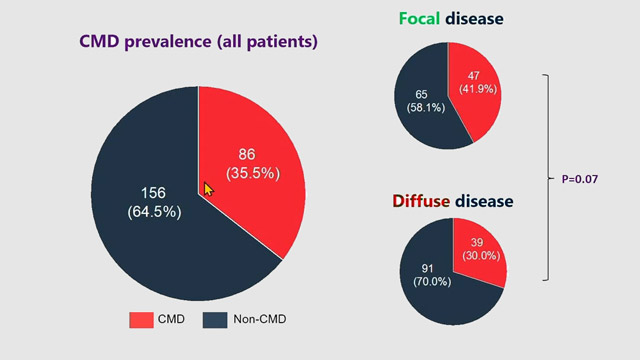
Advance your understanding of coronary physiology with a focus on fractional flow reserve (FFR) and beyond. This session covers randomized trials comparing physiology-guided treatment to standard care in ANOCA, graft patency related to quantitative flow ratio, impacts of microvascular dysfunction on patient outcomes, and prognostic value...
Patients with degenerated aortic bioprothesis - Every case is different
22 May 2025 – From EuroPCR 2025
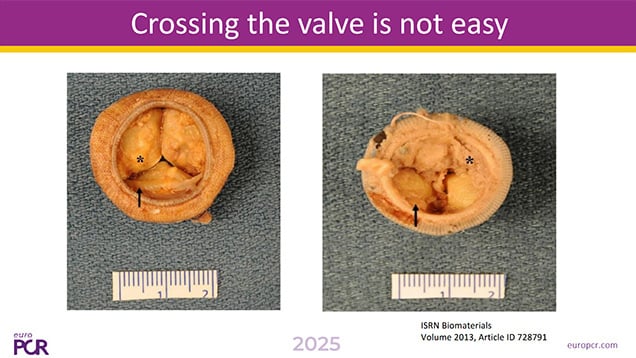
Delve into the nuanced management of patients with degenerated aortic bioprostheses, emphasizing that no two cases are alike. This session provides expert insights into selecting optimal valve-in-valve TAVI approaches tailored to individual anatomy and clinical context. Learn practical strategies to overcome complex challenges such as coronary...
All you need to know on aorto iliac disease during TAVI: from access to complications management
22 May 2025 – From EuroPCR 2025
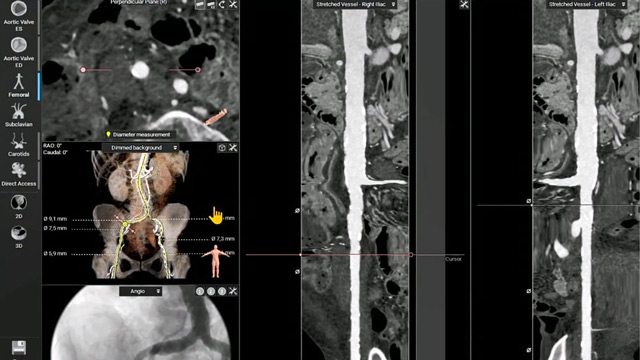
Gain expertise in managing aorto-iliac disease during TAVI procedures, from access planning to complication management. This session covers key imaging techniques, decision-making regarding stenting and lesion modification, approaches to access-related complications, and criteria for involving vascular surgeons, ensuring procedural safety and success.
New frontier in renal denervation: data, devices and developments
22 May 2025 – From EuroPCR 2025
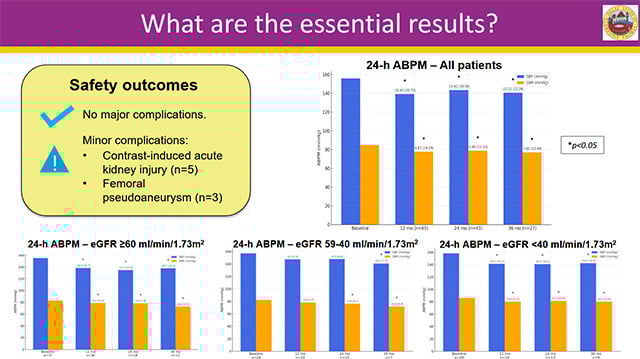
Advance your understanding of renal denervation with the latest data, innovative devices, and emerging developments. This session reviews the 12-month results of the REDUCED 1 trial evaluating the TIVUS system, explores safety and efficacy of novel renal stimulation techniques, and presents outcomes from registries including patients...
TAVI in bicuspid aortic valve disease
22 May 2025 – From EuroPCR 2025
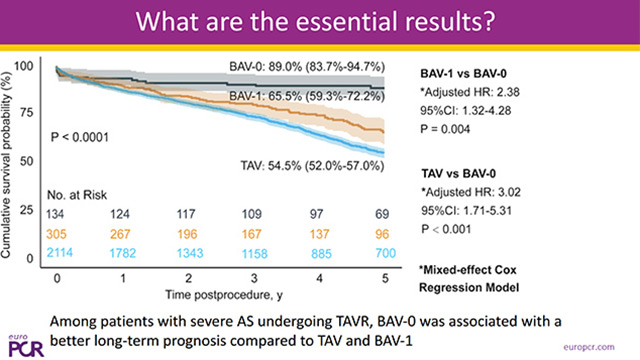
Explore the unique challenges of TAVI in bicuspid aortic valve disease with a focus on long-term outcomes, residual gradients, prosthesis-patient mismatch, and anatomical subtype comparisons. This session draws on international registry data to inform clinical decision-making and optimize procedural strategies in this complex patient population.
Advancing knowledge and innovations in peripheral interventions
22 May 2025 – From EuroPCR 2025
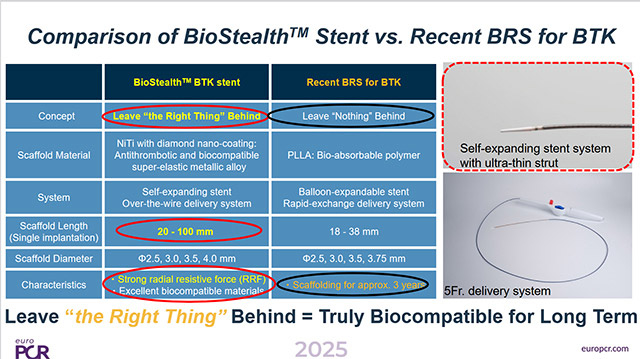
Expand your expertise in peripheral interventions with a focus on recent innovations and clinical insights. This session covers pre-clinical results of a novel Hybrid Drug-Eluting Stent for below-the-knee arteries, the prognostic impact of proteinuria in LEAD patients with chronic kidney disease, beta-blocker therapy effects post-frozen elephant...
Advanced tools for the diagnosis of coronary artery disease
22 May 2025 – From EuroPCR 2025
This session highlights advanced diagnostic tools for coronary artery disease, focusing on innovative pressure gradient assessments, computed tomography perfusion accuracy in stented patients, head-to-head comparisons of IQ-FFR with invasive FFR, and comprehensive evaluations of coronary physiology and plaque vulnerability derived from angiography.