3652 results for «231»
3652 results
Gulf WIN - Opportunities and challenges
15 Dec 2022 – From GulfPCR-GIM 2022
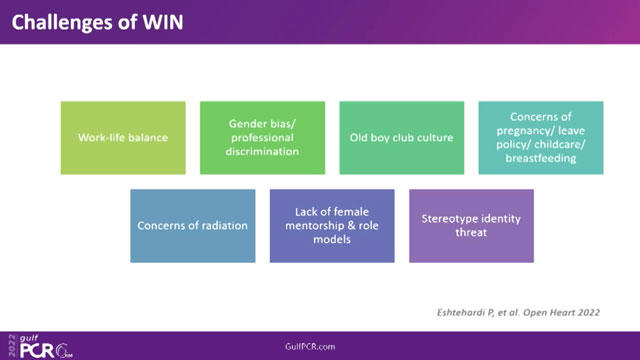
Women have the floor in this special GulfPCR-GIM 2022 session: hear from members of the Gulf WIN (Women In Intervention) to better understand the status of women interventionists in the region, explore the challenges they face, and note the differences that exist with other women cardiologists...
Optimal management of a patient with calcified lesions - Session with LIVE case
15 Dec 2022 – From GulfPCR-GIM 2022
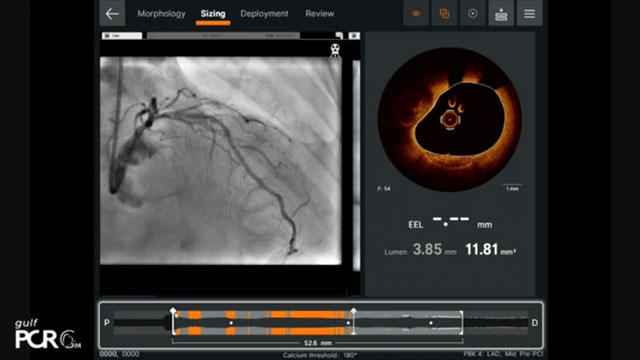
Watch the case of an 87-year-old male patient with DM, HTN, and hyperlipidemia, who suffered ACS six weeks ago, whose culprit lesions were treated in the RCA and LCX, and who was incidentally readmitted for LAD PCI, and find out how he was treated LIVE.
Essential drugs that every interventionalist needs to know
15 Dec 2022 – From GulfPCR-GIM 2022
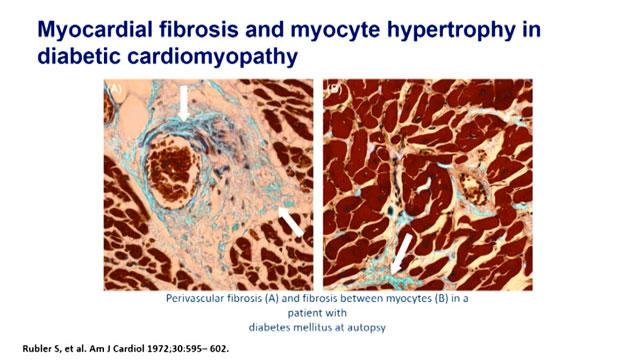
In this GulfPCR-GIM 2022 session, learn about the role of PCSK9 inhibitors in ACS and post-PCI patients, the role of SGLT2 receptor blockers and GLP RAs, and the role of P2Y12 inhibitors as unique post-PCI antiplatelet agents.
Severe mitral and tricuspid regurgitation
15 Dec 2022 – From GulfPCR-GIM 2022
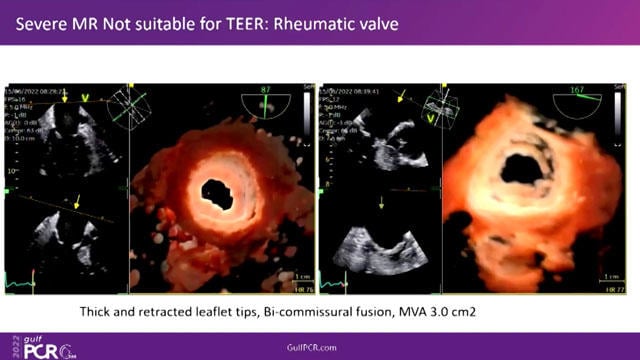
This GulfPCR-GIM 2022 session aims to illustrate the role of mitral TEER in patients with significant MR and cardiogenic shock, to demonstrate the importance of early detection, but also to show that earlier referral and treatment of patients with significant TR is essential to prevent patients...
Imaging for tricuspid valve interventions
17 Feb 2023 – From PCR Tokyo Valves 2023
After reviewing the anatomy of the tricuspid valve, learn, in this PCR Tokyo Valves 2023 session on this specific valve, how to evaluate it with trans-oesophageal echocardiography, how to classify TR, what the pitfalls are, and tips and tricks for intra-procedural imaging.
Imaging for aortic valve interventions
17 Feb 2023 – From PCR Tokyo Valves 2023
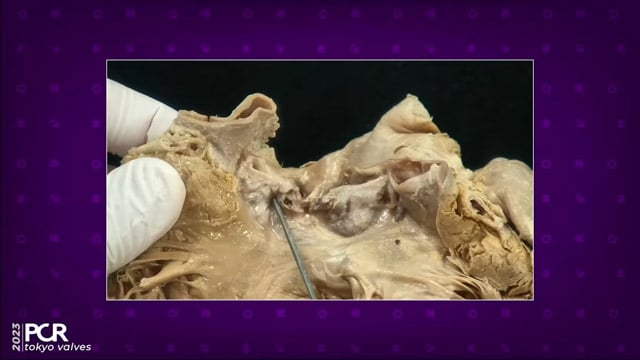
In this session, review the anatomy of the aortic valve system, learn how to assess low-flow, low-gradient severe AS, identify the pitfalls to avoid when assessing paravalvular leakage after TAVI, and find out more about how to detect valve thrombosis and degeneration, among others!
Imaging for mitral valve interventions
17 Feb 2023 – From PCR Tokyo Valves 2023
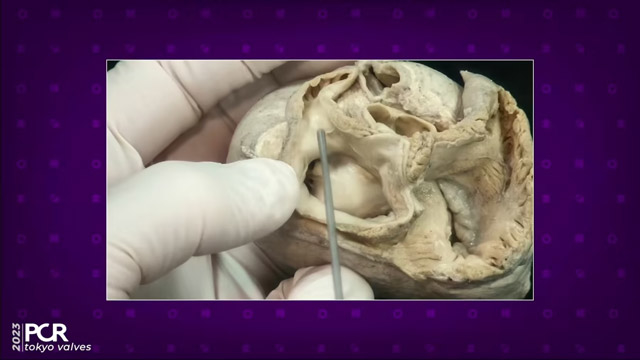
Watch this PCR Tokyo Valves 2023 session to review the anatomy of the mitral valve, learn how to assess it with a trans-oesophageal echocardiography, find out how to grade MR and avoid its pitfalls, and get tips and tricks for successful intraprocedural TEE.
TAVI with advanced imaging techniques - LIVE case
18 Feb 2023 – From PCR Tokyo Valves 2023
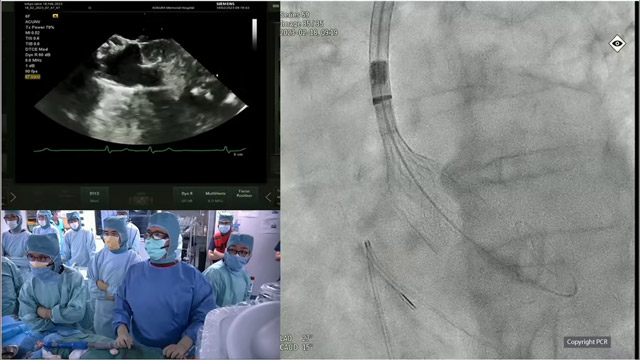
A 93-year-old female, with chronic kidney disease (GFR:34), diabetes, first degree AV block, present a symptomatic severe calcified aortic stenosis. Watch the operators as they implant an Evolut pro 26mm, guided by ICE in order to check the position of the distal part of the valve with...
PCR Tokyo Valves 2026: Your travel guide featuring upcoming exclusive booking services and special deals.

Percutaneous or surgical management of post-infarction ventricular septal defects: The United Kingdom National Registry
17 Sep 2022
Elad Asher provides his take on the UK National Registry which was presented at the TCT congress 2022 by Joel Peter Giblett on behalf of the UK PIVSD investigators.

Author

EuroPCR 2026 – Long-term mortality following revascularisation for left main disease
20 May 2026
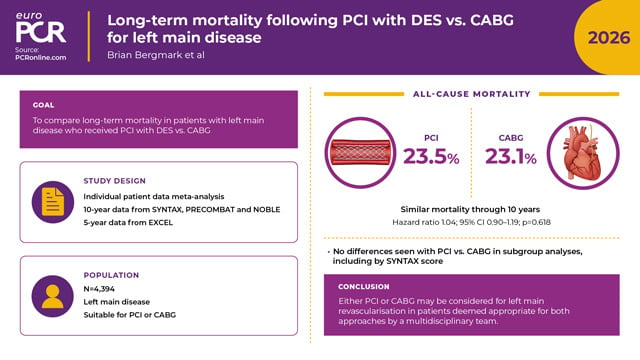
Paris, France, 19−22 May 2026. The EuroPCR Course Directors have selected 3 major late-breaking trials that will be presented for the first time during EuroPCR 2026 and are set to impact practice worldwide. Among them is a meta-analysis of long-term data from 4 randomised trials investigating...
OPTIMUM: Outcomes of Percutaneous RevascularizaTIon for Management of SUrgically Ineligible Patients with Multivessel or Left Main Coronary Artery Disease
04 Nov 2021
Mirvat Alasnag reviews the OPTIMUM trial, presented by David E. Kandzari, which reports outcomes in a subset of patients who are increasingly seen in modern day catheterization laboratories. It is noteworthy that 1 in 5 patients with left main or multivessel disease are considered surgically ineligible.

Author