3633 results for «988»
3633 results
Emerging indications for TAVI
17 May 2022 – From EuroPCR 2022

Streamlining transfemoral TAVI in patients with peripheral atherosclerosis
17 May 2022 – From EuroPCR 2022
TAVI durability: important considerations for patient lifetime management
18 May 2022 – From EuroPCR 2022
Managing acute coronary perforation: a simulation-based team approach
18 May 2022 – From EuroPCR 2022
IVUS and OCT: when, how, why?
18 May 2022 – From EuroPCR 2022

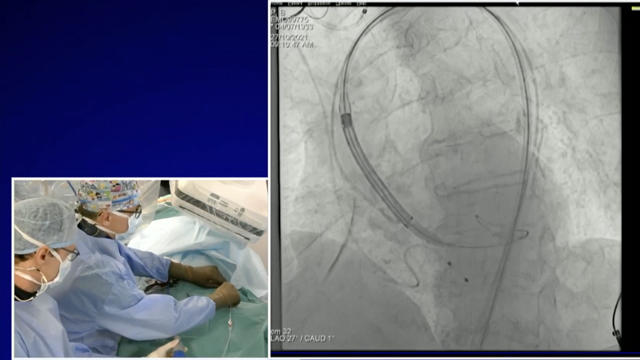
Streamlined TAVI with Tokyo Live @EuroPCR
19 May 2022 – From EuroPCR 2022
Watch the live case from Milan, Italy, of an 88-year-old female patient with hypertension who was admitted for dyspnoea with discovery of severe aortic stenosis to consider state-of-the-art TAVI.
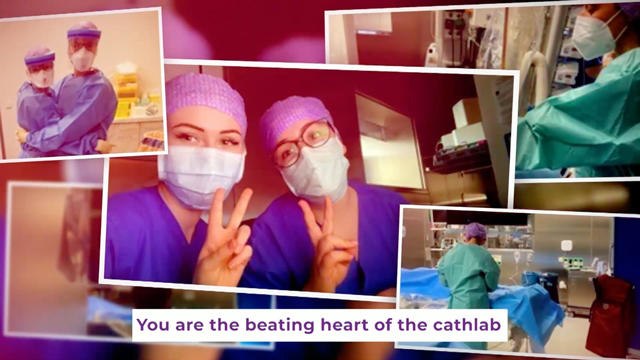
EuroPCR 2022 Andreas Grüntzig Ethica Award
19 May 2022 – From EuroPCR 2022
This award is an opportunity to highlight and thank nurses and allied professionals from all around the world for their unwavering commitment and outstanding skills, and to honour those who have been especially recognised during the Covid-19 pandemic.
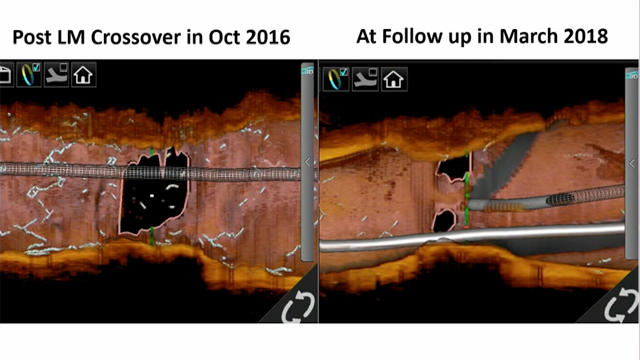
How should I treat ostial circumflex restenosis?
19 May 2022 – From EuroPCR 2022
Consider how to treat circumflex restenosis after a left main crossover stent and circumflex restenosis after left main PCI with 2 stents and try to learn from the two cases presented in this session: what are the ostial circumflex restenosis mechanisms, and the treatment options? What...
Secondary mitral regurgitation: when and how to treat
19 May 2022 – From EuroPCR 2022
Watch a 46-year-old patient from Toulouse presenting a congestive heart failure syndrome with a severe secondary mitral regurgitation being treated live!
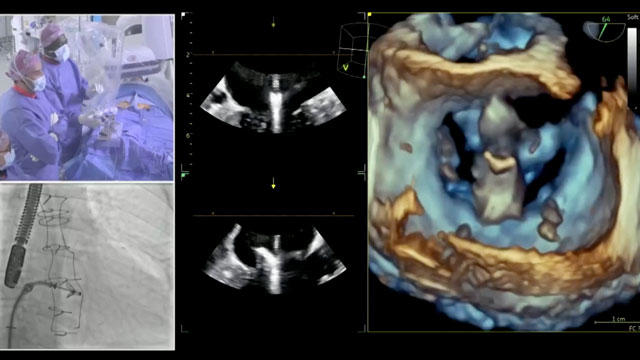
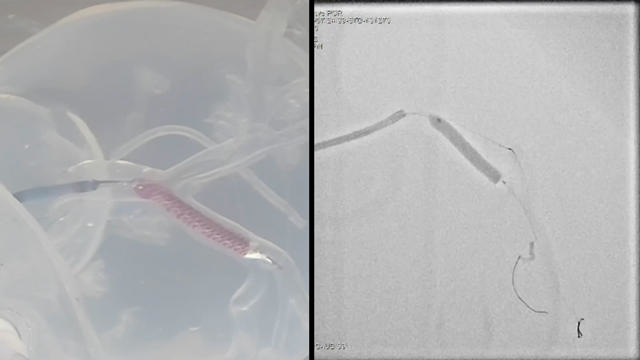
Image-guided bifurcation stenting - In vitro beating heart simulation-based learning from Japan
18 May 2022 – From EuroPCR 2022
The focus of this EuroPCR 2022 session is on complex bifurcation intervention: learn a step-wise approach using imaging in a bifurcation stenting strategy, acknowledge the geographical differences in the way we approach these techniques, and experience the use of simulation-based learning on an in vitro beating...
A case of left main PCI?
17 May 2022 – From EuroPCR 2022
Discover the case of a 74 year-old male presenting with NSTEMI, with an history of lung CA with lobectomy and radiation therapy. The team decided to perform a PCI. How did the procedure go? What challenges did they face and how did they manage them? Watch...
An interesting case of SCAD
17 May 2022 – From EuroPCR 2022
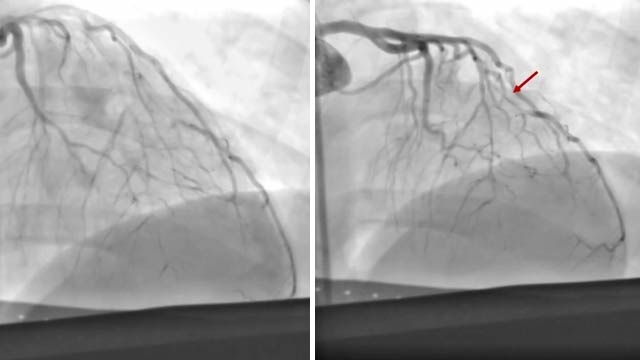
Discover the case of a 36 year-old woman presenting with squizzing central chest pain and referred for a primary PCI with impression of anterior STEMI. Angiography revealed a diffused significant lesion at mid-part of LAD. Watch the video to discover the treatment's option!
Complex PCI after bypass grafts failure
17 May 2022 – From EuroPCR 2022
Discover the case of a 76 year-old female patient presenting with unstable angina, history of CABG and SVG and various risk factors (dyslipidemia, hypertension and type 2 diabetes). Angiography revealed a severe calcification of left main and left anterior descending artery with a tight stenosis, a...
Fractured stent and aneurysmal expansion of the coronary artery
17 May 2022 – From EuroPCR 2022
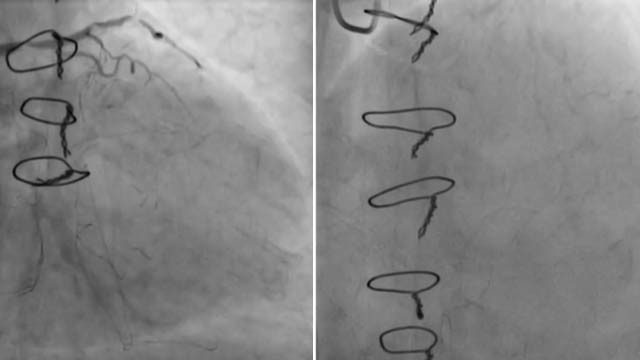
Discover the case of a 51 year-old male presenting with stable angina, with an history of ischemic heart disease (stented several times), hypertension and benign lung tumor (active smoker). Angiogram revealed a mid LCx CTO, a mid LAD aneurysmal extended with distal part occluded and an...
Repeat NSTEMI late after self-expanding TAVR
17 May 2022 – From EuroPCR 2022
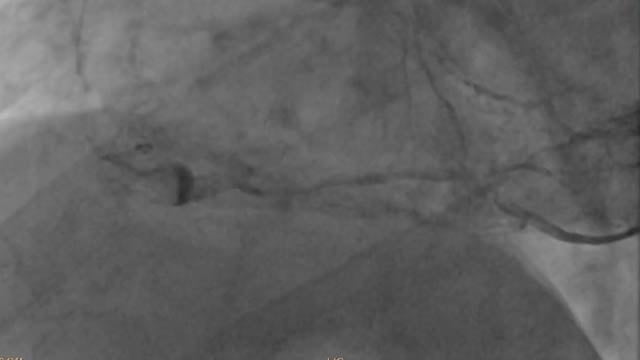
Discover the case of a 79 year-old man presenting to the ER with NSTEMI and chest pain, with an history of NSTEMI with PCI and TAVR (CTO of the dominated RCA and intermediate stenosis of the proximal LAD). Angiography reveals a tight stenosis of proximal and...
Severe coronary calcification: a setting for more than one lesion preparation method
17 May 2022 – From EuroPCR 2022
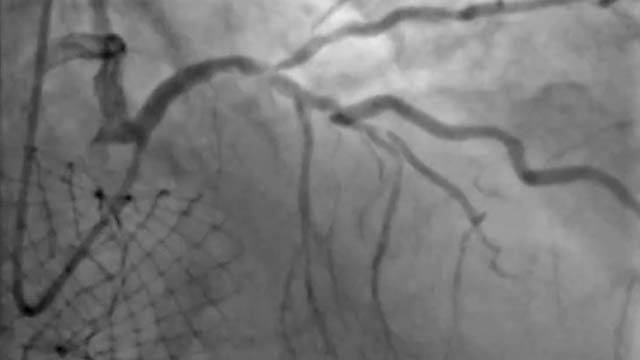
Discover the case of a 85 year-old male patient with an inferior NSTEMI, a severely reduced LVEF 20%, a symptomatic COVID-19 infection and various comorbidities. The RCA subocclusion was successfully stented, while the predilation of the proximal LAD calcification remained unsuccessful. How did the team treat...
The freaky and rocky road
17 May 2022 – From EuroPCR 2022
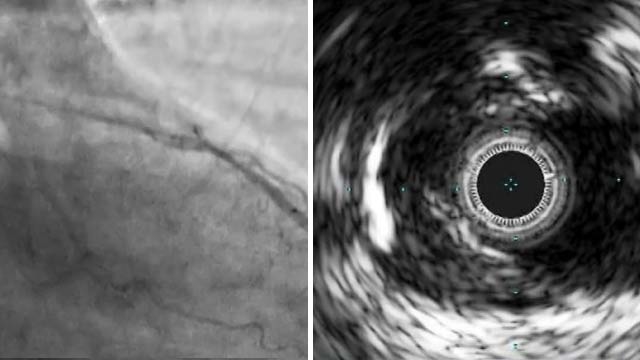
Discover the case of a 85 year-old female patient presenting with angina during dialysis and LVEF 55% with hypokinesia in inferior wall. Angiogram reveals an anomalous RCA from left sinus with a mid-RCA calcified CTO. Watch the video to learn more about the treatment's option!
Treatment of atherosclerotic vasospastic plaque in proximal left anterior descending and left main
17 May 2022 – From EuroPCR 2022
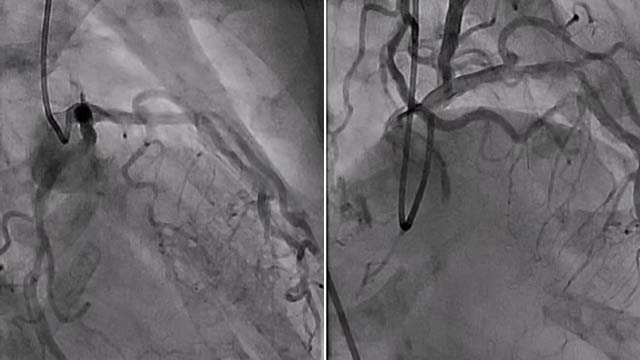
Discover the case of a 57 year-old male patient presenting with chest pain, ECG-ST segment depression in all precordial leads and elevated HS troponins. He already suffered from this event 2 years ago (treated conservatively). Angiogram reveals a vasospastic atherosclerotic plaque in proximal LAD and LM....
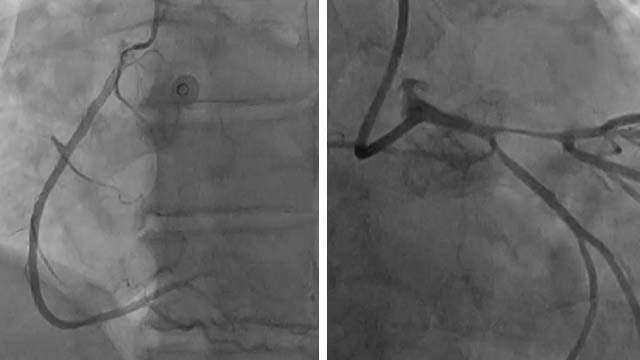
New insights in coronary artery disease and OHCA
17 May 2022 – From EuroPCR 2022
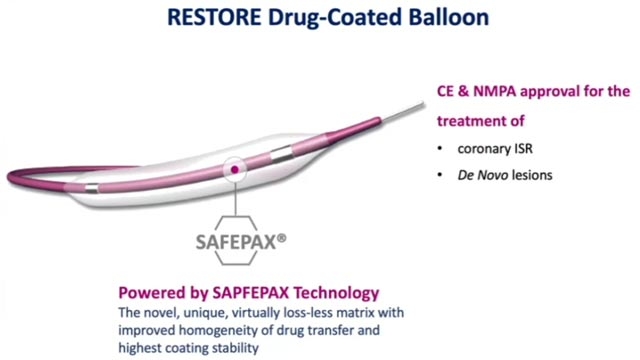
Consult this session to gain insights into coronary artery disease and OHCA: learn about the 4-year clinical outcomes of the RESTORE SVD trial regarding the Restore DCB, the results of the FAVOR III trial comparing QFR-guided vs angiography-guided PCI in patients with MVD, and more!
Peripheral Interventions
17 May 2022 – From EuroPCR 2022
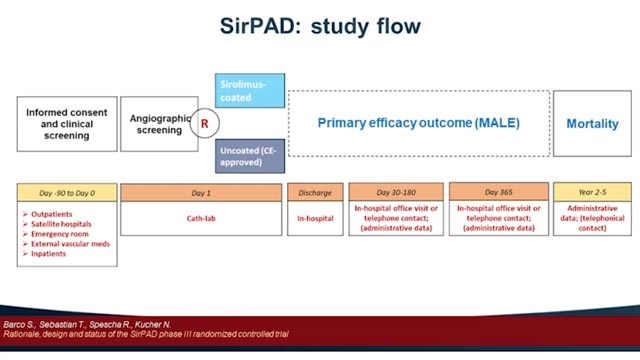
Watch this video to learn more about the rationale, design and status of the SirPAD phase III randomized controlled trial, investigating whether the use of sirolimus-coated balloon catheters in patients with peripheral artery disease is not inferior to that of uncoated balloon catheters for major clinical...