3646 results for «822»
3646 results
The future and vision of intravascular imaging
18 May 2021 – From EuroPCR 2021
Watch this session presented by Nieves Gonzalo in order to highlight the benefits and future of intravascular imaging, to share the benefits of using a structured and streamlined workflow, MLD-MAX, and to understand the benefits of using AI during the crucial steps of PCI.
The PASCAL platform: successfully and confidently treating MR
18 May 2021 – From EuroPCR 2021
Watch this session presented by Nicolas van Mieghem, Fabien Praz and Peter Lüdike in order to learn about the PASCAL platform and its differentiated features, to discuss how to identify patients for the treatment with the PASCAL platform, and to review clinical data and discuss patient outcomes...
Is angio-based FFR ready to replace invasive FFR?
18 May 2021 – From EuroPCR 2021
Watch this session presented by Joost Daemen and Ziad Ali in order to know more about physiological assessment in the cathlab and angio-based vFFR, the results of the multicentre vFFR clinical trial, and the future of angio-based FFR in the cathlab.
RADIANCE-HTN TRIO: key takeaways and implications for the treatment of hypertension
18 May 2021 – From EuroPCR 2021
Watch this session presented by Andrew Sharp in order to learn about the recent clinical advancements in the renal denervation procedure with the Paradise Ultrasound RDN system, and to hear the expert's perspective on the recently announced results from RADIANCE-HTN TRIO (blinded, sham-controlled, powered to demonstrate BP lowering...
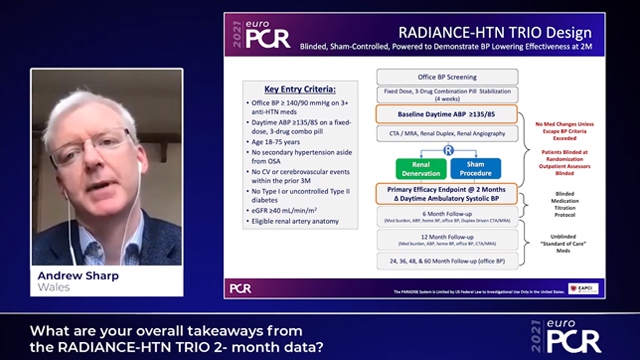
EuroPCR 2021 Hotlines / Late-Breaking Trials in ACS: COOL AMI EU pivotal rial and more!
21 May 2021 – From EuroPCR 2021
Find out more about various studies & registries in ACS:
- COOL AMI EU pivotal trial
- Complete versus incomplete revascularization in NSTEMI patients
- Non-hyperaemic IMRangio and long-term clinical outcome in STEMI
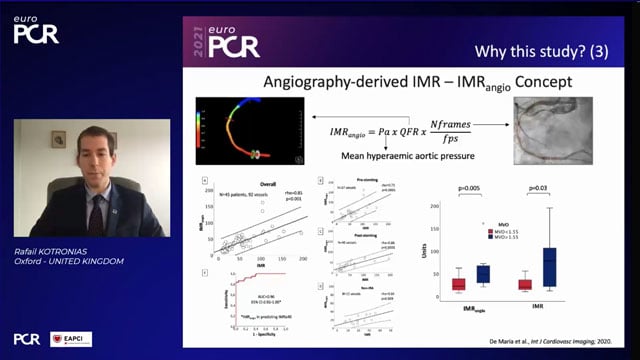
New horizons in tricuspid therapy, the TricValve solution
19 May 2021 – From EuroPCR 2021
Watch this session presented by Michael Haude, Christoph Naber, Mohamed Abdel-Wahab, Mohd Ghazi Azmee, Yahaya Shaiful Azmi, Katharina Kiss and Ignacio Amat Santos in order to learn about the TricValve system's approach to tricuspid regurgitation and right heart disease, to understand how this new generation of tricuspid valve system may...
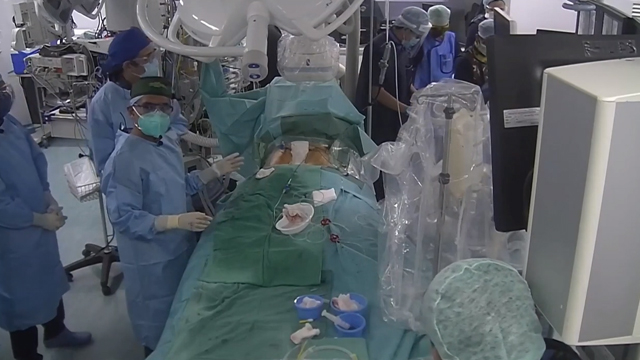
PCI in a patient with prior TAVI - Session with LIVE demonstration
18 May 2021 – From EuroPCR 2021
Watch this session if you want to discuss the available data for treating coronary artery disease in patients undergoing TAVI and to understand the role of FFR/IFR in coronary artery disease assessment prior to TAVI.
This session was originally presented during EuroPCR 2021.
EuroPCR 2021 - Innovations in peripheral and structural interventions
18 May 2021 – From EuroPCR 2021
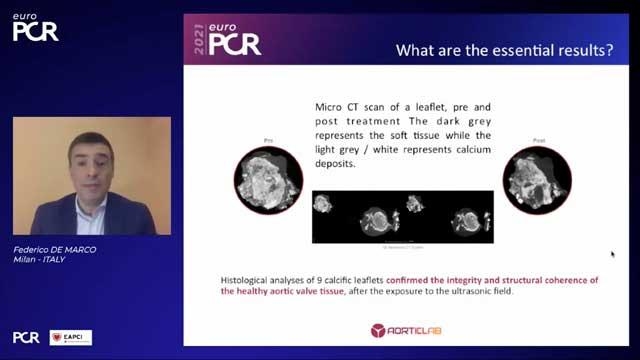
In this session, discover how an effective calcium debridement procedure in stenotic aortic valves may restore the valve function, and why biometric indicators and engineering characteristics are so important for effective and safe delivery of endovascular care.
Percutaneous mitral treatment: repair - Session with LIVE demonstration
18 May 2021 – From EuroPCR 2021
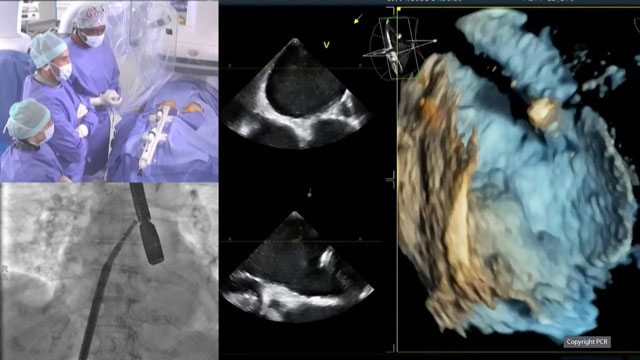
Watch this session if you want to understand patient selection for percutaneous mitral treatment, to select percutaneous valve repair or replacement and to learn tips and tricks in percutaneous valve treatment.
This session was originally presented during EuroPCR 2021.
How does Paradise renal denervation fit into hypertension treatment management?
20 May 2021 – From EuroPCR 2021
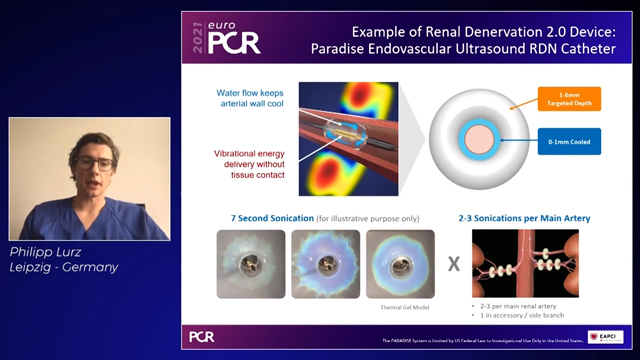
Watch this session presented by Felix Mahfoud, Philipp Lurz, Konstantinos Tsioufis and Joachim Weil in order to understand the ultrasound-based renal denervation procedure and summary of the latest clinical data, to review consensus statements and guidelines for the renal denervation therapy today, and to hear expert perspectives on how to establish...
Percutaneous mitral treatment: replacement
18 May 2021 – From EuroPCR 2021
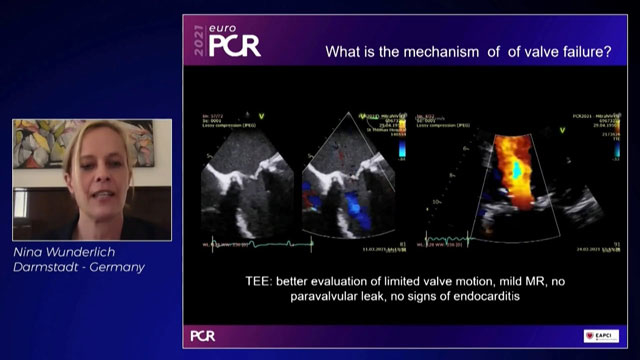
Watch this session if you want to understand patient selection for percutaneous mitral treatment, to select percutaneous valve repair or replacement, and to learn tips and tricks in percutaneous valve treatment.
This session was originally presented during EuroPCR 2021.
EuroPCR 2021 Hotlines / Late-Breaking Trials: Alster-FLX, ANGIE, COLOR, CREDENCE BRS, and P3
27 May 2021 – From EuroPCR 2021
Find out more about various studies & registries:
- Left atrial appendage occlusion with the WATCHMAN FLX: The Alster-FLX Registry
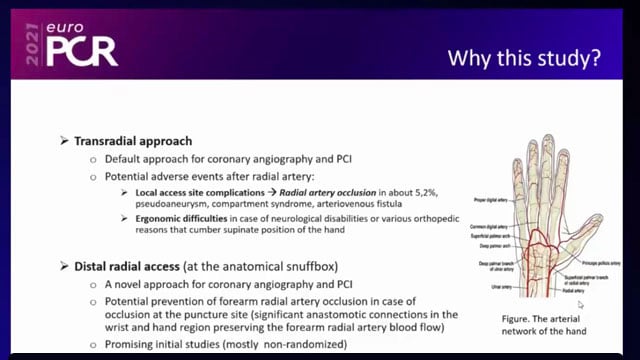
- Anatomical snuffbox for coronary angiography and interventions
- Randomized comparison between Radial and Femoral Large-bore access Complex PCI
- Experience with BRS for treatment of de novo native peripheral artery lesions
- Clinical validation of...
Optimise your TAVI patient's outcomes: implementing the Edwards benchmark programme
20 May 2021 – From EuroPCR 2021
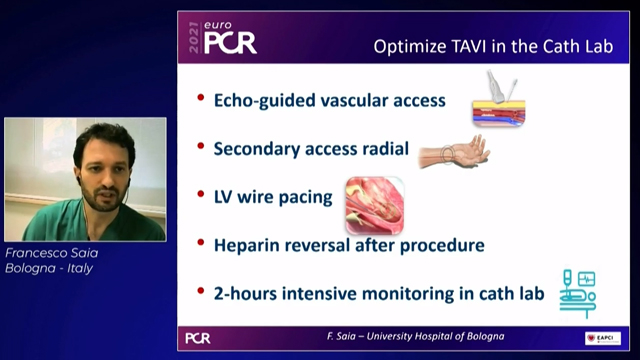
Watch this session presented by Simon Kennon, Olivier Darremont, Helene Eltchaninoff, Derk Frank, Sandra Lauck and Francesco Saia in order to improve access to high quality of care with safe early discharge for selected patients in Europe, to identify strategies to reduce hospital stay and optimise TAVI programmes for...
EuroPCR 2021 Hotlines / Late-Breaking Trials: MAGSTEMI, France ABSORB, FUTURE-II, STRATEGY-IT, AIDA, and PRAGUE 22
21 May 2021 – From EuroPCR 2021
Find out more about various studies & registries in BRS/BVS:
- Magnesium-based Bioresorbable Scaffold in STEMI: 2 years results
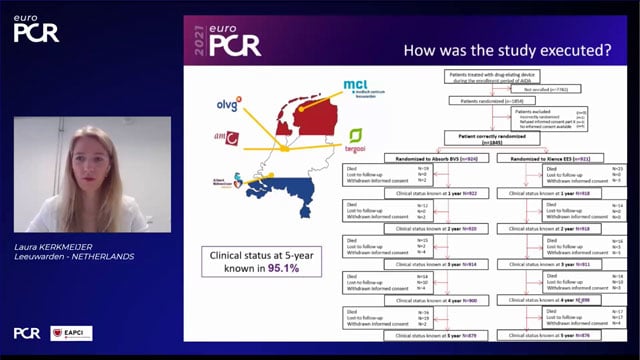
- France Absorb registry: final five years follow-up
- A randomized trial of thinner-strut sirolimus-eluting BRS in de novo lesions
- Three-year follow-up of the prospective bvs stemi strategy-it study
- Final five-year results of AIDA trial
- Bioresorbable...
Empowering DES performance in complex patients to maximise efficacy and safety outcomes
20 May 2021 – From EuroPCR 2021
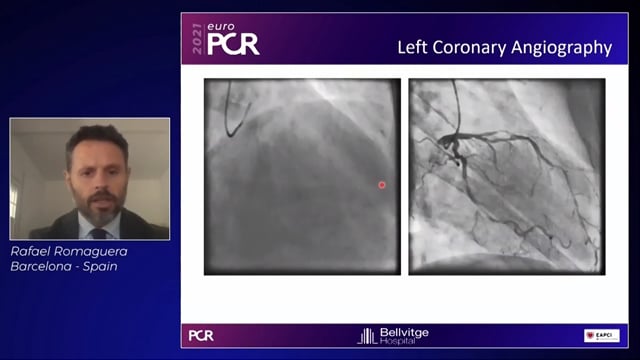
Watch this session presented by Marco Valgimigli, Istvan Ferenc Edes, Antonio Colombo, Rafael Romaguera, Gennaro Sardella and Pieter Stella in order to identify the key elements and actions to be considered to maximise complex PCI outcomes in diabetes mellitus and high bleeding risks patients, to understand how re-PCI impacts...
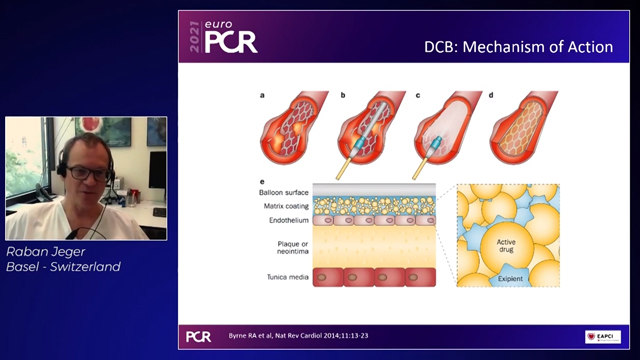
Paclitaxel and sirolimus coated balloons: create evidence before claims
20 May 2021 – From EuroPCR 2021
Watch this session presented by Mohd Ali Rosli, Bruno Scheller, Raban Jeger and Sylvia Otto in order to join a controversial discussion about a sirolimus and paclitaxel coated balloon approach, to follow a dedicated discussion on existing evidence on efficacy and safety for paclitaxel and sirolimus coated balloons...
EAPCI-PCR Fellows Course 2021 - Valvular track | CT assessment for TAVI: Balloon Expandable Valves
28 Apr 2021 – From EuroPCR 2021
Be sure not to miss out on this episode on valvular interventions if you're looking to learn plenty of useful tips and tricks for balloon-expanding valves!
Key questions:
- How do I analyse CT for TAVI?
- How can I use CT in the cathlab to guide my procedure?
- How does the...
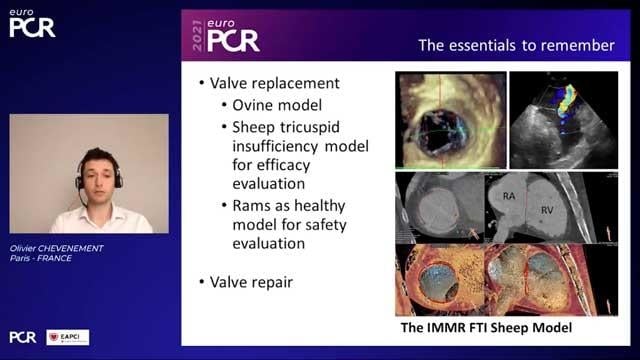
EuroPCR 2021 - Innovations in tricuspid / pulmonary valve
18 May 2021 – From EuroPCR 2021
Watch this session to discover how ovine, sheep, or ram models can be used when discussing valve replacement, to measure the need for TCR solutions for the treatment of TR, and to consider basilic vein access for small-bore pulmonary embolism interventions.
EAPCI-PCR Fellows Course 2021 - Valvular track : Self Expandable Valves and complex anatomies
12 May 2021 – From EuroPCR 2021
This episode will give you tips on Self Expandable Valves and complex anatomies - don't miss it !
Key questions:
- How to assess a bicuspid or a severely calcified aortic valve on CT scan?
- How to position a self-expanding valve in different anatomies?
- What are the specificities of valve-in-valve procedures?
The...

PCR Peripheral for beginners - Iliac angioplasty case from puncture to closure
28 Apr 2021 – From EuroPCR 2021
Do you want to know which exams are needed before starting an iliac angioplasty case?
Watch this episode if you want to:
- Know which exams are needed before starting an iliac angioplasty case
- Discuss how to deal with simple common iliac and external iliac case angioplasties
- See how to perform...