3644 results for «790»
3644 results
EuroPCR 2021 - Innovations in stents & scaffolds
18 May 2021 – From EuroPCR 2021
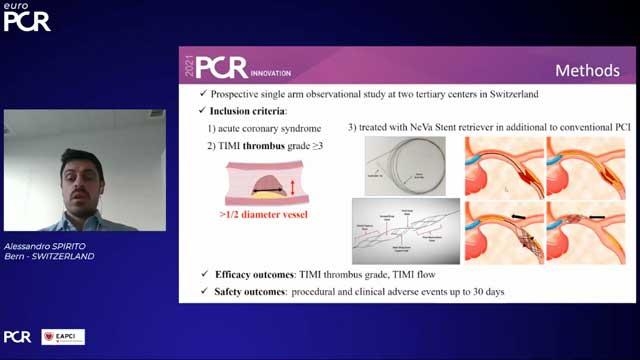
This session will enable you to find out more about arterial balloon with variable pressures, SPAS (stent positioning assistance systems), thrombectomy with a novel stent retriever in patients with large thrombus burden, and bionanosensored stents.
Emergency cases in the cathlab: there is not just ACS and PCI
18 May 2021 – From EuroPCR 2021
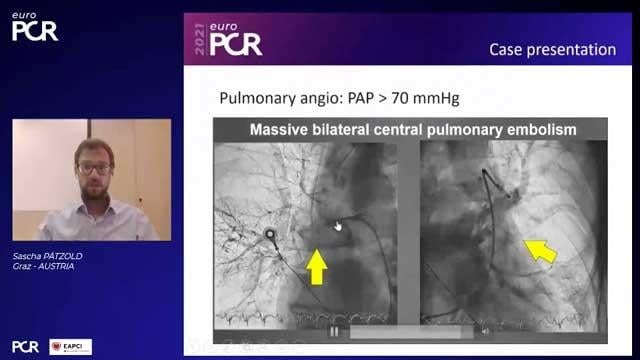
Look at this video presenting a patient with massive bilateral central pulmonary embolism: how would you treat?
Cases on CTO
16 Dec 2021 – From GulfPCR-GIM 2021
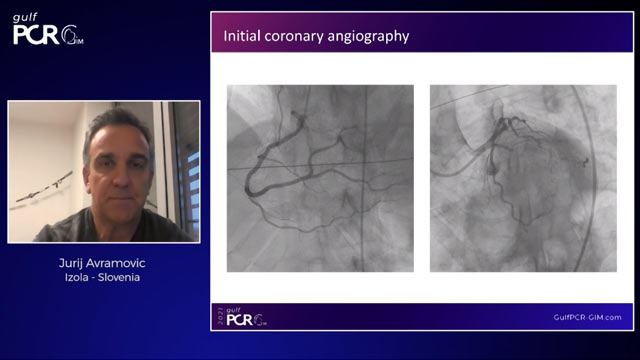
Watch this session to discover 3 CTO cases unveiled at GulfPCR-GIM 2021: a successful CTO left circumflex PCI with periprocedural cardiac tamponade, a dynamic coronary roadmap as a guidance tool in CTO LAD recanalisation, as well as a complicated CTO to right coronary artery.
What's new in antiplatelet therapy post-PCI in 2021?
16 Dec 2021 – From GulfPCR-GIM 2021
From concrete clinical cases, discover the discussions led by our experts who wonder about the post-PCI antiplatelet treatment, and learn how to integrate evidence in daily clinical practice and to individualize DAPT strategies after PCI in 2021.
Year in review: the most impactful trials and papers in interventional cardiology in 2021
16 Dec 2021 – From GulfPCR-GIM 2021
While reflecting on the real academic milestones in the last couple of years, get key learnings for clinical practice from five selected trials published in 2021, and examples of how to critically appraise the internal and external validity of randomised clinical trials, among others.
Challenging STEMI and MVD scenarios
16 Dec 2021 – From GulfPCR-GIM 2021
In this session, five challenging STEMI cases are discussed so as to enable you to find out how to manage complex primary PCI in STEMI with multivessel disease (MVD).
STEMI and cardiogenic shock
16 Dec 2021 – From GulfPCR-GIM 2021
Thanks to the 3 presentations proposed in this session, review SCAI classification of cardiogenic shock and appraise the role of MCS in the management of STEMI with cardiogenic shock in the cathlatb.
Complications during PCI, guidewire entrapment and and unexpected Impella complication
16 Dec 2021 – From GulfPCR-GIM 2021
Watch this series of clinical cases- would you have made the same treatment choices to manage these complications?
- Unusual complication during an angiogram
- When wires give you troube
- Routine PCI complications: a CTO technique to the rescue
- Entrapment and fracture of coronary guidewire
- An unexpected Impella...
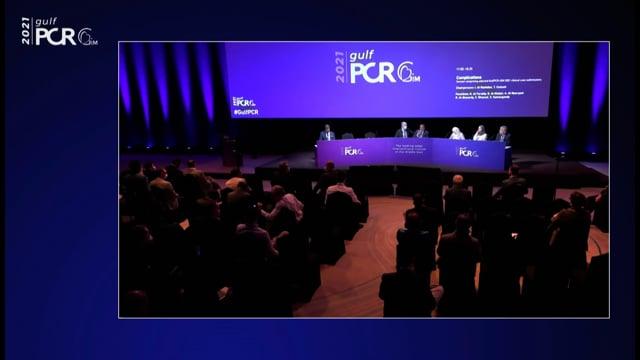
GulfPCR-GIM 2021 Closing Ceremony
16 Dec 2021 – From GulfPCR-GIM 2021
After a retrospective of the best images of the GulfPCR-GIM 2021 Congress, attend the presentation of the best clinical case award to the 2021 winner and listen to the closing highlights that put an end to this edition.

Left main intervention in 2021
16 Dec 2021 – From GulfPCR-GIM 2021
In this session whose aim is to highlight imaging value, watch the case of a 64-year-old man with diabetes, hypertension and severe interstitial lung disease who presented with new onset of shortness of breath and functional class NYHA II-III for 3 days...
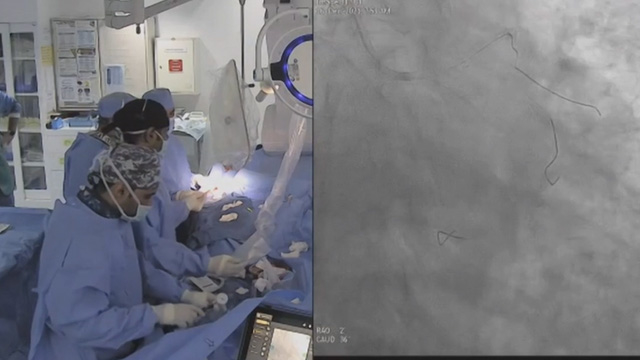
Technical consideration for left main bifurcation in light of evidence
16 Dec 2021 – From GulfPCR-GIM 2021
Watch this session to get proved that provisional side-branch stenting is recommended for the majority of bifurcation lesions, including the LM, that DK-Crush appears to be the best two-stent technique for important SB with complex stenoses, and that imaging and physiology can optimize stenting strategy decision...
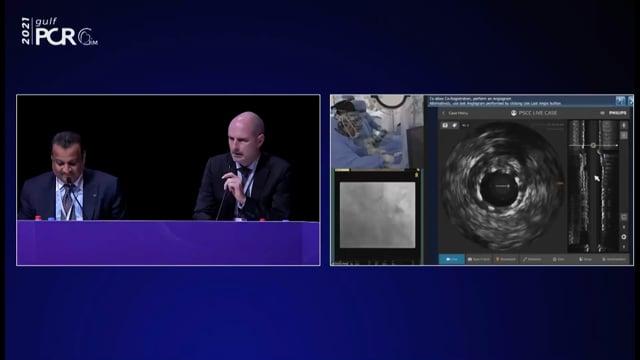
How to use devices efficiently in calcified lesions
15 Dec 2021 – From GulfPCR-GIM 2021
This case-based and practical guidance session will enable you to know how to tailor the available technology for lesions with high calcium content, understand the limitations of each device used for plaque modification, and overcome difficulties with each modality.
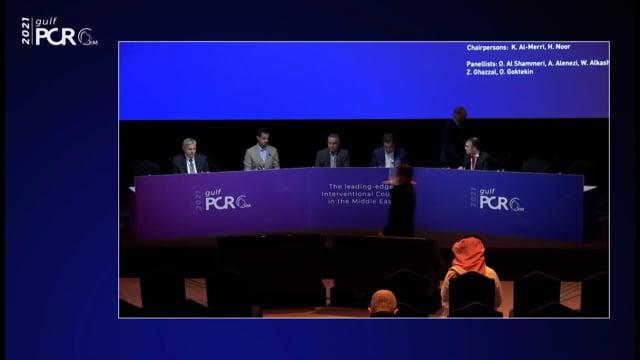
Late stent failure: a harsh reality
15 Dec 2021 – From GulfPCR-GIM 2021
Let's consider the modes of late stent failure in this session that will also enable you to understand the role of intravascular imaging in guiding evaluation of stent failure, and to enhance your skillset in treating late stent failure.
Contemporary TAVI in 2021 - Session with LIVE case
15 Dec 2021 – From GulfPCR-GIM 2021
Watch the LIVE case of a 76-year-old female patient with DM and HTN, who had MPI 2 years ago and who presented with severe aortic stenosis, and discuss device selection based on coronary anatomy, cerebral protection device use, and peripheral vascular access management.
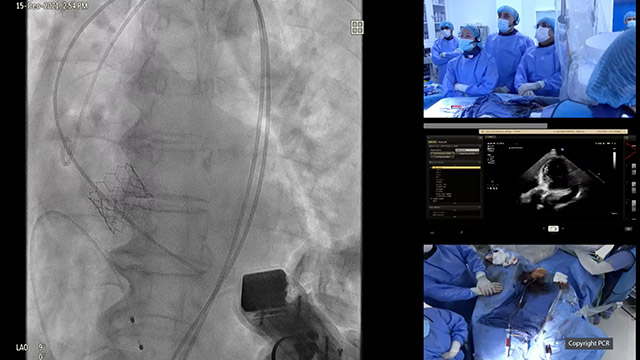
Lifetime management of TAVI patient
15 Dec 2021 – From GulfPCR-GIM 2021
In this session, start viewing the case of a 67-year-old female patient with hypertension and severe symptomatic aortic stenosis used to illustrate TAVI in very small aortic annulus, and, then, follow the discussion about smallest annulus treated with TAVI and lifetime management of TAVI patient.
Challenging Cases
15 Dec 2021 – From GulfPCR-GIM 2021
This session comprises a series of cases presenting complications to be discussed: if you were faced with them, what would be your strategy? Watch it and compare your methods with the ones of your peers!
GulfPCR-GIM 2021 Opening Ceremony
15 Dec 2021 – From GulfPCR-GIM 2021
Listen to the enthusiastic speeches of the 4 Course Directors who are happy to open this 10th edition of the GulfPCR-GIM Congress and to present the main highlights of a program that promises to be dense and rich.
Ultra low contrast PCI in chronic kidney disease: what tools do we have? How to perform? How to achieve optimal outcome? How low can you go?
22 Dec 2021 – From GulfPCR-GIM 2021
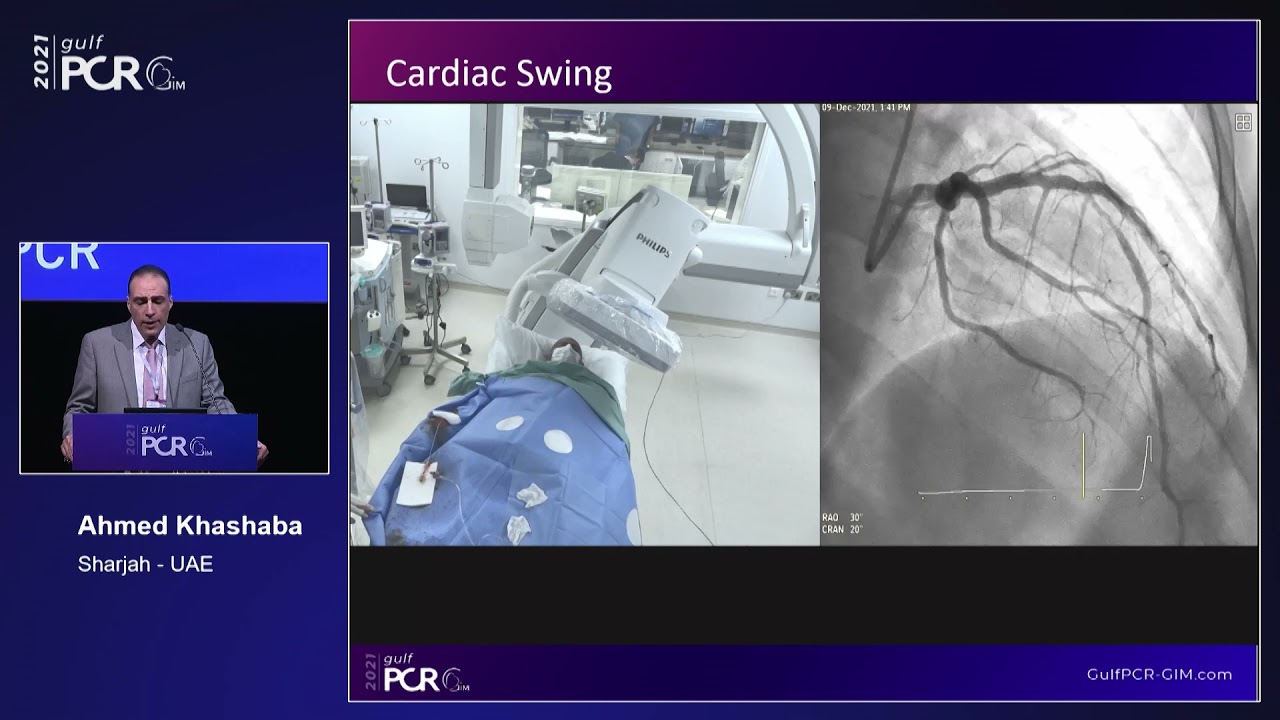
Don't miss this session to understand how to perform ultra-low contrast PCI in complex disease and to discover SyncVision co-registration, Dynamic Coronary Roadmap, and the benefits for Azurion to perform ultra-low contrast PCI.
Align to a line: improve clinical outcome of current and future patients with the Evolut platform
22 Dec 2021 – From GulfPCR-GIM 2021
Thanks to this session, aimed at revealing the exceptional performance of Evolut PRO+, learn key considerations for patients with longer life expectancy and explore the pathway to a single-digit pacemaker post-TAVI.

Pushing boundaries in tricuspid therapy - The TricValve solution
22 Dec 2021 – From GulfPCR-GIM 2021
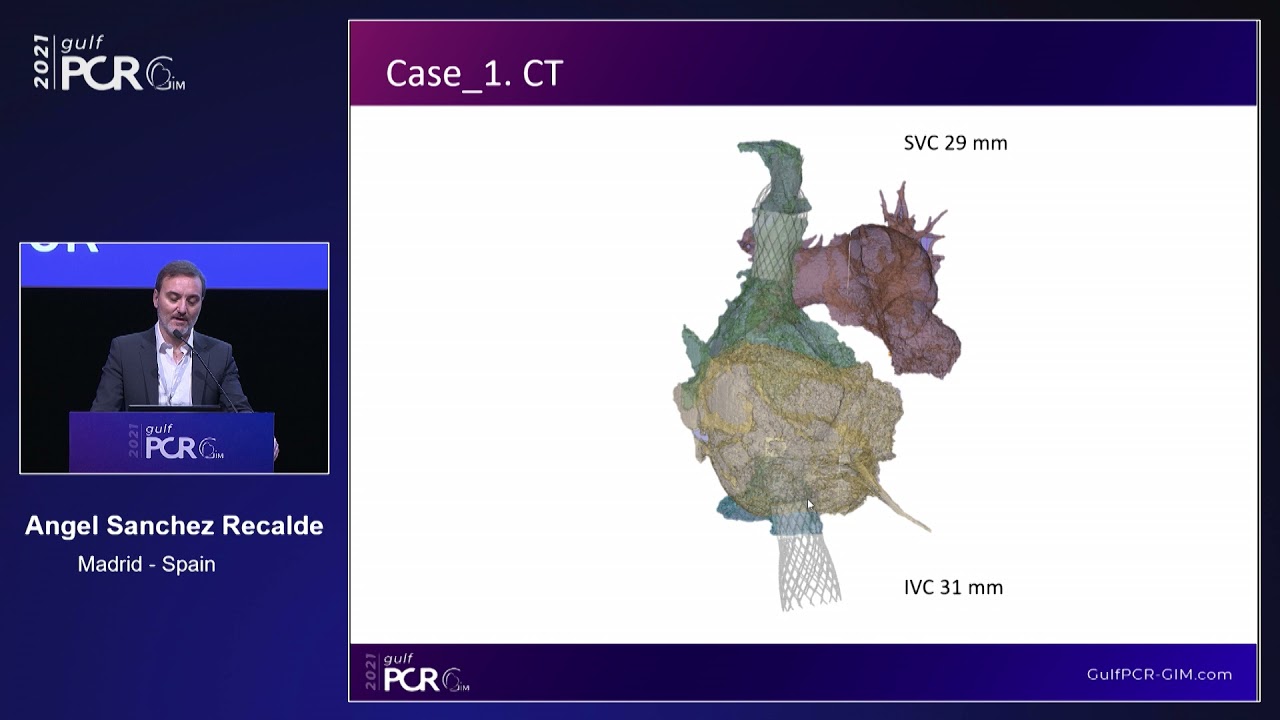
In this session, learn about the TricValve system in the treatment of severe TR and right heart disease, obtain insight from the experts with case scenarios, and understand how the TricValve Transcatheter Bicavel system can help patients with severe TR.