3652 results for «453»
3652 results
TAVI complications and management strategies
19 May 2026 – From EuroPCR 2026
Gain comprehensive knowledge on anticipating, identifying, and managing complications during transcatheter aortic valve implantation (TAVI). Through complex international case studies—including transaxillary Navitor implantation and bicuspid aortic valve challenges—this session highlights key strategies to improve procedural safety and outcomes.

Re-intervention challenges after first aortic valve replacement
19 May 2026 – From EuroPCR 2026
Addressing the challenges of re-intervention after initial aortic valve replacement, this session highlights advanced valve-in-valve TAVI strategies, including leaflet modification techniques, management of extreme coronary obstruction risks, and complex anatomical considerations such as post-Bentall root anatomy.
Managing life-threatening TAVI complications
19 May 2026 – From EuroPCR 2026
Manage life-threatening complications in TAVI procedures with a structured algorithm for identification and resolution. This session shares expert tips for handling specific severe complications and reviews best practices aimed at complication avoidance to enhance patient safety and procedural success.
Bioresorbable devices in clinical practice
19 May 2026 – From EuroPCR 2026
This session examines the evolving role of bioresorbable devices in coronary intervention, showcasing hybrid PCI strategies, novel applications in myocardial bridging, and innovative solutions for complex coronary lesions, including the use of bioadaptors and dual-device techniques.

All we need to know about vulnerable plaque
19 May 2026 – From EuroPCR 2026
Understand the critical importance of vulnerable plaque identification and management. This session covers optimal strategies for detecting vulnerable plaques, their prognostic implications, and evidence-based treatment approaches illustrated through detailed case presentations.
Primary PCI in challenging anatomy
19 May 2026 – From EuroPCR 2026
Focusing on primary PCI in challenging coronary anatomies, this session covers intracoronary thrombolysis for ectasia, imaging-guided no-stent strategies in vein graft occlusions, and management of coronary aneurysms presenting with acute coronary syndromes, highlighting tailored interventional approaches.
Rescue PCI for acute or unusual left main lesions
19 May 2026 – From EuroPCR 2026
This session explores rescue PCI techniques for acute and unusual left main coronary lesions, highlighting complex cases such as left main compression syndrome in pulmonary hypertension, and challenging strategies in acute coronary syndromes with left main occlusion and anatomical variations.
Selecting PCI devices in specific scenarios
19 May 2026 – From EuroPCR 2026
This session addresses device selection strategies tailored to specific interventional cardiology scenarios. It covers innovative approaches such as coronary laser use in difficult lesions, intravascular imaging-guided treatments for in-stent restenosis, and physiological assessment post-magnesium scaffold resorption, supported by real-world data and emerging machine learning applications.
FFR- and IVUS-guided PCI of a long and calcified LAD lesion - LIVE case
19 May 2026 – From EuroPCR 2026
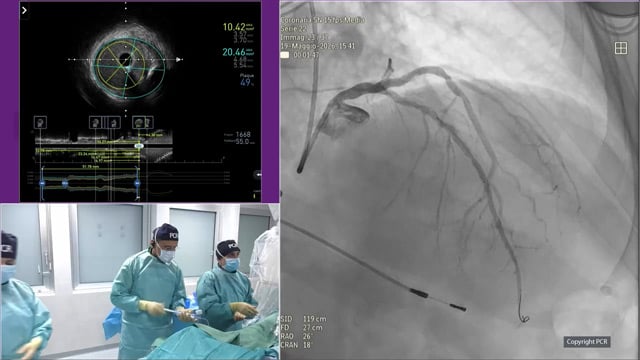
A 71‑year‑old man with hypertension and dyslipidemia presented with CCS class II angina and three‑vessel coronary artery disease. Functional assessment included CT‑derived micro‑FFR, angiography‑based FFR, and stress myocardial scintigraphy. The only hemodynamically significant lesion was a long, calcified lesion of the LAD.
Lesion preparation was performed with...
New evidence in the treatment of calcified lesions
19 May 2026 – From EuroPCR 2026
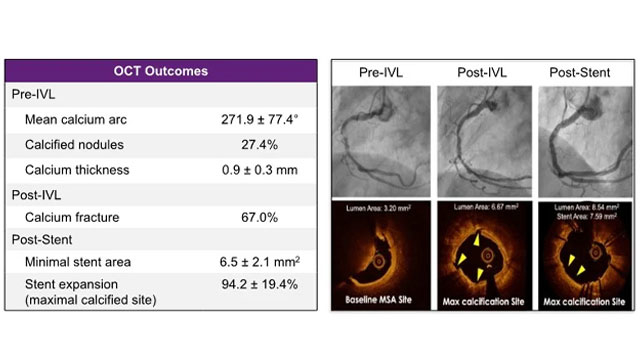
This session presents the latest evidence on treating calcified coronary lesions, comparing intravascular lithotripsy, cutting balloons, rotational and orbital atherectomy. It includes clinical trial data on efficacy, safety, and impact on coronary microvascular function, providing a robust foundation for evidence-based decision-making in calcified lesion management.
Identifying problems and solving complex anatomies during TAVI
19 May 2026 – From EuroPCR 2026
A comprehensive session on managing complex anatomies during Transcatheter Aortic Valve Implantation (TAVI), emphasizing risk markers for peri-operative complications and strategies to address difficult anatomical challenges. Real-world cases illustrate practical approaches and key learnings for handling intricate TAVI scenarios.
TAVI procedural complications - Part 1: VSD, valve embolisation, and more
19 May 2026 – From EuroPCR 2026
This session focuses on the complex complications that can arise during TAVI procedures, such as ventricular septal defects, valve embolisation, and other critical events. Through detailed case analyses, it offers strategies for recognition, prevention, and management to improve patient safety and outcomes.
How to prevent and manage complex and complicated LAA closure cases?
19 May 2026 – From EuroPCR 2026
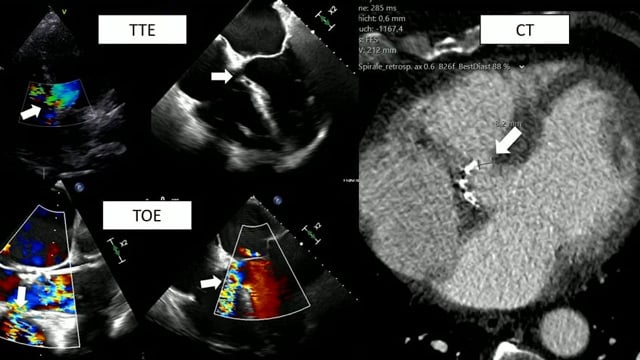
Designed to enhance procedural success in transcatheter left atrial appendage closure, this session addresses identification of complex anatomies, management of intraprocedural challenges, and strategies to prevent and handle complications, illustrated by practical case examples and expert evaluations.

Effective strategies for preventing and resolving complications of PCI in STEMI or left main patients: a case-based educational session
19 May 2026 – From EuroPCR 2026
This case-based educational session focuses on the prevention and resolution of PCI complications in STEMI and left main patients. It offers a cross-geographic perspective on prompt recognition, risk evaluation, and diverse management techniques to improve patient outcomes in high-risk PCI scenarios.
How should I treat a patient with a calcified mitral anatomy?
19 May 2026 – From EuroPCR 2026
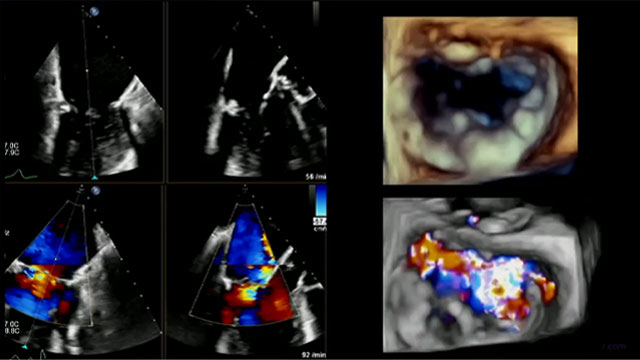
This session explores the management of patients with calcified mitral anatomy, from advanced imaging assessment to intervention planning. It evaluates the suitability of mitral annular calcification for transcatheter edge-to-edge repair (TEER) and discusses alternative therapeutic options for patients ineligible for TEER.
Angiography-based physiology in clinical practice
19 May 2026 – From EuroPCR 2026
Investigate the clinical application of angiography-based physiology in coronary artery disease management. This session covers quantitative flow ratio (QFR) guided PCI strategies, risk stratification in chronic coronary syndrome, and prognostic value of angiography-derived indices, offering a wire-free diagnostic approach supported by recent trial data.
From data to decisions: calm and structured approaches to high pressure PCI
19 May 2026 – From EuroPCR 2026
Addressing high-pressure scenarios in the cath lab, this session explores calm and structured decision-making approaches for unusual and challenging PCI cases. It emphasizes optimizing management of life-threatening complications through real-time strategies and illustrative case discussions.
Optimal management of primary PCI complications
19 May 2026 – From EuroPCR 2026
This session delves into the optimal management of complications arising during primary PCI. It addresses critical scenarios from initial hesitation and unexpected challenges to confident treatment strategies for vessel complications. Notably, it explores complex cases such as paradoxical embolisation following rescue PCI in STEMI patients, providing...
PCR's Got Talent Round 1 - Session 2
19 May 2026 – From EuroPCR 2026
PCR's Got Talent Round 1 - Session 2 offers a diverse collection of studies addressing coronary microvascular dysfunction, atrial fibrillation management, TAVI outcomes, AI applications in imaging, mitral and tricuspid valve interventions, and in-stent restenosis treatment. The session culminates with deliberations and results announcements, reflecting cutting-edge...
Managing complex calcified PCI: pitfalls and complications
20 May 2026 – From EuroPCR 2026
This session addresses the complexities and challenges of performing PCI in heavily calcified coronary lesions. Emphasizing the critical role of imaging in procedural planning, it updates on contemporary tools and techniques to mitigate complications. The session also shares practical experience in managing common complications such as...