3645 results for «617»
3645 results
Navigating the complexity of high bleeding risk
20 May 2026 – From EuroPCR 2026
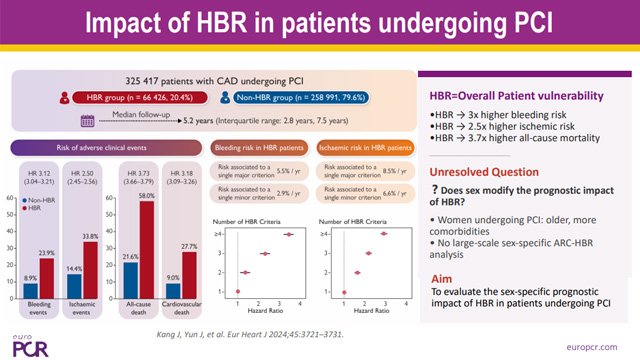
Focusing on patients with high bleeding risk undergoing PCI, this session presents contemporary evidence on prevalence, procedural strategies with different stent types, antiplatelet therapy considerations including diabetic and sex-specific outcomes, and novel technologies such as sirolimus-coated balloons and machine learning models for restenosis prediction.
Management of rare clinical scenarios in the cathlab
20 May 2026 – From EuroPCR 2026
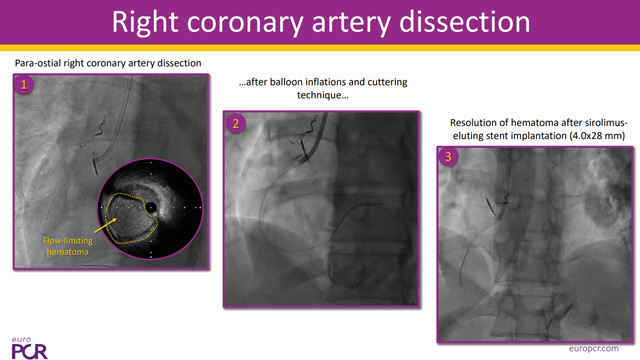
This session addresses the management of rare and complex clinical scenarios encountered in the catheterization laboratory. Cases include dyspnea in coronary artery bypass graft patients, aortocoronary dissection management, complications during coronary sinus reducer implantation, coronary artery aneurysms related to IgG4 vasculitis, ibuprofen-induced Kounis syndrome, and challenging...
Mitral paravalvular leak closure: case-bases strategies
20 May 2026 – From EuroPCR 2026
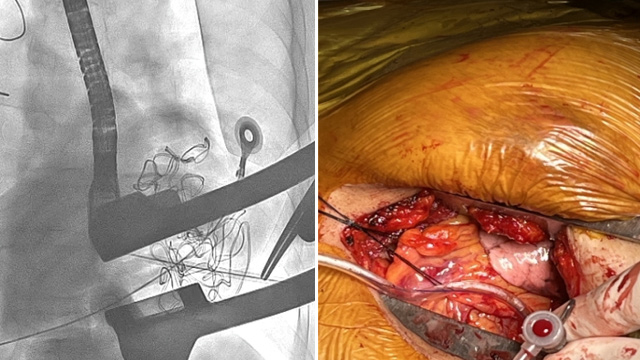
This session presents case-based strategies for mitral paravalvular leak closure, highlighting complex percutaneous approaches including multivalvular failure management, apical access techniques, and transatrial direct surgical valve-in-MAC procedures. It features challenging clinical scenarios demonstrating innovative solutions for hemolytic leaks and complex paravalvular defects.
Complex endovascular and pulmonary interventions
20 May 2026 – From EuroPCR 2026
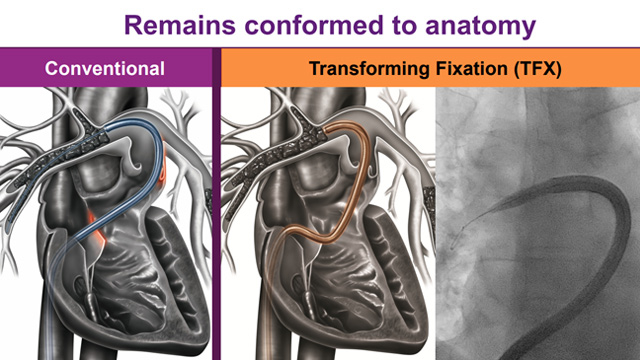
Explore advances in complex endovascular and pulmonary interventions, including the transformation of interventional labs into intelligent learning ecosystems, innovative approaches to peripheral and coronary CTOs, and novel therapies such as extravascular renal denervation and fixation catheters for acute pulmonary embolism.
Drug-coated balloon (DCB) technology: A pioneer’s view of the historical evolution and future directions
08 Jan 2025
In this article, Bruno Scheller explores advances in local drug delivery, from drug-coated balloons to novel antiproliferative agents. These innovations aim to reduce restenosis, minimize permanent implants, and pave the way for patient-specific coronary artery disease treatments.

Author