3177 results for «508»

Filter By

3177 results

Complications and bailout strategies in transcatheter mitral interventions

15 Feb 2026 – From PCR Tokyo Valves 2026

This session addresses complications arising during transcatheter mitral edge-to-edge repair (TEER), focusing on identification, anticipation, and management strategies. It also highlights the importance of case selection to improve procedural safety, supported by detailed case analyses covering leaflet/device, access/septal, and hemodynamic complications.

Complications and bailout strategies in transcatheter mitral interventions

Transcatheter electrosurgery and leaflet modification of the aortic valve

15 Feb 2026 – From PCR Tokyo Valves 2026

This session offers an expert overview of transcatheter electrosurgery and leaflet modification techniques for aortic valve interventions, focusing on TAV-in-SAV scenarios. It reviews patient selection, procedural setup, and material preparation, with detailed step-by-step guidance on BASILICA and UNICORN techniques, supported by recorded cases and troubleshooting strategies...

Transcatheter electrosurgery and leaflet modification of the aortic valve

Guidelines update

15 Feb 2026 – From PCR Tokyo Valves 2026

This session reviews the latest updates in the ESC/EACTS guidelines for structural heart disease, emphasizing their clinical implications and future trends. Participants will gain understanding of changes in aortic, mitral, and tricuspid valve recommendations, including new age cutoffs, asymptomatic disease management, and the evolving role of...

Guidelines update

Future devices and techniques for structural heart disease

15 Feb 2026 – From PCR Tokyo Valves 2026

This session surveys the future landscape of structural heart disease treatment, addressing current limitations in transcatheter valve technologies and presenting emerging devices and techniques for aortic, mitral, and tricuspid valves. Attendees will gain insights into innovations poised to transform therapeutic options for structural heart disease.

Future devices and techniques for structural heart disease

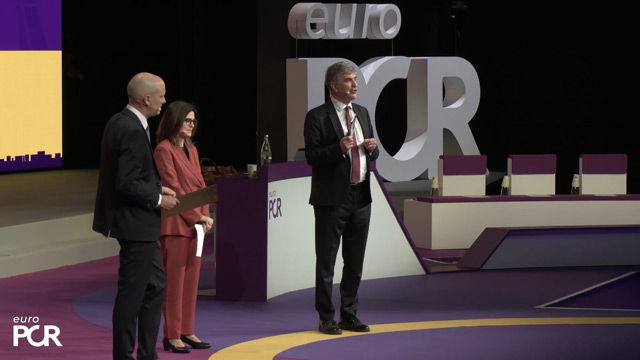
PCR Tokyo Valves 2026 Closing Ceremony

15 Feb 2026 – From PCR Tokyo Valves 2026

The Closing Ceremony marks the conclusion of this cardiology conference, providing a formal wrap-up and reflection on the key highlights and advancements presented throughout the event. It serves as an opportunity to acknowledge contributors and set the stage for future initiatives in interventional cardiology.

PCR Tokyo Valves 2026 Closing Ceremony

Mastering techniques from basic to complex - Mitral regurgitation assessment and suitability for TEER

13 Feb 2026 – From PCR Tokyo Valves 2026

Delve into the assessment of mitral regurgitation and the criteria determining suitability for Transcatheter Edge-to-Edge Repair (TEER). This session reviews mitral valve anatomy and the latest clinical data supporting mitral TEER interventions.

Mastering techniques from basic to complex - Mitral regurgitation assessment and suitability for TEER

Mastering techniques from basic to complex - Tips and tricks for advanced mitral TEER: anatomy and imaging

13 Feb 2026 – From PCR Tokyo Valves 2026

Advance your expertise in mitral TEER by gaining anatomical insights, understanding device interaction with native valve structures, and learning to prevent and manage procedural complications through case-based imaging and live assessments.

Mastering techniques from basic to complex - Tips and tricks for advanced mitral TEER: anatomy and imaging

Mastering techniques from basic to complex - Tricuspid TEER fundamentals

13 Feb 2026 – From PCR Tokyo Valves 2026

Gain foundational knowledge in tricuspid TEER by understanding anatomical criteria for patient suitability, key procedural steps, and device techniques, enhanced by simulation-based procedural training.

Mastering techniques from basic to complex - Tricuspid TEER fundamentals

Getting ready for tricuspid TEER: key steps in building a successful programme

14 Feb 2026 – From PCR Tokyo Valves 2026

Prepare to establish a successful tricuspid TEER programme by understanding essential components such as systematic echocardiographic and clinical assessments for patient selection, procedural fundamentals, and programme development supported by clinical evidence.

Getting ready for tricuspid TEER: key steps in building a successful programme

Patient selection for tricuspid TEER in 2026

14 Feb 2026 – From PCR Tokyo Valves 2026

This session focuses on optimizing patient selection for tricuspid transcatheter edge-to-edge repair (TEER) in 2026. It integrates anatomical, haemodynamic, and clinical criteria to identify ideal candidates, explores evolving treatment boundaries between TEER, transcatheter tricuspid valve replacement (TTVR), and medical management, and applies evidence from key trials...

Patient selection for tricuspid TEER in 2026

Procedural optimisation for enhanced acute and long-term outcomes

14 Feb 2026 – From PCR Tokyo Valves 2026

This session emphasizes procedural optimization in TAVI to enhance both acute and long-term outcomes. It highlights critical factors such as valve sizing, expansion, implantation depth, and commissural alignment. Practical techniques for pre- and post-dilatation alongside commissural alignment are demonstrated through real cath lab cases, underscoring their...

Procedural optimisation for enhanced acute and long-term outcomes

TAVI: new evidence and clinical trials

14 Feb 2026 – From PCR Tokyo Valves 2026

This session reviews the latest evidence from head-to-head clinical trials comparing contemporary TAVI devices, including detailed discussions of the LANDMARK and COMPARE trials. It also highlights ongoing and upcoming clinical trials poised to influence guideline recommendations and expand the therapeutic scope of TAVI, providing crucial insights...

TAVI: new evidence and clinical trials

Team approach to structural heart disease: how to handle unexpected situations

14 Feb 2026 – From PCR Tokyo Valves 2026

This session highlights the multidisciplinary team approach to managing structural heart disease, focusing on responses to unexpected intraoperative and postoperative situations. It features real-world experiences from a TAVI radiologic technologist, clinical engineer, TEER sonographer, and TEER nurse, emphasizing their respective roles in addressing intraoperative events, sudden...

Team approach to structural heart disease: how to handle unexpected situations

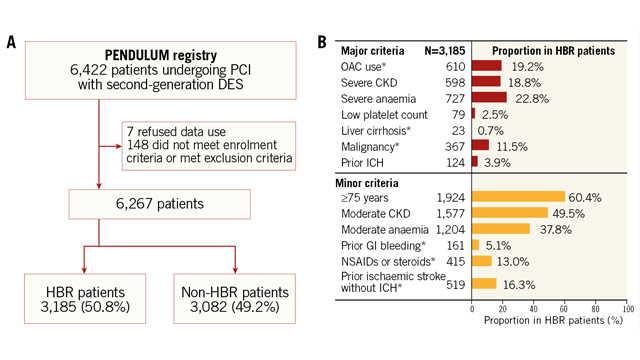
High bleeding risk and clinical outcomes in East Asian patients undergoing percutaneous coronary intervention: the PENDULUM registry

25 Feb 2021

The study aimed to evaluate the validity of the Academic Research Consortium for High Bleeding Risk (ARC-HBR) criteria for East Asian patients undergoing contemporary percutaneous coronary intervention (PCI) from the PENDULUM registry.

Authors :
Masato Nakamura, Kazushige Kadota, Koichi Nakao, Yoshihisa Nakagawa, Junya Shite, Hiroyoshi Yokoi, Ken Kozuma, Kengo Tanabe, Raisuke Iijima, Atsushi Harada, Takeshi Kuroda, Yoshitaka Murakami
EuroIntervention: the PENDULUM registry

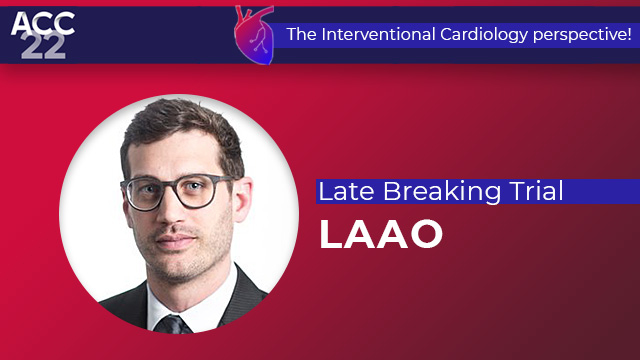
Residual Leaks Post Left Atrial Appendage Occlusion

03 Apr 2022

Michele Pighi provides his take on the National Cardiovascular LAAO Registry that analyzed data from 51,333 patients who underwent LAAO procedures with the WATCHMAN device between 2016-2019, as part of the College's NCDR registries.

M. Pighi

Author

Michele Pighi
Residual Leaks Post Left Atrial Appendage Occlusion

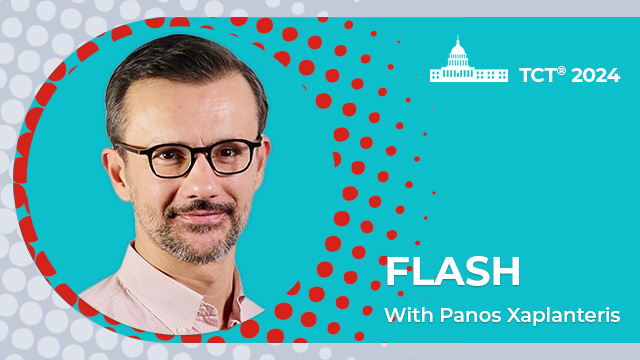
Artificial intelligence-based fully automated quantitative coronary angiography versus optical coherence tomography guidance for coronary stent implantation: a multicenter, randomised controlled non-inferiority trial (FLASH)

07 Nov 2024

Panos Xaplanteris provides his take on the FLASH trial presented by Jung-Min Ahn at TCT 2024 in Washington.

Panagiotis Xaplanteris

Author

Panagiotis Xaplanteris
Artificial intelligence-based fully automated quantitative coronary angiography vs OCT guidance for coronary stent implantation: a multicenter, randomised controlled non-inferiority trial (FLASH)

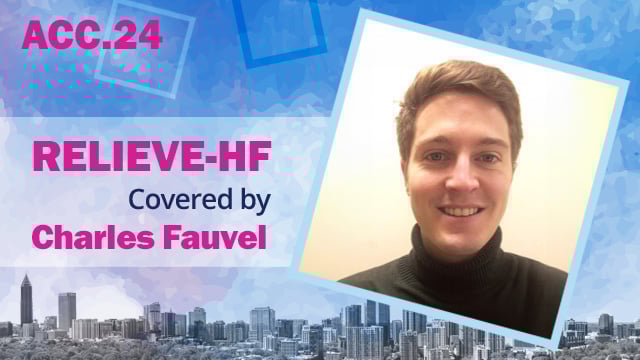
The RELIEVE-HF study: is an atrial septal shunt beneficial in HFrEF?

07 Apr 2024

Charles Fauvel provides his take on the RELIEVE-HF study outcomes presented by Gregg W. Stone at ACC.24 in Atlanta.

Charles Fauvel

Author

Charles Fauvel
The RELIEVE-HF study: is an atrial septal shunt beneficial in HFrEF?
Didn’t find what you were looking for?