Amr S Gamal
Latest contributions
New transcatheter mitral valve devices
17 Nov 2025 – From PCR London Valves 2025
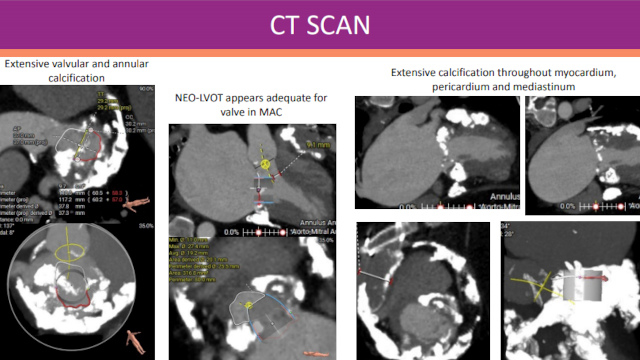
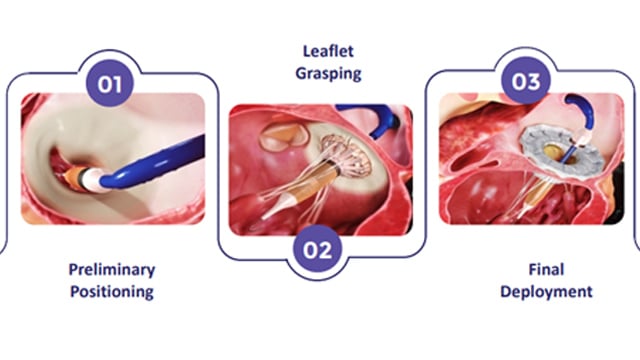
This session reviews emerging transcatheter mitral valve devices and their clinical applications. Topics include managing recurrent mitral regurgitation with combined ELASTA-Clip and TMVR approaches, TMVR use in elderly patients, surgical perspectives on device selection, multimodal percutaneous strategies for functional mitral regurgitation, and TMVR as a novel...
Left atrial appendage occlusion
17 Nov 2025 – From PCR London Valves 2025
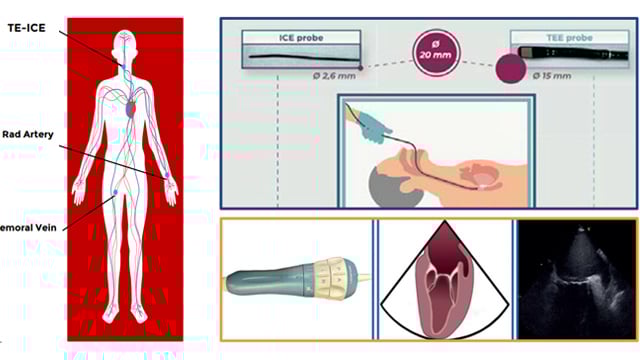
This session focuses on the complexities and innovations in left atrial appendage occlusion (LAAO) procedures. It covers transesophageal ICE monitoring, challenges posed by existing atrial septal occluders, combined surgical and percutaneous approaches, and the practical experience with the Ultraseal device. These insights advance understanding of procedural...
Tricuspid valve interventions in complex scenarios
16 Nov 2025 – From PCR London Valves 2025
This session explores tricuspid valve interventions in complex clinical scenarios, emphasizing emerging techniques such as electrosurgical laceration to enable TTVR, emergency TEER for papillary muscle rupture, and expanded options for difficult valve disease. It also addresses procedural challenges when conventional implantation maneuvers fail, transcatheter alternatives for...
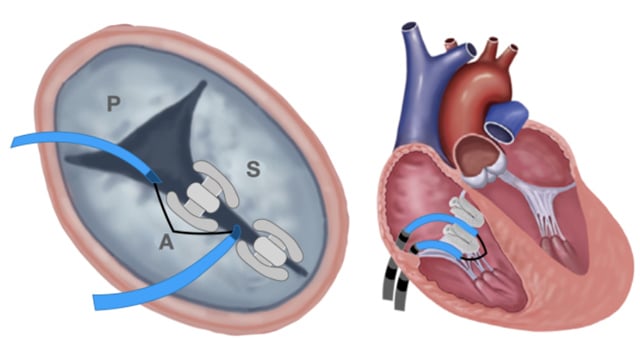
Gore Cardioform ASD occluder implantation for late progression of TR after Triclip
12 Mar 2025
Late progression of TR following T-TEER is not uncommon and may be challenging to treat due to anatomical and technical limitations. This is the 1st report of Gore Cardioform ASD Occluder implantation to treat recurrent severe TR after T-TEER.
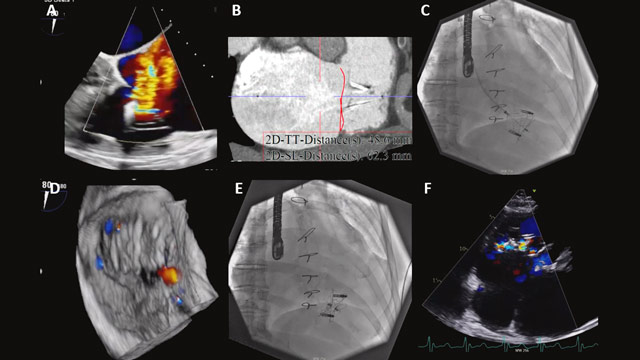
Featured cases - Mitral valve-in-valve (Part 1)
24 Nov 2024 – From PCR London Valves 2024
Immerse yourself in a collection of captivating clinical cases focused on mitral valve-in-valve procedures. Learn from experienced practitioners as they share their approaches to addressing complex challenges, such as paravalvular leaks, difficult anatomies, and innovative techniques.