Ranil De Silva
Latest contributions
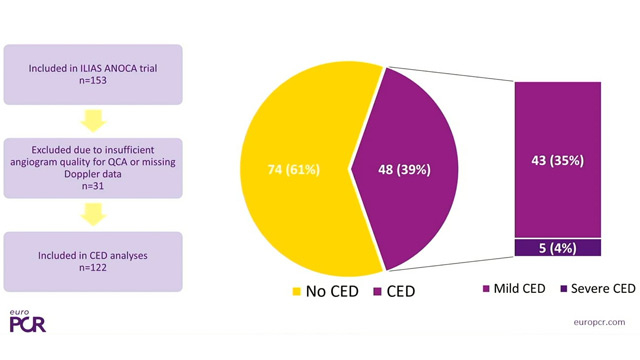
New evidence in coronary physiology for microvascular assessment
21 May 2026 – From EuroPCR 2026
This session highlights new evidence in coronary physiology related to microvascular assessment. Topics include endothelial dysfunction in angina with non-obstructive arteries, the prognostic value of microvascular resistance metrics, natural history studies, and trials aimed at standardizing management of microvascular dysfunction.
Physiological vs. anatomical assessment of multivessel disease patients
21 May 2026 – From EuroPCR 2026
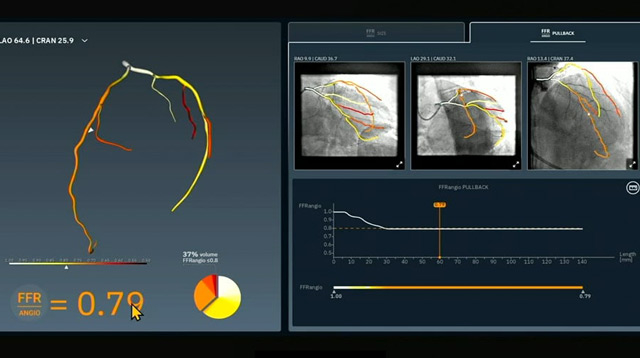
This session delves into the comparative benefits of physiological versus anatomical assessment in patients with multivessel coronary disease, focusing particularly on myocardial infarction cases. Attendees will explore how coronary physiology can guide complete revascularisation, the added value of physiological assessment beyond conventional angiography, and the selection...
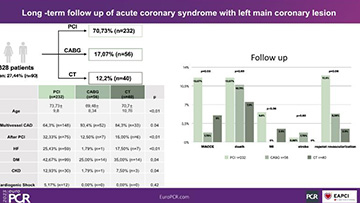
Management of stable CAD
20 May 2026 – From EuroPCR 2026
This session provides an in-depth review of current management strategies for stable coronary artery disease (CAD). Topics include angiographic predictors influencing PCI efficacy in stable angina, comparative outcomes of immediate versus staged PCI, and analyses of treatment approaches for significant left anterior descending artery disease. The...
Typical chest pain: atypical angiogram
20 May 2026 – From EuroPCR 2026
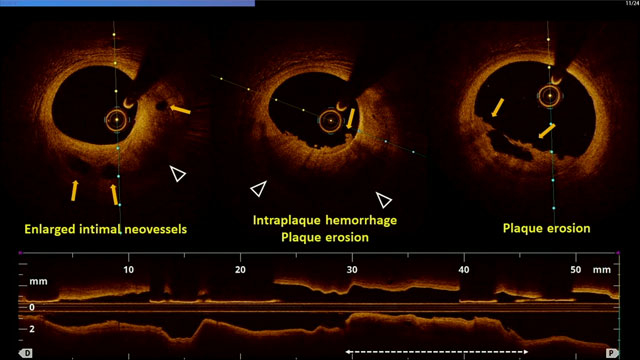
This session addresses the management challenges posed by acute coronary syndromes when angiographic findings are ambiguous or atypical. It highlights the role of intravascular imaging in clarifying diagnoses and discusses recent insights from clinical cases and key studies such as DISCO and the latest NSTEMI EuroIntervention...
Evidence in action: advancing care for angina with Shockwave Reducer
20 May 2026 – From EuroPCR 2026
Despite major advances in coronary revascularisation and medical therapy, angina continues to represent a significant clinical burden, affecting both quality of life and long-term patient management.
This EuroPCR 2026 session explores the emerging role of the Shockwave Reducer as a therapeutic option in patients with persistent angina....
Once you find microvascular disease, what do you actually do?
18 May 2026 – From EuroPCR 2026
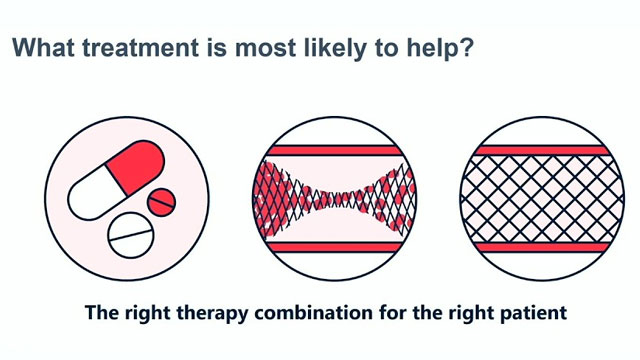
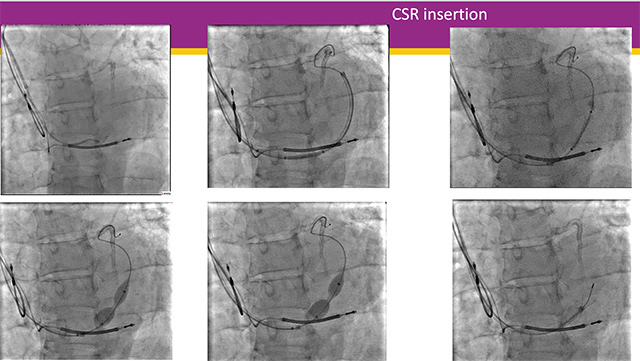
Addressing coronary microvascular disease requires a comprehensive understanding of current medical therapies and emerging interventions. This session reviews state-of-the-art pharmacological treatments, elucidates the mechanisms and clinical data surrounding the coronary sinus reducer (CSR), and offers critical discussion on its therapeutic role in microvascular dysfunction.
Road to relief - Effective treatment of refractory angina patients with Shockwave Reducer
22 May 2025 – From EuroPCR 2025
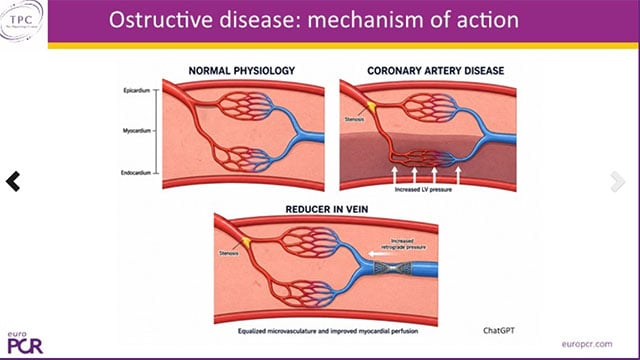
Refractory angina affects more than 100 million people globally and is associated with a significantly increased risk of adverse cardiovascular events. Treating this condition effectively remains a major clinical challenge. This session provides detailed insights into the use of the Shockwave Reducer device as an innovative therapeutic...
Innovative strategies for coronary interventions
22 May 2025 – From EuroPCR 2025
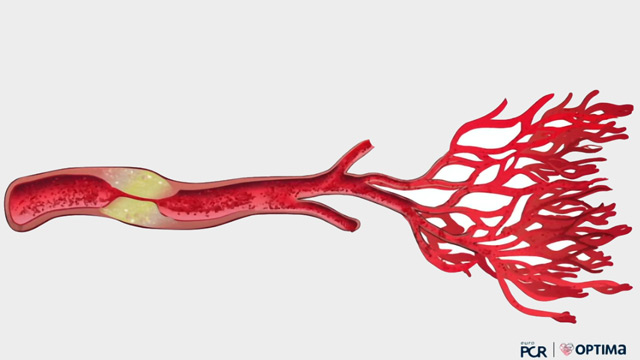
Explore innovative strategies in coronary interventions, including the EPIC26 sirolimus-eluting stent study, use of percutaneous ventricular assist devices in high-risk patients, the SCORE multicenter study on SeQuent SCB, DCB versus DES for ostial left circumflex lesions, and site-specific antithrombotic therapy outcomes from the DESyne BDS Plus...
Invasive treatment of refractory angina
20 May 2025 – From EuroPCR 2025
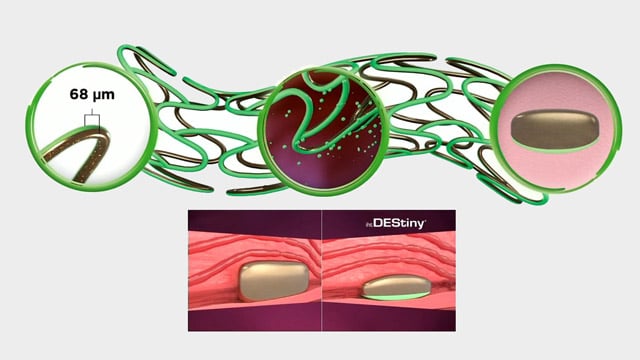
Explore invasive treatment options for refractory angina through clinical case presentations emphasizing coronary physiology guidance, coronary microvascular disease management, and innovative therapies such as coronary sinus reducer implantation. This session highlights provocative test-guided approaches to optimize patient outcomes.
PCR's Got Talent - Round 1 - Session 2
16 May 2023 – From EuroPCR 2023
Did you participate in this session and want to enhance your memory? Take a look at the slides shared by the presenters and revisit the key points worth remembering.