980 results
Integration of CT and IVUS for treatment of coronary artery disease in daily practice: from planning to drug-eluting therapy
22 May 2025 – From EuroPCR 2025
This EuroPCR 2025 session highlights how imaging can drive precision in modern PCI. From CT-guided planning to IVUS-guided drug-eluting balloon interventions, each presentation offers practical insights into optimising patient outcomes. Step-by-step approaches and recorded cases illustrate how to tailor tool and technique selection, while also addressing...

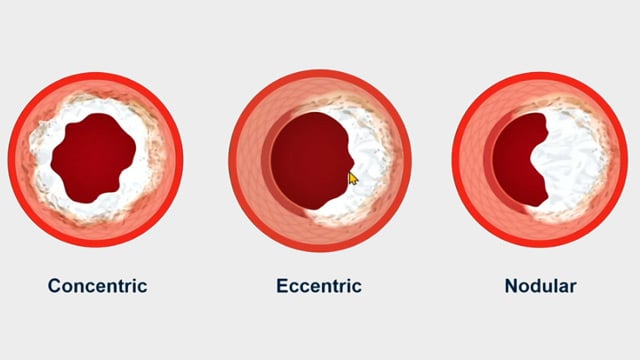
Novel Hertz Contact Intravascular Lithotripsy: could we achieve more in calcium modification?
22 May 2025 – From EuroPCR 2025
Discover how the novel Hertz Contact Intravascular Lithotripsy (IVL) is pushing the boundaries of calcium modification in challenging coronary lesions.
This EuroPCR 2025 session shares real-world insights confirming the promising results of the PINNACLE I trial, with LithiX IVL proving safe and effective across eccentric, concentric, and...
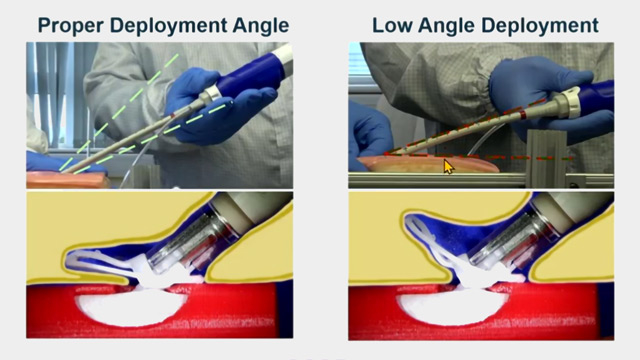
Successful finale - Latest best practices and technologies for large hole arterial and venous closure
22 May 2025 – From EuroPCR 2025
This session covers the latest best practices and technologies for large hole arterial and venous closure, focusing on minimising vascular complications.
Learn about a novel patch-based closure system with encouraging early results in TAVI cases, highlighting the importance of deployment angle and ultrasound guidance.
The venous case presentation...
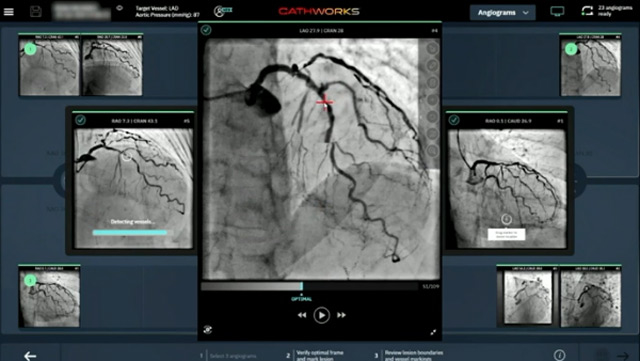
The new global era of patient care with CathWorks FFRangio
22 May 2025 – From EuroPCR 2025
This EuroPCR 2025 session highlights how CathWorks FFRangio is reshaping coronary physiology assessment worldwide. Through case-based experience and real-world data, it showcases the integration of FFRangio into routine clinical workflows—from early adoption at Clinique Pasteur in Toulouse to implementation across the UK. The session also presents...
Road to relief - Effective treatment of refractory angina patients with Shockwave Reducer
22 May 2025 – From EuroPCR 2025
Refractory angina affects more than 100 million people globally and is associated with a significantly increased risk of adverse cardiovascular events. Treating this condition effectively remains a major clinical challenge. This session provides detailed insights into the use of the Shockwave Reducer device as an innovative therapeutic...
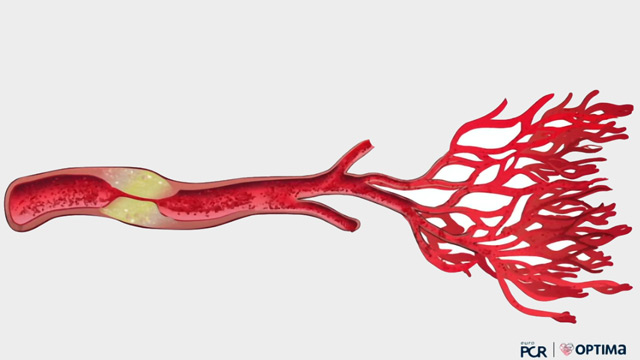
Best companions's case on complications in calcified lesions: episode 2
22 May 2025 – From EuroPCR 2025
Join this session examining complex complications in calcified lesion interventions. Learn from cases featuring controversial approaches that successfully resolved issues, coronary perforation management, retrograde iatrogenic dissection after lithotripsy, and algorithmic bailout strategies essential for navigating challenging calcified lesion complications.
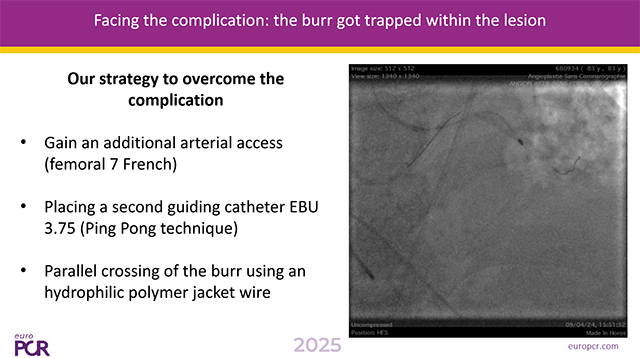
Coronary physiology: FFR and beyond
22 May 2025 – From EuroPCR 2025
Advance your understanding of coronary physiology with a focus on fractional flow reserve (FFR) and beyond. This session covers randomized trials comparing physiology-guided treatment to standard care in ANOCA, graft patency related to quantitative flow ratio, impacts of microvascular dysfunction on patient outcomes, and prognostic value...
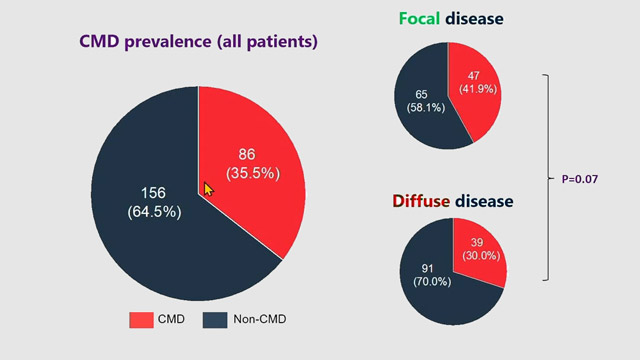
Challenging session in calcified lesions
22 May 2025 – From EuroPCR 2025
Engage with a challenging session focused on complex calcified lesion interventions. Topics include innovative triple burr techniques, OCT insights into resistant lesions, volume reduction strategies, eccentric calcium management, and IVUS-guided left main calcified lesion treatment, highlighting practical approaches to difficult cases.
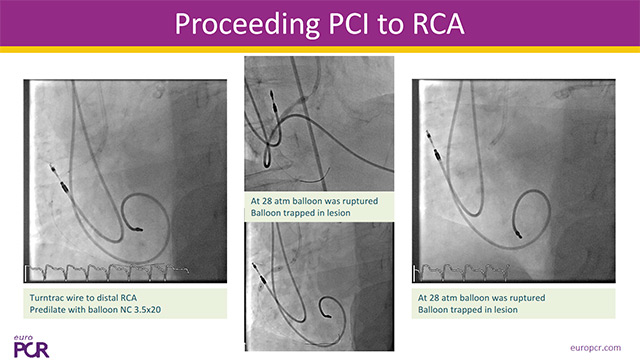
Redefining the red flags: early detection of myocardial infarction in women
22 May 2025 – From EuroPCR 2025
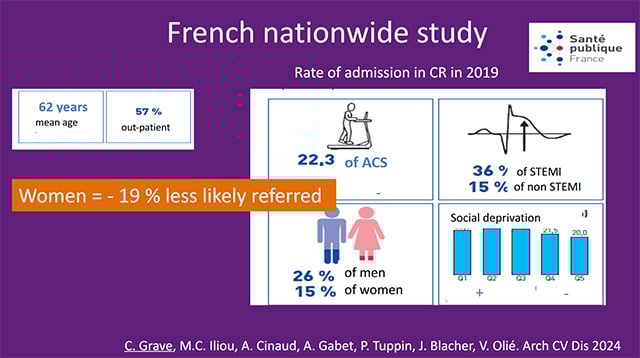
Gain a unique patient-centered perspective on early myocardial infarction detection in women. This session features a survivor's story, collaborative step-by-step clinical approaches, and key aspects of cardiac rehabilitation, emphasizing shared decision-making to improve patient outcomes in complex cases.
PCI for complex calcific coronary artery disease - LIVE Case
22 May 2025 – From EuroPCR 2025
An 87-year-old female patient, at high bleeding risk and with preserved LV function, presented 2 months ago with an inferior STEMI and multivessel disease. She initially underwent RCA PCI followed by staged LCx PCI. She was now referred for PCI of a long, heavily calcified lesion...