980 results
Management of heavy calcified bifurcation lesions
21 May 2025 – From EuroPCR 2025
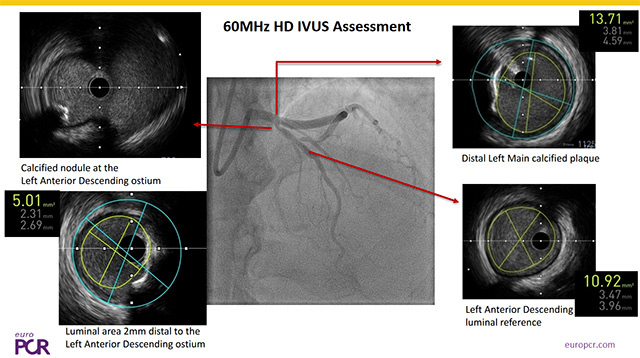
This session focuses on the management of heavily calcified bifurcation lesions using advanced techniques such as IVUS guided guidewire recrossing and orbital atherectomy. Learn step-by-step approaches to tackle complex calcific coronary bifurcations and improve procedural success.
Coils and plugs for coronary intervention
21 May 2025 – From EuroPCR 2025
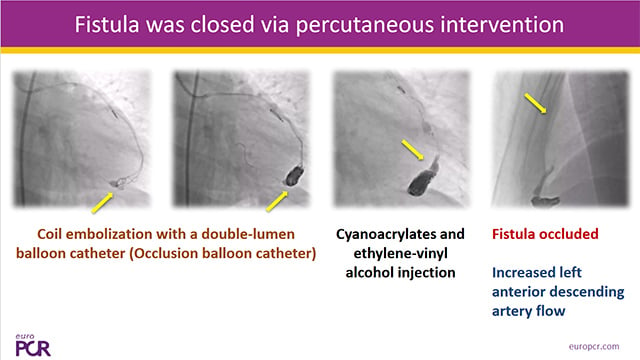
This session highlights the use of coils and plugs in complex coronary interventions. Through unique case presentations, it covers diagnosis and management of unusual cardiac masses, recurrent fistulas, and rare causes of angina, illustrating innovative device applications in challenging coronary anatomy and post-surgical scenarios.
EuroPCR 2025: Cutting through the complexity
20 May 2025
Complexity is the fil rouge of this year’s course but what does it mean to the Course Directors? And how can EuroPCR help participants cut through the complexity?

Cardiogenic shock and high-risk interventions with percutaneous mechanical circulatory support: new evidence and insights
20 May 2025 – From EuroPCR 2025
This EuroPCR 2025 session offers a comprehensive update on cardiogenic shock and high-risk PCI, featuring expert analysis of the DanGer-SHOCK and ECLS-SHOCK trials, new insights one year after DanGer-SHOCK, and practical considerations for managing PCI in patients with severely reduced LVEF. Expect to gain a deeper...
PCR's Got Talent Round 1 - Session 1
20 May 2025 – From EuroPCR 2025
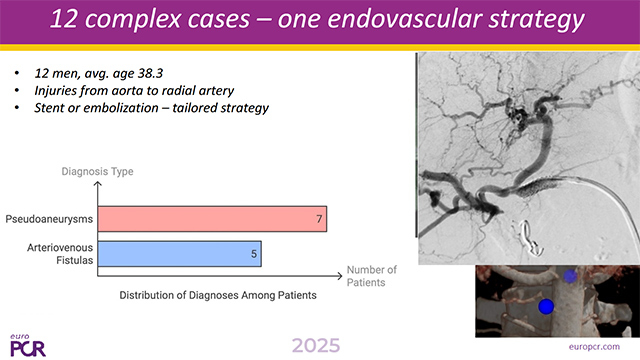
Experience a diverse range of cutting-edge interventional cardiology topics in PCR's Got Talent Round 1. This session features presentations on PFO closure outcomes, plaque morphology, vascular injury treatments, microvascular disease assessment, TAVI-related coronary obstruction prediction, novel FFR surrogates, and more.
Complex calcified lesions: combination of intravascular imaging and orbital atherectomy for optimal outcomes
20 May 2025 – From EuroPCR 2025
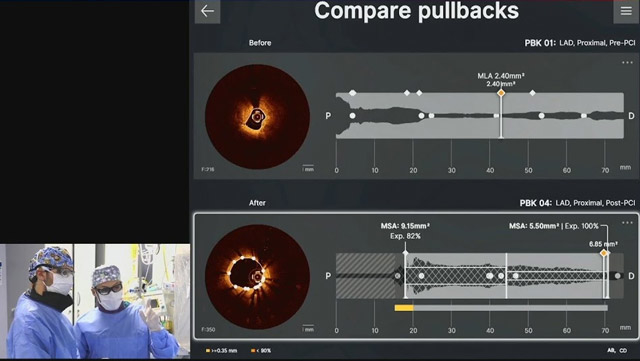
In this EuroPCR 2025 session on complex calcified coronary lesions, follow a step-by-step analysis of a recorded case structured in three key phases: lesion assessment with OCT, PCI using orbital atherectomy, and post-PCI optimisation with follow-up OCT imaging. Gain valuable insights into managing severely calcified lesions,...
From imaging to intervention: cutting-edge solutions for calcified coronary stenoses management
20 May 2025 – From EuroPCR 2025
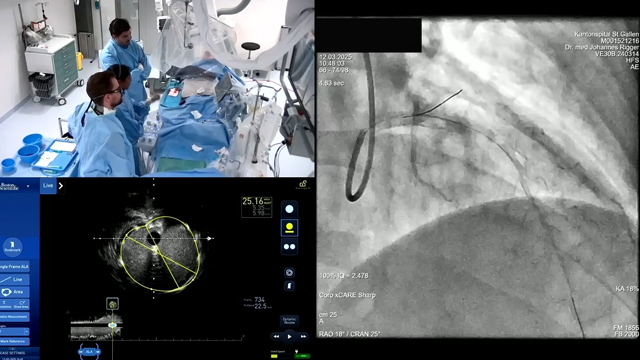
Watch this EuroPCR 2025 session on managing calcified coronary stenoses, featuring a recorded live case, two focused lectures, and expert faculty insights. Learn why intravascular ultrasound (IVUS) is essential for assessing lesion severity and morphology, discover how selecting the right calcium modification tools drives procedural success...
Personalised Vascular Care Award - Competition
20 May 2025 – From EuroPCR 2025
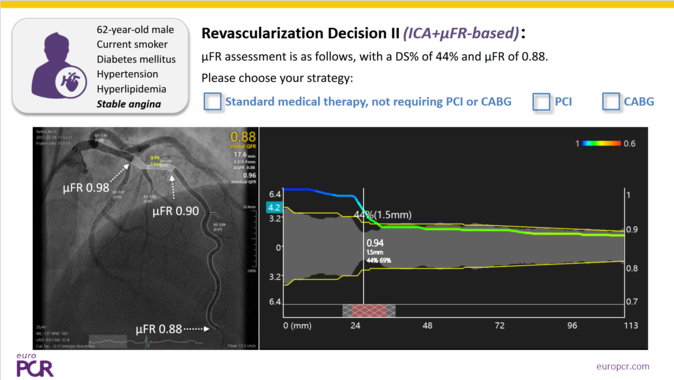
Celebrate innovation in personalised vascular care through this award competition session. Presentations cover topics including coronary revascularisation decision-making, INOCA prevalence, endothelial shear stress, bifurcation stenting predictors, CT plaque analysis, and early STEMI discharge protocols.
Full physiology: why and how to assess beyond coronary epicardial disease
20 May 2025 – From EuroPCR 2025
Understanding full coronary physiology is key to improving patient care. This EuroPCR 2025 session unpacks the concept and shows how to apply it easily in everyday clinical settings. Explore the latest ESC guidelines for managing patients with angina and no obstructive coronary artery disease (ANOCA), supported...
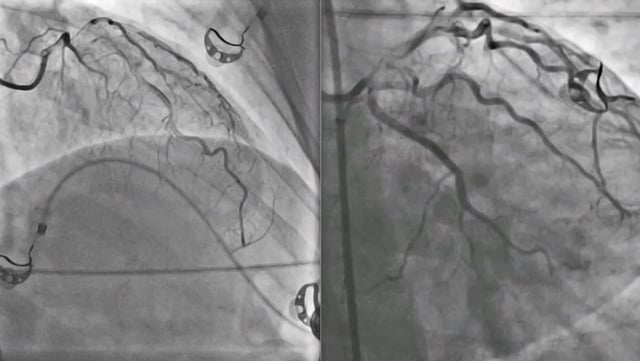
What is new in radial access in 2025
20 May 2025 – From EuroPCR 2025
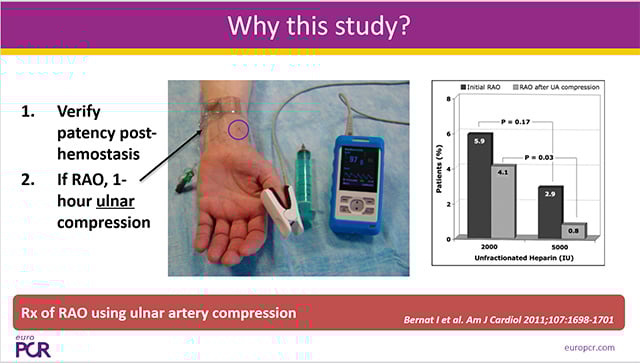
Explore the latest developments in radial access for PCI as of 2025. Topics include distal versus conventional transradial access, techniques to reduce forearm complications, sheathless approaches, dual artery compression methods, and feasibility in high bleeding risk patients.