225 results
Nursing role in contemporary coronary interventions
10 Oct 2025 – From AICT-AsiaPCR 2025
This session highlights the vital nursing role in contemporary coronary interventions, focusing on familiarity with devices such as IABP and atherectomy systems. It also addresses the critical responsibilities of nurses and allied professionals during resuscitation and emergency management in the cathlab.
How to manage a stalled burr: tips and tricks
30 Jul 2025
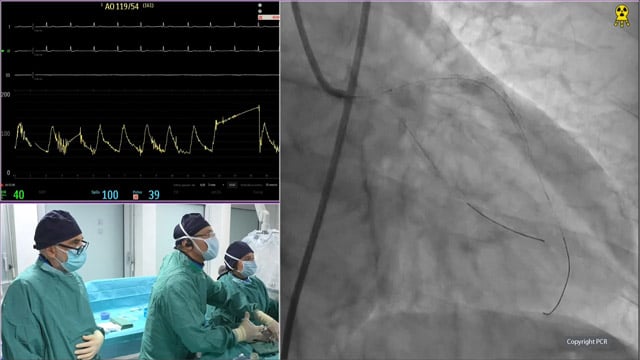
A stalled rota burr is every operator’s nightmare — but being prepared can make all the difference. In this case, an 80-year-old patient with severe calcification in the proximal and mid LAD faces exactly that complication.
What’s your first step to safely retrieve the burr and complete...

Author

Author
How to avoid using a new balloon for trapping?
10 Jul 2025
Trapping wires during complex PCI is essential but dedicated trapping balloons aren’t always on hand — and costs add up fast. This My Toolkit tip shows you how to safely reuse a standard PTCA balloon by stiffening its shaft with the original stylet, making valve crossing...

Author

Author
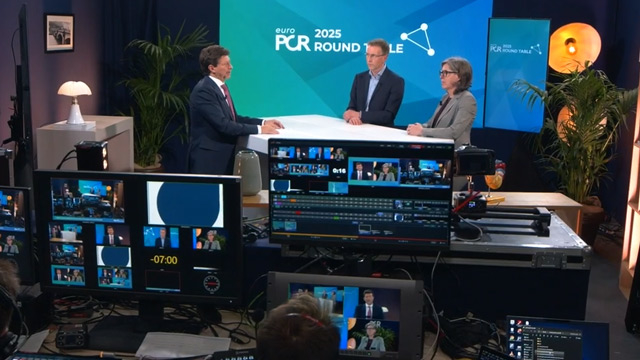
Latest clinical evidence on intravascular lithotripsy from EuroPCR 2025
20 May 2025 – From EuroPCR 2025
In this #europcr 2025 roundtable, Niels Thue Olsen and Margaret McEntegart discuss with Flavio Luciano Ribichini the latest data on intravascular lithotripsy (IVL), based on two pivotal studies.
- EMPOWER CAD: the first prospective, real-world PCI trial dedicated to women with complex, calcified coronary artery disease. With an IVL-first strategy...
Coronary Interventions: EuroPCR 2025 highlights
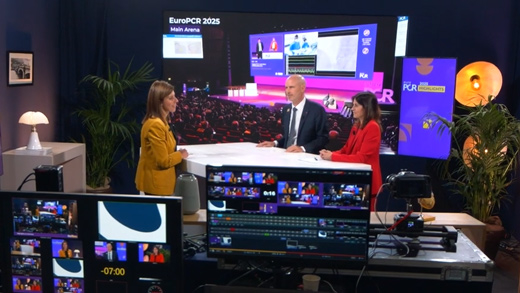
22 May 2025 – From EuroPCR 2025
At EuroPCR 2025, Rasha Al-Lamee, Nieves Gonzalo, and Thomas Cuisset highlighted key advances in coronary interventions, with a strong emphasis on managing complex cases—particularly calcified lesions.
Throughout the Course, LIVE cases and expert hotlines showcased dedicated devices and evolving strategies designed specifically for these challenging lesions. Advanced...
When stent failure meets calcified lesions
23 May 2025 – From EuroPCR 2025
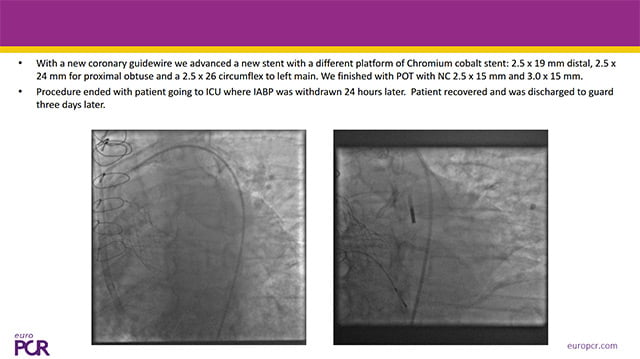
Address the challenges of stent failure in the context of calcified coronary lesions. This session features complex PCI cases involving intrastent rotational atherectomy, management of underexpanded stents, in-stent restenosis, and innovative off-label use of shock wave lithotripsy to tackle tough calcifications.
Best companion's case on intravascular lithotripsy
23 May 2025 – From EuroPCR 2025
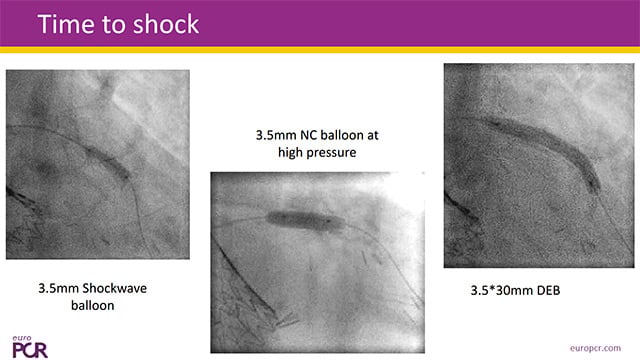
Join this session focusing on intravascular lithotripsy in challenging cases, emphasizing device and drug synergy, IVUS guidance, and strategies to avoid exacerbating complications. Clinical cases demonstrate management of tough calcified lesions with novel approaches.
PCI for complex left main disease - LIVE Case
23 May 2025 – From EuroPCR 2025
An 82-year-old male patient with a history of STEMI and diagonal PCI (2004) presented with stable angina (CCS 2). CT imaging revealed 2 severe LAD stenoses (at the ostium and mid part), and a severe bifurcation stenosis at the Cx/OM1 confirmed by angiography. A staged PCI...
Novel Hertz Contact Intravascular Lithotripsy: could we achieve more in calcium modification?
22 May 2025 – From EuroPCR 2025
Discover how the novel Hertz Contact Intravascular Lithotripsy (IVL) is pushing the boundaries of calcium modification in challenging coronary lesions.
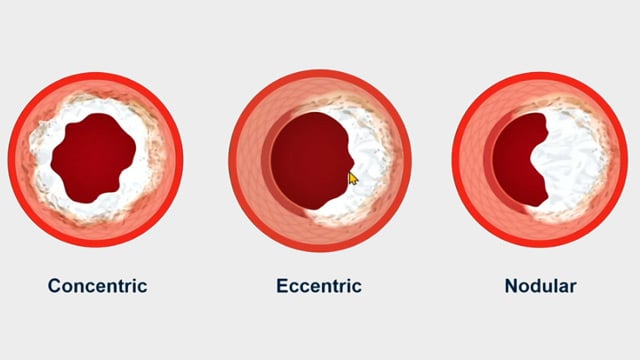
This EuroPCR 2025 session shares real-world insights confirming the promising results of the PINNACLE I trial, with LithiX IVL proving safe and effective across eccentric, concentric, and...
Best companions's case on complications in calcified lesions: episode 2
22 May 2025 – From EuroPCR 2025
Join this session examining complex complications in calcified lesion interventions. Learn from cases featuring controversial approaches that successfully resolved issues, coronary perforation management, retrograde iatrogenic dissection after lithotripsy, and algorithmic bailout strategies essential for navigating challenging calcified lesion complications.