


1482 results
Where are we going? The symptomatic patient with moderate aortic stenosis
10 Mar 2023 – From PCR Imaging Valves Madrid 2023
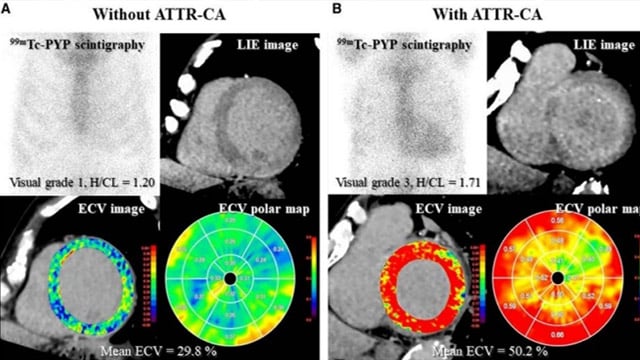
Watch these presentations on symptomatic patient with moderate aortic stenosis to learn to evaluate outcomes after TAVI, to better assess aortic stenosis and LV function, and to expand your knowledge in infiltrative diseases.
The challenge of aortic regurgitation: better imaging for better clinical practice
10 Mar 2023 – From PCR Imaging Valves Madrid 2023
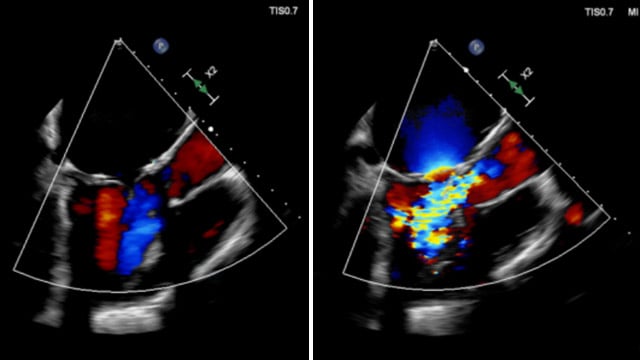
Watch this session to learn about the challenges of diagnosing aortic regurgitation and how to overcome them, to better understand the right timing for intervention based on available evidence, and to discover what tools exist to more accurately assess the severity of aortic regurgitation.
Contemporary imaging trends in aortic stenosis - How to diagnose
10 Mar 2023 – From PCR Imaging Valves Madrid 2023
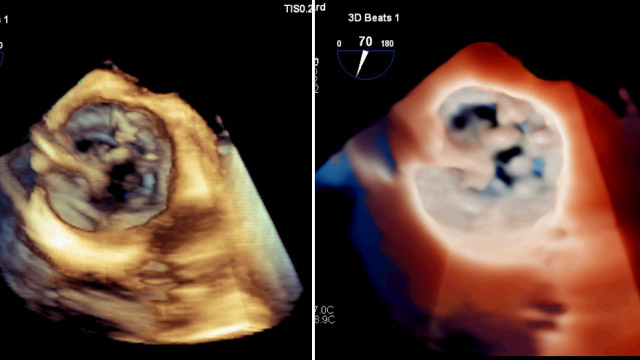
Watch these presentation to know all about the latest diagnostic tools in aortic stenosis, to learn how to use 3D in aortic stenosis and to understand when 3D echo and exercise echo are useful.
Imaging before and after TAVI - How to treat
10 Mar 2023 – From PCR Imaging Valves Madrid 2023
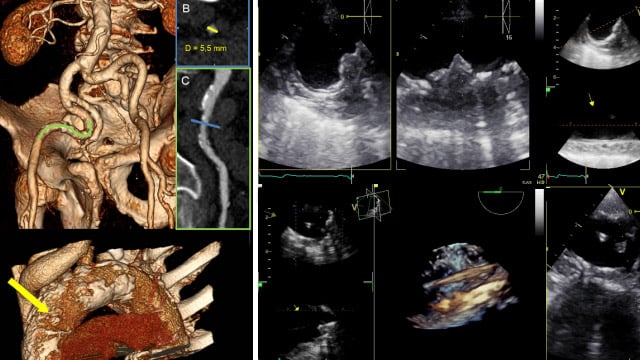
Consult this session on imaging before and after TAVI to learn how to better select patients for TAVI, to understand how to treat paravalvular leak and to know how to deal with and prevent valve thrombosis.
Valvular clinical cases
04 Mar 2023 – From AfricaPCR 2023
Watch this session of AfricaPCR 2023 to discover, among others, a case of MViV, an upper limb TAVI combined with PVD intervention, transfemoral TAVI and TMVR in severe native valve disease, or even a bailout TAVI.
Matching patient to TAVI prosthesis - Is there a better way?
04 Mar 2023 – From AfricaPCR 2023
In this AfricaPCR 2023 session, analyse several complex TAVI cases and explore why and how THV design elements should help optimise TAVI clinical outcomes.
Prophylactic intra-aortic balloon pump in transfemoral transcatheter aortic valve implantation
03 Mar 2023
Mirvat Alasnag took the opportunity of the CRT Congress held from 25 to 28 February in Washington, USA, to interview Andrea Scotti about the article released on the occasion in the EuroIntervention Journal about the feasibility of temporary MCS with an IABP during transfemoral TAVI.

Author

Author
TAVI for bicuspid aortic valve - LIVE case
03 Mar 2023 – From AfricaPCR 2023
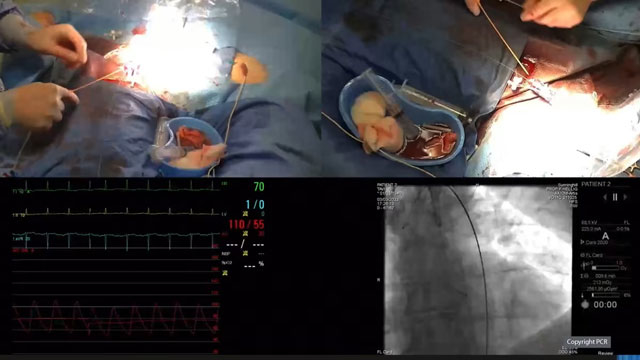
Watch how this 80-year-old man with severe, symptomatic, heavily calcified bicuspid aortic stenosis, who initially presented with NSTEMI, was treated, and learn about a simplified step-by-step TAVI procedure.
Balloon valvuloplasty was performed, followed by LAD PCI with a rotablator and stent, prior to the TAVI procedure, which...
Challenging femoral access and alternative access
03 Mar 2023 – From AfricaPCR 2023
In this session, learn about femoral artery dissection after TAVI, femoral perforation, alternative access for TAVI, and follow discussions about the safest way to perform transfemoral access, among others!
How achieving optimal index procedural outcomes can positively influence future TAVI treatment options
23 Feb 2023
Watch the replay of this webinar to understand the impact of procedural outcomes on future TAVI treatment options, and much more!
Transcatheter vs surgical aortic valve replacement in aortic stenosis patients at low surgical risk: 3-year outcomes from the Evolut Low Risk trial
05 Mar 2023
Luigi Biasco provides his take on the clinical trial presented by John K. Forrest from Yale University School of Medicine, New Haven, Connecticut, USA during the 2023 ACC/WCC annual congress held in New Orleans, Louisiana.

Author
My worst nightmare in TAVI
Listen to our experts share their most nightmarish TAVI cases and follow the debate around their treatments. For instance, would you make the same choices when faced with a 76-year-old female patient diagnosed as severe AS, transferred for SAVR/TAVI, who got a new Abif and cardiogenic...
TAVI in small annulus and coronary artery disease - Session with LIVE case
19 Feb 2023 – From PCR Tokyo Valves 2023
Watch the complex case of an 84-year-old woman with hypertension, type 2 diabetes and coronary artery disease who presented with worsening NYHA class II-III exertional dyspnoea, but no angina, and find out how she was treated LIVE.
Remaining unmet needs and strategies in TAVI
19 Feb 2023 – From PCR Tokyo Valves 2023
This session focuses on valve design and durability performance in TAVI for patients with aortic stenosis, and the way it impacts future patient outcomes.
TAVI and alternative access
19 Feb 2023 – From PCR Tokyo Valves 2023
Learn more about TAVI in this session by reviewing case submissions on topics such as bailout transseptal approach, primary percutaneous transaxillary TAVI, and transapical TAVI with chimney stenting.

Imaging for structural heart disease intervention
19 Feb 2023 – From PCR Tokyo Valves 2023
Consult this session if you want to learn about imaging in structural heart interventions by exploring series of slides on restoration post transcatheter mitral valve repair, diagnostic performance of CT angiography, and AI in aortic complex measurement for TAVI, and more!

TAVI in patients with heavily calcified aortic root
19 Feb 2023 – From PCR Tokyo Valves 2023
What role does TAVI play in patients' severely calcified roots? Study the use of balloon-expandable devices, assessing the impact of calcification on aortic root rupture, strategies for safe and effective procedures, and when to consider surgical AVR.
Mitral valve implantation and other technology
19 Feb 2023 – From PCR Tokyo Valves 2023
This session offers insight into advanced mitral valve technologies. It covers details of transapical off-pump repair with synthetic chordae, India's success in transcatheter double valve-in-valve, TMVI in failing valves, and more.
Coronary access after TAVI
19 Feb 2023 – From PCR Tokyo Valves 2023
Unlock insights into post-TAVI coronary access. Understand transcatheter aortic valve structure, neo-commissure anatomy, and practical techniques. This session covers topics such as optimising commissure alignment, elective CAG/PCI, ACS, and severe aortic stenosis.
TAVI for complex valve
19 Feb 2023 – From PCR Tokyo Valves 2023
Join this session to discover TAVI challenges for complex valves. Gain insights into variations in TAVI patient treatment: bicuspid valve with atypical calcium chunk, balloon-expandable valve implantation, sinus sequestration, hybrid therapy and more!