1482 results
When transfemoral TAVI is not an option: rethinking alternative access strategies
18 Jun 2026
In this article, Ulrich Schäfer explores the evolving landscape of access strategies in transcatheter aortic valve implantation (TAVI). While the transfemoral approach remains the gold standard, a significant proportion of patients are not suitable due to peripheral vascular disease or anatomical constraints.
Drawing on clinical evidence and...

Author
Transcatheter aortic valve implantation (TAVI)
10 Mar 2026
Aortic stenosis (AS) is the most common valvular heart disease leading to intervention. It is characterized by progression from leaflet thickening and calcification to significant haemodynamic stenosis which results in disease-specific symptoms and physical limitations as well as poor prognosis and impaired quality of life if...
Authors :
TAVI via axillary access: a simple, effective approach
09 Mar 2026
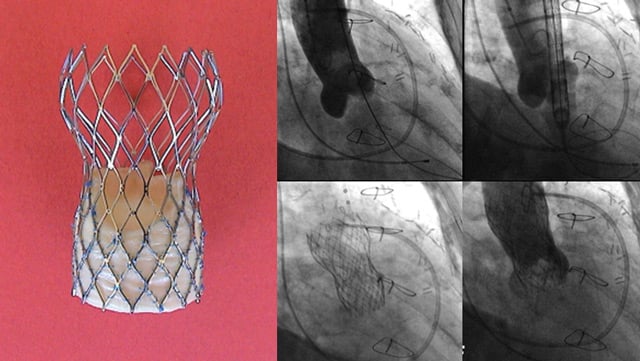
When transfemoral access is not an option, the axillary route offers a fully percutaneous alternative for TAVI.
This step-by-step approach shows how to secure access and achieve reliable haemostasis using a combined suture- and plug-based strategy.

Author

Author

Author

Author

Author

Author

Author
Revisiting aortic valve replacement in light of the new ESC/EACTS guidelines
04 Mar 2026
Dive into a webinar uncovering how cardiac CT is transforming the evaluation and lifetime management of severe aortic stenosis—from sharper diagnostics to smarter valve choices.
When a surgical valve needs a second life
27 Feb 2026
A 79-year-old patient previously treated with surgical aortic valve replacement was referred after an episode of acute cardiac decompensation. Although clinically stabilised, further evaluation revealed degeneration of the bioprosthesis, and mixed aortic valve pathology.
This case focuses on the diagnostic assessment and the strategic considerations guiding the...

Author

Six-year outcomes after transcatheter vs surgical aortic valve replacement in low-risk patients with aortic stenosis
25 Feb 2026
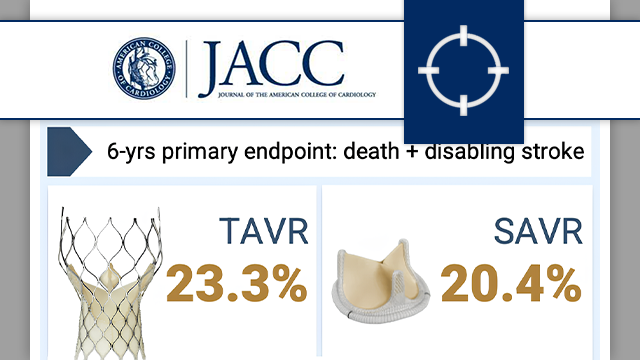
The 6-year results of the Evolut Low Risk trial confirm the absence of significant differences in the composite primary endpoint between TAVR and surgery, but introduce an important nuance: the first signal of increased valve reintervention in the TAVR arm within this trial.

Reviewer
Protect the head to head trial: Randomized comparison of emboliner embolic protection catheter vs. sentinel cerebral protection system during transcatheter aortic valve replacement
28 Mar 2026
Alex Sticchi interviews Adam B. Greenbaum on the PROTECT head-to-head trial, comparing the new full-body Emboliner device with the first-generation Sentinel during TAVR, as presented at ACC.26 in New Orleans.
Author

Author
Transcatheter aortic valve implantation without routine percutaneous coronary intervention: A randomized controlled trial (PRO-TAVI Trial)
29 Mar 2026
Jonathan Curio provides his take on the PRO-TAVI trial presented by Michiel Voskuil at ACC.26 in New Orleans and simultaneously published in The Lancet.

Author
Interdisciplinary therapeutic strategy in a low-risk patient with aortic stenosis and preserved life expectancy
05 Mar 2026
A 71-year-old low-risk patient with symptomatic severe aortic stenosis and preserved ventricular function presents with progressive dyspnoea and chest pain. With long life expectancy, the choice of treatment demands careful interdisciplinary planning. How would you treat?

Author

Author

Author

Author

PCRonline @ ACC 2026 Scientific Sessions
12 Mar 2026
Live updates on a selection of major Late Breaking Clinical Trials of interest in interventional cardiology presented at the American College of Cardiology 2026 Scientific Sessions #ACC26
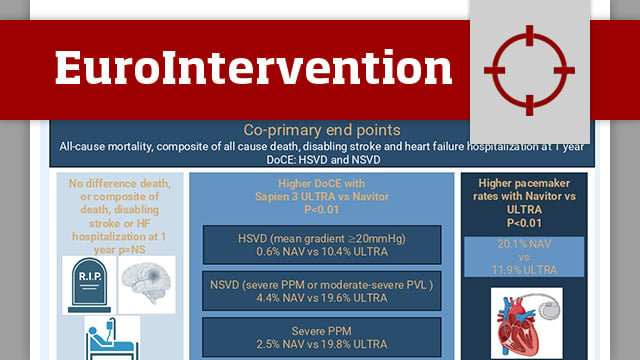
Intra-annular self-expanding or balloon-expandable TAVI in small annuli: the NAVULTRA registry
17 Feb 2026
Patients with severe symptomatic aortic stenosis and small annuli—most often women—face higher risks of elevated gradients, patient–prosthesis mismatch and early valve failure after TAVI, with added challenges for future coronary access and redo procedures, particularly in younger populations.
While previous studies have mainly compared supra-annular balloon- and...

Reviewer
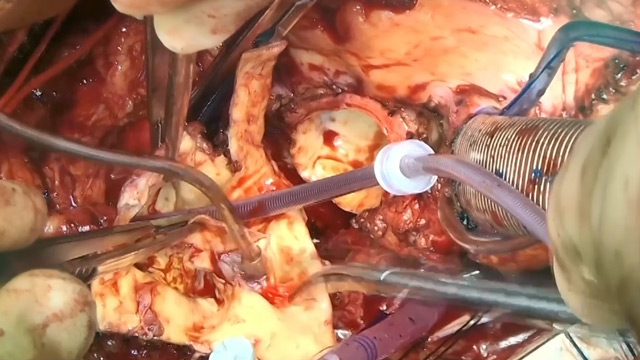
Learn from the experts: Evolut first implant technique and treatment strategies
15 Feb 2026 – From PCR Tokyo Valves 2026
This expert-led session offers an in-depth review of evolving clinical practices in aortic valve disease treatment, emphasizing the potential of the transcarotid approach as a primary alternative access route. It compares current strategies including TAVI, surgical aortic valve replacement (SAV), TAV-in-SAV, and TAVI explantation, while addressing...
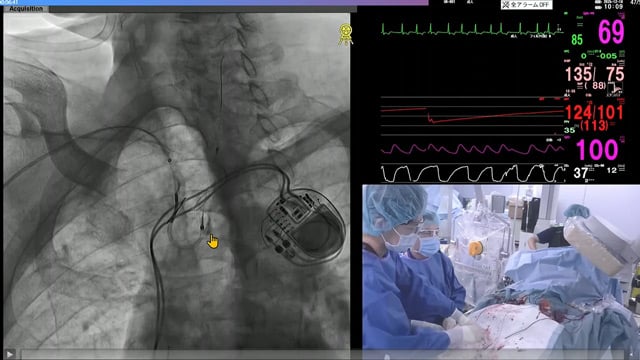
New horizons in structural heart disease therapy - Cutting-edge stroke prevention devices: WATCHMAN × SENTINEL
15 Feb 2026 – From PCR Tokyo Valves 2026
This session delves into the advances in stroke prevention for patients undergoing TAVI with atrial fibrillation, focusing on left atrial appendage closure (LAAC) and cerebral protection strategies. It highlights the evolving role of WATCHMAN devices and the SENTINEL Cerebral Protection System, emphasising perioperative stroke risk management...
Coronary access and revascularisation in patients undergoing TAVI: from work-up to lifetime management
Recommended by PCR
15 Feb 2026 – From PCR Tokyo Valves 2026
This session delves into the comprehensive management of ischemic heart disease in patients undergoing transcatheter aortic valve implantation (TAVI). It highlights the critical importance of maintaining coronary access post-TAVI and explores how various valve designs affect coronary accessibility, particularly in cases involving valve-in-valve (TAV-in-TAV) procedures, guiding...
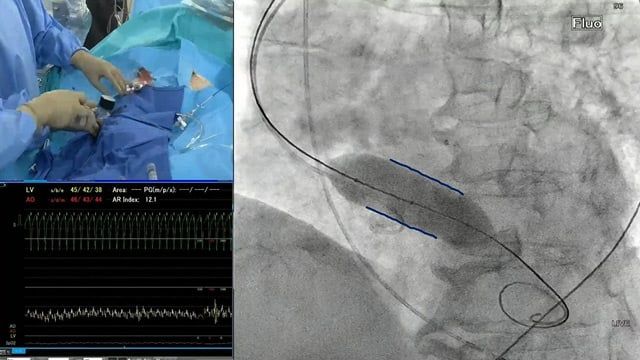
All you need to know about redo TAVI
15 Feb 2026 – From PCR Tokyo Valves 2026
This comprehensive session on redo Transcatheter Aortic Valve Implantation (TAVI) covers critical aspects beyond coronary obstruction risk, including detailed pre-procedural analysis, valve sizing, and innovative procedural techniques such as leaflet modification and optimal angle placement. Post-procedural considerations like antithrombotic therapy and patient-prosthesis mismatch are also thoroughly...
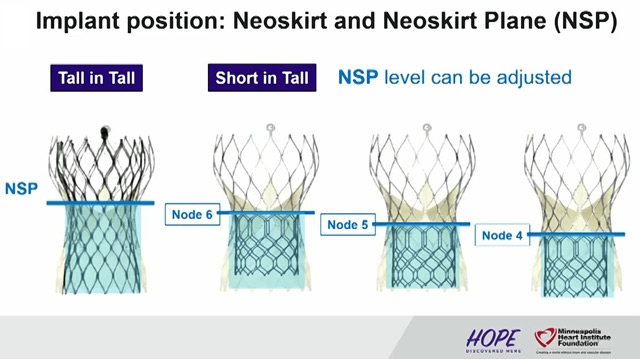
Miscellaneous complications: my worst nightmare
15 Feb 2026 – From PCR Tokyo Valves 2026
Explore the prevention and management of complications arising from transcatheter interventions in structural heart disease through challenging case analyses. This session presents real-world scenarios addressing complications encountered during TAVI, mitral, and tricuspid procedures, highlighting strategies to anticipate and manage these critical events effectively.
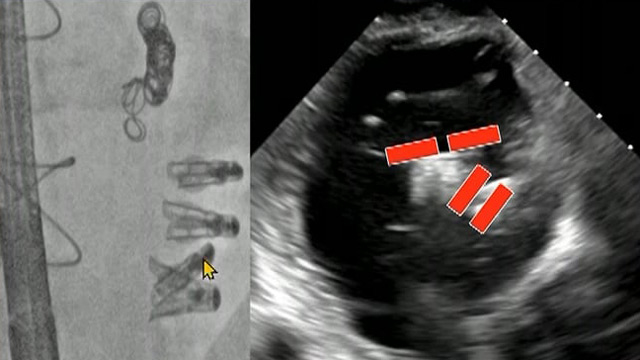
Guidelines update
15 Feb 2026 – From PCR Tokyo Valves 2026
This session reviews the latest updates in the ESC/EACTS guidelines for structural heart disease, emphasizing their clinical implications and future trends. Participants will gain understanding of changes in aortic, mitral, and tricuspid valve recommendations, including new age cutoffs, asymptomatic disease management, and the evolving role of...
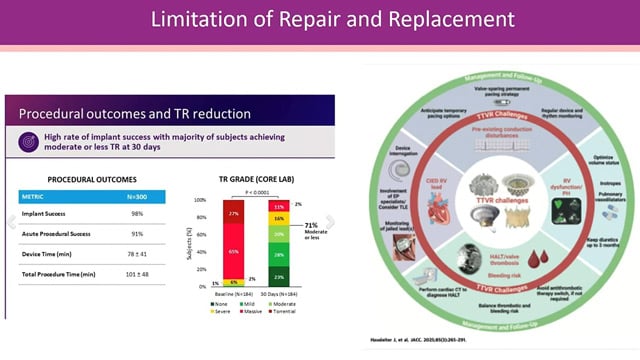
Future devices and techniques for structural heart disease
15 Feb 2026 – From PCR Tokyo Valves 2026
This session surveys the future landscape of structural heart disease treatment, addressing current limitations in transcatheter valve technologies and presenting emerging devices and techniques for aortic, mitral, and tricuspid valves. Attendees will gain insights into innovations poised to transform therapeutic options for structural heart disease.
Transcatheter electrosurgery and leaflet modification of the aortic valve
15 Feb 2026 – From PCR Tokyo Valves 2026
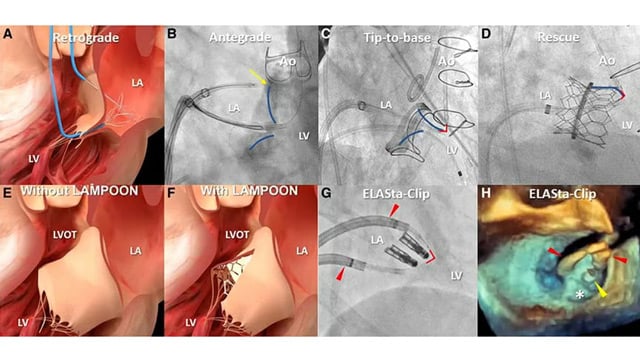
This session offers an expert overview of transcatheter electrosurgery and leaflet modification techniques for aortic valve interventions, focusing on TAV-in-SAV scenarios. It reviews patient selection, procedural setup, and material preparation, with detailed step-by-step guidance on BASILICA and UNICORN techniques, supported by recorded cases and troubleshooting strategies...
Learn from the experts: lifetime management for Evolut first redo TAVI (TAV-in-TAV) and explant
14 Feb 2026 – From PCR Tokyo Valves 2026
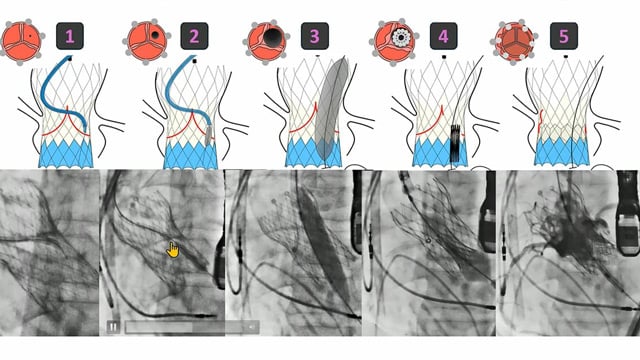
This session offers an in-depth exploration of lifetime management strategies for patients undergoing Evolut first redo TAVI procedures, including TAV-in-TAV and explant techniques. It provides a comprehensive understanding of clinical decision-making algorithms, technical challenges, and key considerations for successful procedural planning and execution, supported by real-world...