1482 results
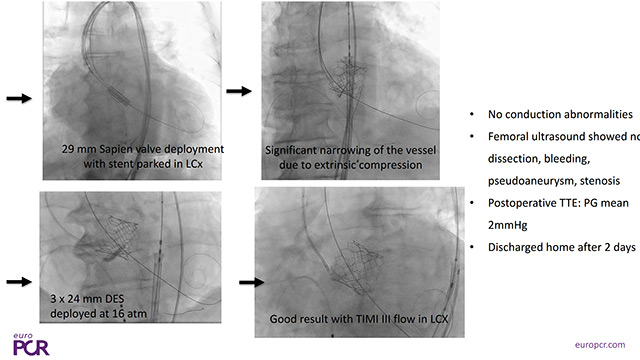
Next generation TAVI procedural planning
19 May 2026 – From EuroPCR 2026
Explore the forefront of TAVI procedural planning, featuring innovations such as valve-in-valve techniques for sutureless valves, integration of artificial intelligence in heart team decisions, and advanced imaging-guided access methods. The session also examines clinical outcomes related to bicuspid anatomy and prosthesis-patient mismatch, providing a comprehensive view...
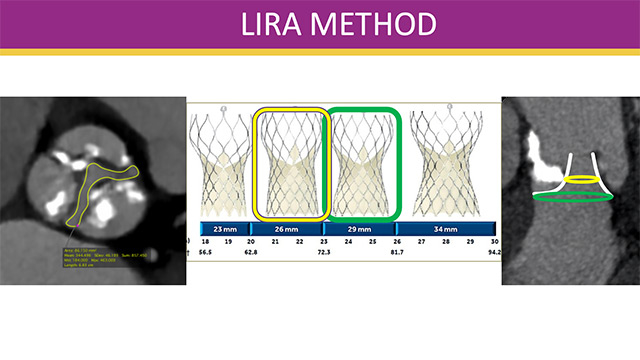
Beyond the horizon - A prelude into TAVI and complex PCI solutions
19 May 2026 – From EuroPCR 2026
This session provides a comprehensive preview of evolving technologies and strategies shaping interventional cardiology. Discover the Myval Octapro+ transcatheter heart valve (THV) and its innovative design and procedural benefits demonstrated through a recorded case. Stay updated on Landmark and Compare TAVI trial data, and discover the...
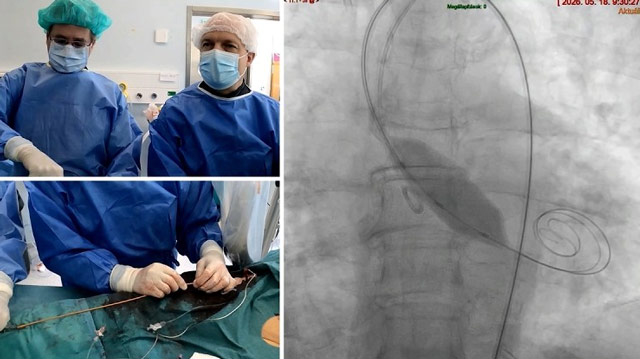
TAVI procedural complications - Part 1: VSD, valve embolisation, and more
19 May 2026 – From EuroPCR 2026
This session focuses on the complex complications that can arise during TAVI procedures, such as ventricular septal defects, valve embolisation, and other critical events. Through detailed case analyses, it offers strategies for recognition, prevention, and management to improve patient safety and outcomes.
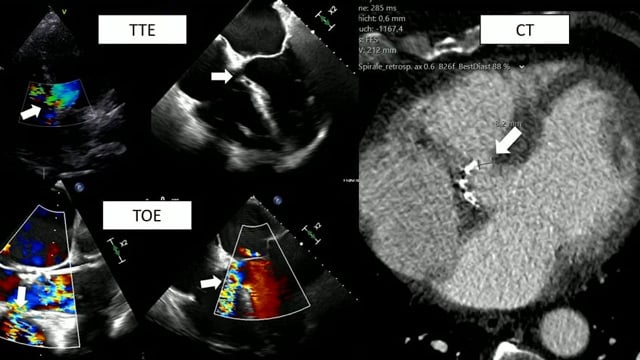
TAVI for degenerated surgical aortic bioprotheses: procedural challenges
19 May 2026 – From EuroPCR 2026
This session addresses the procedural challenges inherent in transcatheter aortic valve implantation (TAVI) for degenerated surgical aortic bioprostheses. It covers high-risk valve-in-valve implantation cases as last-resort therapies, management of drifting bioprostheses, and interventions in failed small non-fracturable valves threatening coronary arteries. Techniques such as BASILICA and...
Clinical cases - Nurses and Allied Professionals
19 May 2026 – From EuroPCR 2026
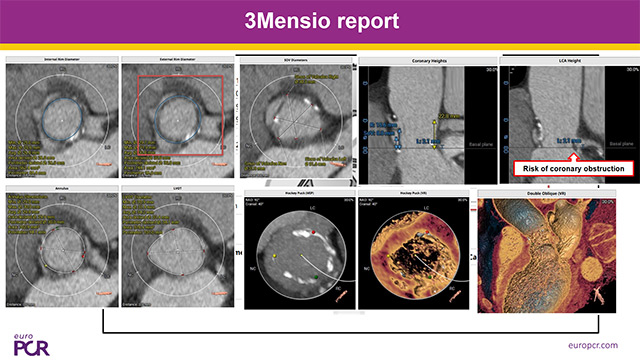
Dedicated to nurses and allied health professionals, this session presents compelling clinical cases illustrating their critical role in interventional cardiology. Topics range from managing pregnant patients in the cath lab, the impactful contributions of nursing and allied professionals (NAPs), to their management perspectives during complex procedures...
PCR's Got Talent Round 1 - Session 1
19 May 2026 – From EuroPCR 2026
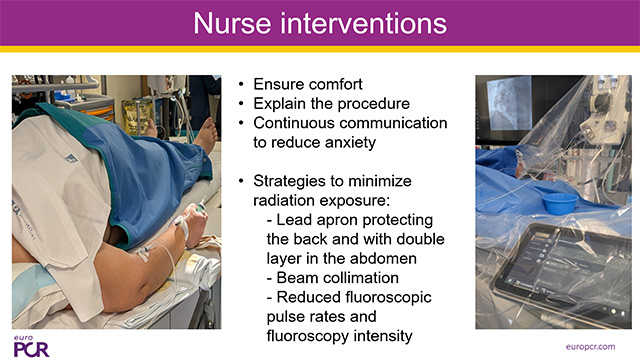
This dynamic session from PCR's Got Talent Round 1 presents a diverse array of cutting-edge research and clinical findings. Topics include the influence of local and systemic inflammation on PCI outcomes, adherence to OCT-guided PCI metrics, comparative guidance strategies using angiography-derived FFR and IVUS, and the...
Structural and valvular innovations
19 May 2026 – From EuroPCR 2026
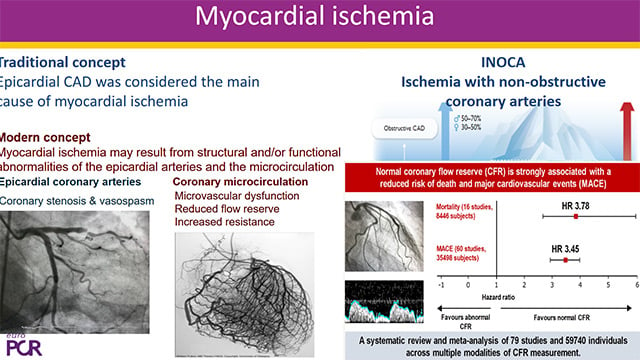
This session highlights the latest innovations in structural and valvular cardiology, featuring novel technologies such as a new self-expandable transcatheter aortic valve for aortic stenosis treatment and a temporary atrioventricular sequential pacing system. It also discusses non-clinical testing methodologies supporting U.S. market approvals, non-invasive ultrasound therapy...
TAVI procedural complications - Part 2: devices issues, access-related complications and more
19 May 2026 – From EuroPCR 2026
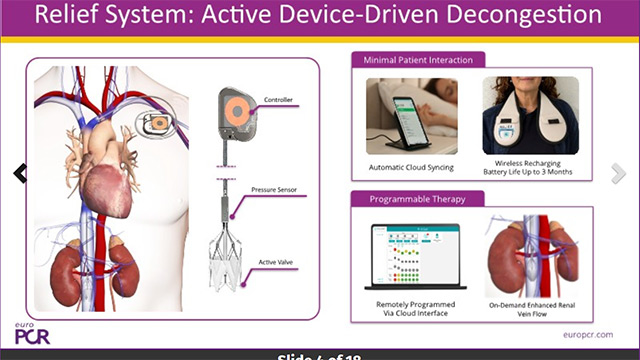
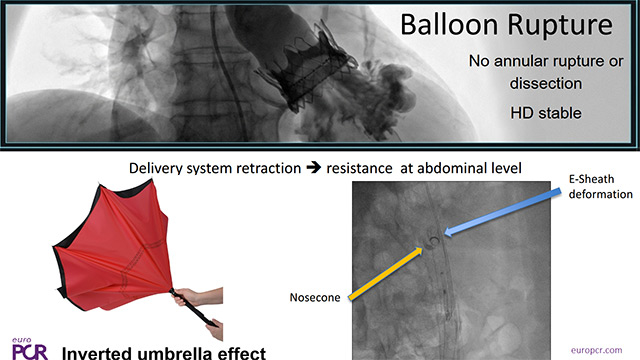
Delve into procedural challenges encountered during TAVI, focusing on device-related issues, access complications, and bailout strategies. This session reviews real-world cases such as balloon retention, valve expansion failure, TAV-in-TAV interventions, and transcaval access lessons, providing critical insights to manage and mitigate procedural complications effectively.
Re-intervention challenges after first aortic valve replacement
19 May 2026 – From EuroPCR 2026
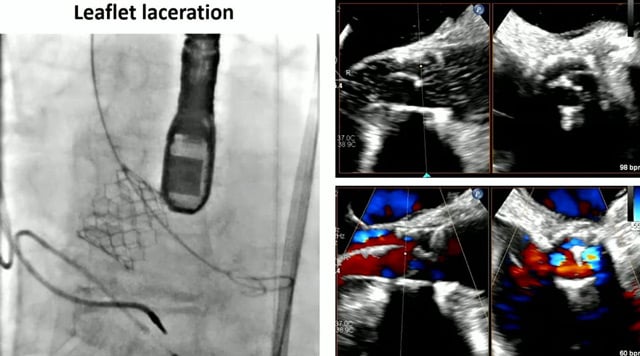
Addressing the challenges of re-intervention after initial aortic valve replacement, this session highlights advanced valve-in-valve TAVI strategies, including leaflet modification techniques, management of extreme coronary obstruction risks, and complex anatomical considerations such as post-Bentall root anatomy.
Identifying problems and solving complex anatomies during TAVI
19 May 2026 – From EuroPCR 2026
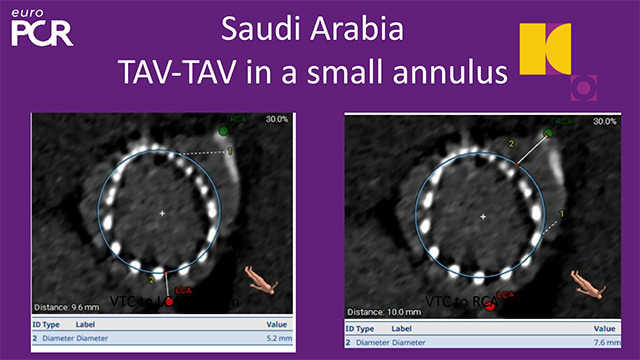
A comprehensive session on managing complex anatomies during Transcatheter Aortic Valve Implantation (TAVI), emphasizing risk markers for peri-operative complications and strategies to address difficult anatomical challenges. Real-world cases illustrate practical approaches and key learnings for handling intricate TAVI scenarios.
Abstract submissions - Nurses and Allied Professionals
19 May 2026 – From EuroPCR 2026
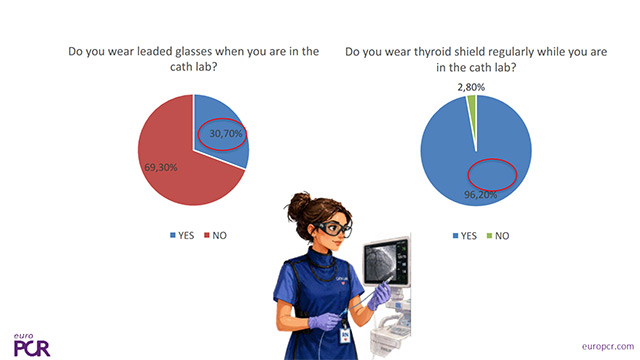
Dedicated to nurses and allied professionals, this session addresses occupational health challenges, radiation dose reduction through AI-enhanced fluoroscopy, and innovative simulation techniques for ECMO-supported resuscitation. It also explores sustainable practices in cath labs and the integration of structured physiotherapy pathways within TAVI programmes, underscoring multidisciplinary contributions...
Personalised vascular care Award - Competition
19 May 2026 – From EuroPCR 2026
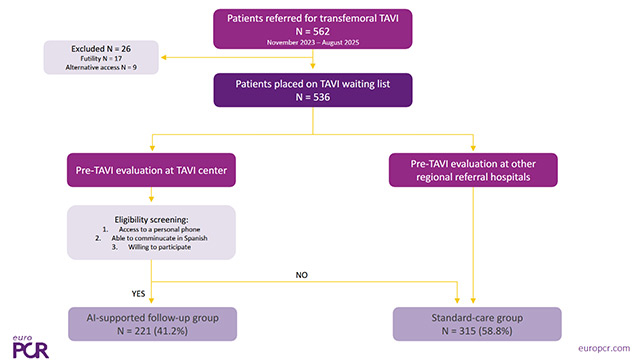
This competitive session showcases pioneering research in personalised vascular care, featuring presentations on AI-driven medical research algorithms, machine learning for MACE prediction, and AI-enabled remote monitoring for TAVI patients. It also discusses microcirculatory resistance indices in ANOCA endotypes and includes interactive jury and audience engagements, culminating...
PCR's Got Talent Round 1 - Session 2
19 May 2026 – From EuroPCR 2026
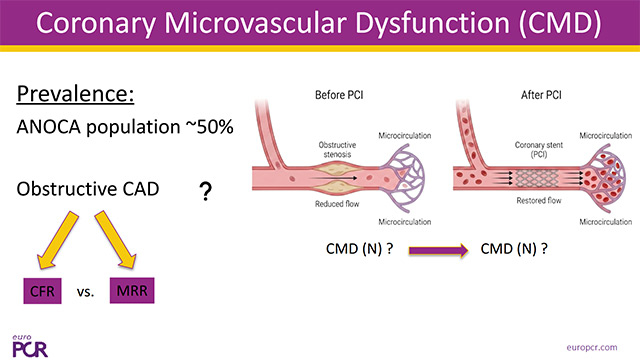
PCR's Got Talent Round 1 - Session 2 offers a diverse collection of studies addressing coronary microvascular dysfunction, atrial fibrillation management, TAVI outcomes, AI applications in imaging, mitral and tricuspid valve interventions, and in-stent restenosis treatment. The session culminates with deliberations and results announcements, reflecting cutting-edge...
Managing difficult TAVI scenarios
19 May 2026 – From EuroPCR 2026
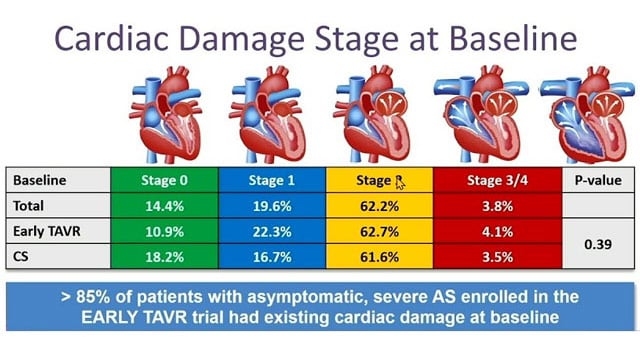
Focused on complex TAVI cases, this session reviews guideline recommendations for TAVI in younger patients, strategies for managing concomitant coronary artery disease, and considerations for treating asymptomatic severe aortic stenosis. Real-world cases illustrate clinical decision-making and outcomes.

How can we improve the management of aortic stenosis in 2026?
19 May 2026 – From EuroPCR 2026
As aortic stenosis management continues to evolve, this EuroPCR 2026 session looks ahead to the challenges and opportunities shaping clinical practice in 2026. From implementing the latest guidelines in daily care to refining the timing of intervention, the discussion focuses on how earlier identification and treatment...
From referral to discharge: European consensus on the TAVI care pathway
19 May 2026 – From EuroPCR 2026
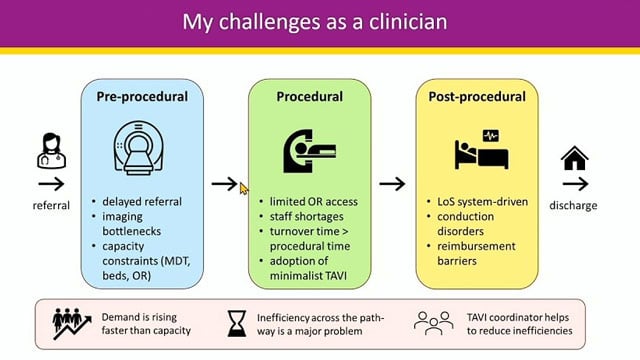
Across Europe, TAVI programmes are under increasing pressure from rising demand, capacity limits and referral barriers. This EuroPCR 2026 session presents the European consensus on the TAVI care pathway and explores how data-driven, standardised approaches can optimise the patient journey from referral to discharge.
Bringing together clinicians,...
Artificial intelligence-driven precision therapy for TAVI: progress and practice in China
19 May 2026 – From EuroPCR 2026
This EuroPCR 2026 session explores the integration of artificial intelligence into precision therapy for TAVI in China, highlighting its growing role in procedural planning, optimisation and outcome prediction.
Through case-based discussion, it shows how AI-enabled tools can simulate valve deployment and visualise post-TAVR results, supporting more precise...
TAVI and coronary artery disease: we need the COMPLETE answer!
19 May 2026 – From EuroPCR 2026
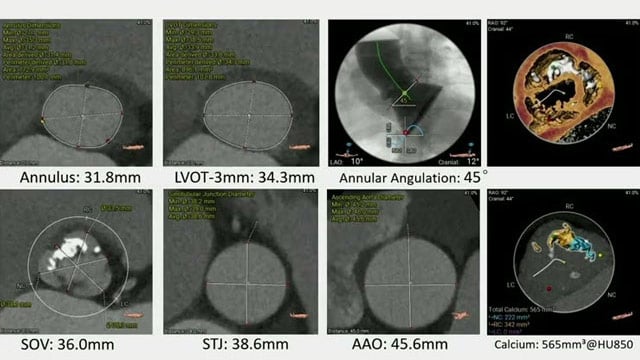
Addressing the intersection of transcatheter aortic valve implantation (TAVI) and coronary artery disease, this session reviews contemporary surgical and interventional literature to elucidate current practices. It underscores the need for a large international randomized controlled trial to provide definitive guidance for managing patients with concomitant aortic...
Align for the future with structural heart innovations - LIVE case and major trial updates
19 May 2026 – From EuroPCR 2026
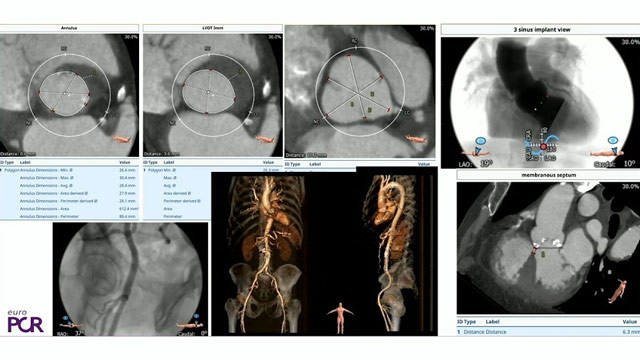
Stay abreast of structural heart innovations with expert discussions on best-in-class transcatheter aortic valve implantation (TAVI) practices, including imaging, sizing, and procedural strategies. This session with LIVE case introduces the novel Myval Octapro+ transcatheter heart valve (THV), its design philosophy, and potential clinical benefits, along with...
TAVI procedural complications - Part 3: vascular complications, coronary issues and more
19 May 2026 – From EuroPCR 2026
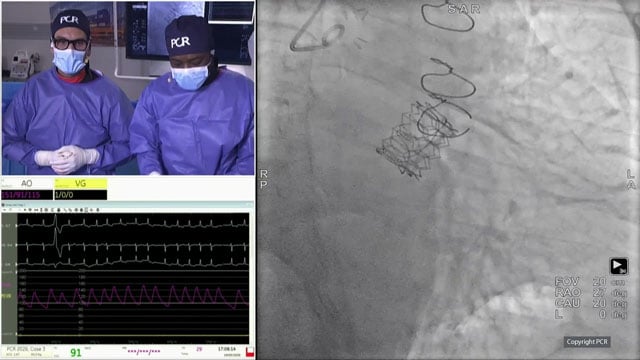
This session addresses critical procedural complications during TAVI, emphasizing vascular issues, coronary complications, and complex bailout scenarios. Through challenging case examples, it offers insights into the management and anticipation of such complications to optimize patient outcomes.