3649 results for «2346»
3649 results
Guidelines update
15 Feb 2026 – From PCR Tokyo Valves 2026
This session reviews the latest updates in the ESC/EACTS guidelines for structural heart disease, emphasizing their clinical implications and future trends. Participants will gain understanding of changes in aortic, mitral, and tricuspid valve recommendations, including new age cutoffs, asymptomatic disease management, and the evolving role of...
Novel Hertz Contact intravascular lithotripsy: calcium fragmentation with zero trade-offs
27 Feb 2026 – From Euro4C Annual Meeting
This session introduces the novel Hertz Contact intravascular lithotripsy system, designed for effective calcium fragmentation without trade-offs. It covers lesion types amenable to treatment, system mechanism, optimization tips, and discusses real-world cases along with supporting clinical trial evidence.
Future devices and techniques for structural heart disease
15 Feb 2026 – From PCR Tokyo Valves 2026
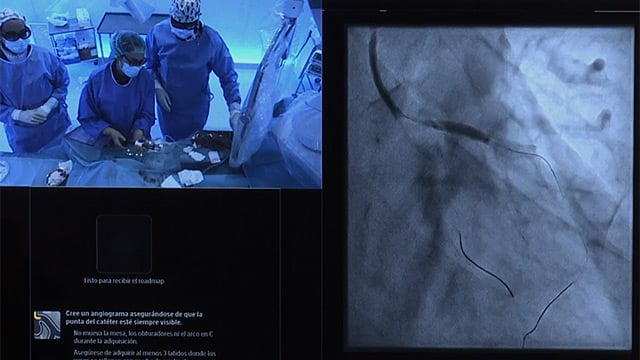
This session surveys the future landscape of structural heart disease treatment, addressing current limitations in transcatheter valve technologies and presenting emerging devices and techniques for aortic, mitral, and tricuspid valves. Attendees will gain insights into innovations poised to transform therapeutic options for structural heart disease.
PCR Tokyo Valves 2026 Closing Ceremony
15 Feb 2026 – From PCR Tokyo Valves 2026
The Closing Ceremony marks the conclusion of this cardiology conference, providing a formal wrap-up and reflection on the key highlights and advancements presented throughout the event. It serves as an opportunity to acknowledge contributors and set the stage for future initiatives in interventional cardiology.
Mastering techniques from basic to complex - Mitral regurgitation assessment and suitability for TEER
13 Feb 2026 – From PCR Tokyo Valves 2026
Delve into the assessment of mitral regurgitation and the criteria determining suitability for Transcatheter Edge-to-Edge Repair (TEER). This session reviews mitral valve anatomy and the latest clinical data supporting mitral TEER interventions.
Mastering techniques from basic to complex - Tips and tricks for advanced mitral TEER: anatomy and imaging
13 Feb 2026 – From PCR Tokyo Valves 2026
Advance your expertise in mitral TEER by gaining anatomical insights, understanding device interaction with native valve structures, and learning to prevent and manage procedural complications through case-based imaging and live assessments.
Mastering techniques from basic to complex - Tricuspid TEER fundamentals
13 Feb 2026 – From PCR Tokyo Valves 2026
Gain foundational knowledge in tricuspid TEER by understanding anatomical criteria for patient suitability, key procedural steps, and device techniques, enhanced by simulation-based procedural training.
Getting ready for tricuspid TEER: key steps in building a successful programme
14 Feb 2026 – From PCR Tokyo Valves 2026
Prepare to establish a successful tricuspid TEER programme by understanding essential components such as systematic echocardiographic and clinical assessments for patient selection, procedural fundamentals, and programme development supported by clinical evidence.
TAVI: new evidence and clinical trials
14 Feb 2026 – From PCR Tokyo Valves 2026
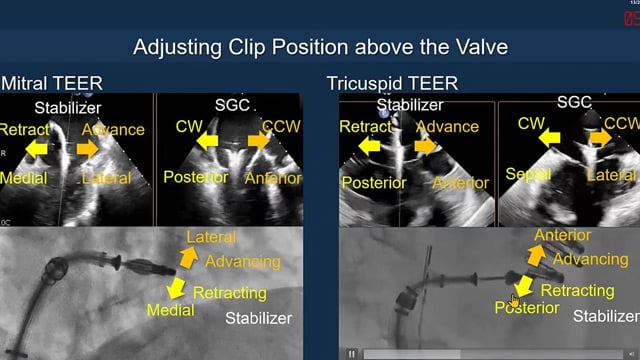
This session reviews the latest evidence from head-to-head clinical trials comparing contemporary TAVI devices, including detailed discussions of the LANDMARK and COMPARE trials. It also highlights ongoing and upcoming clinical trials poised to influence guideline recommendations and expand the therapeutic scope of TAVI, providing crucial insights...
CT assessment for TAVI
29 Sep 2025 – From PCR Gulf Valves 2025
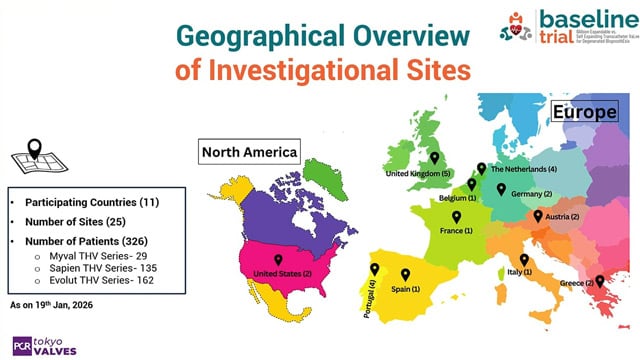
This educational session focuses on the critical role of CT angiography in TAVI planning. Attendees will learn to identify key anatomical landmarks, perform accurate measurements, and interpret imaging data to optimize patient selection and procedural success through a multimodal approach.
Step-by-step TAVI for mixed bicuspid aortic valve disease - LIVE Case
30 Sep 2025 – From PCR Gulf Valves 2025
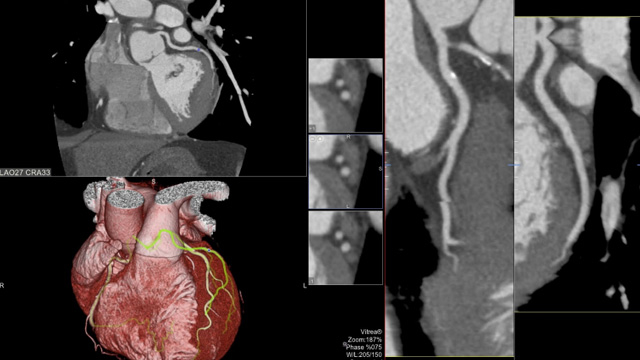
A 65-year-old female with a history of diabetes and moderate left ventricular dysfunction (LVEF 50%) presented with symptomatic severe bicuspid aortic stenosis associated with moderate-to-severe aortic regurgitation. A 26 mm Sapien Resilia valve was implanted under local anesthesia via femoral artery access, with right radial secondary...
Transseptal puncture workshop
30 Sep 2025 – From PCR Gulf Valves 2025
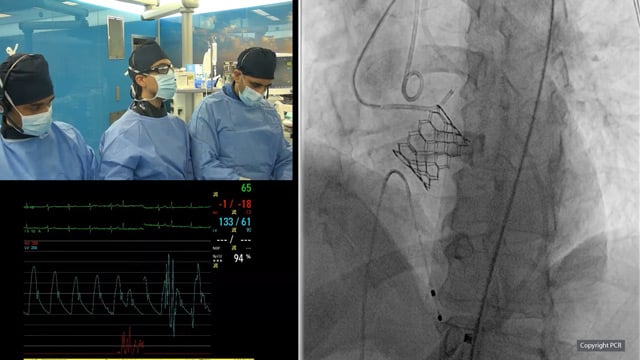
This workshop provides an in-depth understanding of transseptal puncture, focusing on interatrial septum anatomy, echocardiographic guidance, and complication avoidance. It is designed to enhance procedural safety and efficacy for interventional cardiologists performing transseptal access.
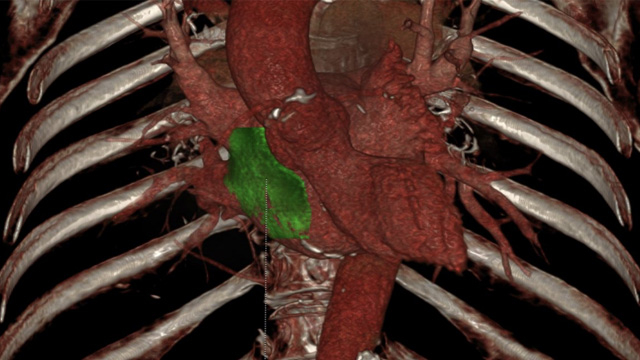
Intervening in aortic regurgitation: are we finally there?
30 Sep 2025 – From PCR Gulf Valves 2025
Explore the evolving landscape of transcatheter treatment for aortic regurgitation in this informative session. Understand the anatomical and clinical criteria essential for selecting candidates for transcatheter therapy, review the latest device options supported by real-world and investigational data, and learn to navigate procedural challenges with advanced...
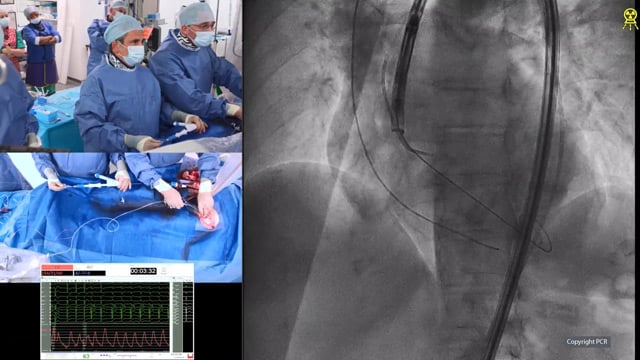
Improving aortic stenosis diagnostic accuracy
30 Sep 2025 – From PCR Gulf Valves 2025
Enhance your diagnostic accuracy in aortic stenosis through this targeted session. Learn to differentiate among various types of aortic stenosis, avoid common echocardiographic diagnostic errors, and master transesophageal echocardiography (TEE) measurement techniques to effectively guide transcatheter aortic valve implantation (TAVI), especially in emergency settings.
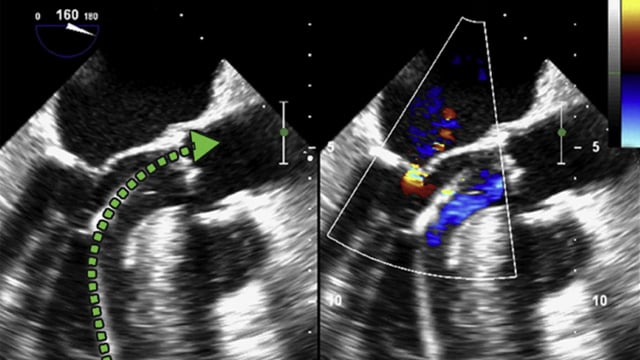
Most impactful trials in structural heart disease 2024/2025
30 Sep 2025 – From PCR Gulf Valves 2025
Delve into the most impactful structural heart disease trials shaping 2024 and 2025. This session addresses current dilemmas in TAVI, including early intervention and management of small annuli, evaluates evidence for transcatheter mitral and tricuspid valve repair, and identifies evidence gaps relevant to the region, providing...
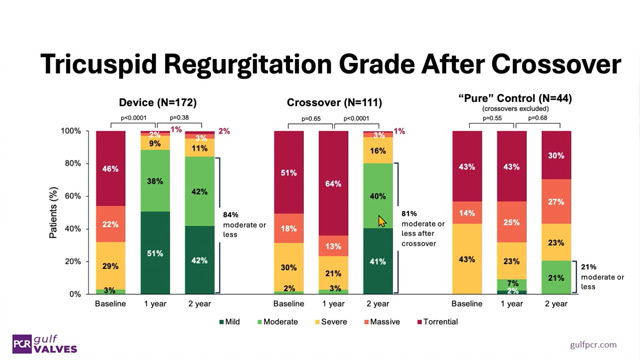
Second valve strategies with SAPIEN 3 Ultra RESILIA
30 Sep 2025 – From PCR Gulf Valves 2025
Gain key insights into managing second valve interventions with the SAPIEN 3 Ultra RESILIA system.
This session helps you anticipate and address complex scenarios such as mitral valve-in-valve, TAV-in-SAV, and valve-in-valve-in-valve procedures. Learn from expert case discussions that explore procedural strategies, technical challenges, and best practices to...
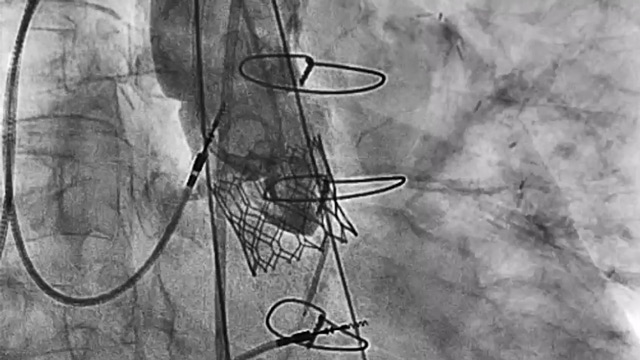
Abstracts and challenging clinical cases
30 Sep 2025 – From PCR Gulf Valves 2025
Engage with a dynamic collection of abstracts and challenging clinical cases that highlight the latest advances and investigative studies in interventional cardiology. Topics include innovative approaches to aortic stenosis management, AI-powered procedural planning, hemodynamic insights beyond traditional imaging, and complex valve interventions, providing a comprehensive overview...
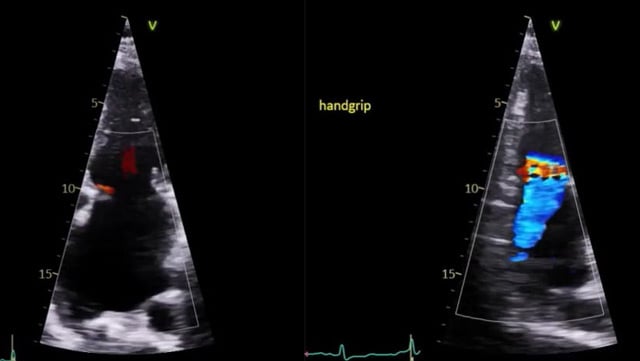
3D echocardiography for structural procedures
30 Sep 2025 – From PCR Gulf Valves 2025
This session provides an in-depth understanding of three-dimensional (3D) echocardiography in structural heart procedures. Learn how to optimize 3D echocardiographic imaging for various valve interventions, including mitral valve procedures, and gain practical skills through hands-on training to enhance procedural guidance and outcomes.
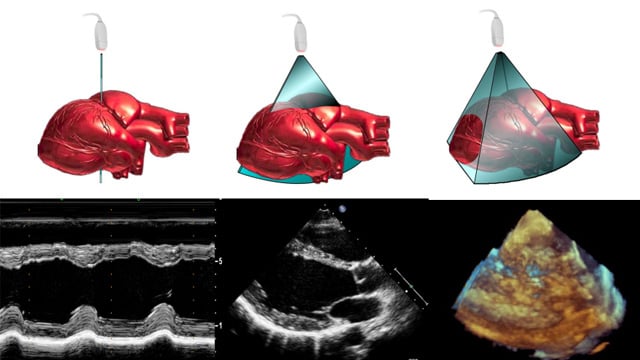
Complex femoral access for TAVI in bicuspid aortic stenosis - LIVE Case
30 Sep 2025 – From PCR Gulf Valves 2025
A 74-year-old male with a history of multiple PCIs, peripheral arterial disease, and type 2 DM presented with symptomatic bicuspid aortic stenosis and preserved LV function.
A 26 mm Myval valve was implanted via right femoral artery access, with right radial secondary access, following predilatation with a...
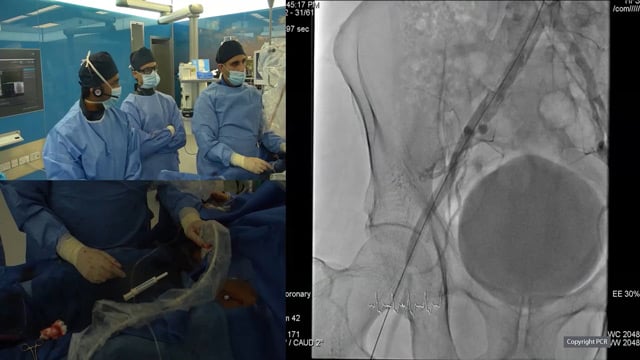
Echocardiography for mitral valvuloplasty ballooning
30 Sep 2025 – From PCR Gulf Valves 2025
Enhance your expertise in echocardiography assessment and intraprocedural guidance for mitral valvuloplasty ballooning. This session focuses on evaluating mitral stenosis, distinguishing suitable from non-suitable candidates, and offers practical, hands-on experience to optimize procedural outcomes using echocardiographic techniques.