3644 results for «2645»
3644 results
Drug-eluting balloon in calcified lesions and complex lesions
28 Feb 2026 – From Euro4C Annual Meeting 2026
This session explores the application of drug-eluting balloons (DCB) in managing calcified and complex coronary lesions. Emphasis is placed on identifying appropriate lesions for a DCB-only strategy, the critical role of vessel preparation prior to drug delivery, and the long-term physiological assessment following treatment, supported by...
Mechanical circulatory support protected PCI in complex calcified patients
28 Feb 2026 – From Euro4C Annual Meeting 2026
Explore the critical role of mechanical circulatory support with Impella in complex calcified patients undergoing PCI. This session delves into patient selection criteria, reviews the latest evidence, and discusses strategies to prevent and manage device-related complications, supported by case presentations focusing on imaging analysis, vascular access...
It is a calcified left main: do it well, do it safely
28 Feb 2026 – From Euro4C Annual Meeting 2026
This session addresses the complexities of percutaneous coronary intervention (PCI) in calcified left main coronary artery disease. It covers comprehensive planning including mechanical circulatory support, intravascular imaging, and bifurcation strategies. Attendees will also learn to anticipate and manage potential complications and apply various tools to ensure...
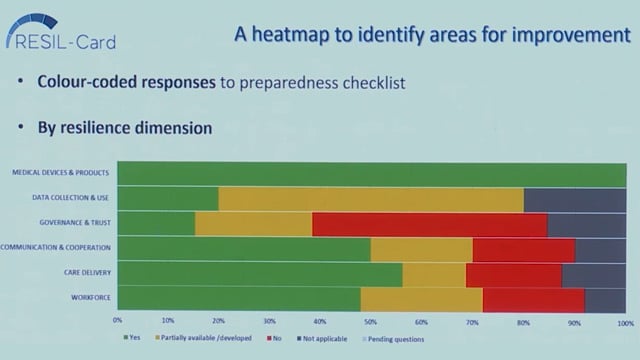
ResilCard - A resilience assessment tool to ensure cardiovascular care continuity during crises
28 Feb 2026 – From Euro4C Annual Meeting 2026
Introducing ResilCard, a novel resilience assessment tool designed to maintain continuity of cardiovascular care during crises. This session highlights the importance of preparedness and adaptive strategies to ensure uninterrupted patient management in challenging healthcare environments.
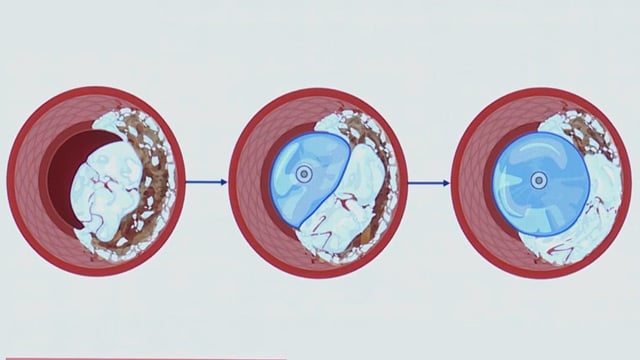
Plaque modification in different lesions types: nodular, long lesions, tortuous lesions, bifurcations
28 Feb 2026 – From Euro4C Annual Meeting 2026
Explore advanced plaque modification strategies tailored to diverse lesion types such as nodular, long, tortuous lesions, and bifurcations. Delve into approaches for managing under-expanded stents and calcified nodules, supported by evidence including results from the French orbital atherectomy registry.
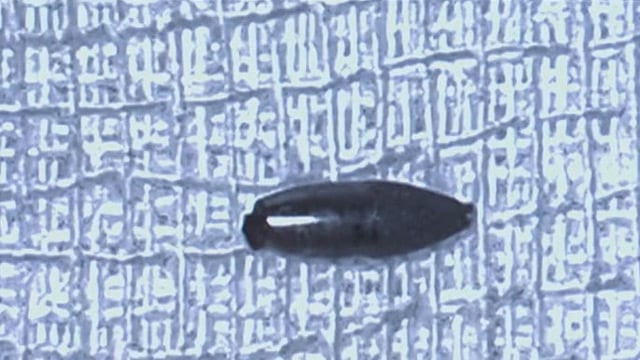
The best cases of the Euro4C PCRonline website
28 Feb 2026 – From Euro4C Annual Meeting 2026
This session presents some of the most instructive and challenging cases featured on the Euro4C PCRonline website. The cases encompass management of stalled rotational atherectomy burrs, combined use of intravascular lithotripsy and Impella in saphenous vein grafts, complexities of calcium in tortuous anatomy, and strategies for...
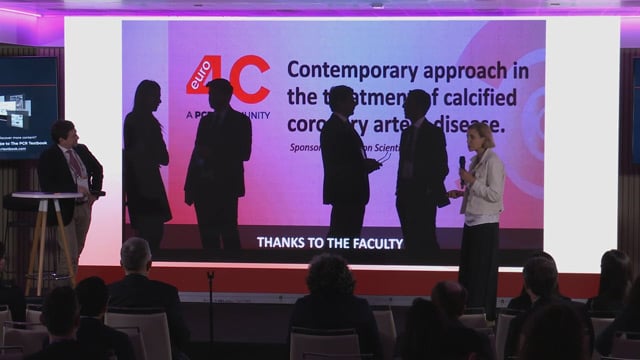
Closing Ceremony
28 Feb 2026 – From Euro4C Annual Meeting 2026
The closing ceremony marks the conclusion of the conference, providing a summary of key learnings, acknowledgments, and final reflections on the advancements and discussions presented throughout the event.
Imaging-guided intravascular lithotripsy for calcified lesions - LIVE case
27 Feb 2026 – From Euro4C Annual Meeting 2026
This live educational case from St. Francis Hospital and Heart Center demonstrates imaging-guided intravascular lithotripsy for calcified lesions. It covers lesion selection criteria, preparation and delivery of lithotripsy catheters, and reviews recent clinical evidence to guide best practices.
LIVE Educational Case from St. Francis Hospital & Heart...
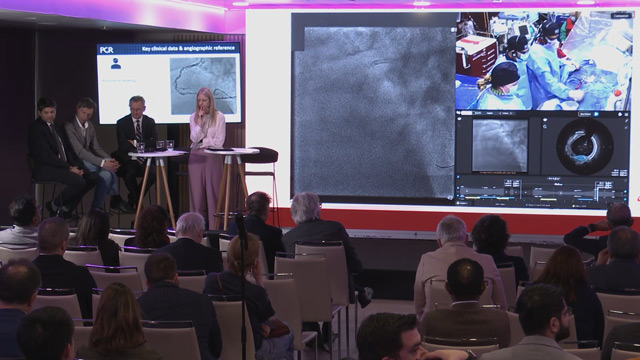
Hot topics and evidence on structural interventions in 2025 and 2026
14 Feb 2026 – From PCR Tokyo Valves 2026
Delve into the emerging clinical evidence and key hot topics shaping transcatheter interventions for aortic, mitral, and tricuspid valve diseases anticipated to influence clinical practice in 2025 and 2026. This session reviews stroke prevention, valve interventions across the three valves, and integrates recent and upcoming data...
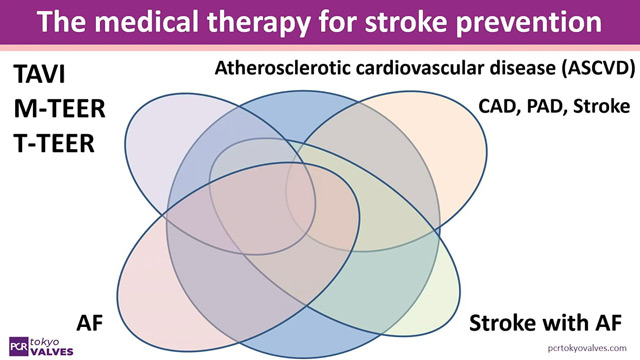
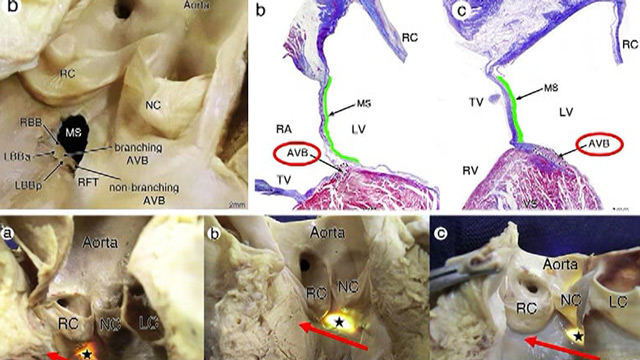
Prevention and management of TAVI complications
14 Feb 2026 – From PCR Tokyo Valves 2026
This session addresses the prevention and management of major complications associated with transcatheter aortic valve implantation (TAVI). Attendees will gain a detailed understanding of mechanisms behind cerebral infarction, haemolysis, valve infolding, pacemaker implantation, and valve migration, along with expert strategies for recognition, decision-making, and bailout techniques...
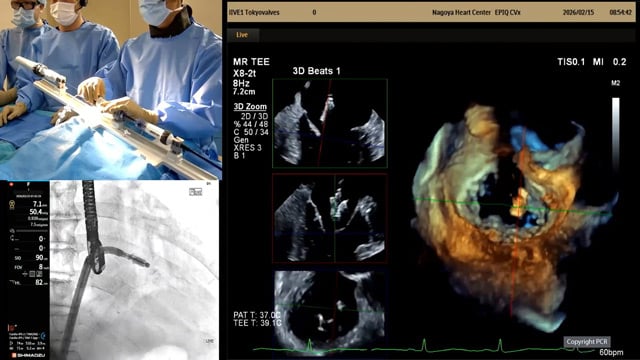
Primary mitral TEER in small anatomy - LIVE case
15 Feb 2026 – From PCR Tokyo Valves 2026
An 89-year-old male with diabetes mellitus, hypertension, chronic kidney disease (eGFR: 46), and CAD with a history of NSTEMI and CTO of the RCA, presented with symptomatic primary mitral regurgitation (P1–P2 prolapse) and preserved LV function (56%).
One Pascal ACE device was implanted.
LIVE Educational Case from Nagoya...
Guidelines update
15 Feb 2026 – From PCR Tokyo Valves 2026
This session reviews the latest updates in the ESC/EACTS guidelines for structural heart disease, emphasizing their clinical implications and future trends. Participants will gain understanding of changes in aortic, mitral, and tricuspid valve recommendations, including new age cutoffs, asymptomatic disease management, and the evolving role of...
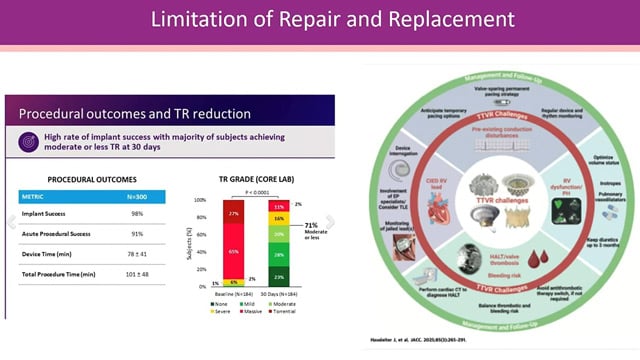
Future devices and techniques for structural heart disease
15 Feb 2026 – From PCR Tokyo Valves 2026
This session surveys the future landscape of structural heart disease treatment, addressing current limitations in transcatheter valve technologies and presenting emerging devices and techniques for aortic, mitral, and tricuspid valves. Attendees will gain insights into innovations poised to transform therapeutic options for structural heart disease.
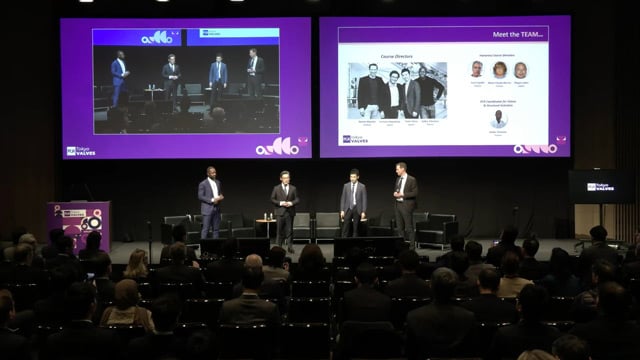
PCR Tokyo Valves 2026 Closing Ceremony
15 Feb 2026 – From PCR Tokyo Valves 2026
The Closing Ceremony marks the conclusion of this cardiology conference, providing a formal wrap-up and reflection on the key highlights and advancements presented throughout the event. It serves as an opportunity to acknowledge contributors and set the stage for future initiatives in interventional cardiology.
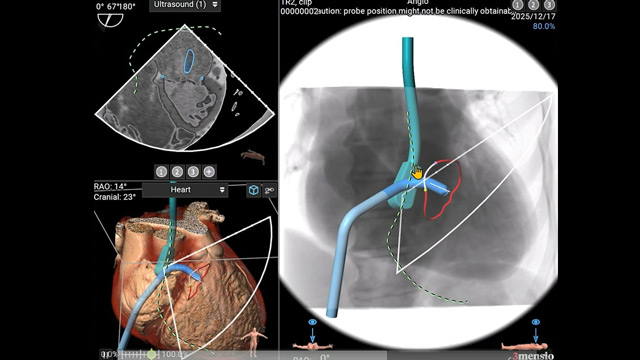
Mastering techniques from basic to complex - Mitral regurgitation assessment and suitability for TEER
13 Feb 2026 – From PCR Tokyo Valves 2026
Delve into the assessment of mitral regurgitation and the criteria determining suitability for Transcatheter Edge-to-Edge Repair (TEER). This session reviews mitral valve anatomy and the latest clinical data supporting mitral TEER interventions.
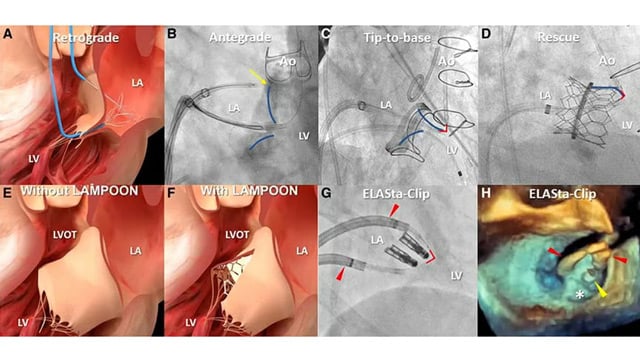
Mastering techniques from basic to complex - Tips and tricks for advanced mitral TEER: anatomy and imaging
13 Feb 2026 – From PCR Tokyo Valves 2026
Advance your expertise in mitral TEER by gaining anatomical insights, understanding device interaction with native valve structures, and learning to prevent and manage procedural complications through case-based imaging and live assessments.
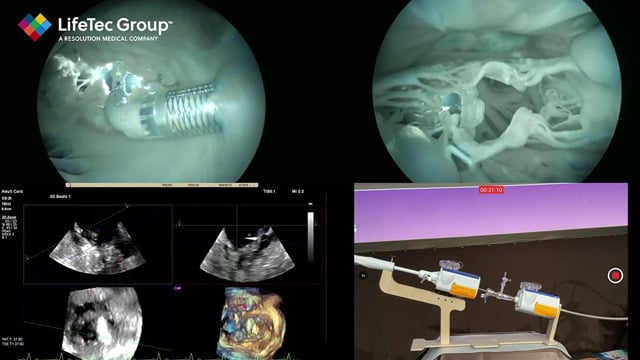
Mastering techniques from basic to complex - Tricuspid TEER fundamentals
13 Feb 2026 – From PCR Tokyo Valves 2026
Gain foundational knowledge in tricuspid TEER by understanding anatomical criteria for patient suitability, key procedural steps, and device techniques, enhanced by simulation-based procedural training.
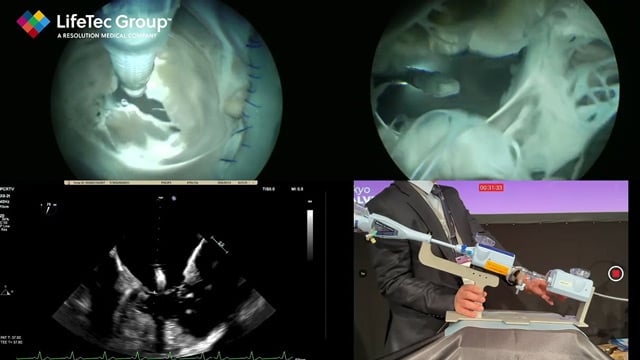
Getting ready for tricuspid TEER: key steps in building a successful programme
14 Feb 2026 – From PCR Tokyo Valves 2026
Prepare to establish a successful tricuspid TEER programme by understanding essential components such as systematic echocardiographic and clinical assessments for patient selection, procedural fundamentals, and programme development supported by clinical evidence.
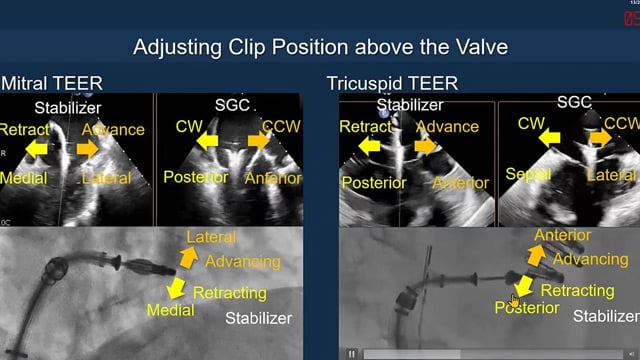
Patient selection for tricuspid TEER in 2026
14 Feb 2026 – From PCR Tokyo Valves 2026
This session focuses on optimizing patient selection for tricuspid transcatheter edge-to-edge repair (TEER) in 2026. It integrates anatomical, haemodynamic, and clinical criteria to identify ideal candidates, explores evolving treatment boundaries between TEER, transcatheter tricuspid valve replacement (TTVR), and medical management, and applies evidence from key trials...
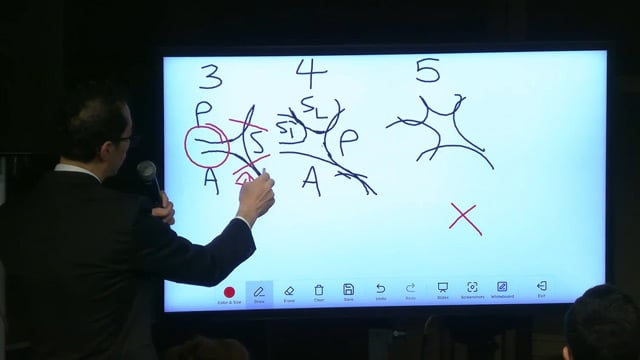
Procedural optimisation for enhanced acute and long-term outcomes
14 Feb 2026 – From PCR Tokyo Valves 2026
This session emphasizes procedural optimization in TAVI to enhance both acute and long-term outcomes. It highlights critical factors such as valve sizing, expansion, implantation depth, and commissural alignment. Practical techniques for pre- and post-dilatation alongside commissural alignment are demonstrated through real cath lab cases, underscoring their...