3648 results for «2553»
3648 results
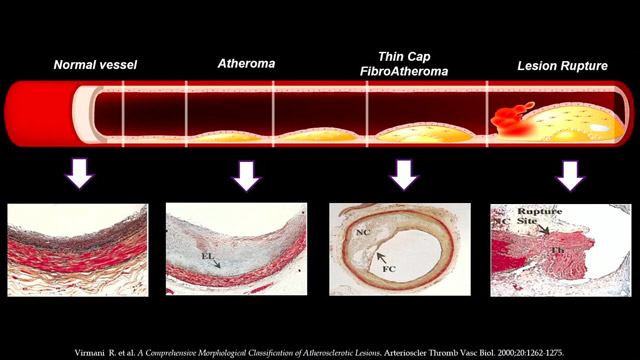
How should I treat this vulnerable plaque?
21 May 2025 – From EuroPCR 2025
Learn to identify and manage vulnerable plaque using intracoronary imaging. This session covers detection techniques, clinical implications, current evidence for treatment, and case-based insights to improve patient outcomes through targeted intervention.
New diagnostic and therapeutical tools in the coronary field
21 May 2025 – From EuroPCR 2025
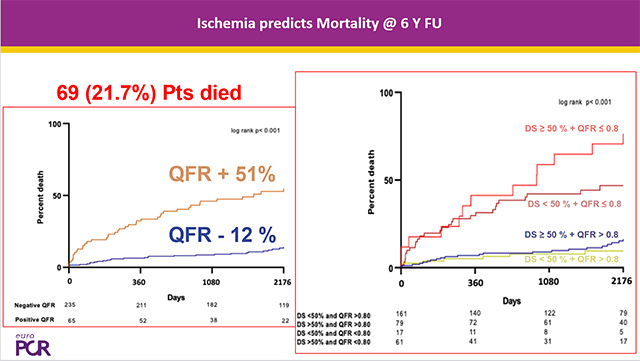
Explore the latest advancements in diagnostic and therapeutic tools in coronary interventions. This session covers a range of innovative topics including the prognostic impact of QFR-based complete versus incomplete revascularisation, hybrid perfusion quantification with cardiac CT and echocardiography, clinical validation of AI-assisted coronary angiography, national audit...

Valve-in-valve TAVI
21 May 2025 – From EuroPCR 2025
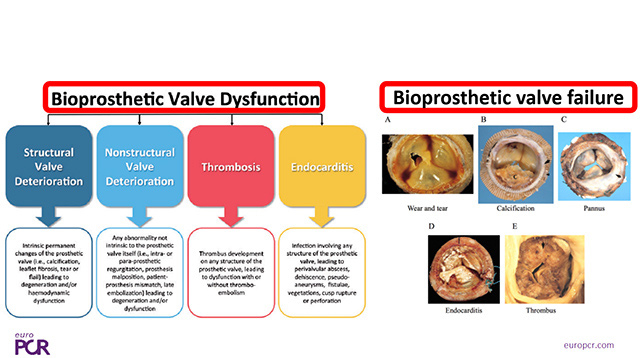
Explore valve-in-valve TAVI strategies for patients with degenerated surgical valves, focusing on small aortic annuli. This session covers the impact of valve design and implant techniques, valve fracturing methods, procedural outcomes of repeat TAVI, and mid-to-long-term results from the ACCURATE NEO 2 study.
Imaging coronary artery disease – New frontiers
21 May 2025 – From EuroPCR 2025
Delve into new frontiers in imaging coronary artery disease, shifting focus from ischemia to plaque characteristics for revascularisation decisions. This session highlights the pivotal role of intracoronary imaging in understanding complex vessel anatomy and planning treatment, illustrated through detailed case studies showcasing unusual anatomies requiring tailored...
PCR's Got Talent - Round 2 - Session 1
21 May 2025 – From EuroPCR 2025
PCR's Got Talent Round 2 Session 1 showcases emerging talents and innovations in interventional cardiology, highlighting promising advancements and expert insights shaping the future of cardiovascular interventions.
Hostile access for TAVI procedure
21 May 2025 – From EuroPCR 2025
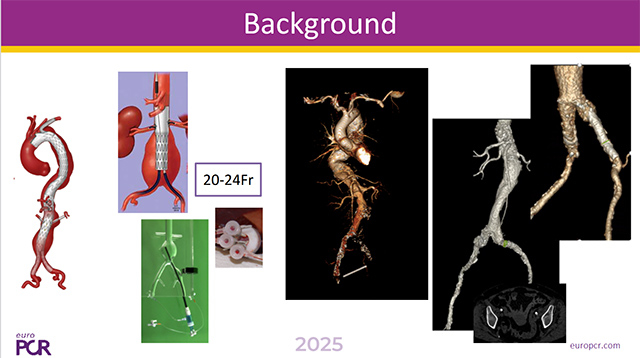
This session addresses the challenges of hostile vascular access in TAVI procedures. Learn to identify difficult access sites through pre-operative imaging, explore alternative approaches such as axillary access, techniques to overcome iliac access difficulties, and management of peri- and post-operative complications by vascular surgeons.
TAVI in challenging cases: pushing the limits
21 May 2025 – From EuroPCR 2025
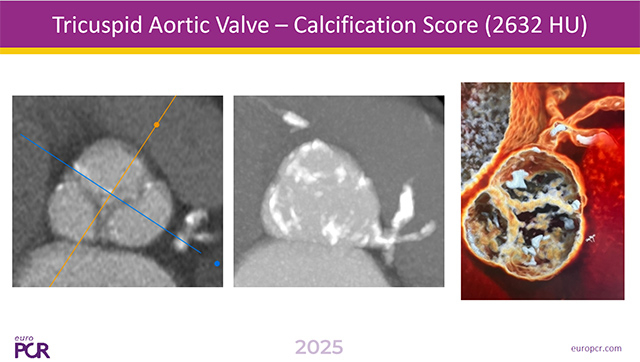
Navigate challenging TAVI cases with this focused session emphasizing valve-in-valve procedures in complex anatomical scenarios. Learn strategies for managing TAVI in patients with multivessel disease and impaired ventricular function, and optimize procedural planning using advanced imaging, access methods, and device selection through detailed case presentations and...
DCB PCI: are we ready for complex de novo lesions?
21 May 2025 – From EuroPCR 2025
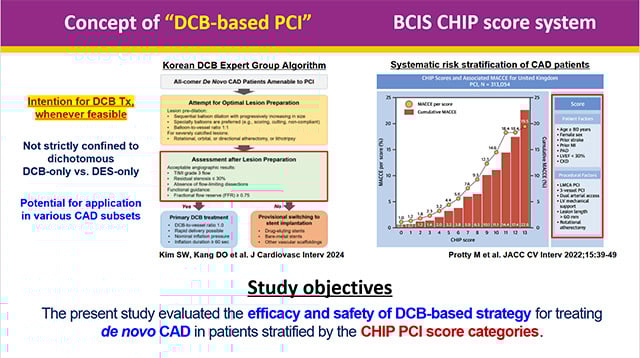
Evaluate the readiness of drug-coated balloon (DCB) therapy for complex de novo coronary lesions. This session reviews comparative outcomes of DCB versus drug-eluting stents (DES) across CHIP risk categories, impacts of diabetes, long-term follow-up data in calcified lesions and left main bifurcations, and treatment of in-stent...
Antithrombotic drugs for acute coronary syndromes in women
21 May 2025 – From EuroPCR 2025
Enhance your understanding of antithrombotic drug management in women with acute coronary syndromes (ACS). This session addresses risk stratification balancing ischemic and bleeding risks, evidence-based tailored antithrombotic and revascularisation strategies in high bleeding risk patients, and diagnostic and treatment approaches for MINOCA, with illustrative cases highlighting...
Metalfree PCI
21 May 2025 – From EuroPCR 2025
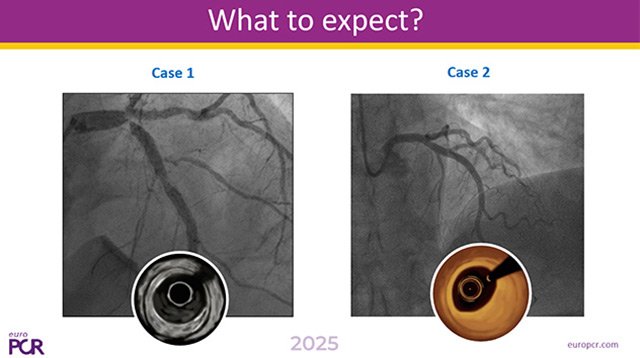
Explore metal-free PCI approaches emphasizing drug-coated balloon angioplasty and bioresorbable scaffold technologies. This session reviews angiographic outcomes in diffuse small vessel disease, bifurcation lesions, and acute myocardial infarction, alongside management strategies for restenosis post-DCB angioplasty, highlighting advancements in minimally invasive coronary interventions.
Unconventional situations and complications during cardiovascular interventions
21 May 2025 – From EuroPCR 2025
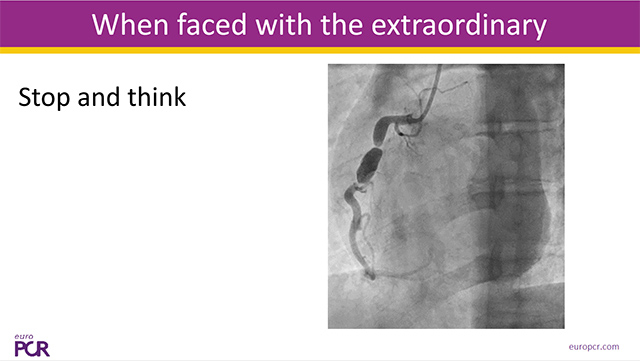
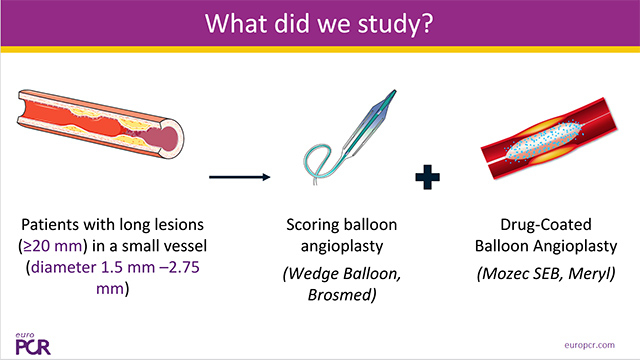
Explore this session to gain expert tips and practical strategies for managing unexpected complications during cardiovascular interventions. Learn how to anticipate and avoid complications in conventional procedures and discover different approaches to tackle challenging situations in the cathlab through detailed case discussions involving PCI, TAVI, and...
Overcoming resistant lesions in NSTEMI
21 May 2025 – From EuroPCR 2025
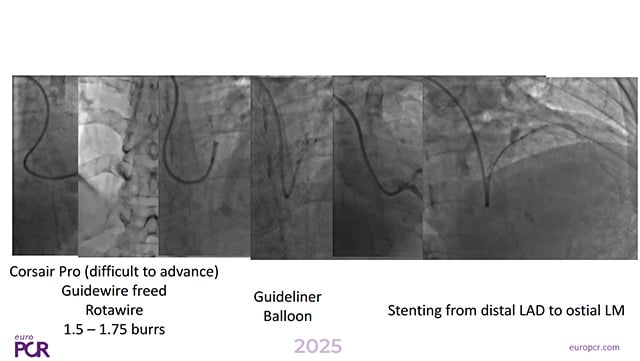
Address the challenges of resistant lesions in NSTEMI with this focused session. Learn from complex cases involving thrombus management using Penumbra systems and Guideliner, as well as strategies to overcome extensive calcification through multiple interventional tools, illustrating a stepwise approach to tackling difficult coronary lesions.
How complex left main intervention can be?
21 May 2025 – From EuroPCR 2025
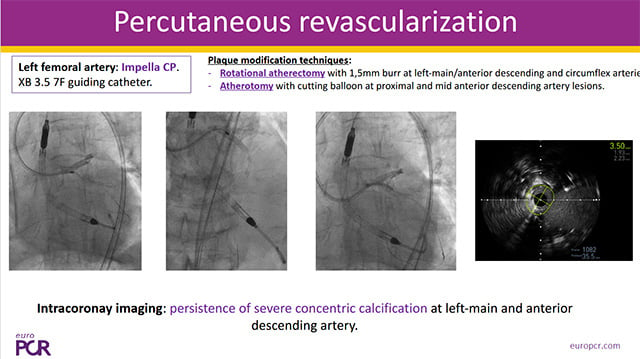
Stay updated on the complexities of left main coronary artery interventions with this comprehensive session. Delve into the latest guidelines and trial data for 2025, understand the meticulous preparation and advanced techniques involved, and examine potential adverse effects and complications through real-world complex case scenarios.
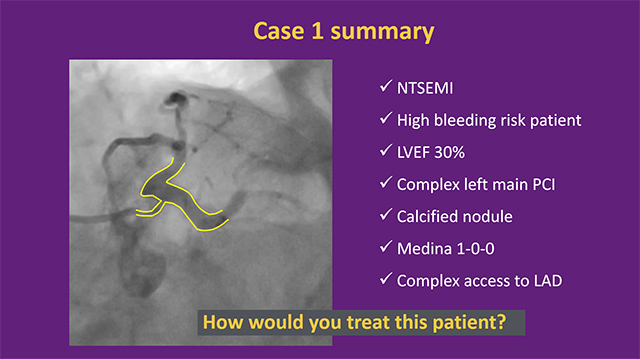
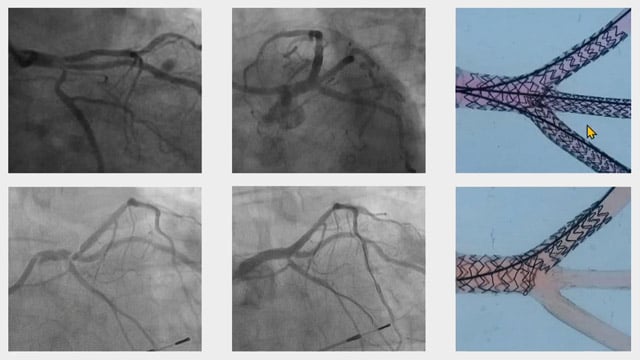
Through decisions in complex left main PCI – Left main trifurcation
22 May 2025 – From EuroPCR 2025
This session offers an in-depth analysis of complex left main trifurcation PCI, covering evaluation through imaging and physiology, lesion preparation strategies, and treatment options including stepwise provisional approaches, upfront two-stent techniques, and drug-coated balloons.
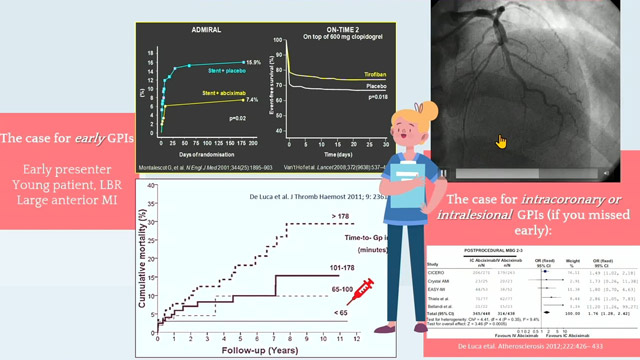
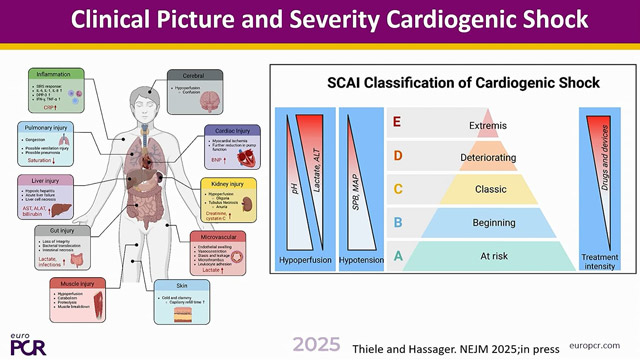
Extensive anterior STEMI - Treatment strategies from SCAI A to E
22 May 2025 – From EuroPCR 2025
Explore comprehensive treatment strategies for extensive anterior STEMI, focusing on risk stratification across the SCAI shock stages A to E. Learn to adapt mechanical circulatory support appropriately and understand principles guiding device selection and utilization in hemodynamic instability.
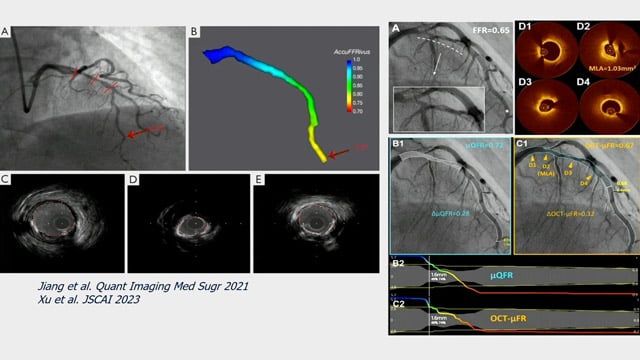
Intracoronary imaging guidance for PCI
22 May 2025 – From EuroPCR 2025
This session highlights the value of intracoronary imaging guidance for PCI, showcasing optical coherence tomography in complex ACS lesions, long-term outcomes from imaging-guided PCI trials, AI-enhanced quantification, and comparative analyses of intravascular lithotripsy versus rotational atherectomy.
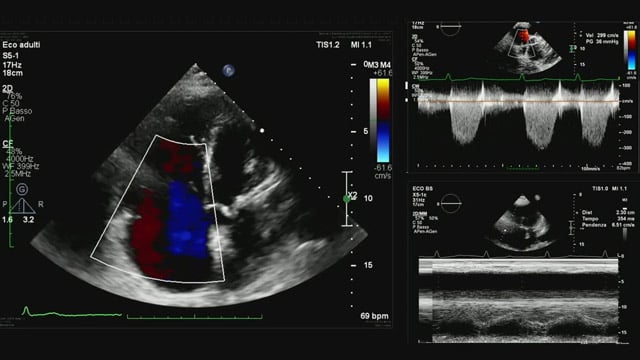
Assessment and management of patients with multivalvular disease involving the tricuspid valve
22 May 2025 – From EuroPCR 2025
Gain expertise on managing multivalvular disease involving the tricuspid valve by understanding diagnostic challenges, intervention indications, and associated pathophysiological factors. This session includes complex case studies focusing on combined valvular lesions and guideline limitations.
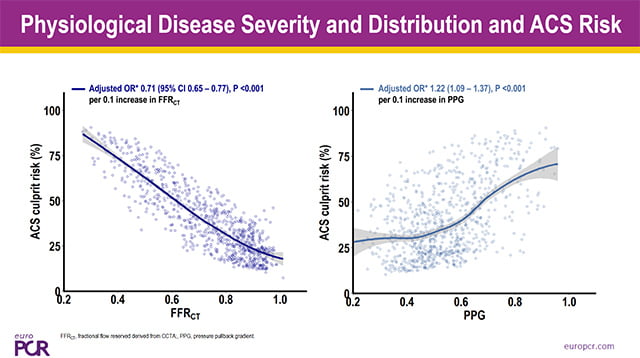
Role of coronary physiology in acute coronary syndrome patients
22 May 2025 – From EuroPCR 2025
Examine the role of coronary physiology in acute coronary syndrome patients, including plaque characteristics related to ACS risk, prognostic value of AngioIMR in STEMI, functional significance of lumen and plaque features, diagnostic accuracy of quantitative flow ratio, and the impact of adenosine administration routes on FFR...
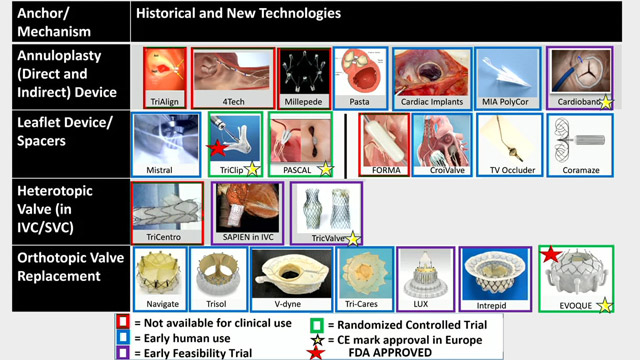
Innovation to address unmet clinical needs in transcatheter valve therapies
22 May 2025 – From EuroPCR 2025
Discover innovations addressing unmet clinical needs in transcatheter valve therapies. This session shares case-based experiences including young aortic stenosis patients, mitral regurgitation with annular calcification, and severe tricuspid regurgitation with right ventricular dysfunction, alongside the latest advances in TAVI, TMVR, and tricuspid interventions.
What an interventional cardiologist should know about anti-thrombotics
22 May 2025 – From EuroPCR 2025
This session provides comprehensive knowledge on anti-thrombotic management for interventional cardiologists, emphasizing effective inhibition during acute STEMI, latest evidence implementation for high bleeding risk patients, and customization of dual antiplatelet therapy in patients with high thrombotic and low bleeding risks through clinical cases and evidence-based recommendations.