3647 results for «2293»
3647 results
TAVI and coronary artery disease - Part 2
18 Nov 2025 – From PCR London Valves 2025
This session focuses on the intersection of transcatheter aortic valve implantation (TAVI) and coronary artery disease, addressing complex clinical scenarios. It covers innovative approaches such as double "chimney" stenting with balloon-expandable TAVI, strategies for high-risk TAVR combined with multivessel PCI, advances in Medtronic Fx+ TAVR technology,...

Complications of valve-in-valve TAVI
18 Nov 2025 – From PCR London Valves 2025
This session addresses the complex complications associated with valve-in-valve TAVI procedures. Topics include delayed coronary compromise, unexpected clinical scenarios, the importance of recognizing surgical bioprosthesis types, the dual role of calcium in TAVI, and intricate left ventricular complications that can arise post valve-in-valve interventions.
When the interventional cardiologist meets the surgeon
18 Nov 2025 – From PCR London Valves 2025
This session highlights collaborative approaches between interventional cardiologists and surgeons in complex valve interventions. It includes cases such as transfemoral valve-in-valve TAVI in bio-Bentall patients with chronic aortic dissection, critical decision-making in life-threatening scenarios, the importance of access choice in TMVR, mechanical leaflet modification of failed...

Transcatheter mitral valve-in-valve, valve-in-ring, and valve-in-MAC
17 Nov 2025 – From PCR London Valves 2025
This session provides an expert overview of transcatheter mitral valve-in-valve, valve-in-ring, and valve-in-MAC procedures. It focuses on unique anatomical and technical considerations, advanced imaging and pre-procedural planning methods, and procedural techniques including device selection and sizing, guided by experienced high-volume operators to optimize procedural success.
Mitral TEER and LAA closure - LIVE Case
17 Nov 2025 – From PCR London Valves 2025
Watch a LIVE case followed by a recorded case regarding a 91-year-old female with permanent AF, LAD PCI three months earlier, and recurrent GID bleeding who presented with symptomatic severe primary mitral regurgitation due to P2 prolapse and flail. CT imaging showed a LAA with a...
Featured research - Tricuspid valve intervention: the TRIPLACE registry
17 Nov 2025 – From PCR London Valves 2025
This session features cutting-edge research on tricuspid valve interventions, including insights from the TRIPLACE registry on orthotopic TTVR thrombosis, predictive value of three-dimensional tricuspid annulus measurements for procedural outcomes, early clinical experiences with novel TTVR systems, and procedural clipping strategies based on results from the BRIGHT...
Featured research - TAVI: Predictive tools, AI innovation and reintervention strategies
17 Nov 2025 – From PCR London Valves 2025
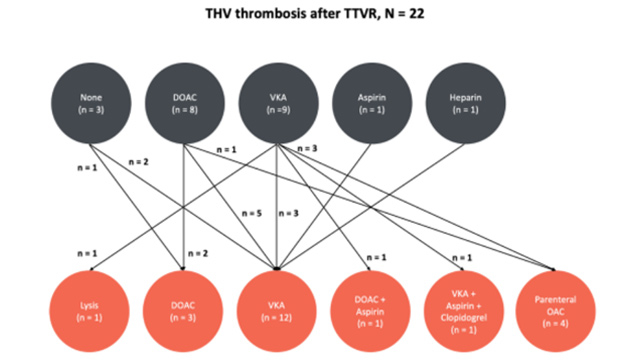
This session presents cutting-edge research in TAVI, covering the development of predictive models for clinical valve thrombosis, comparative analyses between self-expandable and balloon-expandable valves from the Greek TAVI registry, and the emerging role of AI-guided Heart Team decisions. It also examines outcomes of reintervention strategies following...
TAVI in patients with concomitant valve and coronary artery disease
17 Nov 2025 – From PCR London Valves 2025
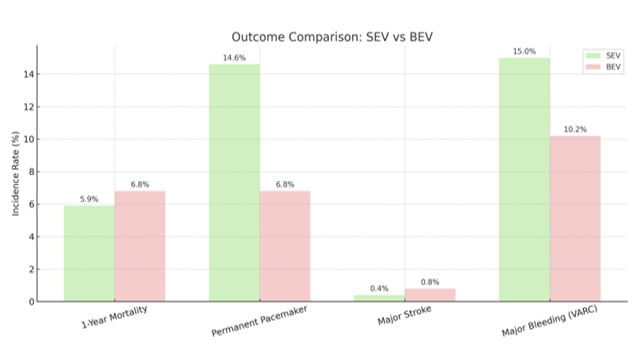
Focused on patients with concomitant valve and coronary artery disease, this session examines evaluation strategies for aortic stenosis burden, integrates recent trial data on combined TAVI and PCI, and discusses optimal management approaches in complex multi-valve disease scenarios through detailed case presentations and clinical outcomes.
TAVI Valve-in-Valve: Managing unexpected anatomical challenges
17 Nov 2025 – From PCR London Valves 2025
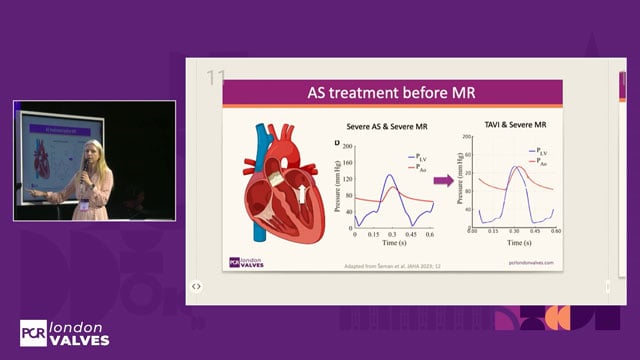
This session examines valve-in-valve interventions in TAVI, highlighting management of concomitant left main disease, unique case narratives such as "The Highlander story," and the unpredictability inherent in these procedures. It also reviews successful transfemoral TAV-in-SAV interventions in acute heparin-induced thrombocytopenia and addresses treatment of degenerated sutureless...
TAVI complications
17 Nov 2025 – From PCR London Valves 2025
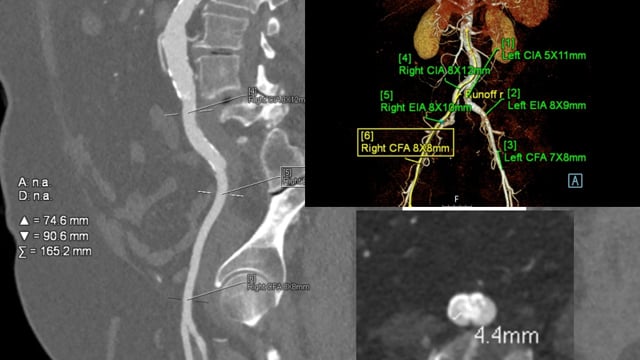
This session delves into the management of complications arising during TAVI procedures, presenting real-world cases such as major vascular events including abdominal aortic dissection and catastrophic iliac artery perforation. It also covers technical solutions for valve embolisation and valve deformation due to calcific aorta, providing valuable...
Paravalvular leak closure - Part 2
17 Nov 2025 – From PCR London Valves 2025
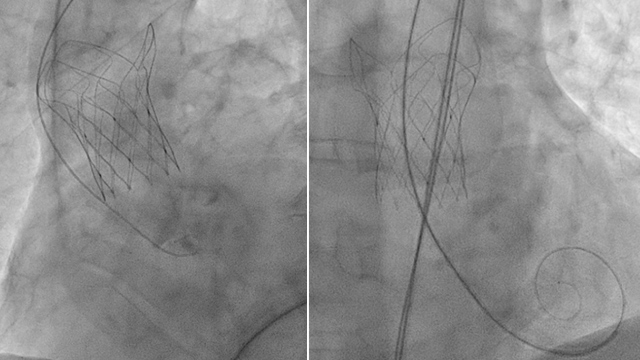
This session is dedicated to paravalvular leak (PVL) closure techniques, featuring percutaneous approaches after surgical valve implantation and TAVI complications such as annulus rupture. It includes advanced management using multiple plugs for long-tunnel mitral PVLs, innovative transformation from pop-up to plug strategies, and transapical approaches following...
TAVI in aortic regurgitation - Part 2
17 Nov 2025 – From PCR London Valves 2025
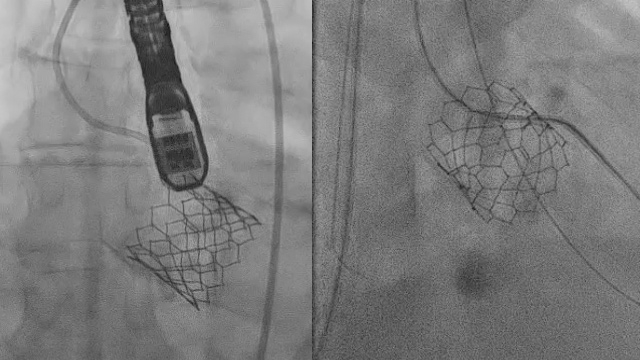
This session focuses on transcatheter aortic valve implantation in the setting of aortic regurgitation, a challenging clinical entity. It features novel techniques such as pump-assisted deployment and the use of deflectable self-expanding systems, as well as management of patients with prior valve-sparing aortic root surgery and...
TAVI for pure aortic regurgitation: different animal, different challenges, different approaches
17 Nov 2025 – From PCR London Valves 2025
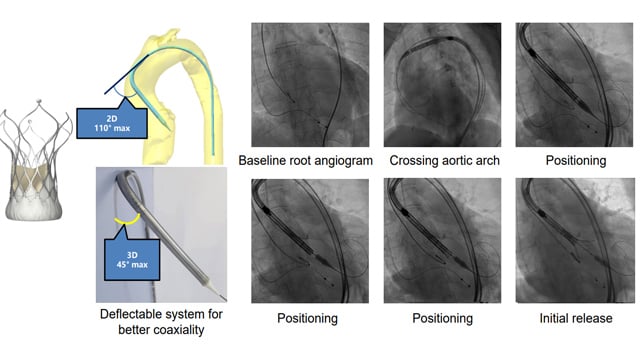
This session delves into the unique anatomical and pathophysiological challenges posed by pure aortic regurgitation and their impact on treatment strategies. It reviews clinical outcomes with established and new transcatheter devices, and presents emerging technologies that promise to advance therapeutic options for this distinct patient population.
Transcatheter mitral valve-in-valve: transcatheter rescue, balloon migration & more
17 Nov 2025 – From PCR London Valves 2025
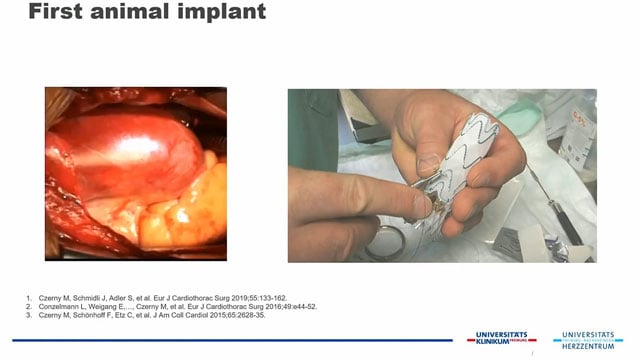
This session addresses transcatheter mitral valve-in-valve and valve-in-ring interventions in complex clinical contexts. It includes cases of rescue procedures in valvular dysfunction, ECMO-assisted mitral valve-in-ring implantation in severe left ventricular dysfunction, and innovative approaches to mitral ring anatomy challenges, offering practical insights and procedural tips for...
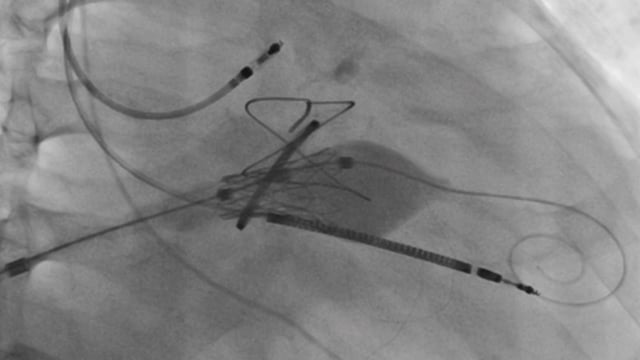
From diagnosis to device: decision-making and planning for mitral valve interventions
17 Nov 2025 – From PCR London Valves 2025
This session offers a comprehensive overview of decision-making and procedural planning for transcatheter mitral valve interventions. It emphasizes patient-specific factors, advanced imaging for valve morphology assessment, device selection, and the integration of emerging technologies to tailor optimal treatment strategies for mitral valve disease.
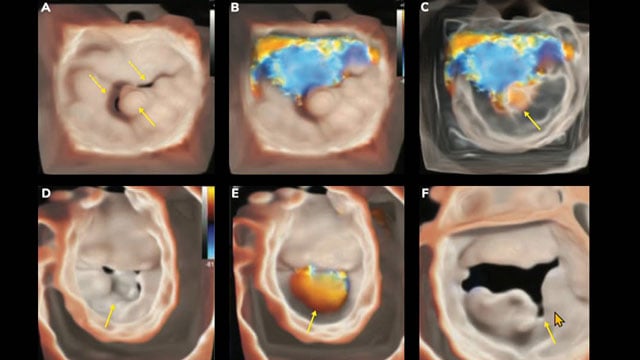
Complex combined interventions - Part 3
17 Nov 2025 – From PCR London Valves 2025
This session highlights complex combined transcatheter interventions, demonstrating simultaneous management of multiple valvular and aortic pathologies. Cases include percutaneous treatment of degenerated bioprosthetic valves, TAVI in rheumatic small annuli with multivalvular disease, and endovascular repair of ascending aortic pseudoaneurysm, illustrating comprehensive strategies for multifaceted cardiovascular disease.
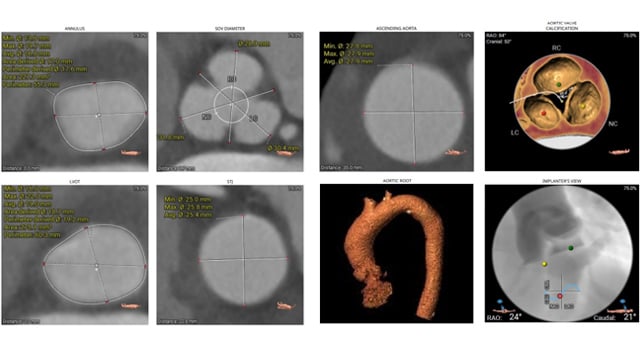
Early Career Research Award Final
17 Nov 2025 – From PCR London Valves 2025
Highlighting pioneering research in structural heart interventions, this session presents studies on the impact of transcatheter tricuspid valve replacement (TTVR) on left ventricular geometry and function, myocardial remodeling in aortic stenosis, physiological responses after mitral and tricuspid edge-to-edge repairs, advancing the understanding of device effects on...
Percutaneous mitral balloon commissurotomy in unusual scenarios
17 Nov 2025 – From PCR London Valves 2025
This session examines percutaneous mitral balloon commissurotomy applied in unusual and challenging scenarios. It covers advanced techniques such as wire-guided Inoue balloon valvuloplasty post annuloplasty, strategies for severe mitral calcification, and innovative simplifications of established methods, emphasizing the ongoing relevance of this procedure in complex mitral...
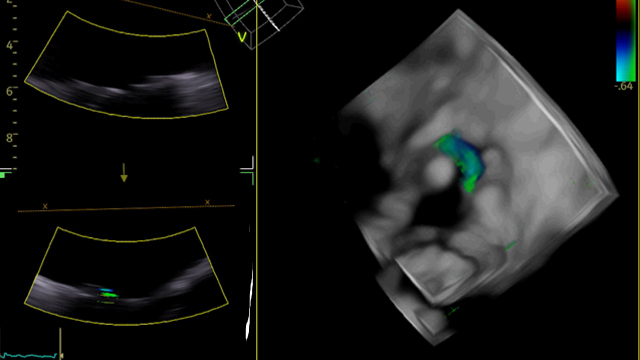
Learning from lived experience and contemporary evidence: shaping the treatment of women with heart valve disease
17 Nov 2025 – From PCR London Valves 2025
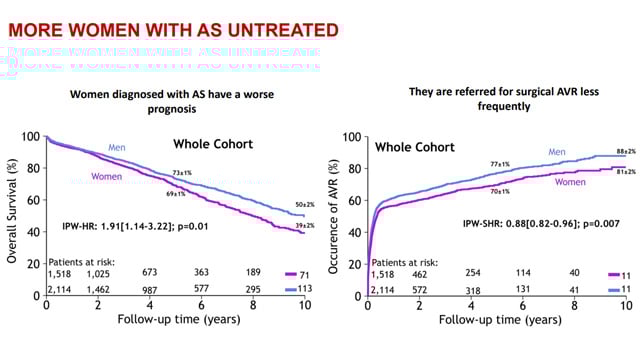
This session provides an in-depth exploration of the lived experiences of women with valvular heart disease, emphasizing the unique challenges in detection, diagnosis, treatment, and follow-up. It integrates contemporary evidence and the forthcoming 2025 ESC/EACTS guidelines to offer practice-ready strategies tailored to the management of valvular...
Paravalvular leaks and VSD percutaneous closure - Recorded cases
17 Nov 2025 – From PCR London Valves 2025
Recorded case 1: A 56-year-old female with a prior mechanical mitral valve replacement (Star GK, 2018), permanent AF, and normal LV function presented with recurrent HF admissions due to paravalvular leaks. She was treated with implantation of multiple plugs via a transseptal approach using a Destination...