3648 results for «2562»
3648 results
A tale of two branches: lessons from complex bifurcation PCI
21 May 2025 – From EuroPCR 2025
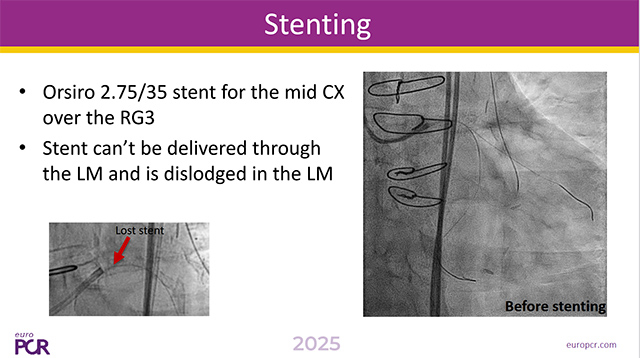
Delve into complex bifurcation PCI with detailed case studies illustrating practical approaches to challenging scenarios, including managing stent loss in stented left main bifurcations. Gain valuable lessons from retrograde CTO-PCI and true bifurcation lesions to enhance your procedural strategies.
Tough cases, smart imaging
20 May 2025 – From EuroPCR 2025
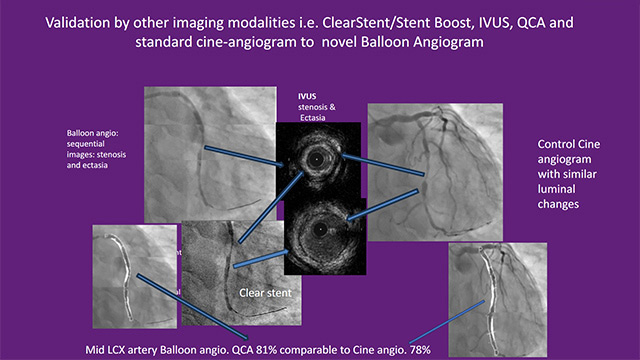
This session showcases challenging cardiovascular cases where smart imaging techniques guide diagnosis and intervention. Highlights include innovative soft balloon angiography in complex patients, anatomical-physiological ischemic mismatch analysis, IVUS-guided evaluation of rare SVG stenosis, and the power of perspective in imaging interpretation.
When coronary angiography is not enough
20 May 2025 – From EuroPCR 2025
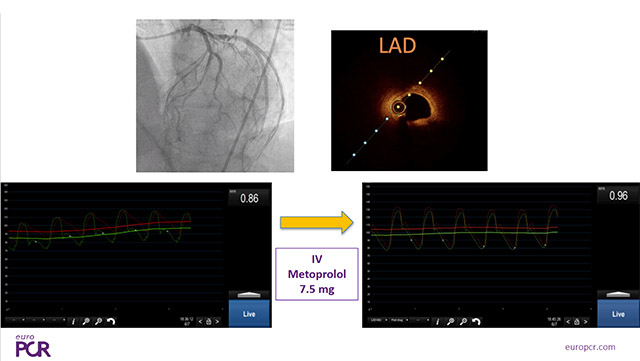
Dive into the complexities that arise when coronary angiography alone is insufficient. This session explores comprehensive physiology and imaging assessments in INOCA with ventricular fibrillation, repeat coronary events, acetylcholine testing for epicardial spasm, and invasive physiology to stratify angina therapy.
Challenges in the treatment of patients with left main disease
21 May 2025 – From EuroPCR 2025
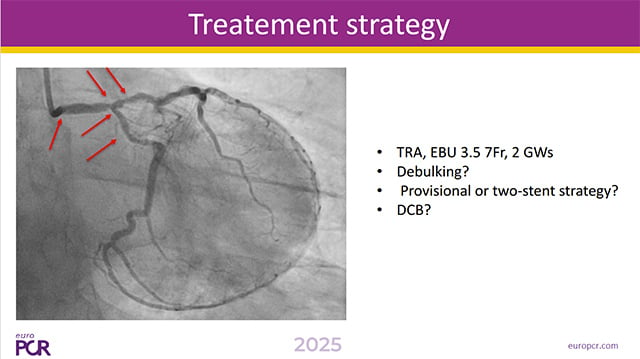
Address the challenges in treating patients with left main disease by reviewing bifurcation techniques, intravascular imaging complexities, and intervention dilemmas in renal patients. Cases highlight management of calcified left main disease post-STEMI and nuanced lesion presentations.
The best clinical cases in PFO closure and carotid stenting
20 May 2025 – From EuroPCR 2025
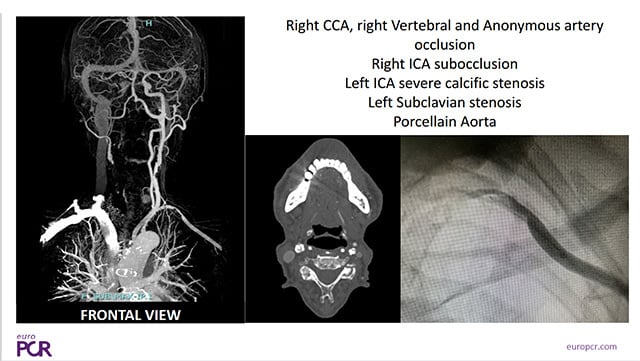
Explore compelling clinical cases showcasing the latest interventions in PFO closure and carotid stenting. This session covers bilateral carotid occlusion with syncope, acute cerebral circulatory insufficiency management, complex peripheral artery disease post-radiotherapy, and innovative dual-device approaches for challenging PFOs.
Novelties and future developments of sympathetic denervation to control blood pressure
21 May 2025 – From EuroPCR 2025
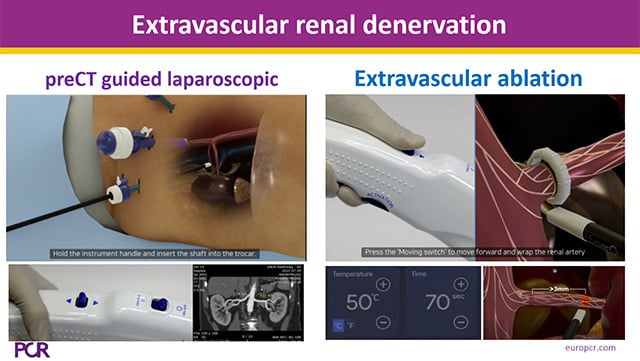
Discover the latest novelties and future directions in sympathetic denervation for blood pressure control. This session presents preclinical safety data, lesion characteristics, anatomic guidance innovations, multi-organ denervation pilot studies, and breakthrough technologies like the Electroducer sleeve to enhance renal denervation interventions.
Multimodality imaging and physiology for MINOCA diagnosis
20 May 2025 – From EuroPCR 2025
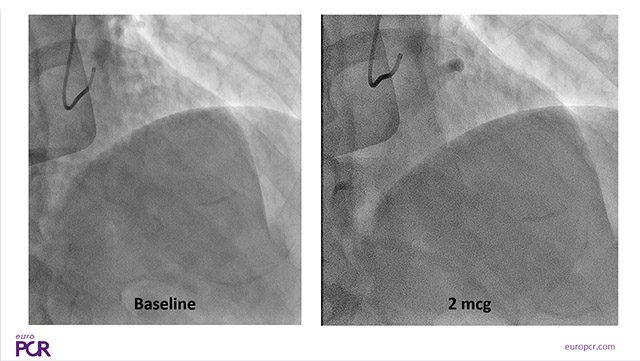
This session highlights the power of multimodality imaging and physiology in diagnosing MINOCA. Topics include detecting hidden plaque vulnerability, managing unexpected diagnoses beyond MINOCA, decision-making on stenting, AI's added value, and lessons from recurrent cases.
TEER for challenging anatomy: from myth to reality
21 May 2025 – From EuroPCR 2025
Explore advanced TEER techniques for challenging anatomies. This session covers indications, periprocedural steps, state-of-the-art procedural methods, and management of failed surgical tricuspid annuloplasty, with case discussions highlighting practical learnings for complex mitral and tricuspid interventions.
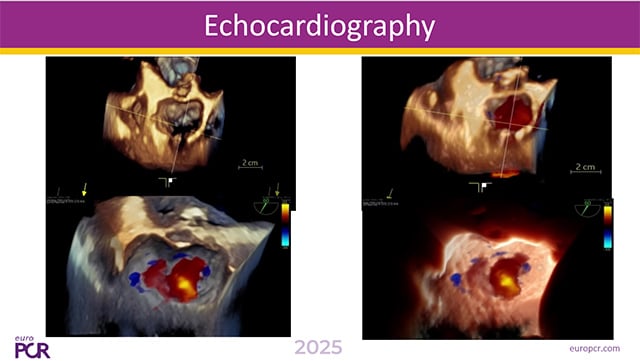
Novel tools and strategies in chronic heart failure
21 May 2025 – From EuroPCR 2025
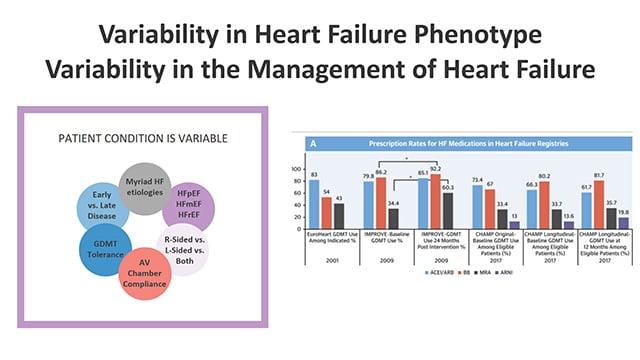
Discover novel tools and therapeutic strategies in chronic heart failure management. This session presents early clinical experiences with innovative devices such as a chronically-adjustable pressure sensing interatrial shunt, synchronized diaphragmatic stimulation, high-flow pLVADs for cardiogenic shock, and renal artery denervation. Additionally, it reviews the impact of...
Multi-modality assessment of coronary disease
21 May 2025 – From EuroPCR 2025
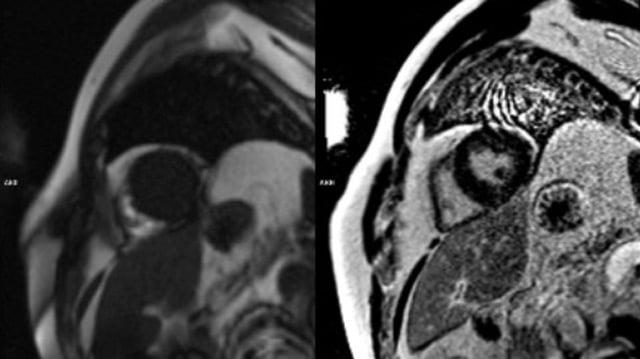
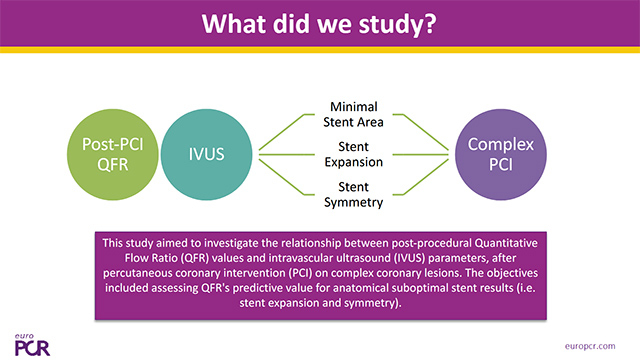
This session offers comprehensive multi-modality assessment of coronary disease, integrating advanced imaging and functional testing. Topics include diagnostic yield of OCT and cardiac MRI for MINOCA, transitioning coronary plaque vulnerability assessment from invasive to non-invasive methods, relationships between QFR and IVUS post-PCI in complex lesions, combined...
New tools for left main treatment
21 May 2025 – From EuroPCR 2025
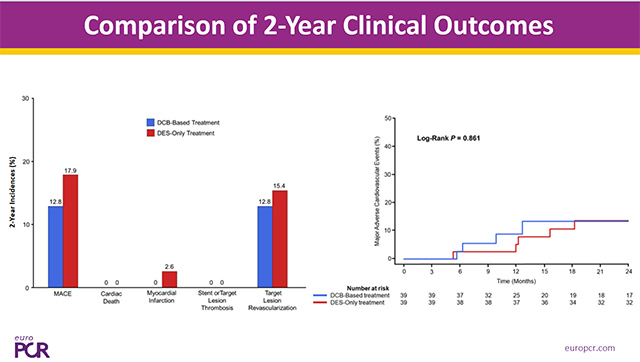
Examine new tools and strategies tailored for left main coronary artery treatment. This session covers real-world data on intracoronary imaging guidance, post-PCI FFR assessment following provisional T stenting, safety and efficacy of intravascular lithotripsy for calcified left main disease, drug-coated balloon (DCB) treatments for true bifurcation...
TAVI: contemporary practice
21 May 2025 – From EuroPCR 2025
Stay updated on contemporary TAVI practices with insights from the 2024 European TAVI PATHWAY Registry. This session addresses comprehensive risk stratification in moderate aortic stenosis, safety and efficacy of repeat TAVI procedures, comparative outcomes of explant versus redo-TAVI after valve failure, and long-term neurological outcomes following...
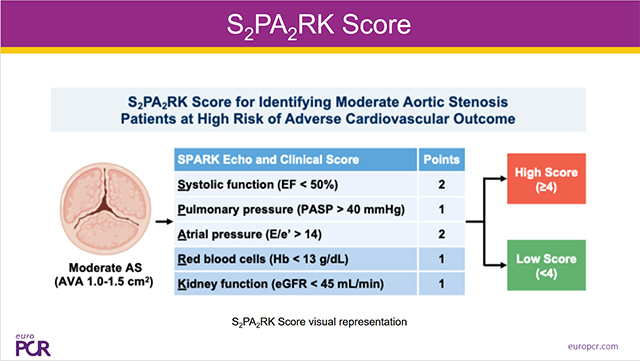
Intracoronary imaging for complex PCI: a must!
21 May 2025 – From EuroPCR 2025
Recognize the indispensable role of intracoronary imaging in managing complex PCI cases. This session explores the evolution of multivessel NSTEMI treatment using DES, BRS, DCB, and imaging, challenges with recurrent in-stent restenosis across multiple stent layers, innovative imaging solutions for complex lesions, and diagnostic approaches to...
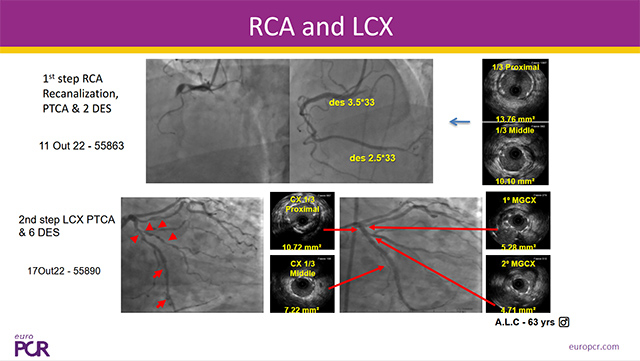
Management of stent-related complications
21 May 2025 – From EuroPCR 2025
This session addresses the management of stent-related complications through a series of dramatic clinical cases. Learn methodical approaches to routine and crisis scenarios including primary PCI complications, failure to stent, and unexpected challenges encountered during interventions, highlighting practical bailout techniques and decision-making frameworks.
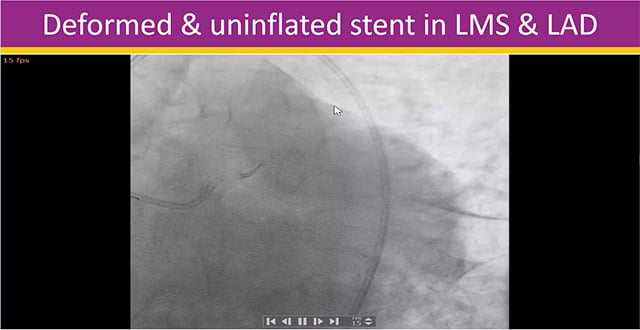
TAV-in-TAV complications
21 May 2025 – From EuroPCR 2025
Focus on the complexities and challenges of TAV-in-TAV procedures in this session. Topics include planning valve-in-valve TAVI for aortic bioprosthetic valve regurgitation, managing anatomical challenges such as left ventricular outflow tract calcium and large annulus, and addressing severe bicuspid valve stenosis with impaired ventricular function. The...
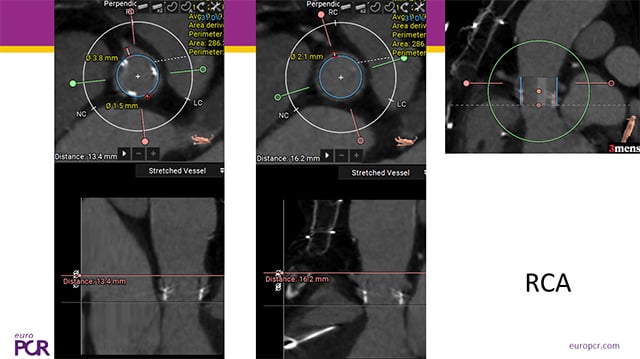
Iatrogenic causes for shock treated with LV support
21 May 2025 – From EuroPCR 2025
Explore the management of iatrogenic causes of cardiogenic shock requiring left ventricular support. This session presents complex cases including shock following Bentall procedures, complications during anesthesia induction in bypass surgery, and strategic approaches to prevent and manage these critical scenarios using LV support devices.
Management of high-risk left main lesion
21 May 2025 – From EuroPCR 2025
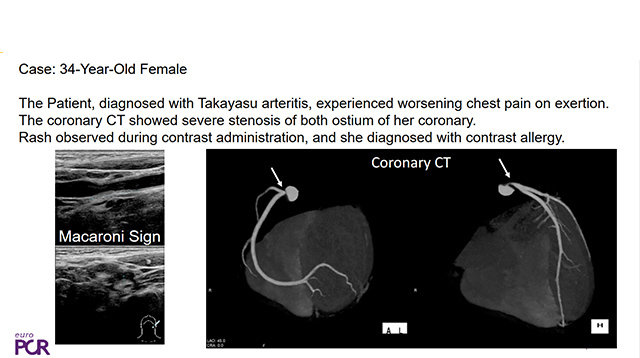
Focus on managing high-risk left main coronary lesions with this session featuring complex cases such as thrombotic lesions, calcified distal left main PCI with orbital atherectomy and IVUS guidance, and advanced stenting techniques. Learn practical approaches for challenging anatomical and clinical scenarios to optimize patient outcomes.

Major Late-Breaking Trials from EuroPCR 2025
21 May 2025 – From EuroPCR 2025
Discover major late-breaking trials from EuroPCR 2025 in this session presenting pivotal study data. Highlights include meta-analyses from the PROTECTED TAVR and BHF PROTECT-TAVI studies, angiography versus physiology-guided PCI during TAVI (FAITAVI trial), and novel antiplatelet strategies following drug-coated stent implantation in acute coronary syndrome, with...
Did danger shock change my practice?
21 May 2025 – From EuroPCR 2025
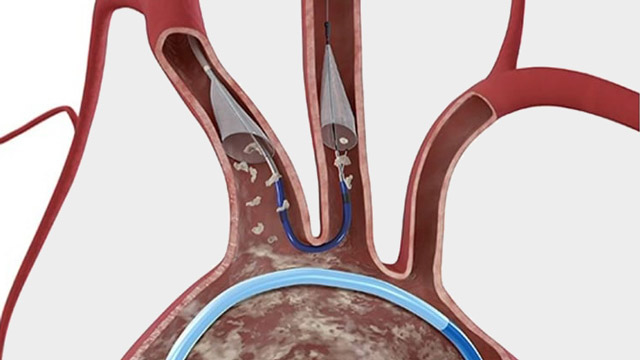
Reflect on how contemporary management of cardiogenic shock has evolved through this session. Review collaborative strategies, challenging clinical cases involving STEMI, multivessel disease, refractory shock, spontaneous coronary artery dissection, and the critical role of intracoronary imaging in guiding interventional decisions.
Strategies in treating double CTO scenarios
21 May 2025 – From EuroPCR 2025
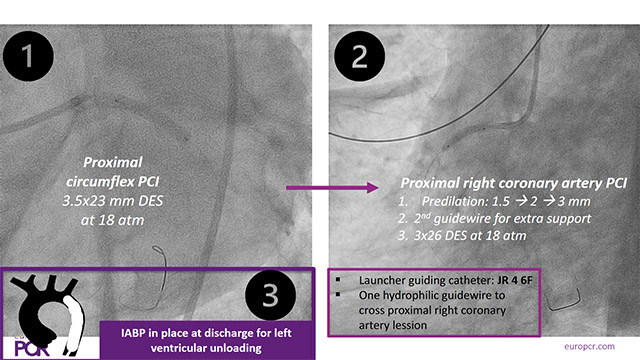
Navigate complex double chronic total occlusion (CTO) scenarios with this session that emphasizes thorough lesion qualification and innovative techniques. Learn strategies including management of ambiguous proximal caps, sequential vessel revascularization, and advanced tools like snaring and deflection to optimize procedural success.