3628 results for «626»
3628 results
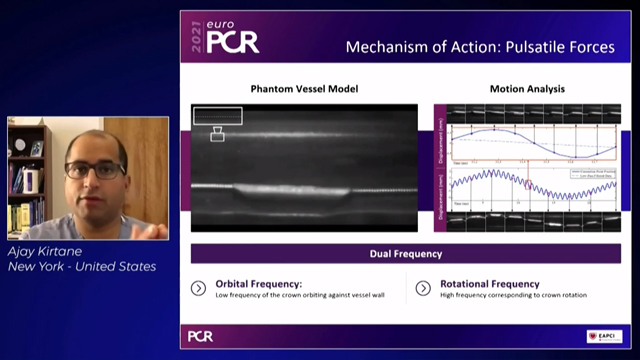
Role of imaging in enhancing PCI guidance
14 Apr 2021 – From EuroPCR 2021
Watch this session to find out more about the DK Culotte strategy regarding OCT-guided left-main bifurcation, to learn how to manage stent thrombosis at coronary bifurcation thanks to OCT guidance, and to follow ultra-low contrast PCI step by step, just to begin with!
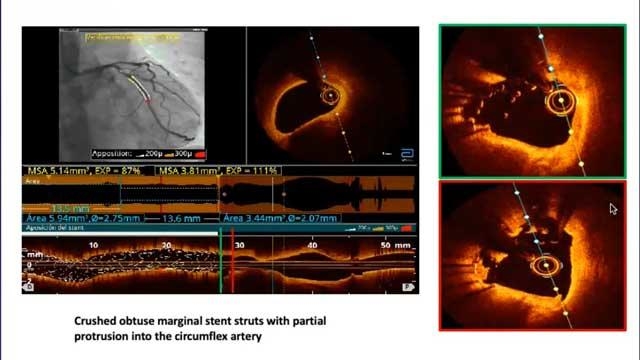
Challenging cases in difficult clinical scenarios
14 Apr 2021 – From EuroPCR 2021
Thanks to this session, you will know more about how to manage simultaneous myocardial infarction and arm ischemia, how to facilitate antegrade wiring of tortuous RCA thanks to sub-intimal dissection and stabilisation, how to guide the way when handling a difficult graft PCI, and more!
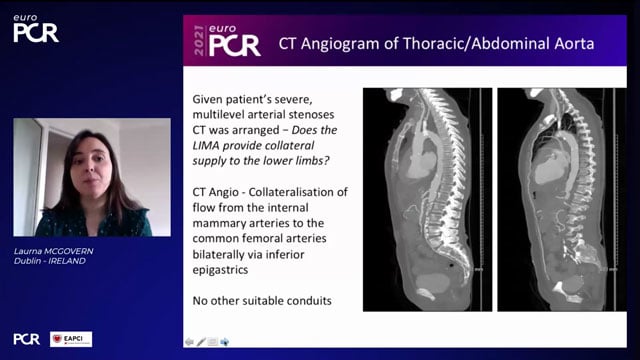
Unusual complications after peripheral interventions
28 Apr 2021 – From EuroPCR 2021
Here is the session you need to watch to know how to find an extreme alternative arterial access in critical limb ischemia, to appreciate an X-ray finding with percutaneous solution, to learn how to cover an iatrogenic radial fistula, and even more!
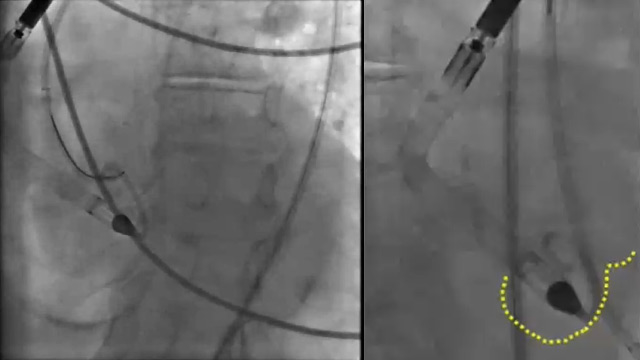
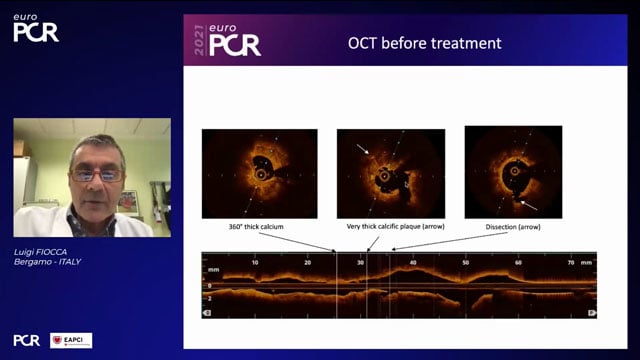
Calcified arteries: rotablation, lithotripsy or both? - Part 2
28 Apr 2021 – From EuroPCR 2021
This session will enable you to learn how to react when facing severely calcified lesion in a STEMI setting, how to grasp the problem of acute coronary syndrome calcified TVD with SVG graft occlusion, post CABG, and how to handle a stent ablation in a patient with...
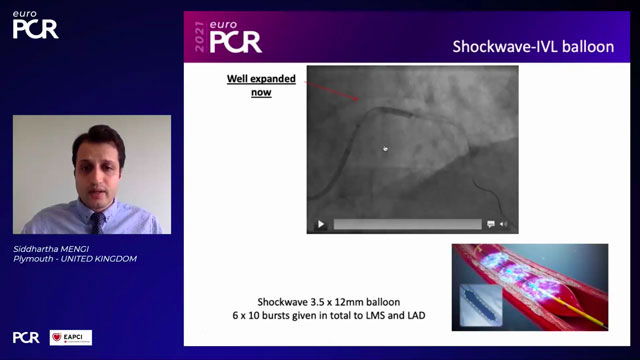
Calcified arteries: rotablation, lithotripsy or both? - Part 1
28 Apr 2021 – From EuroPCR 2021
Thanks to this session, you will discover the contemporary ROTA-SHOCK-PUMP approach, compare traditional and innovative techniques to treat severe calcified stenosis, learn how to handle a coronary lithotripsy after rotational atherectomy in the presence of haematoma, and much more!
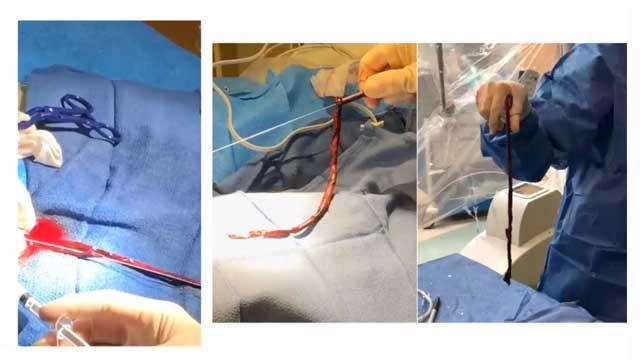
Deep vein and pulmonary interventions
In this session, observe right-sided ventricular failure due to Ebstein's anomaly, touch on large pulmonary arteriovenous malformation embolization, better master catheter thrombectomy to treat acute right iliofemoral DVT, and much more!
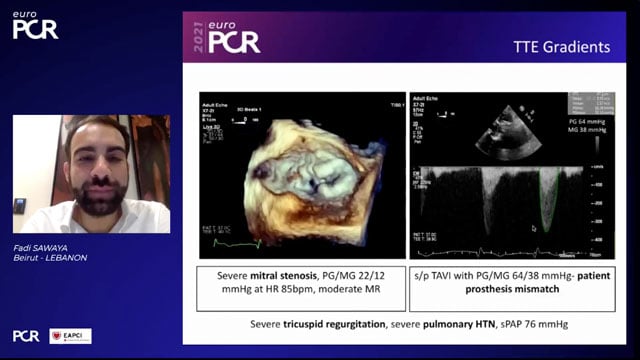
Left heart suffering after successful TAVI
12 May 2021 – From EuroPCR 2021
In this session, analyze a rare case of cardiogenic shock after TAVR, get prepared in case of Takotsubo cardiomyopathy after transcatheter aortic valve-in-valve replacement, get hints for troubleshooting in treating left-sided obstructions, find out more about transfemoral TAVI and mitral clipping for prevention of a SAM-phenomenon, and more!
TAVI-in-Bioprostheses - never a dull moment
12 May 2021 – From EuroPCR 2021
In this session, observe degenerated biologic surgical valve fracturing after TAVI implantation, analyze aortic valve-in-valve on a complex vascular anatomy, learn more about aortic and mitral valves dysfunction after surgical replacement, and even more!
When percutaneous treatment saved the day!
12 May 2021 – From EuroPCR 2021
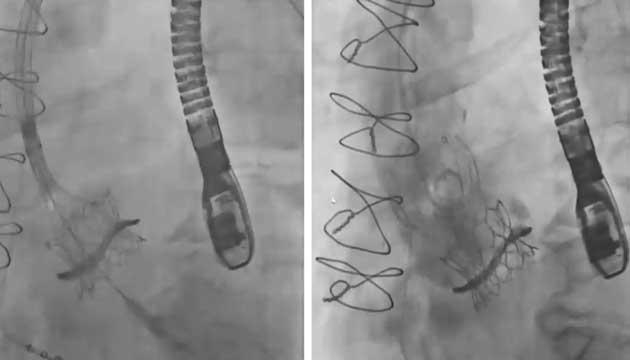
Get prepared in case of sudden severe dyspnoea, find out more about late presentation myocardial Infarction, discover penetrating trauma caused by a screwdriver, and more in this session!
When vascular conduits deserve to be closed
28 Apr 2021 – From EuroPCR 2021
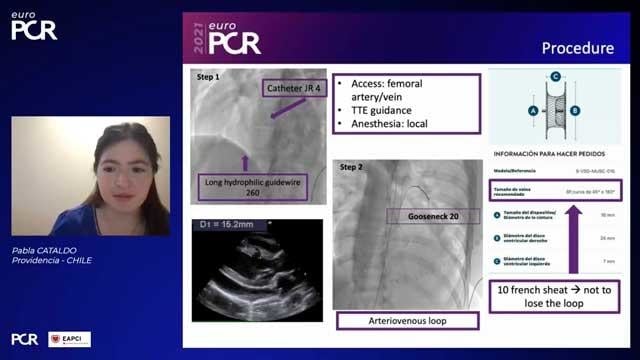
Watch these videos to learn how to use a covered stent to close a RCA fistula draining into the coronary sinus, to appraise the challenge of complex coronary fistula closure, to examine congenital coronary anomaly in an asymptomatic old patient, and more!
LM PCI in complex scenarios
28 Apr 2021 – From EuroPCR 2021
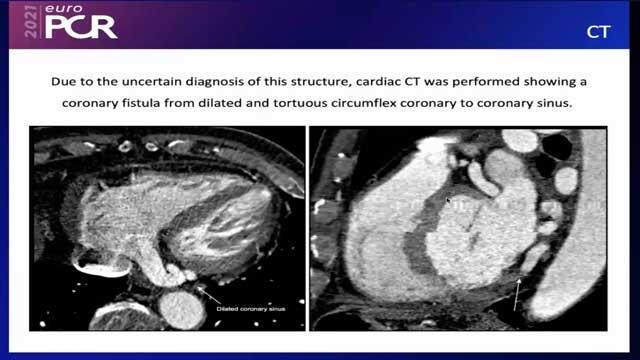
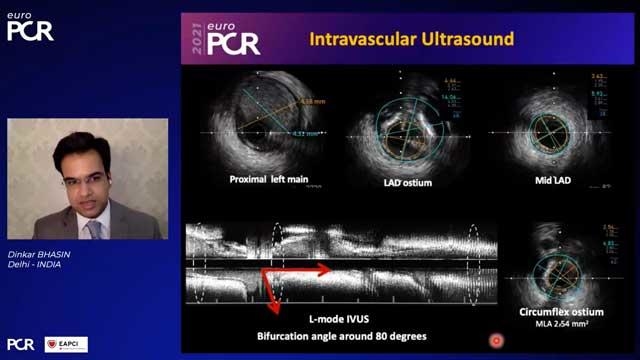
Thanks to this session, study how to handle a dangerous compression, see how to manage cardiogenic shock secondary to a left main trifurcation lesion, discover a hybrid intravascular imaging strategy for left main bifurcation PCI, and much more!
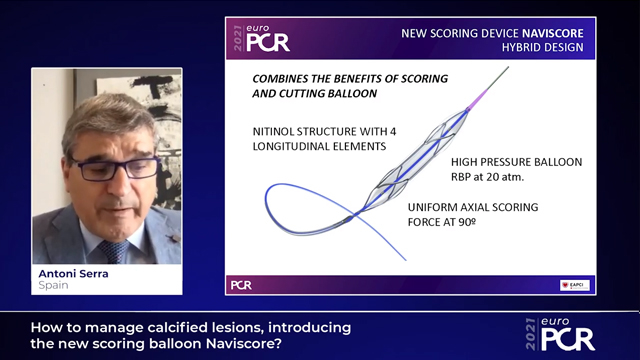
How to manage calcified lesions, introducing the new scoring balloon Naviscore?
18 May 2021 – From EuroPCR 2021
Watch this session presented by Antonio Serra in order to know how to manage a complex calcified lesion, why to use Naviscore, technical features improved vs. competitors, and what are the Naviscore benefits for a calcified lesions treatment.
Re-evolution in PCI: distal radial approach
18 May 2021 – From EuroPCR 2021
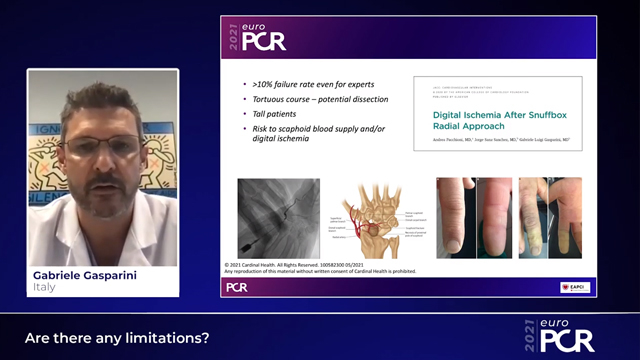
Watch this session presented by Gabriele Luigi Gasparini in order to learn about the advantages of using the distal radial approach for PCI, to discover the main considerations when using the distal radial, and to learn the key tips and tricks about the technique and the devices that...
Addressing diabetes globally with an innovative solution
18 May 2021 – From EuroPCR 2021
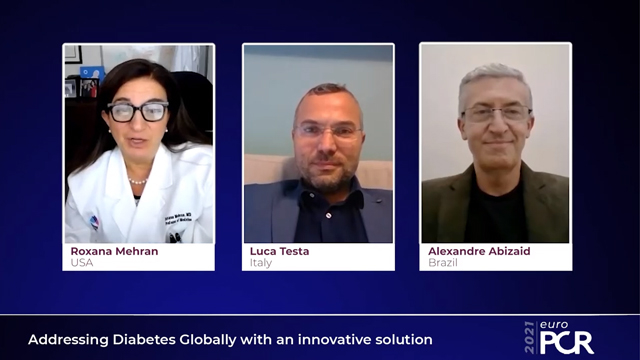
Watch this session presented by Roxana Mehran, Luca Testa and Alexandre Abizaid in order to understand the need to address diabetes with a dedicated solution, to learn how the DES+DCB platform can help counter DM in PCI, and to get insights into the ongoing and upcoming clinical programs.
View...
Looking into the treatment of TR with the Edwards portfolio
18 May 2021 – From EuroPCR 2021
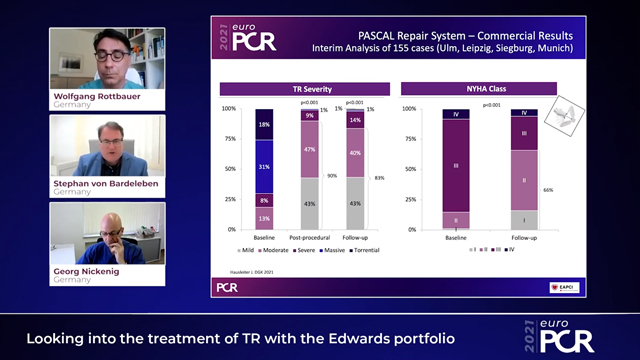
Watch this session presented by Georg Nickenig, Wolfgang Rottbauer and Ralph von Bardeleben in order to understand the challenges and needs regarding tricuspid valve disease treatment, to learn about the Edwards portfolio for transcatheter treatment of TR, and to discuss patient outcomes with the various treatment options Edwards offers to physicians and...
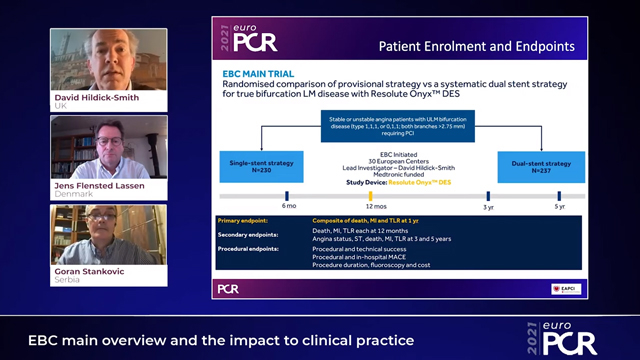
EBC MAIN overview and the impact on clinical practice
18 May 2021 – From EuroPCR 2021
Watch this session presented by David Hildick-Smith, Jens Flensted Lassen and Goran Stankovic in order to learn more about this important study and understand the impact to clinical practice, to gain insights from an interesting EBC main case, and to listen to the expert's perspectives on other recent...
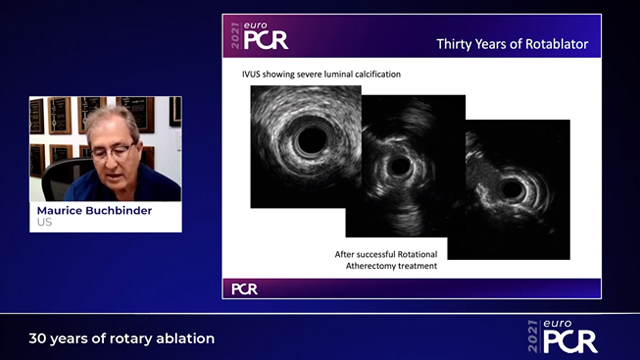
30 years of Rotary ablation
18 May 2021 – From EuroPCR 2021
Watch this session presented by Maurice Buchbinder to learn all about the history of rotary ablation, from its invention 30 years ago to its current practice, and discover various cases highlighting the results of this therapy.
Why physiology and co-reg is helpful in treating patients with multivessel disease/diffused disease
20 May 2021 – From EuroPCR 2021
Watch this session presented by Sukhjinder Nijjer, Nick Curzen, Rasha Al-Lamee and Sayan Sen in order to learn about the new pressure guide wire OmniWire and workflow enhancement with Azurion and IntraSight, to understand how "interventional physiology" can guide PCI in diffuse, multivessel coronary artery disease, and to learn how...
Sustained Limus release, redefining indications for drug-eluting balloons
20 May 2021 – From EuroPCR 2021
Watch this session presented by Bernardo Cortese, Kambis Mashayekhi, Jonas Häner and Tuomas Rissanen in order to understand how sustained Limus release technology can broaden DEB indications, to learn how SELUTION SLR sustained Limus DEB performs in daily clinical practice, and to know more about the importance of sustained Limus release technology...
Latest insights: when to choose orbital atherectomy
20 May 2021 – From EuroPCR 2021
Watch this session presented by Nicolas Van Mieghem, Surendra Avula and Ajay Kirtane in order to understand the challenges of treating severe calcium, to know about the OAS overview with dual-action MOA technology and the clinical evidence supporting its use, and to be introduced to treatment technique.