3644 results for «580»
3644 results
Venous system under the spotlight: challenging clinical cases
21 May 2025 – From EuroPCR 2025
Focus on the venous system through challenging clinical cases including pulmonary artery foreign body retrieval, upper extremity deep vein thrombosis, central vein stent complications, and pacing lead issues. Gain practical insights into diagnosis and management of complex venous conditions.
From probe to patient: understanding echocardiography in structural heart disease
22 May 2025 – From EuroPCR 2025
Build foundational knowledge of echocardiography in structural heart disease. This session covers basic principles, diagnostic approaches correlating symptoms with valvular disease, and the vital role of echocardiography in post-procedural assessment and follow-up.
Mitral abstracts session
22 May 2025 – From EuroPCR 2025
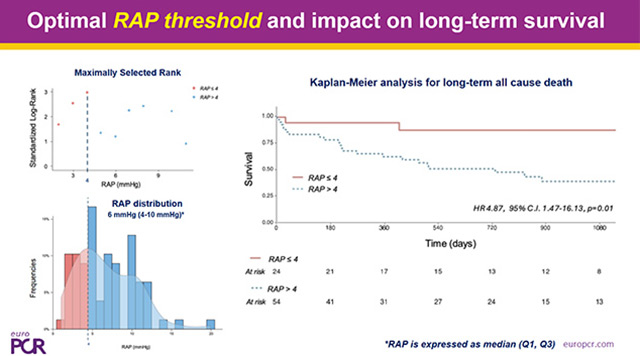
Examine critical mitral valve research through a series of abstracts focusing on mitral TEER outcomes. Topics include the impact of mitral valve complexity, prognostic significance of right atrial pressure, comparative analysis of degenerative versus functional mitral regurgitation, and validation of risk scores, providing valuable insights for...
Managing challenging vasculature to successfully deliver TAVI
21 May 2025 – From EuroPCR 2025
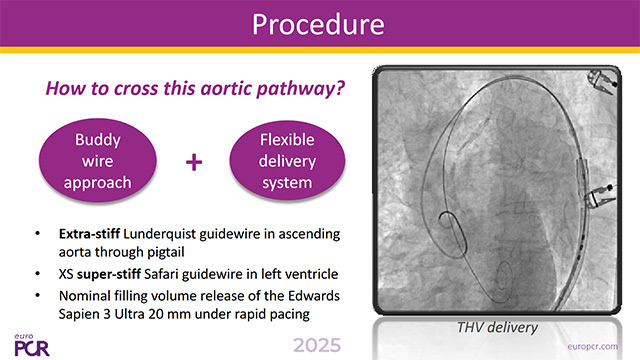
This session addresses the challenges of delivering TAVI in patients with complex vascular anatomy. Explore expert strategies for performing TAVI post-coarctation surgery, valve-in-valve procedures, and managing difficult aortic arch anatomies including bicuspid valves with large annuli and tortuous vessels.
Novelty in ACS diagnosis and treatment
22 May 2025 – From EuroPCR 2025
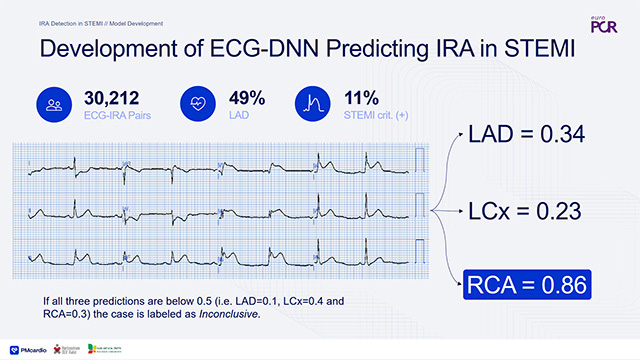
Discover novel diagnostic and therapeutic advances in acute coronary syndrome (ACS) management. This session covers innovative topics such as paclitaxel-coated balloon angioplasty safety in STEMI, the prognostic role of carbon monoxide, AI-based ECG prediction of infarct-related arteries, microcirculatory resistance indices in MINOCA, and real-world optical coherence...
Redefining the red flags: early detection of myocardial infarction in women
22 May 2025 – From EuroPCR 2025
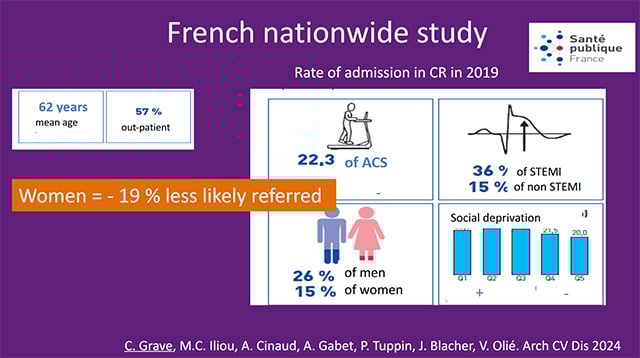
Gain a unique patient-centered perspective on early myocardial infarction detection in women. This session features a survivor's story, collaborative step-by-step clinical approaches, and key aspects of cardiac rehabilitation, emphasizing shared decision-making to improve patient outcomes in complex cases.
What an interventional cardiologist should know about anti-thrombotics
22 May 2025 – From EuroPCR 2025
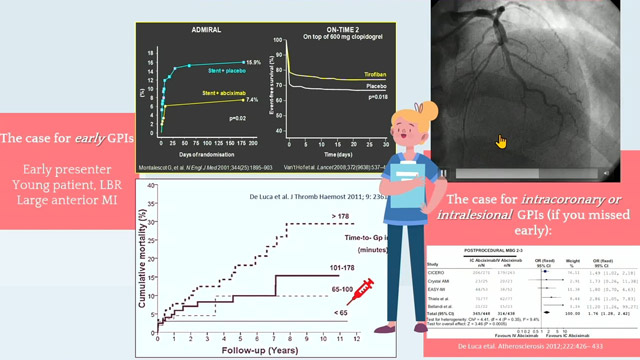
This session provides comprehensive knowledge on anti-thrombotic management for interventional cardiologists, emphasizing effective inhibition during acute STEMI, latest evidence implementation for high bleeding risk patients, and customization of dual antiplatelet therapy in patients with high thrombotic and low bleeding risks through clinical cases and evidence-based recommendations.
TAVI in difficult scenarios: bicuspid anatomy and pure aortic regurgitation
22 May 2025 – From EuroPCR 2025
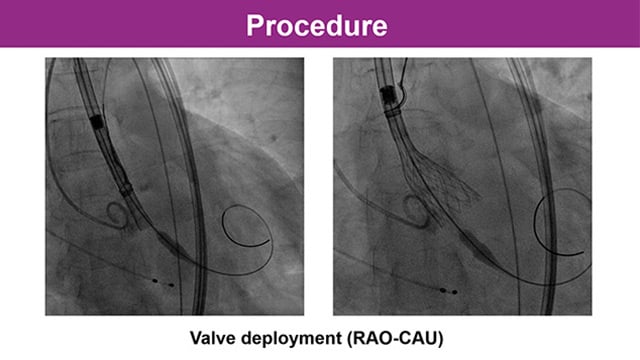
Address challenging TAVI scenarios involving bicuspid anatomy and pure aortic regurgitation with insights from international experiences. This session compares treatment options in China and Germany, explores anatomical and disease differences, and reviews various TAVI devices through detailed case presentations and expert commentary.
Procedural planning and risk stratification in multivessel PCI
22 May 2025 – From EuroPCR 2025
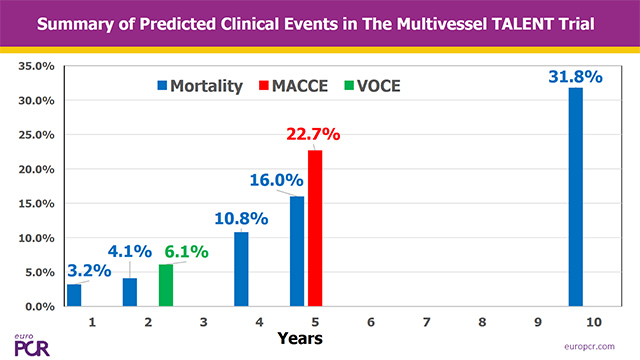
This session focuses on procedural planning and risk stratification in multivessel PCI, presenting data from the TALENT and FIRE trials, prognostic value of post-PCI physiological assessments, and an innovative study comparing large language models in managing complex interventional cardiology cases.
Management of complex left main trifurcation lesion
22 May 2025 – From EuroPCR 2025
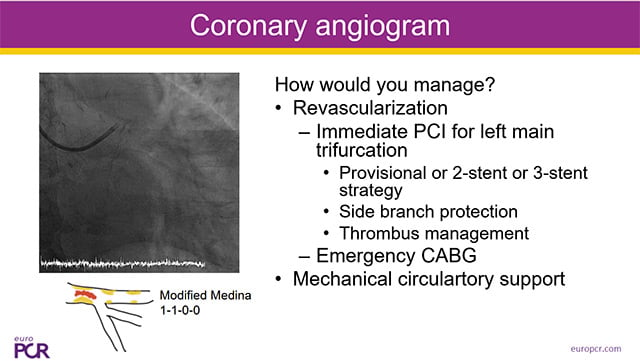
This session focuses on the management of complex left main trifurcation lesions. Review hybrid and double TAP techniques, long-term follow-up outcomes, and innovative approaches such as the inverted double TAP technique, offering insights into optimizing treatment strategies for these challenging anatomical scenarios.
PCI for complex calcific coronary artery disease - LIVE Case
22 May 2025 – From EuroPCR 2025
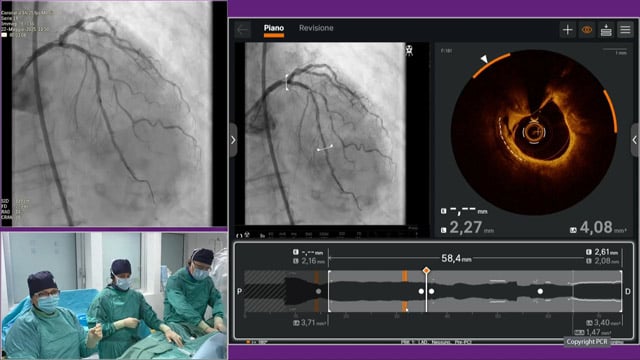
An 87-year-old female patient, at high bleeding risk and with preserved LV function, presented 2 months ago with an inferior STEMI and multivessel disease. She initially underwent RCA PCI followed by staged LCx PCI. She was now referred for PCI of a long, heavily calcified lesion...
Challenging tricuspid TEER cases
22 May 2025 – From EuroPCR 2025
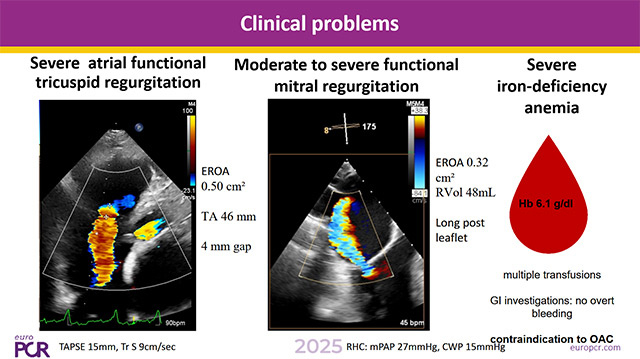
Explore challenging tricuspid transcatheter edge-to-edge repair (TEER) cases highlighting combined LAA occlusion and mitral valve repair, anatomical complexities, and strategies to complete surgical interventions percutaneously. Discuss the balance between procedural perfection and clinical practicality in complex valve anatomies.
TAVI in bicuspid: all you need to know
22 May 2025 – From EuroPCR 2025
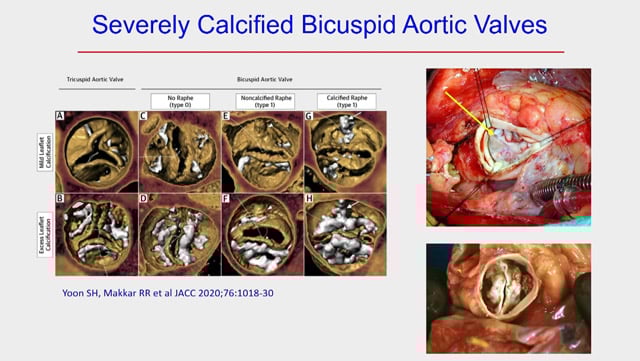
Understand the unique anatomical and clinical challenges of transcatheter aortic valve implantation (TAVI) in bicuspid aortic valves. This session covers bicuspid valve epidemiology, indications for surgery and TAVI, and detailed discussion on sizing and deployment fundamentals specific to bicuspid anatomy to optimize procedural success.
Troubleshooting and management communication in LAA closure
22 May 2025 – From EuroPCR 2025
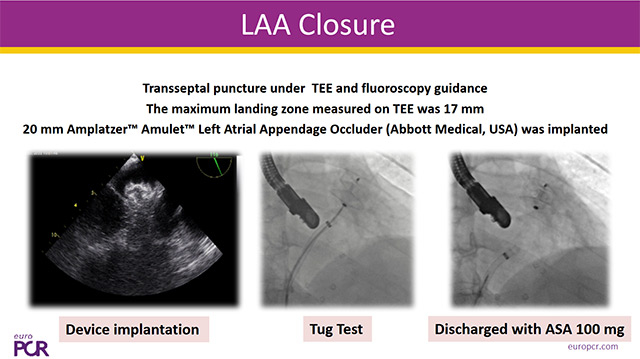
This session provides comprehensive guidance on troubleshooting and communication during left atrial appendage (LAA) closure procedures. Covering device migration management, transeptal puncture in high bleeding risk patients, scoliosis adaptations, and advanced catheter techniques, it emphasizes practical solutions for procedural complications.
The role of DCB in non-left main true bifurcations
22 May 2025 – From EuroPCR 2025
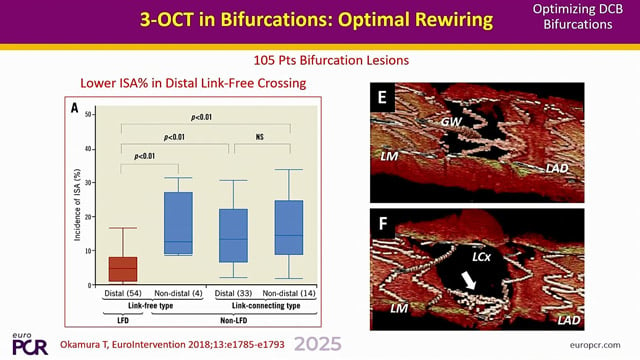
This session offers a detailed exploration of drug-coated balloon (DCB) use in non-left main true bifurcation lesions. Learn to define suitable lesion characteristics for provisional stenting, understand stepwise procedural strategies minimizing implanted material, and appreciate the role of intravascular imaging in assessing bifurcation complexity and optimizing...
Clinical impact of mechanical circulatory support
22 May 2025 – From EuroPCR 2025
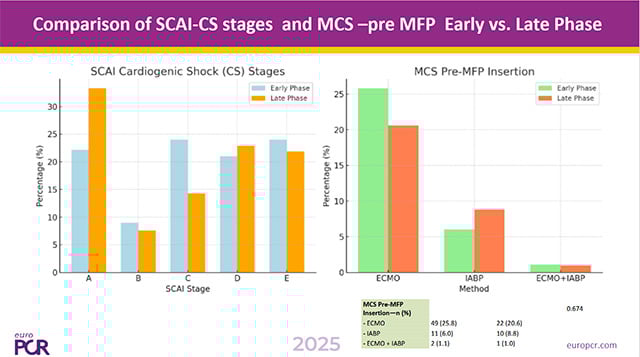
Explore the clinical impact of mechanical circulatory support through a series of detailed presentations covering protocols and training effects on outcomes in left-sided micro-axial flow-supported shock patients, practice variations between Sweden and the U.S., six-month outcomes post coronary intervention with VA-ECMO, and the prognostic value of...
TAVI outcomes
22 May 2025 – From EuroPCR 2025
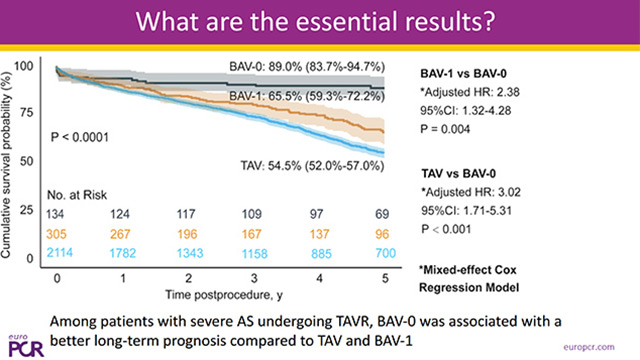
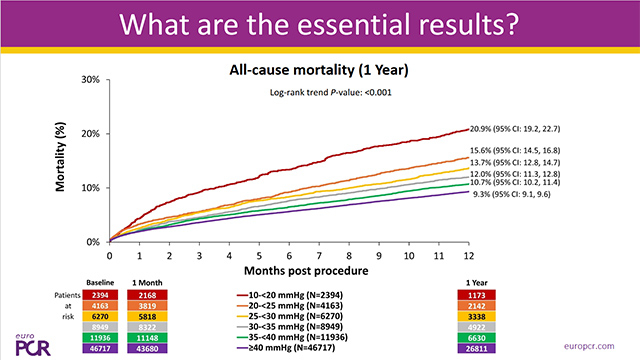
Examine contemporary outcomes of transcatheter aortic valve implantation (TAVI) across diverse patient populations and device generations. This session presents data on severe aortic stenosis stratified by resting gradient, comparisons between bicuspid and tricuspid valve stenosis, and clinical results of intra-annular versus supra-annular devices, including two-year outcomes...
Coronary physiology: FFR and beyond
22 May 2025 – From EuroPCR 2025
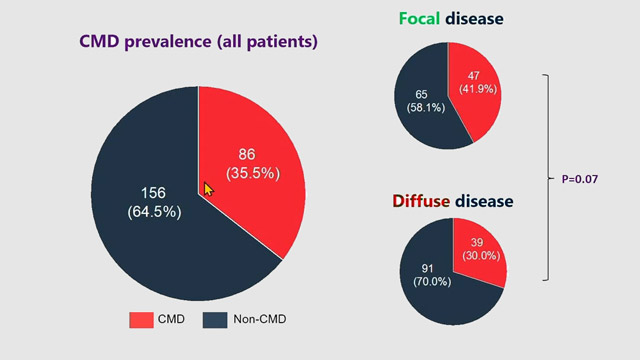
Advance your understanding of coronary physiology with a focus on fractional flow reserve (FFR) and beyond. This session covers randomized trials comparing physiology-guided treatment to standard care in ANOCA, graft patency related to quantitative flow ratio, impacts of microvascular dysfunction on patient outcomes, and prognostic value...
All you need to know on aorto iliac disease during TAVI: from access to complications management
22 May 2025 – From EuroPCR 2025
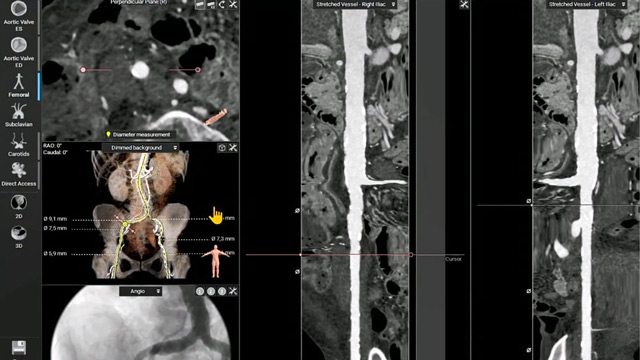
Gain expertise in managing aorto-iliac disease during TAVI procedures, from access planning to complication management. This session covers key imaging techniques, decision-making regarding stenting and lesion modification, approaches to access-related complications, and criteria for involving vascular surgeons, ensuring procedural safety and success.
TAVI in bicuspid aortic valve disease
22 May 2025 – From EuroPCR 2025
Explore the unique challenges of TAVI in bicuspid aortic valve disease with a focus on long-term outcomes, residual gradients, prosthesis-patient mismatch, and anatomical subtype comparisons. This session draws on international registry data to inform clinical decision-making and optimize procedural strategies in this complex patient population.