


3652 results for «279»
3652 results
Multi-device approach to calcified lesions
20 May 2026 – From EuroPCR 2026
Explore a multi-device strategy for tackling complex calcified coronary lesions in this session. It includes case studies on left main trifurcation stenting, resistant calcified nodules treated with orbital atherectomy, severe restenosis, and critical calcifications in challenging anatomies, showcasing advanced techniques for plaque modification and lesion management.

Secondary mitral regurgitation: not all patients are the same
20 May 2026 – From EuroPCR 2026
Examining secondary mitral regurgitation, this session differentiates patient phenotypes and discusses the application of updated guideline recommendations. It offers practical guidance on selecting the appropriate device tailored to individual patient characteristics, supported by detailed case studies.
TAVI for aortic regurgitation
20 May 2026 – From EuroPCR 2026
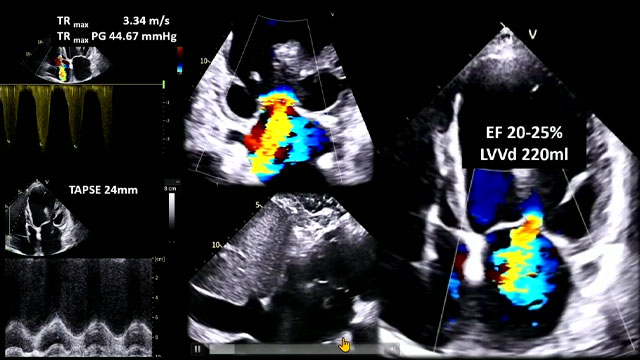
This session highlights innovative transcatheter aortic valve implantation (TAVI) approaches for treating aortic regurgitation, focusing on off-label uses and complex cases. It features high-risk patient interventions, including nonagenarian patients, and strategies to manage severe non-calcific native valve regurgitation with balloon-expandable valves.

Imaging to the rescue in LAA closure
20 May 2026 – From EuroPCR 2026
This session highlights the pivotal role of advanced imaging modalities in left atrial appendage (LAA) closure. Topics include novel risk assessment workflows for air embolism, evaluation protocols using cardiac CT and 3D TEE, reproducibility of anatomical classifications, and long-term follow-up outcomes with various imaging techniques.
Transcatheter rescue in cardiogenic shock
20 May 2026 – From EuroPCR 2026
This session presents cutting-edge transcatheter rescue interventions in cardiogenic shock scenarios. It covers emergent valve-in-valve procedures, hybrid approaches for valvular heart disease with heart failure, management of ventricular septal rupture post-myocardial infarction, and percutaneous closure techniques for high-risk patients, emphasizing lifesaving interventional strategies.
Navigating the complexity of high bleeding risk
20 May 2026 – From EuroPCR 2026
Focusing on patients with high bleeding risk undergoing PCI, this session presents contemporary evidence on prevalence, procedural strategies with different stent types, antiplatelet therapy considerations including diabetic and sex-specific outcomes, and novel technologies such as sirolimus-coated balloons and machine learning models for restenosis prediction.
Complications in CAD PCI
20 May 2026 – From EuroPCR 2026
This session focuses on the recognition and management of complications during coronary artery disease PCI. It includes cases of acute guide catheter crises, rare post-PCI chest pain etiologies, innovative stent retrieval techniques, and critical procedural challenges, providing an educational journey through complex complication management.
Choosing the right strategy for isolated ostial left anterior descending artery or circumflex coronary lesions
20 May 2026 – From EuroPCR 2026
This session examines optimal strategies for managing isolated ostial lesions in the left anterior descending and circumflex arteries, comparing left main crossover, ostial stenting, and drug-coated balloon (DCB) approaches. It emphasizes integrating multimodality imaging for informed decision-making, illustrated through detailed case discussions.
Imaging guidance in everyday practice
20 May 2026 – From EuroPCR 2026
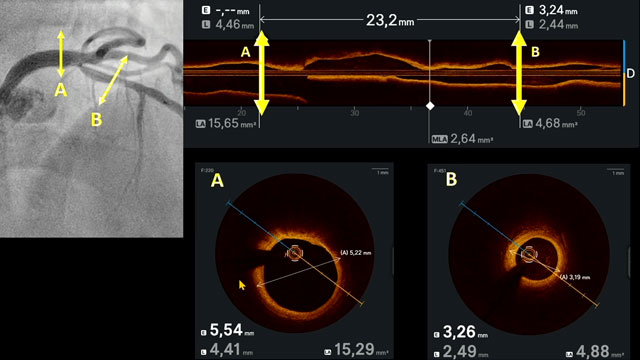
This session emphasizes the role of imaging guidance in everyday interventional cardiology practice. Through challenging cases involving exertional chest pain, unusual coronary anatomy, complex left ventricular access, side branch navigation, and IVUS-guided re-intervention, it underscores the critical value of advanced imaging for diagnostic clarity and procedural...
New evidence for the use of DCB
20 May 2026 – From EuroPCR 2026
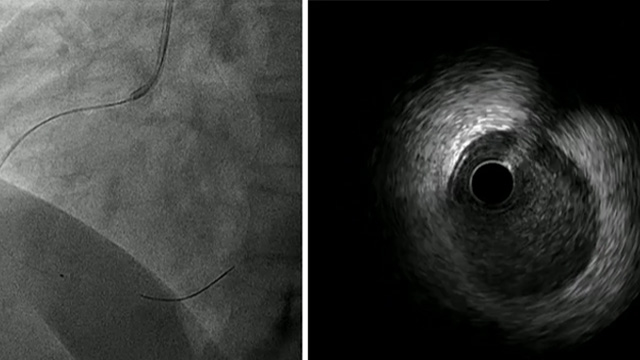
This session reviews emerging evidence supporting the use of drug-coated balloons (DCB) in complex PCI. It covers data from recent trials such as SELUTION De Novo, studies on vascular healing, restenosis patterns, long-term outcomes compared to DES, and optimal side branch treatment in bifurcation lesions.
When transfemoral is not an option: is TAVI still possible?
20 May 2026 – From EuroPCR 2026
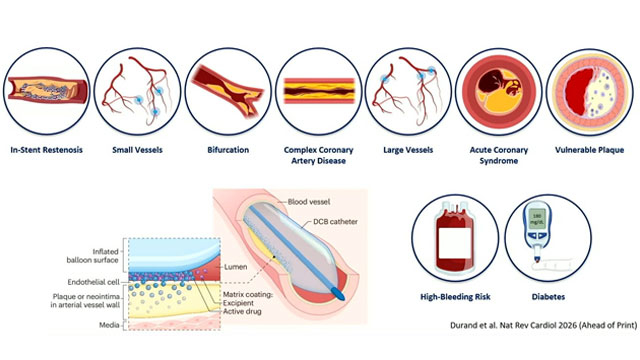
This session explores alternative access strategies for Transcatheter Aortic Valve Implantation (TAVI) when the transfemoral route is not feasible. It covers complex scenarios including transcaval TAVI complications, transaxillary approaches, management of extra-large annuli with peripheral artery disease, and innovative transcarotid valve-in-valve procedures.
Best complications on calcified lesions
20 May 2026 – From EuroPCR 2026
Highlighting challenging cases in calcified coronary lesions, this session presents a series of complications including stuck wires, the Kokeshi phenomenon, and multiple complications within a single vessel. It provides practical insights into rescue techniques and navigating complex procedural challenges.
Imaging and physiology-guided DCB strategy
20 May 2026 – From EuroPCR 2026
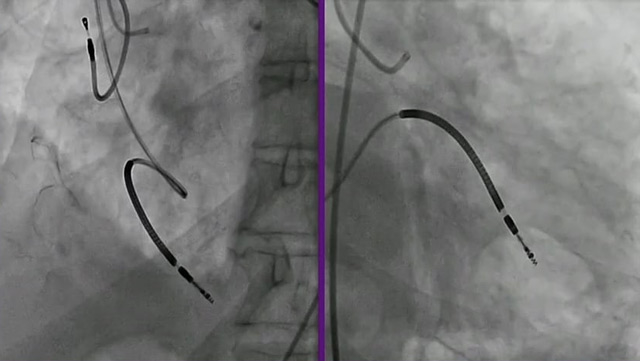
Delve into advanced imaging and physiology-guided drug-coated balloon (DCB) strategies for complex coronary lesions. This session presents integrated approaches combining morphology and physiology, OCT guidance, and real-world cases highlighting DCB use in multivessel disease and calcified lesions.
How to obtain a surgical-liked result in a patient with primary mitral regurgitation?
20 May 2026 – From EuroPCR 2026
This session delves into achieving surgical-like outcomes in patients with primary mitral regurgitation undergoing transcatheter edge-to-edge repair (TEER). It covers anatomical criteria for optimal patient selection, essential procedural steps including device choice and imaging guidance, and key factors contributing to durable success and patient improvement.
Typical chest pain: atypical angiogram
20 May 2026 – From EuroPCR 2026
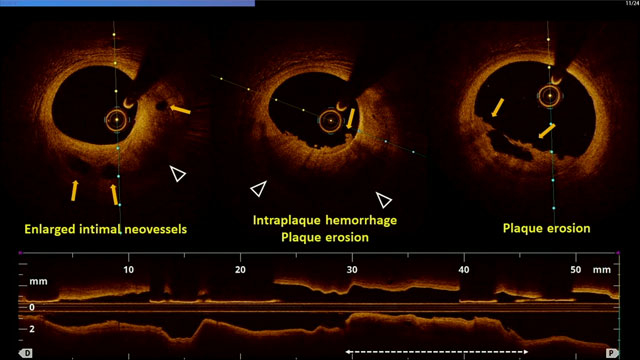
This session addresses the management challenges posed by acute coronary syndromes when angiographic findings are ambiguous or atypical. It highlights the role of intravascular imaging in clarifying diagnoses and discusses recent insights from clinical cases and key studies such as DISCO and the latest NSTEMI EuroIntervention...
Registries and trials in TMVR
20 May 2026 – From EuroPCR 2026
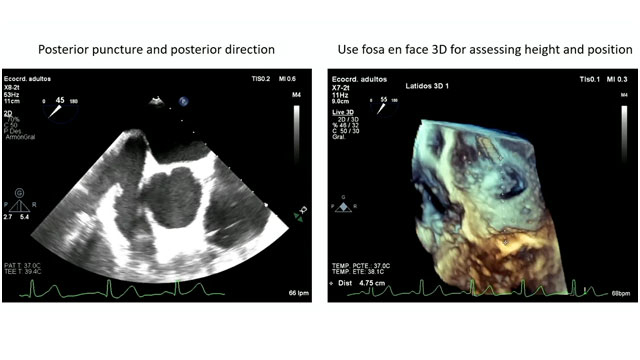
This session provides an in-depth review of registries and clinical trials focused on transcatheter mitral valve replacement (TMVR). It presents data on annular and ventricular remodeling with the HighLife system, mid- to long-term valve performance, and innovations in transseptal TMVR using novel bioprostheses.
Complication one: PCI complications occuring during urgent PCI for NSTEMI
20 May 2026 – From EuroPCR 2026
Examine real-world PCI complications encountered during urgent interventions for NSTEMI patients. This session presents a series of complex cases illustrating management strategies for adverse events such as coronary perforations, device issues, and imaging challenges to inform safer procedural practice.
Complex patients with NSTEMI
20 May 2026 – From EuroPCR 2026
This session addresses the complexity of managing NSTEMI patients with challenging clinical presentations, including concurrent vessel and valve disease, thrombus burden, and atypical angiographic findings. It offers practical strategies for diagnosis and intervention to optimize patient outcomes.
DCB - Going beyond in-stent restenosis
20 May 2026 – From EuroPCR 2026
This session examines the expanding role of drug-coated balloons (DCB) beyond in-stent restenosis, including treatment of acute coronary syndromes, calcified lesions, and bifurcations. It reviews current evidence supporting DCB-based revascularization and outlines essential procedural steps to optimize outcomes.
Atypical STEMI presentations
20 May 2026 – From EuroPCR 2026
Investigate atypical presentations of STEMI and the unique challenges they pose in clinical management. This session covers case studies including high bleeding risk patients, mechanical complications post-surgery, spontaneous coronary artery dissection, and recurrent events, emphasizing tailored therapeutic approaches.