


3648 results for «489»
3648 results
Complex multivessel disease: from calcium to physiology - Case-based decisions
21 May 2026 – From EuroPCR 2026
Focus on complex multivessel coronary artery disease management with an emphasis on severely calcified lesions and the integration of intracoronary imaging and physiology. This session prepares clinicians to anticipate and manage complications during PCI, enhancing competence in treating challenging coronary anatomies through case-based decision-making.

Overcoming complications with intracoronary imaging
21 May 2026 – From EuroPCR 2026
Explore challenging cases of intracoronary imaging complications, highlighting recognition, management, and resolution of complex vascular and mechanical issues encountered during coronary interventions.

Insight from new evidence for complex PCI: value of imaging (CHIP IVUS) and left ventricular support (CHIP BCIS 3)
21 May 2026 – From EuroPCR 2026
This session reviews the impact of recent evidence on complex PCI, highlighting the value of intracoronary imaging (CHIP IVUS trial) and left ventricular assist devices (CHIP BCIS 3 trial). Through case discussions, participants reflect on how these innovations influence daily clinical practice and enhance procedural planning...
Refining management of NSTEMI
21 May 2026 – From EuroPCR 2026
This session refines NSTEMI management by exploring advanced diagnostic tools, risk stratification, and tailored revascularization strategies, including bleeding risk assessment and dual antiplatelet therapy considerations.
Left main complications - Part 1
21 May 2026 – From EuroPCR 2026
Focus on managing complications related to left main coronary interventions, with detailed case analyses addressing procedural pitfalls, iatrogenic dissections, and unexpected imaging challenges.
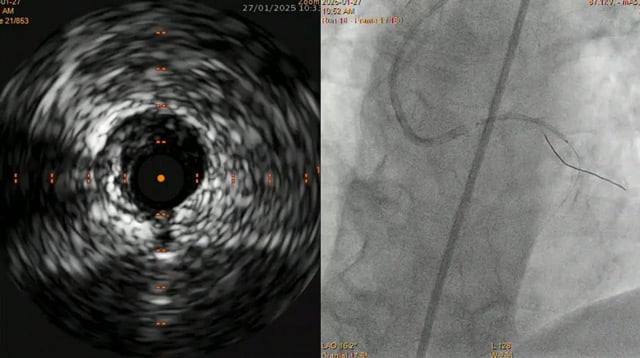
Challenging procedures for bifurcation lesions
22 May 2026 – From EuroPCR 2026
Explore a series of challenging cases in coronary bifurcation interventions, highlighting complex decision-making scenarios, pharmaco-invasive strategies guided by IVUS, and tailored techniques for reintervention. Emphasis is placed on imaging-guided PCI and simplifying complex double bifurcation and long lesion treatments to optimize patient outcomes.
Beyond stent: use of DCB in CTO
22 May 2026 – From EuroPCR 2026
This session focuses on the innovative use of drug-coated balloons (DCB) in chronic total occlusion (CTO) interventions. It reviews combined plaque modification techniques, complex multivessel PCI cases involving CTOs, and strategy considerations such as hybrid therapy versus full metal jacket, emphasizing vessel biology preservation during revascularisation.
Best coronary complications
22 May 2026 – From EuroPCR 2026
A collection of challenging coronary complication cases is presented, including management of stuck wires in calcific CTOs, complex PCI scenarios with unexpected twists, techniques for puncturing seals, and dealing with microaxial pump kinks, providing valuable lessons in complication management during interventional procedures.
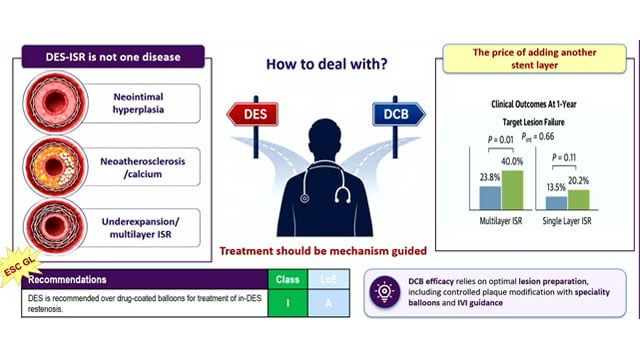
In-stent restenosis: exploring novel solution for an old problem
22 May 2026 – From EuroPCR 2026
This session explores innovative approaches to treating in-stent restenosis (ISR) with a focus on drug-coated balloons (DCB) and sirolimus or paclitaxel-eluting balloon catheters. It includes clinical outcomes from IVUS-guided procedures, cutting balloon angioplasty, comparisons between DCB and DES, and emerging machine learning tools to predict target-lesion...
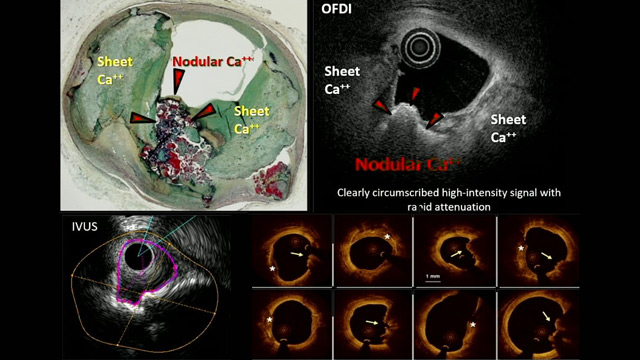
All you need to know - Intracoronary imaging for vulnerable plaque
22 May 2026 – From EuroPCR 2026
This session provides a comprehensive overview of vulnerable plaque pathophysiology and the role of intracoronary imaging in its identification. It assesses treatment options, including the potential role of preventative PCI and intensive medical therapy, to guide clinical decision-making in managing plaque vulnerability.
Is there a rule for DCB in ACS setting?
22 May 2026 – From EuroPCR 2026
This session examines the application of drug-coated balloons (DCB) in the acute coronary syndrome (ACS) setting, comparing outcomes with drug-eluting stents (DES). It discusses the impact of intraluminal thrombus, real-world registry data on DCB-first strategies in STEMI, and multicentre experiences with DCB use in STEMI and...
How should I treat my CTO? Adapting to local conditions
22 May 2026 – From EuroPCR 2026
This session delves into managing chronic total occlusions (CTO) under resource-limited conditions, highlighting the essential CTO toolbox and strategic procedural planning. It emphasizes that an antegrade-first approach, often with dual arterial access, can achieve high success in many CTO cases, illustrated through complex real-world cases from...
Taking on the tough stuff: TAVI in complex anatomies
21 May 2026 – From EuroPCR 2026
Focused on the challenges of transcatheter aortic valve implantation (TAVI) in complex anatomies, this session addresses optimal strategies for treating bicuspid aortic valve stenosis, managing small annuli and low coronary ostia, and approaches to degenerated surgical valves including bioprosthetic fracture techniques. Case-based discussions elucidate practical solutions...
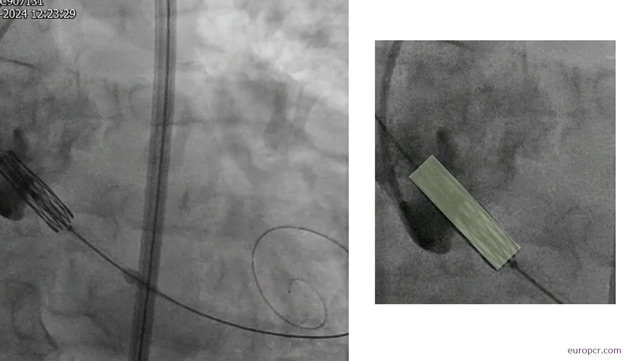
Hybrid percutaneous revascularisation: combining DES and DCB for optimal results
21 May 2026 – From EuroPCR 2026
This session delves into hybrid percutaneous revascularisation techniques that combine drug-eluting stents (DES) and drug-coated balloons (DCB) to achieve optimal clinical results. It highlights the clinical and anatomical scenarios suited for hybrid PCI, provides a step-by-step procedural approach, and discusses the potential benefits of integrating these...
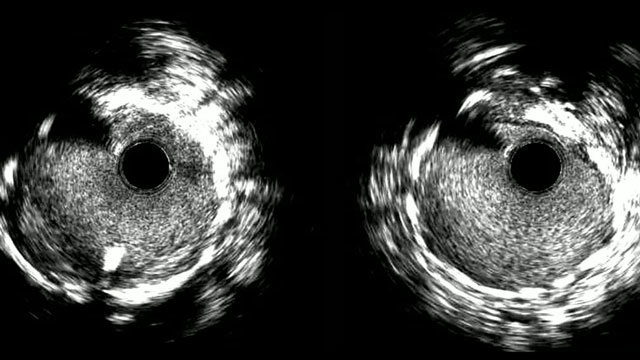
INOCA in patients with coronary artery disease
21 May 2026 – From EuroPCR 2026
This session focuses on ischaemia with non-obstructive coronary arteries (INOCA) in patients with coronary artery disease. It raises awareness of common clinical presentations, emphasizes accurate diagnosis through functional coronary testing, and discusses how tailored treatment strategies can improve patient outcomes in this frequently under-recognized condition.
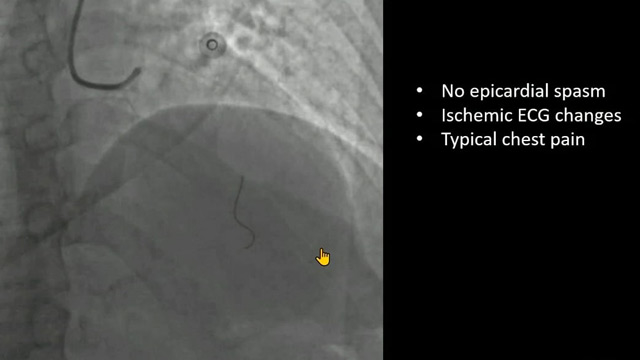
Overcoming challenging anatomy in calcified lesion PCI
22 May 2026 – From EuroPCR 2026
This session focuses on overcoming the challenges posed by complex anatomical variations in calcified lesion PCI. Experts present advanced techniques and hybrid solutions for difficult bifurcation angles, aorto-ostial lesions, and other complex scenarios, emphasizing both innovative and simplified approaches to achieve procedural success.
Calcium in the coronary arteries - What could go wrong?
22 May 2026 – From EuroPCR 2026
This session delves into the complexities of treating calcified coronary artery lesions, highlighting strategic selection of PCI approaches, anticipation of potential complications, and agile adaptation of techniques to manage these challenges effectively. Featuring real-world cases from Ireland and the United Kingdom, it provides critical learnings on...
New insights into pharmacological treatment for STEMI
21 May 2026 – From EuroPCR 2026
This session presents the latest pharmacological advances in the treatment of ST-segment elevation myocardial infarction (STEMI). It covers safety data on ticagrelor monotherapy post-primary PCI, the impact of P2Y12 inhibitor pretreatment, effects of dapagliflozin on myocardial remodeling, and considerations for bleeding risk and vascular preparation strategies...
Challenges for TAVI in bicuspid
22 May 2026 – From EuroPCR 2026
This session addresses the unique challenges encountered during transcatheter aortic valve implantation (TAVI) in patients with bicuspid aortic valves. It covers procedural nuances for type 0 bicuspid valves, risks associated with anomalous coronary anatomy, and complex anatomical considerations such as large annulus and tortuous aorta, culminating...
Spontaneous coronary artery dissection management with intracoronary imaging
22 May 2026 – From EuroPCR 2026
Explore the nuanced management of spontaneous coronary artery dissection (SCAD) with a focus on intracoronary imaging. This session examines diagnostic challenges, the limited role of coronary CT angiography, and strategies for managing occlusive SCAD cases, highlighting the evolving understanding of this complex condition.